
Lauriya Areraj
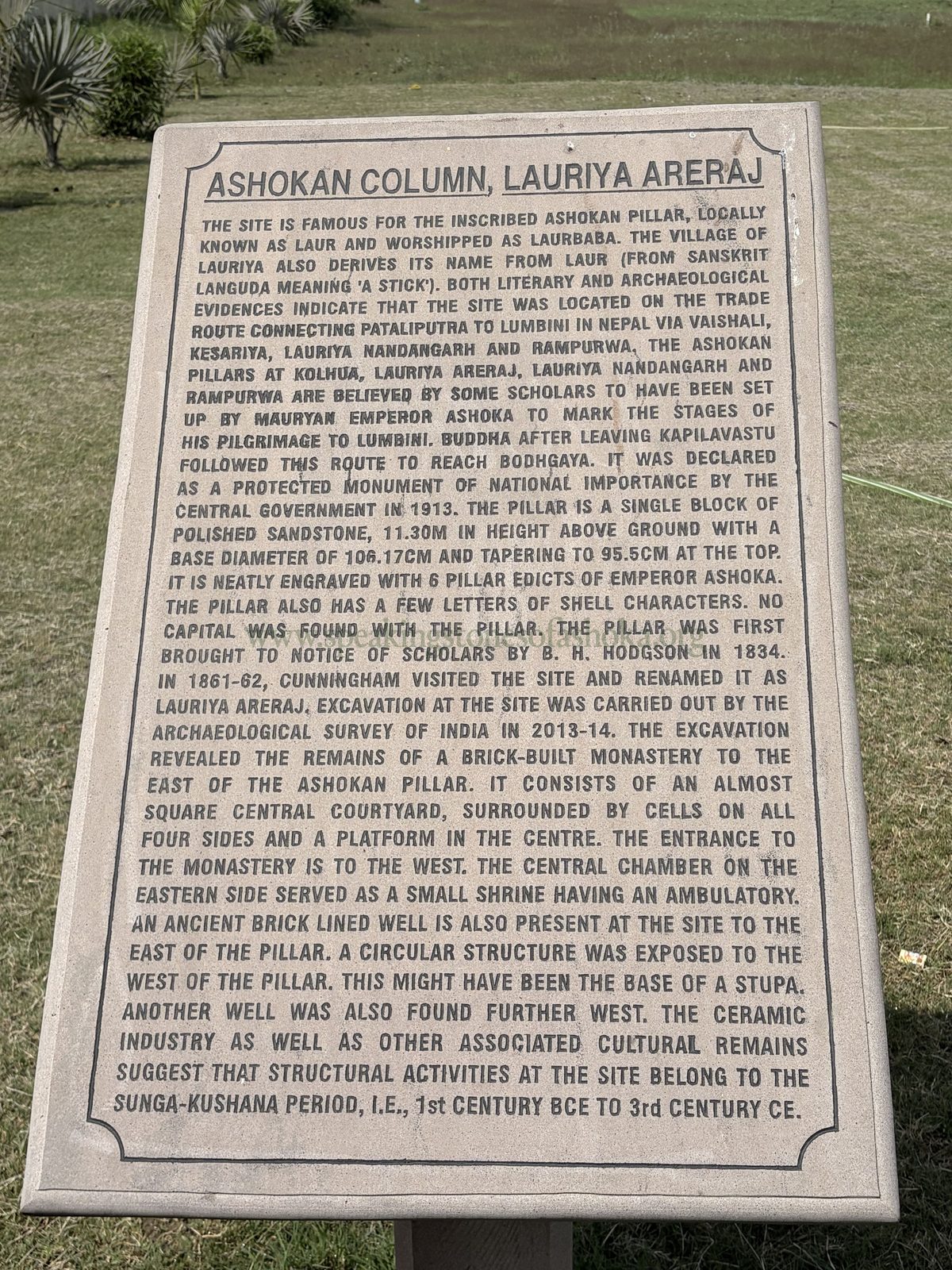
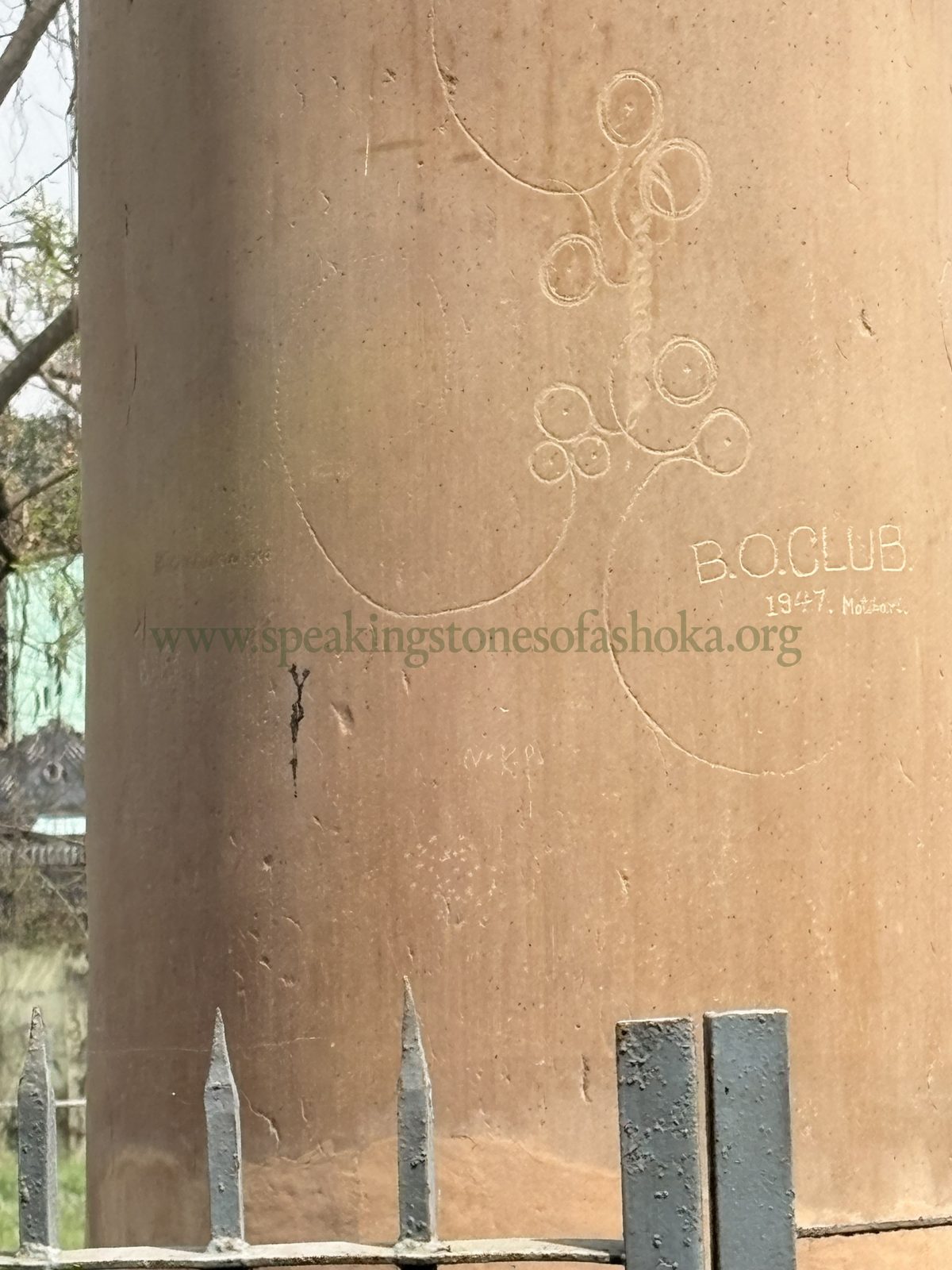
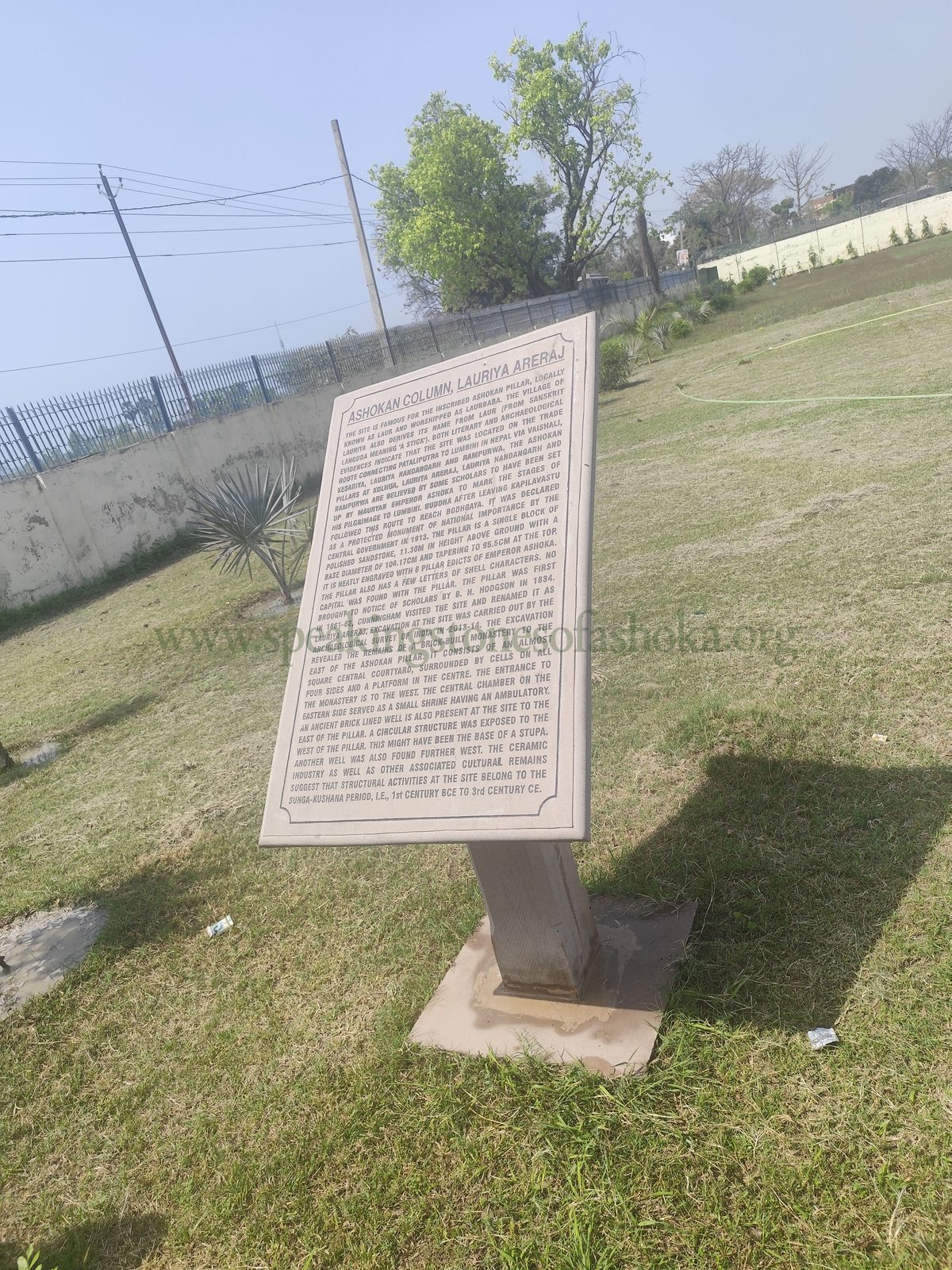
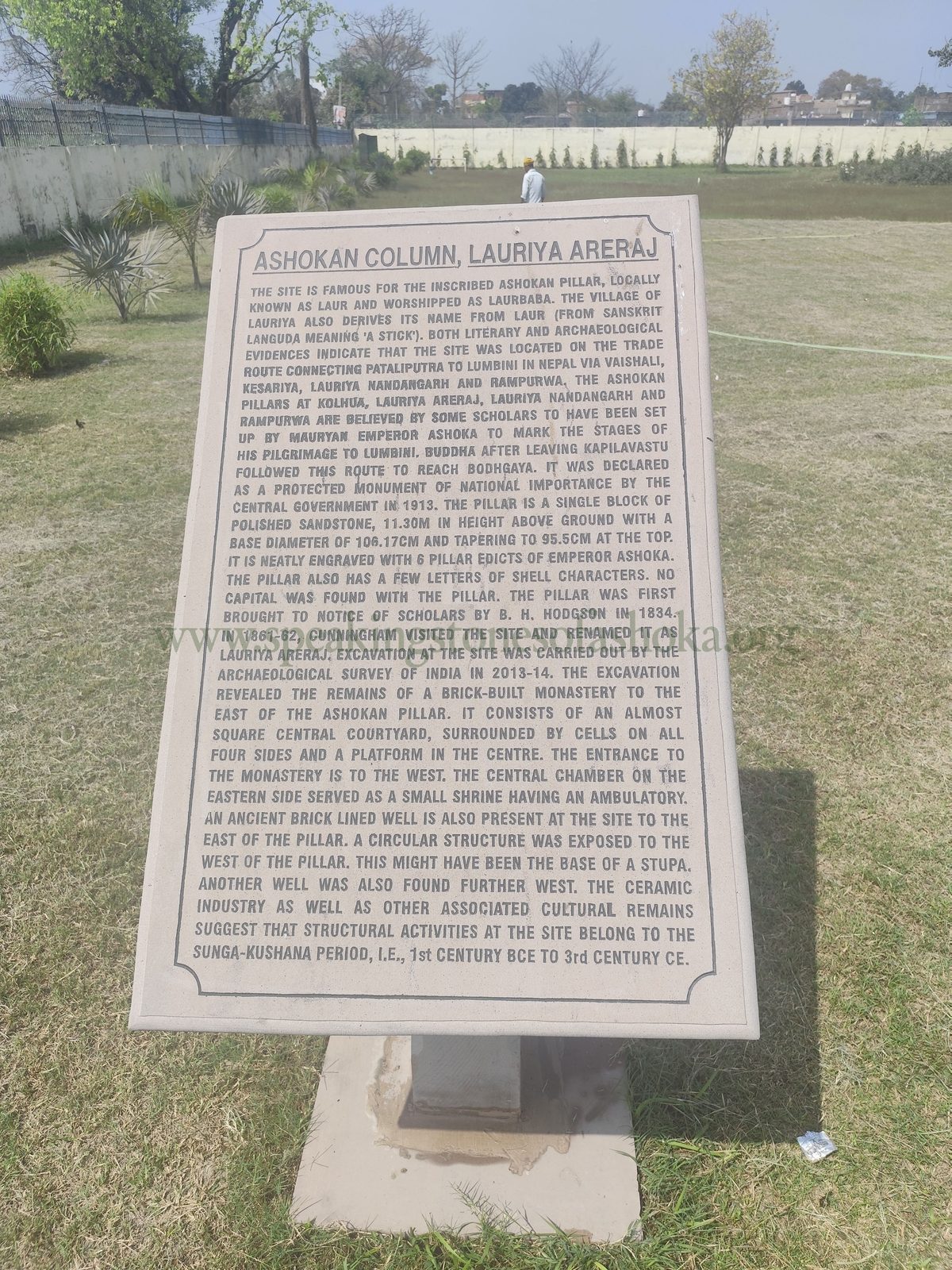
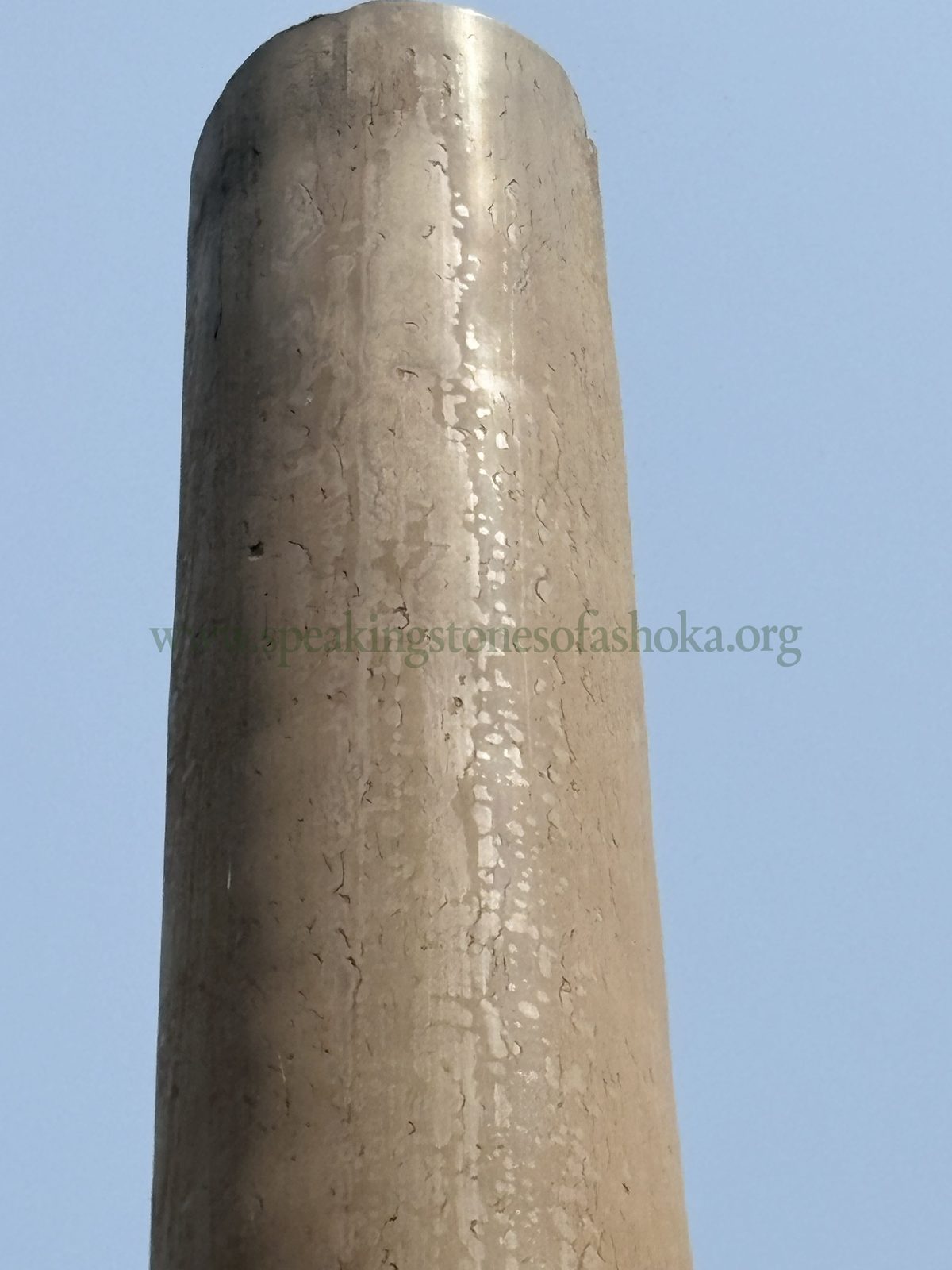
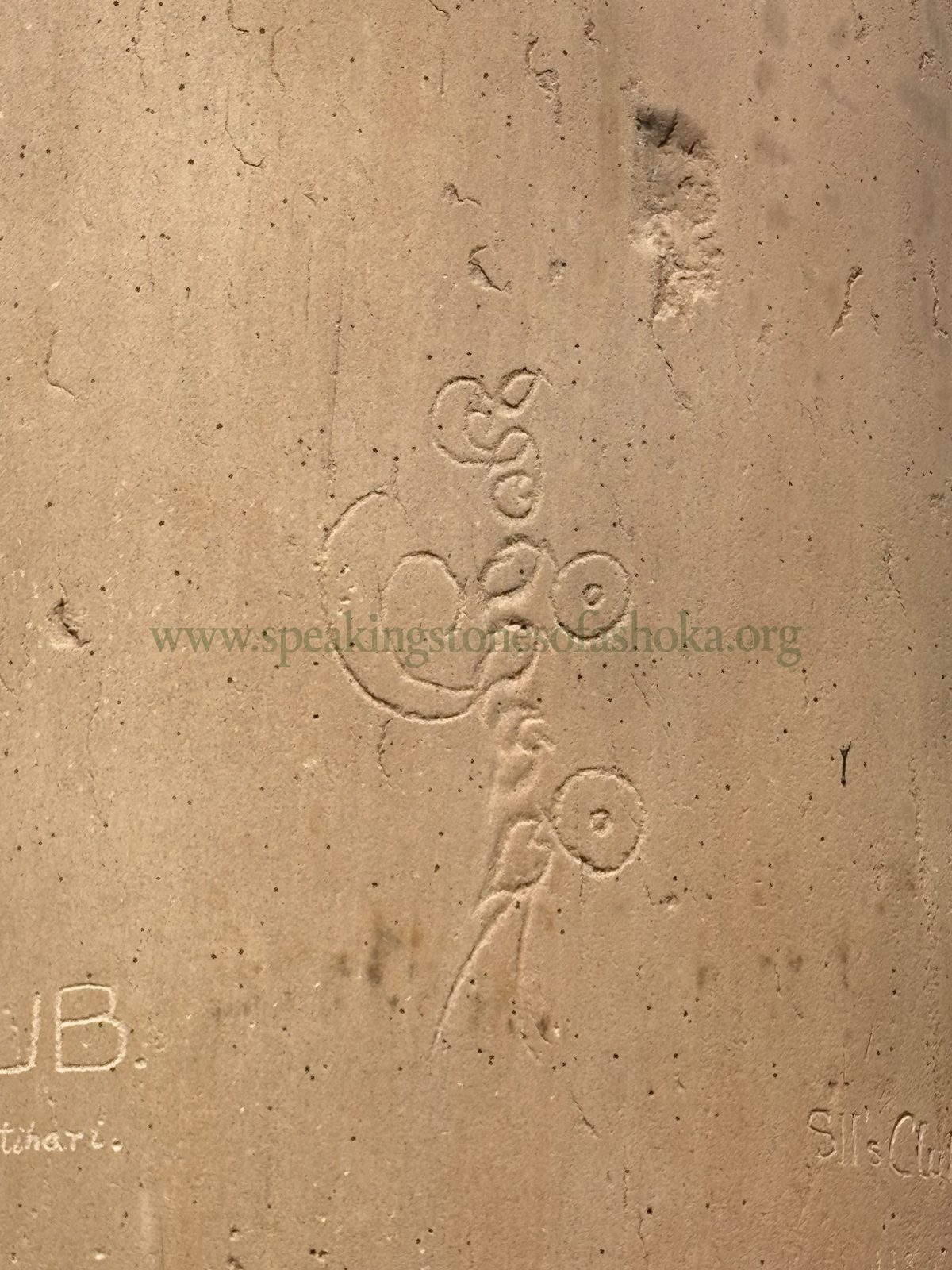
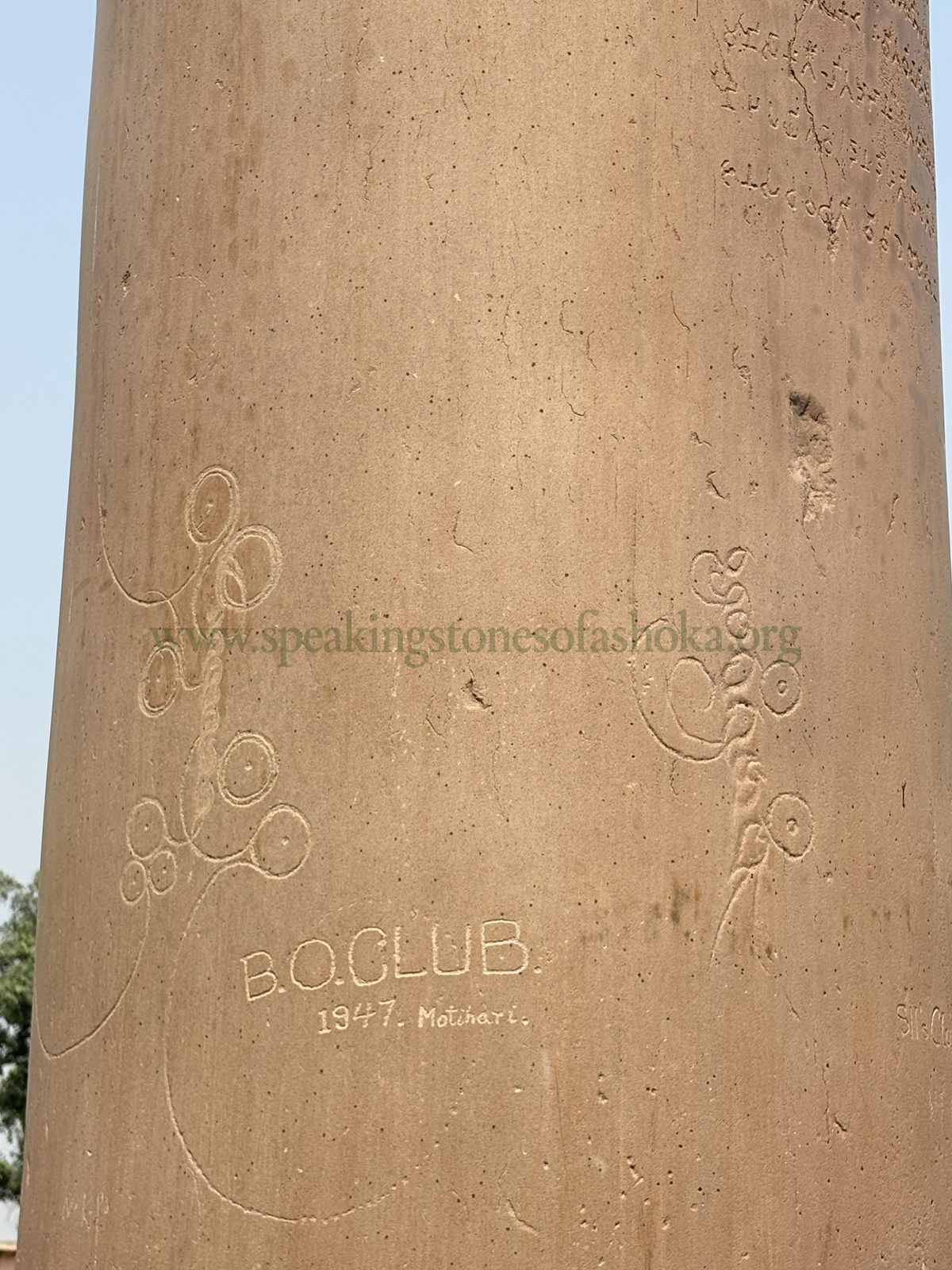
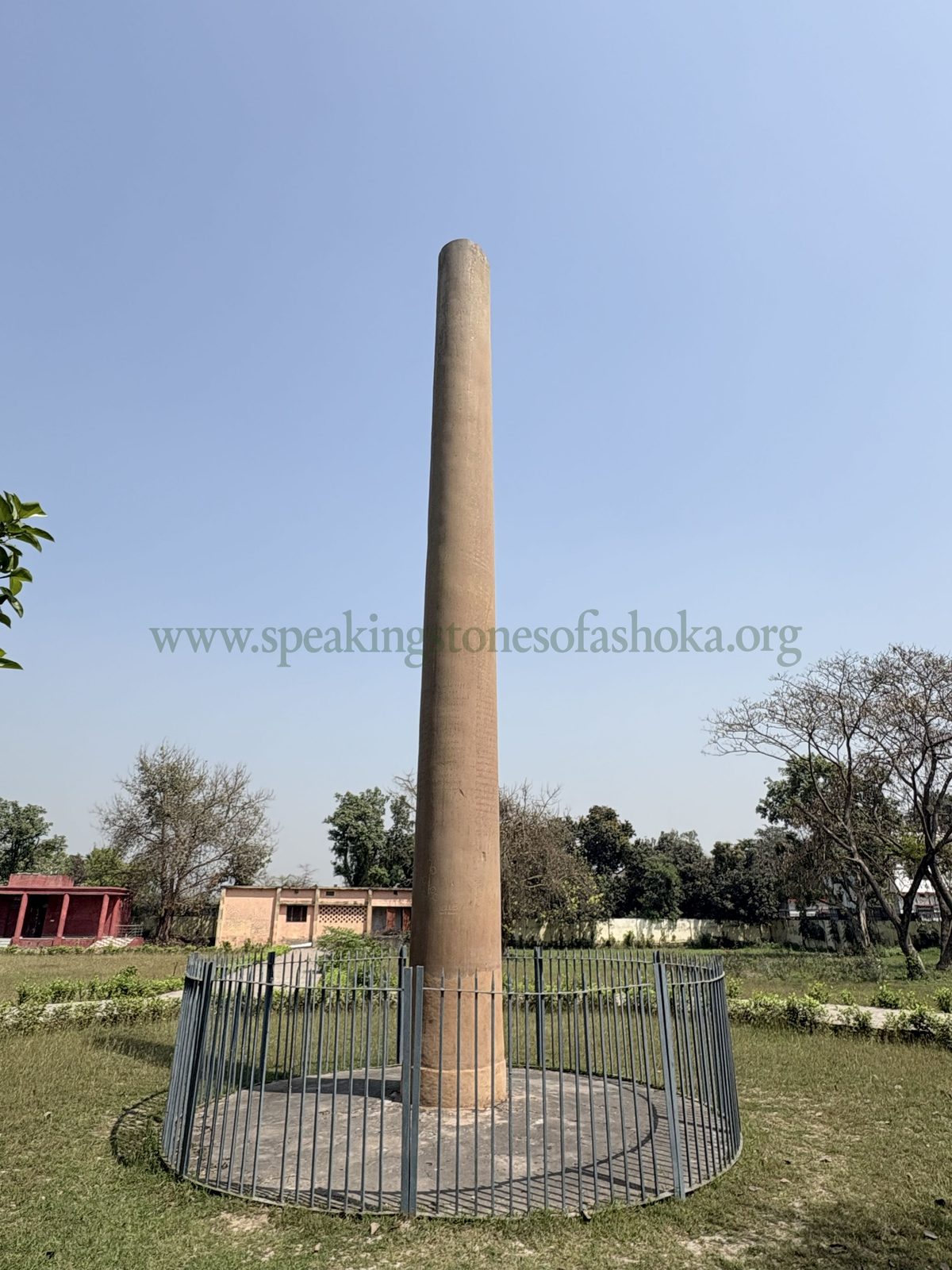
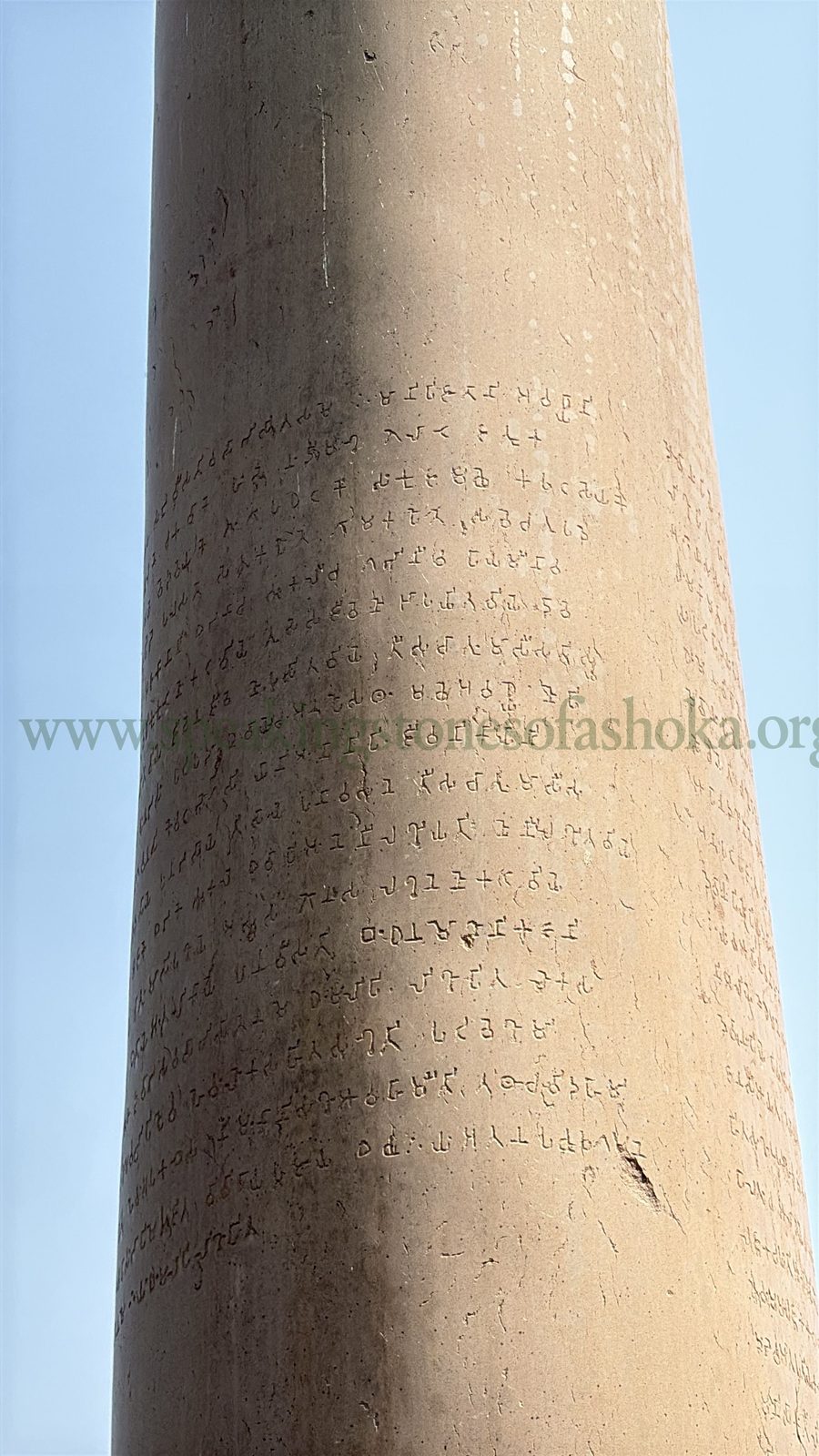
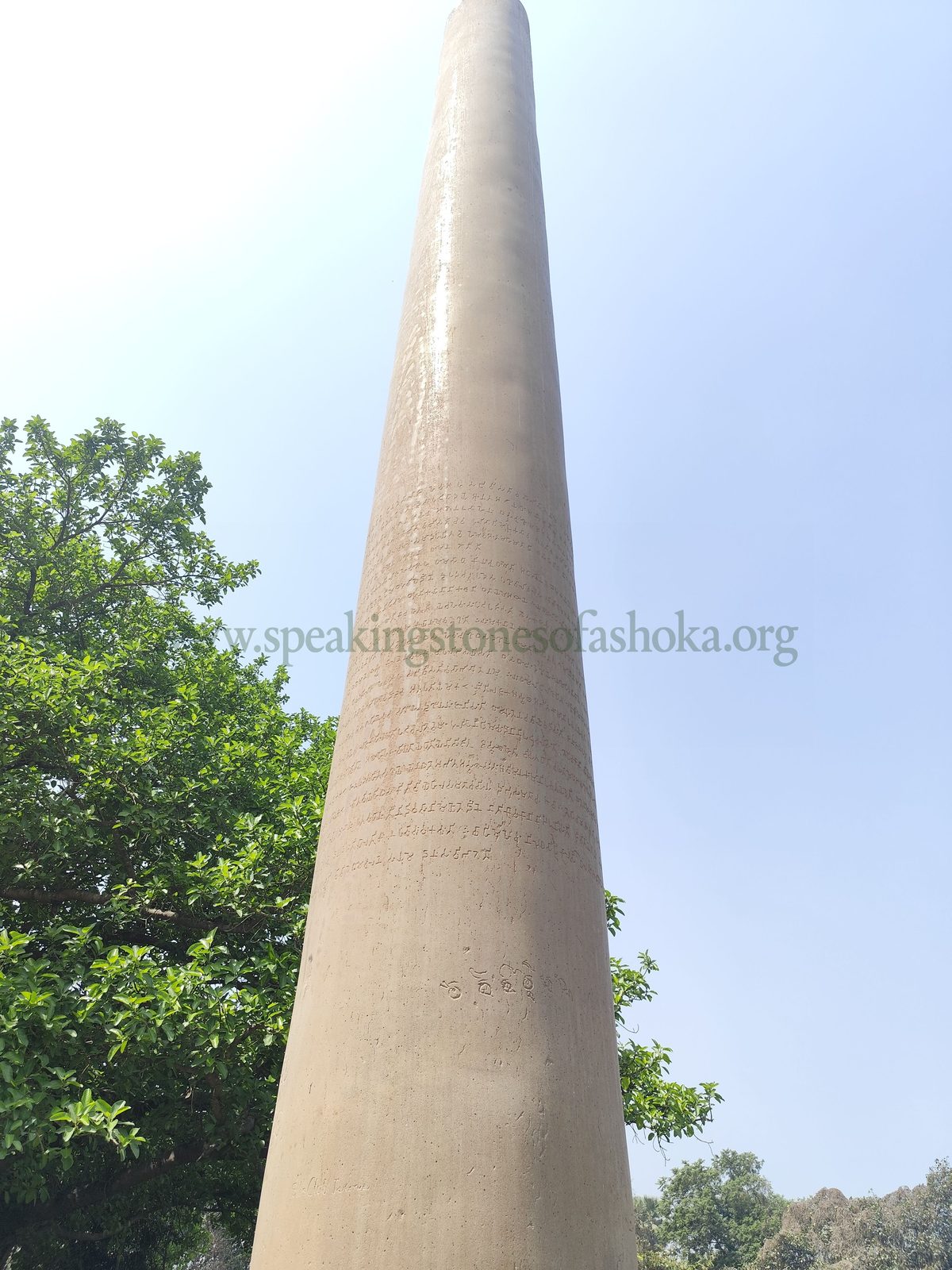
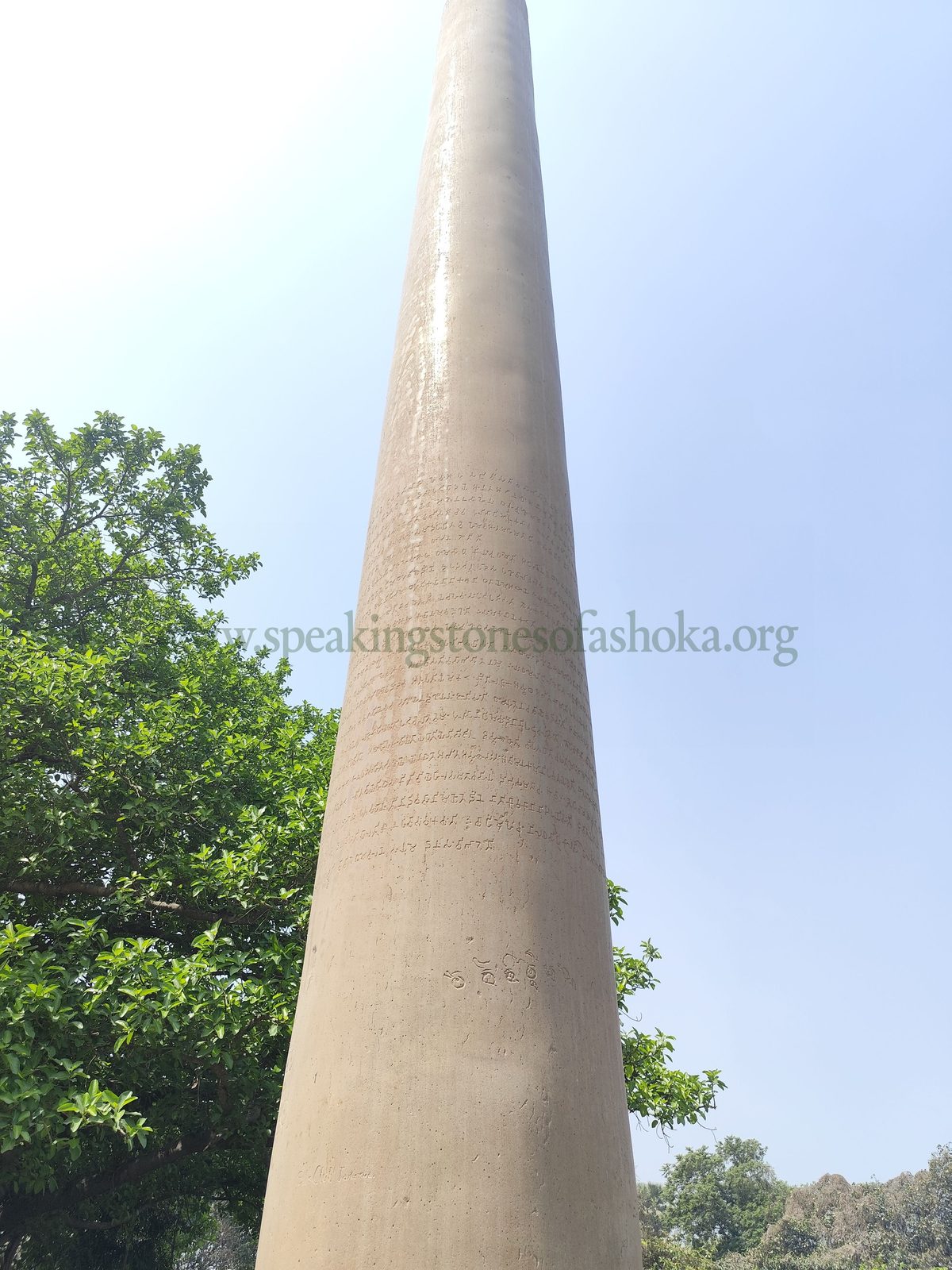
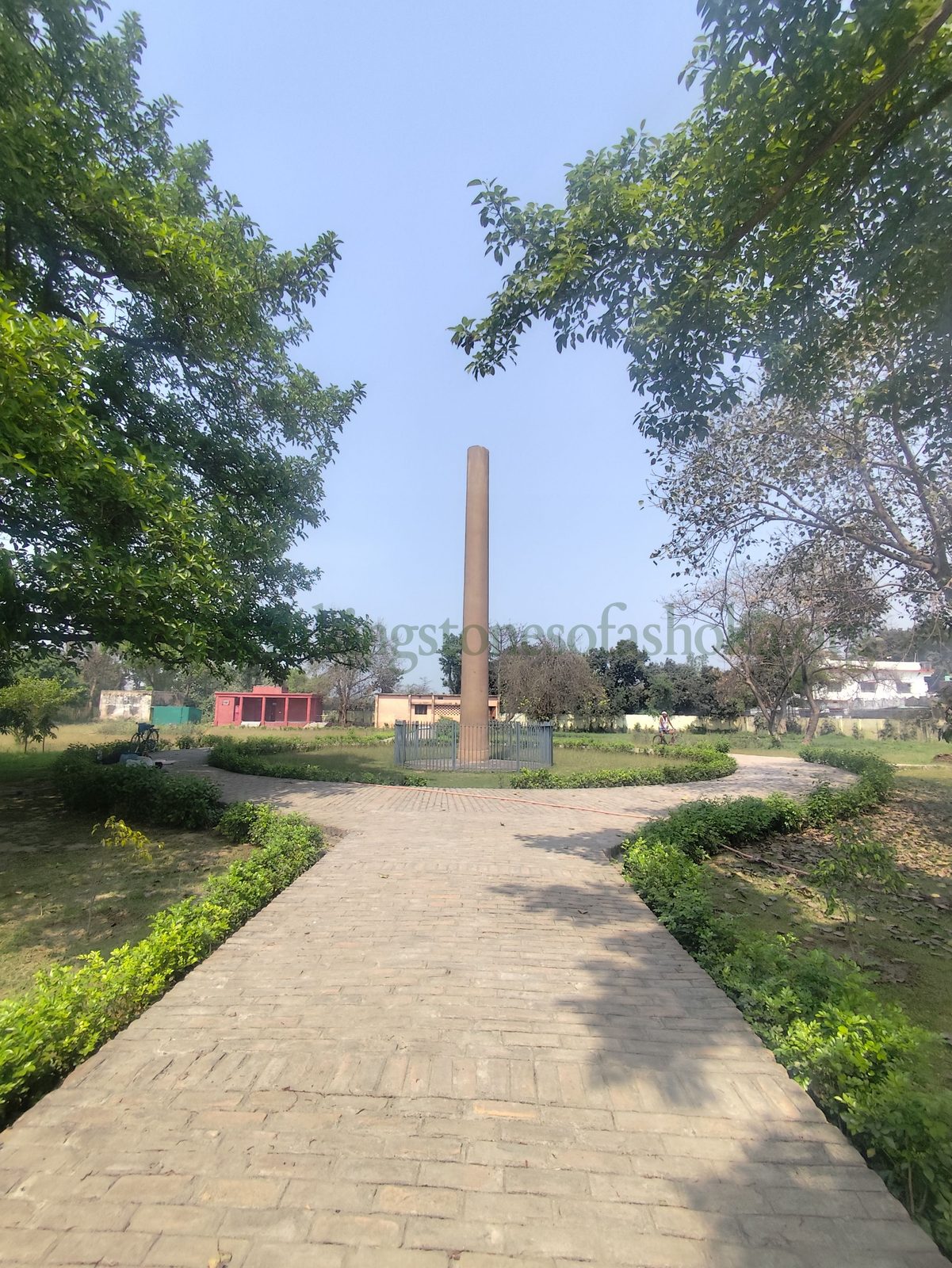
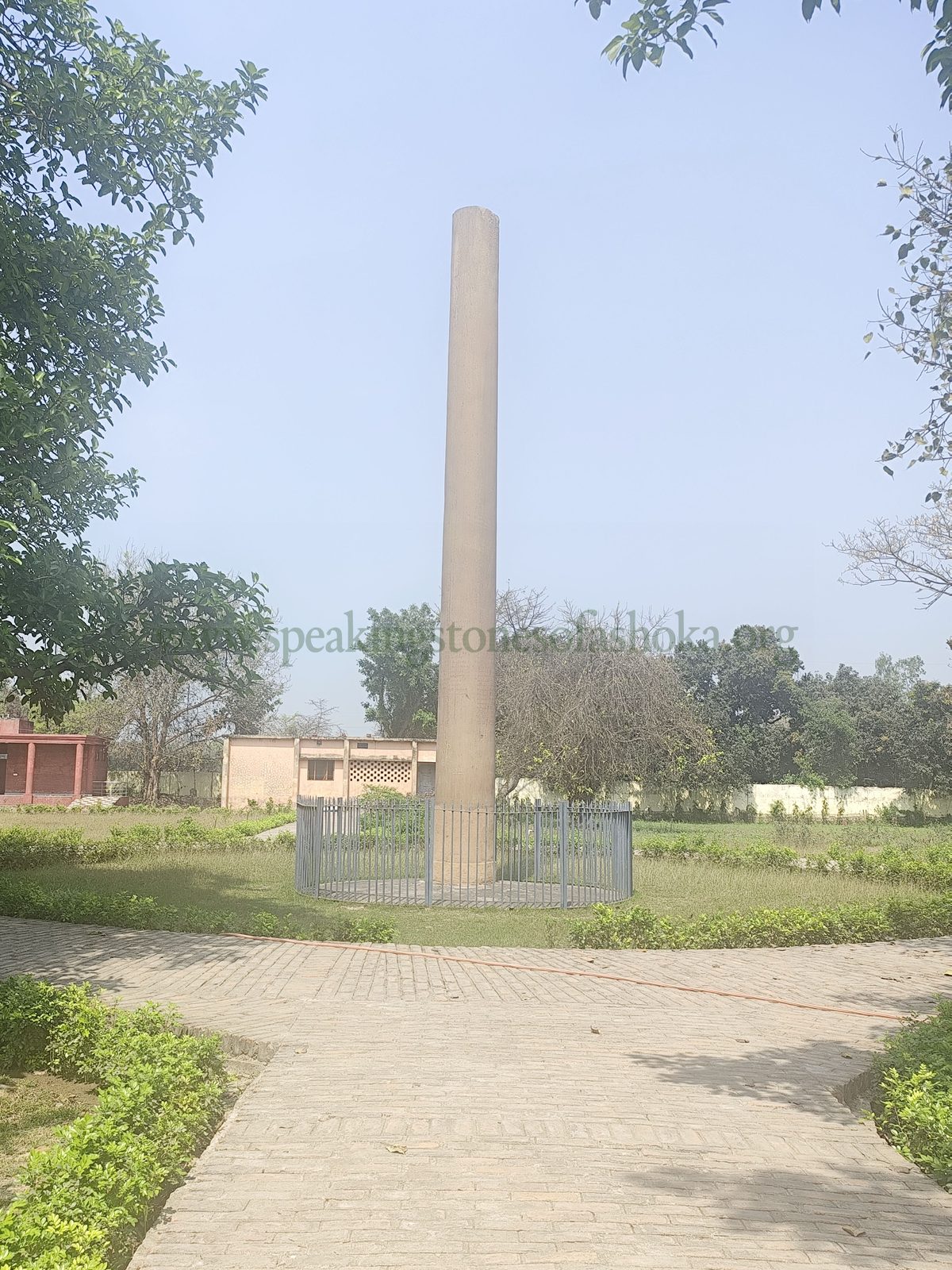
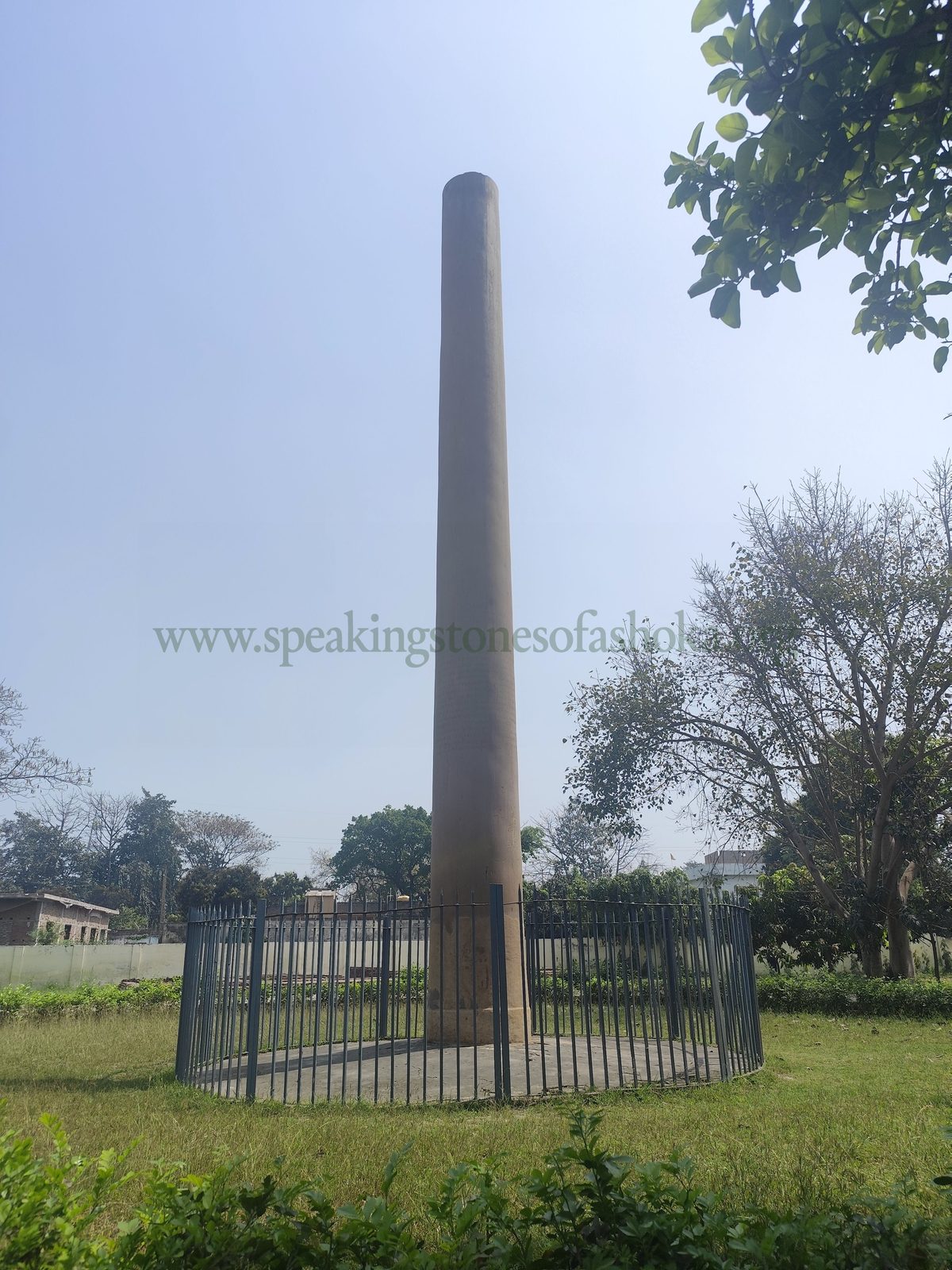
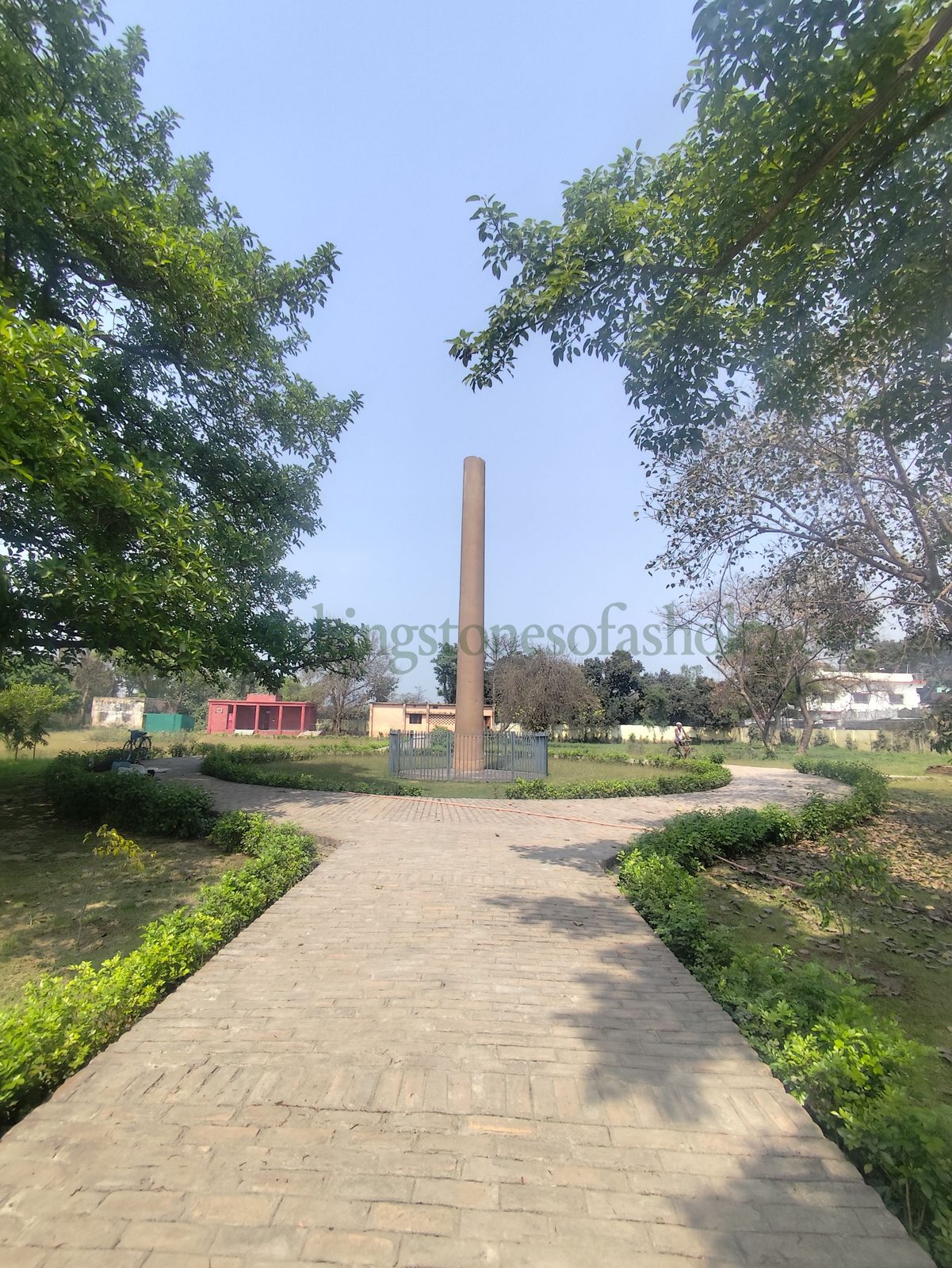
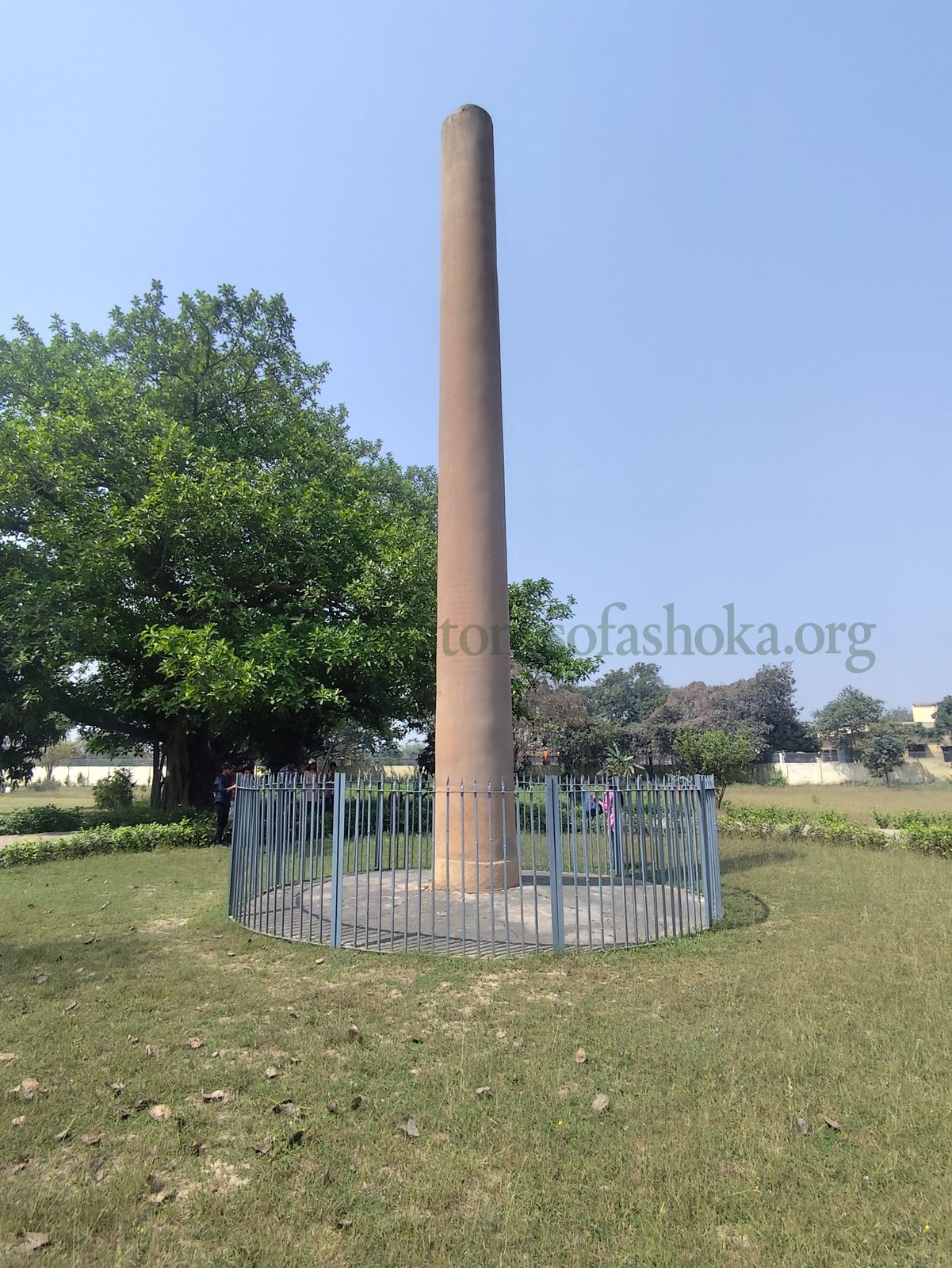
Lauriya Areraj: The site is situated about 38 km north from Patna and 26 km west from Motihari in the district of East Champaran in Bihar.The village Lauriya is famous for the inscribed Aśokan Pillar. The pillar is situated close to the east of the village and is locally called as Laurbaba. According to Falk in 1758–1769, while Padre della Tomba was aresident Capuchin missionary at Bettiah, hevisited two pillars, copied some of theirinscriptions and sent them to the HinduAcademy of Benares. Although he seems to have noted their situation faultily, there can be no doubt that the Areraj pillar was seen by him. In 1784 Mr. Law had contributed a paper in the meeting of Asiatic Society of Bengal giving a "Short Account of Two Pillars to the North of Patna". This account was perhaps of a cursory nature, and was therefore neither published nor preserved in archives of society. It is not known whether he then referred to the pillar at Lauriya Areraj or not.The pillar was first brought to notice of Scholars by B.H Hodgson. In 1834 he sent a note to James Princeps, with drawing of the pillar, its measurements and its transcription which was published with his comments thereon in the year 1835. Here the pillar is mentioned as Radhia or Sarun Lath, after a village, named Radhia, Raharia or Rurhea, about 4 km to the north west of the pillar and it was situated in the then district of Sarun(We came to know about this from James Prinsep's article of The Journal of Asiatic Society of Bengal, Vol-IV).This pillar is a single block of polished sandstone. According to Hultzch it bear the first six edicts, the first four on the east face and the last two on the west face.The pillar also has a few letters of Shell characters. No capital was found with the pillar. In 1861-62 Cunningham visited the site and renamed is as Lauriya Areraj. Excavation at the site was carried out by the Archaeological Survey of India in 2013-14. The excavation revealed the remains of a brick-built monestry to the east of the Aśokan pillar. It consists of an almost square central courtyard, surrounded by cells on all four sides and a platform in the centre. The entrance to the monestry is to the west. The central chamber on the eastern side served as a small shrine having an ambulatory. An ancient brick lined well is also present at the site to the east of the pillar. A circular structure was exposed to the west of the pillar, this might have been the base of a stupa. Another well was also found further west. The ceramic industry as well as other associated cultural remains suggest that structural activities at the site belong to the Sunga-Kushana period, i.e., 1st century bce to 3rd century ce.
Gallery
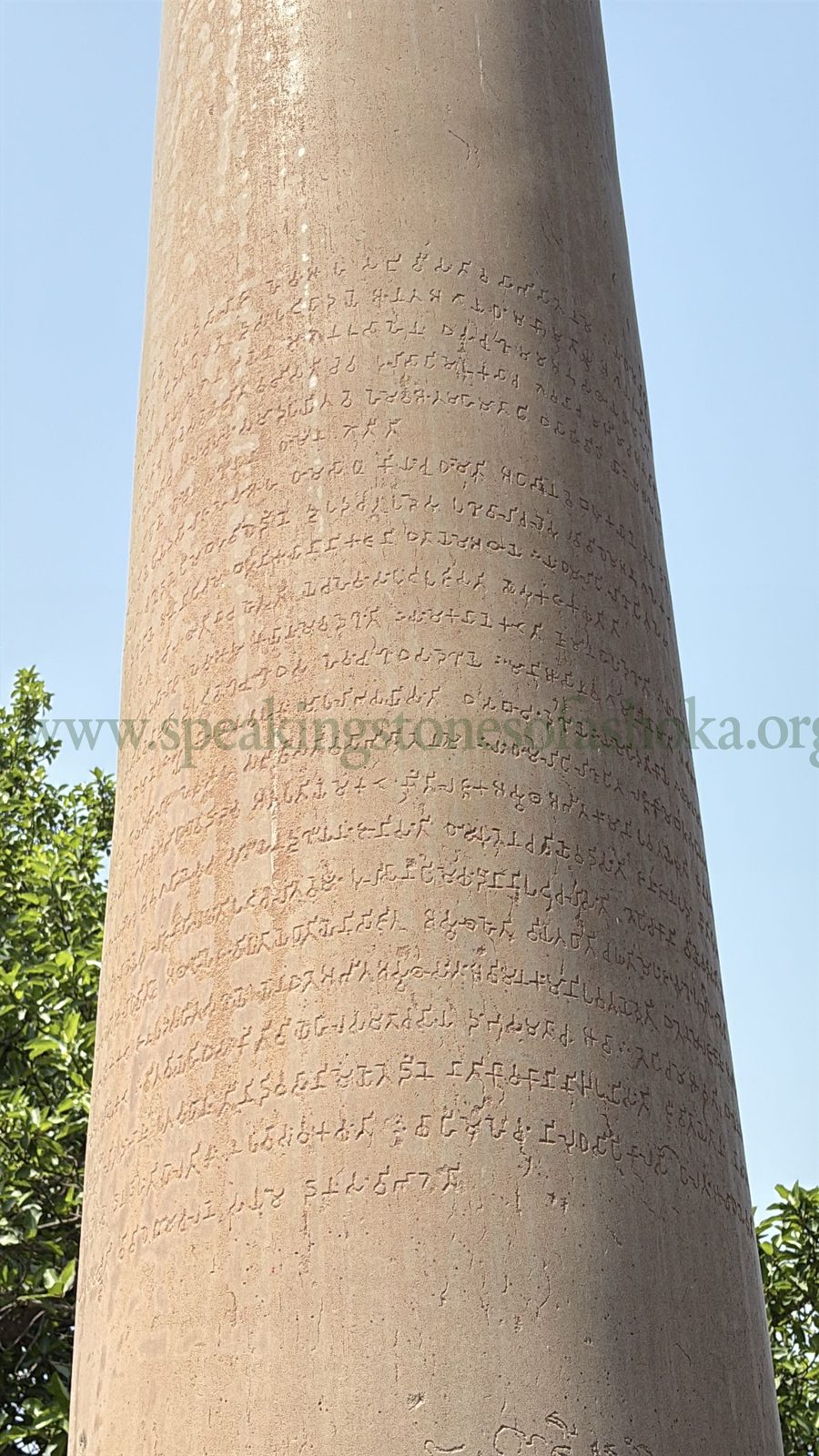
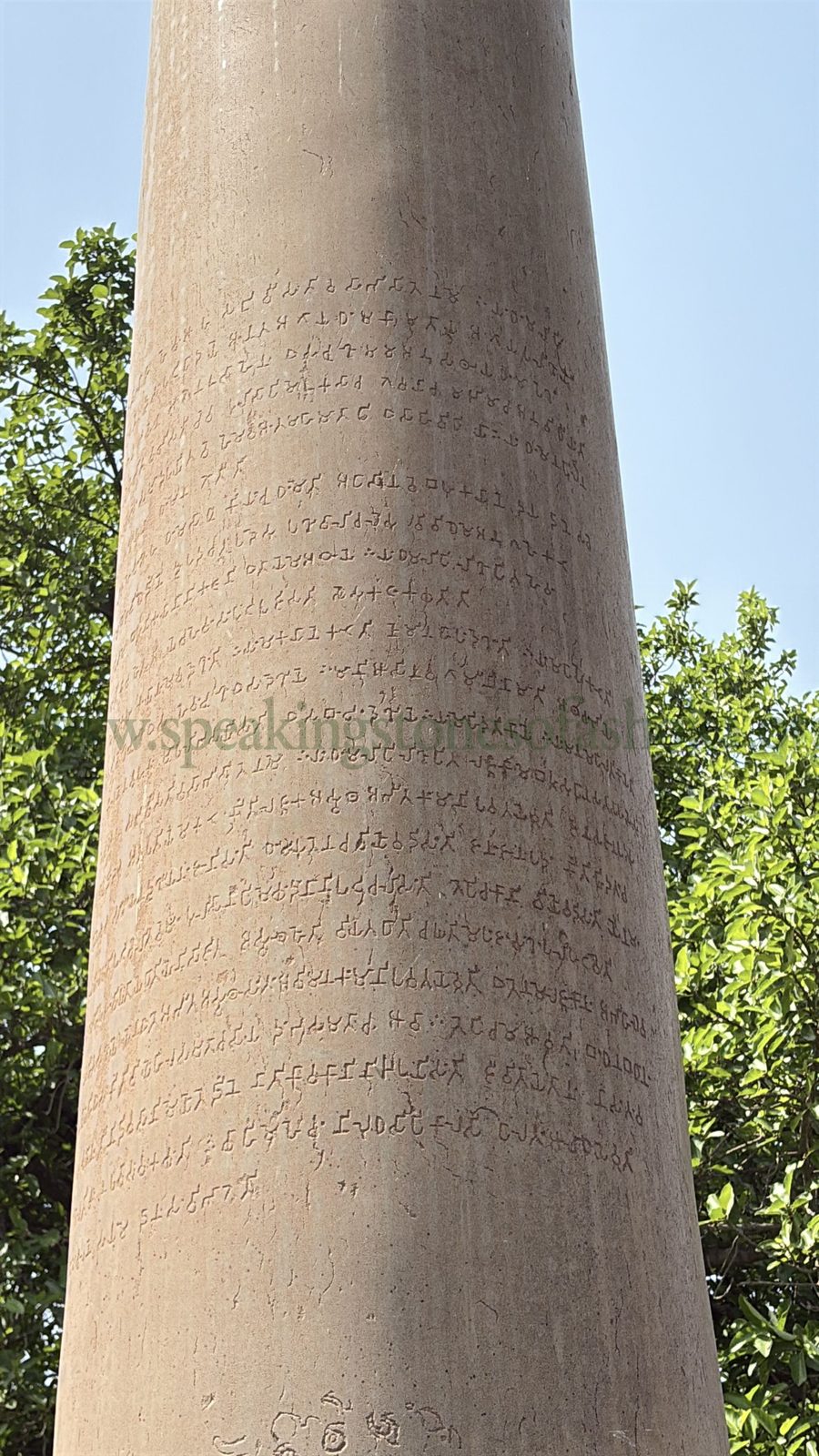
Inscriptions at this site
Major Pillar Edict I (Lauriya Areraj)
Major Pillar Edict I (Lauriya Areraj Version)
Major Pillar Edict II (Lauriya Areraj)
Major Pillar Edict II (Lauriya Areraj Version)
Major Pillar Edict III (Lauriya Areraj)
Major Pillar Edict III (Lauriya Areraj Version)
Major Pillar Edict IV (Lauriya Areraj)
Major Pillar Edict IV (Lauriya Areraj Version)
Major Pillar Edict V (Lauriya Areraj)
Major Pillar Edict V (Lauriya Areraj Version)
Major Pillar Edict VI (Lauriya Areraj)
Major Pillar Edict VI (Lauriya Areraj Version)