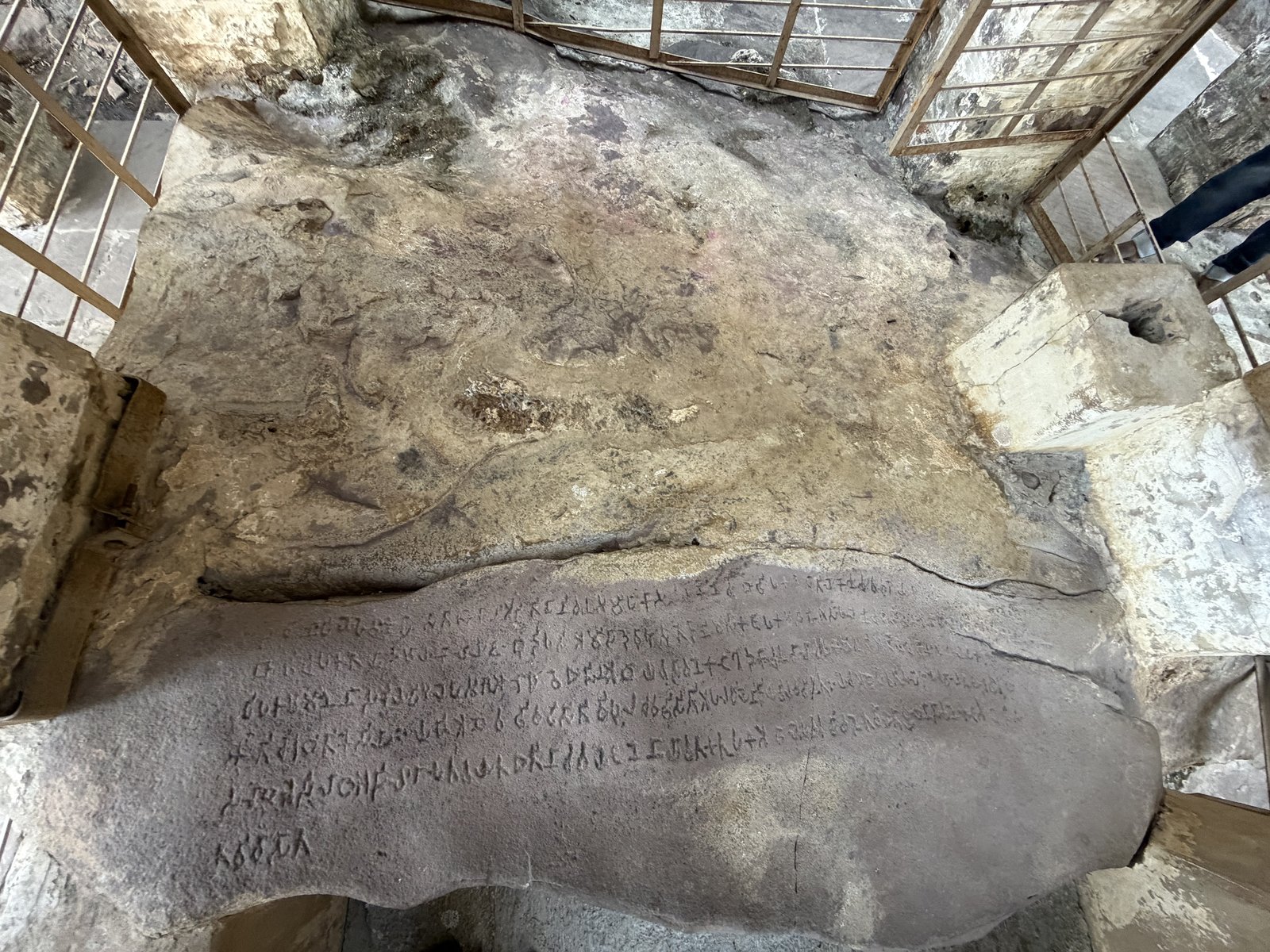
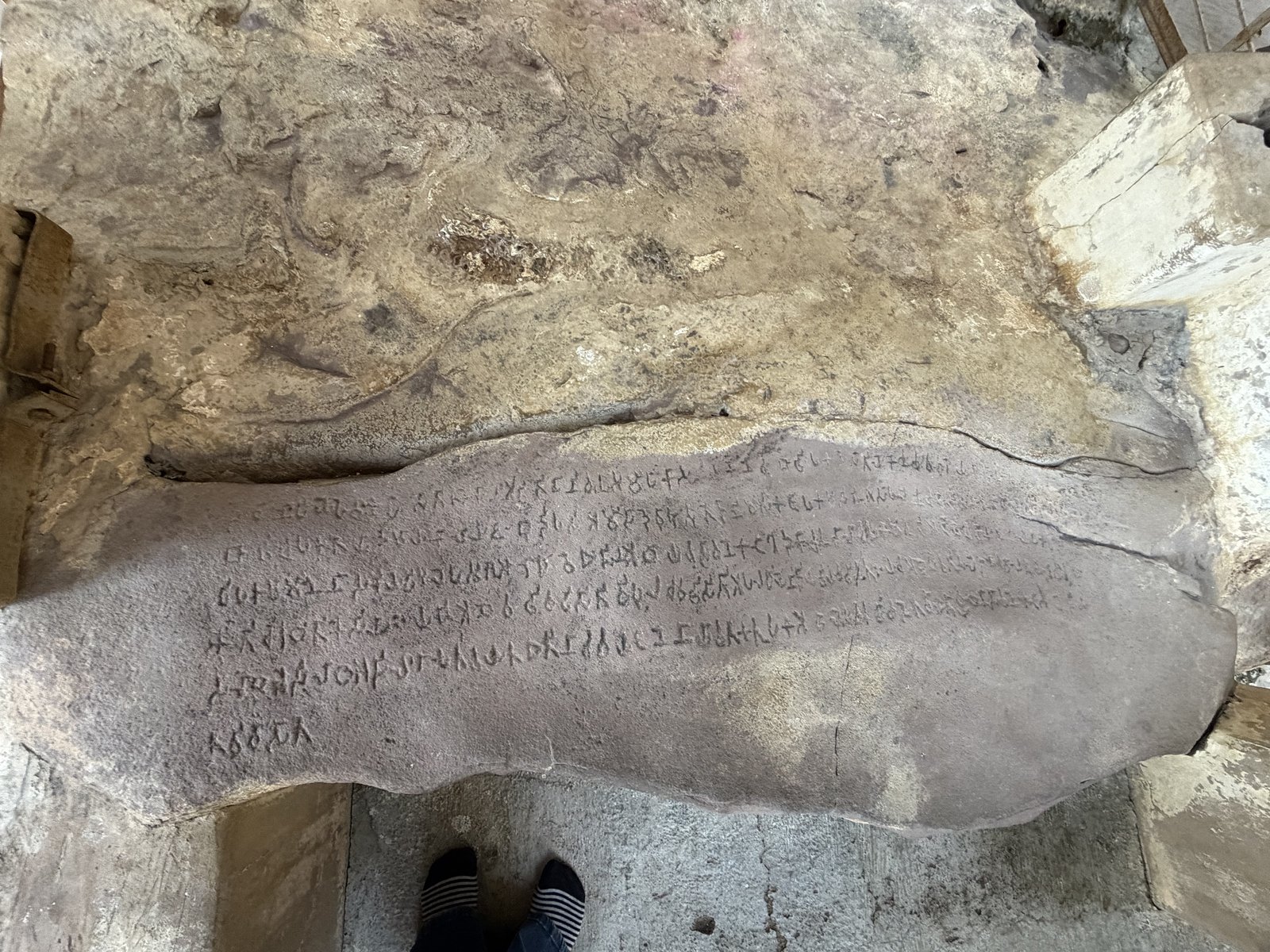
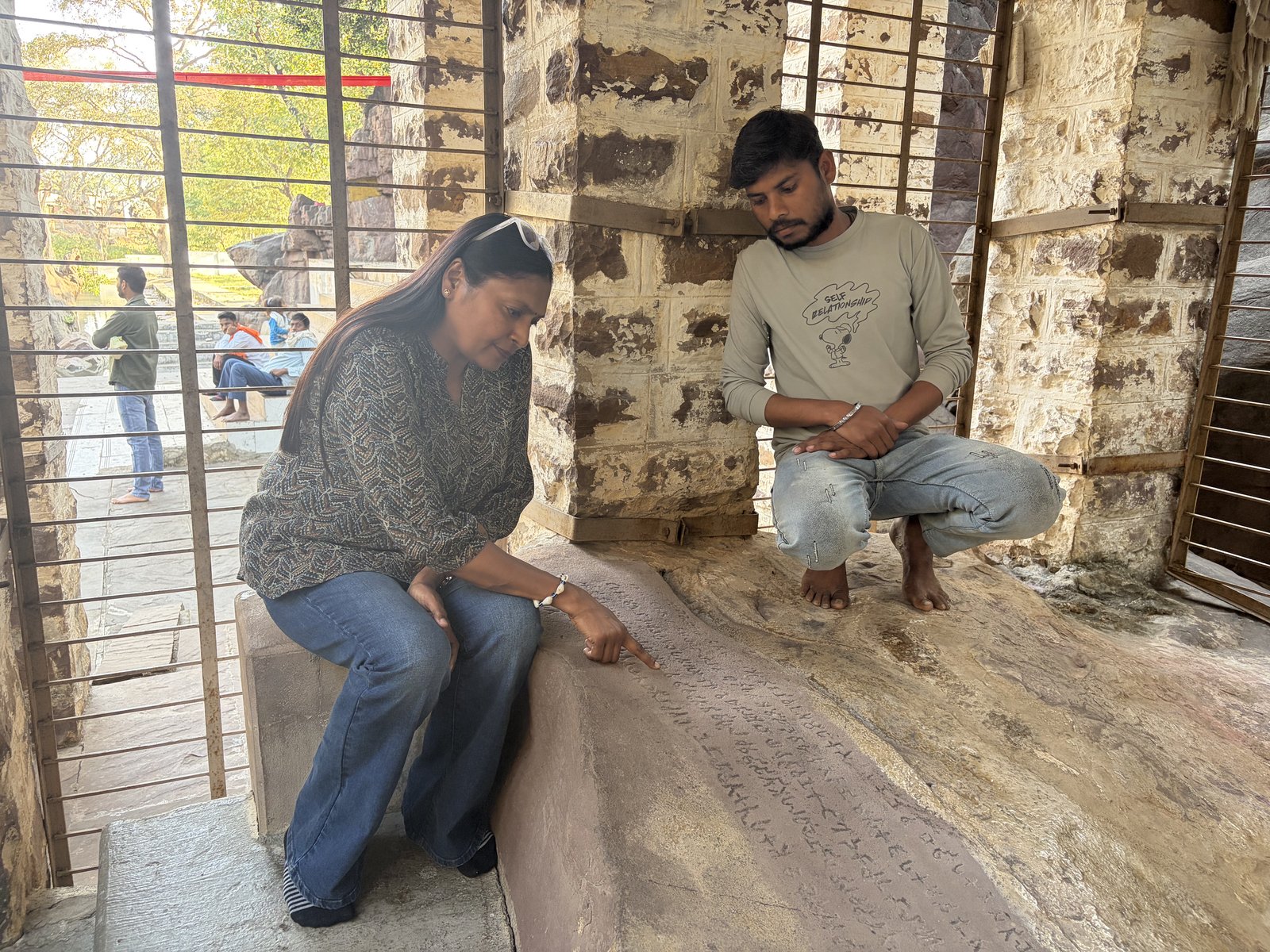
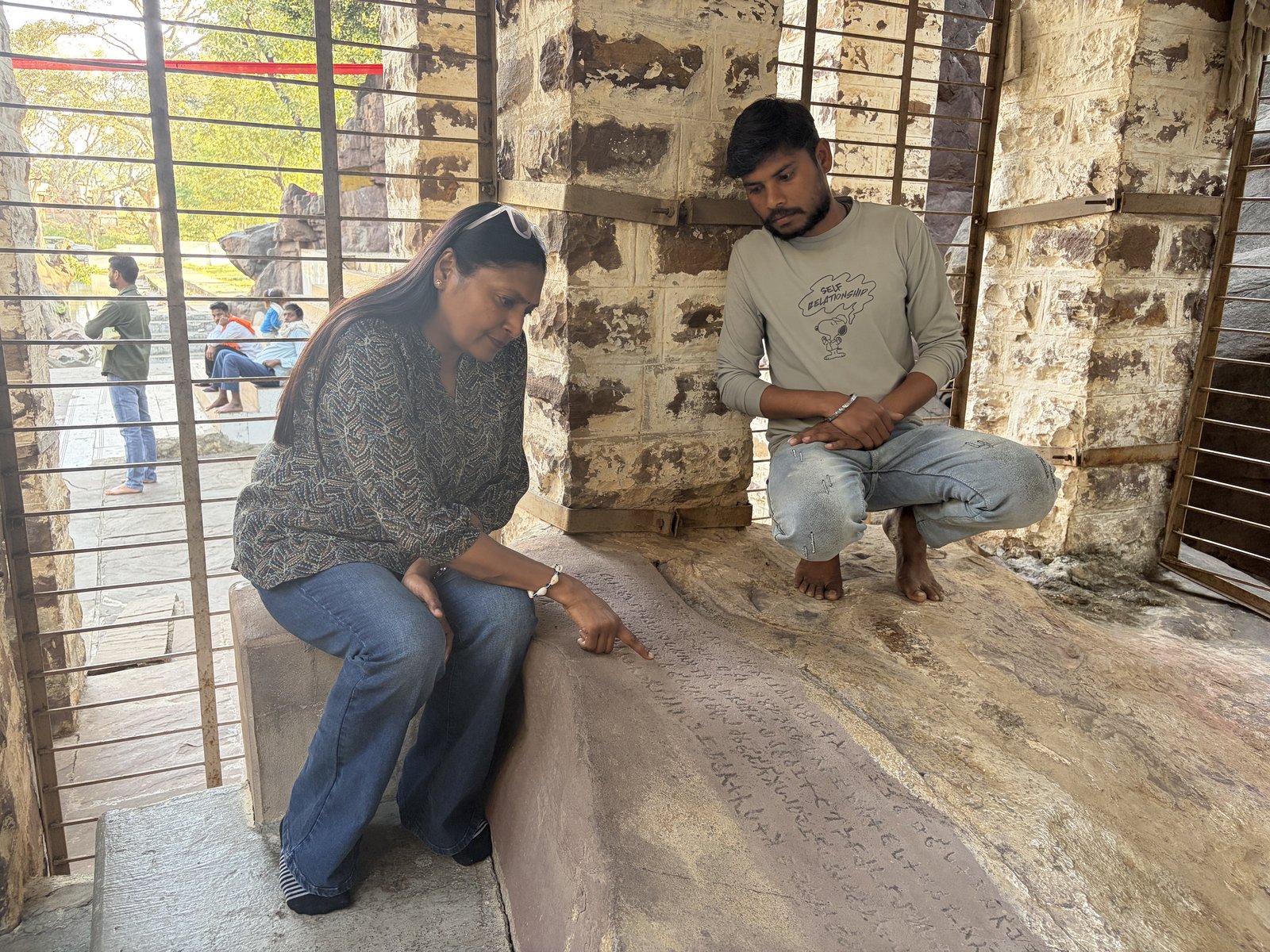
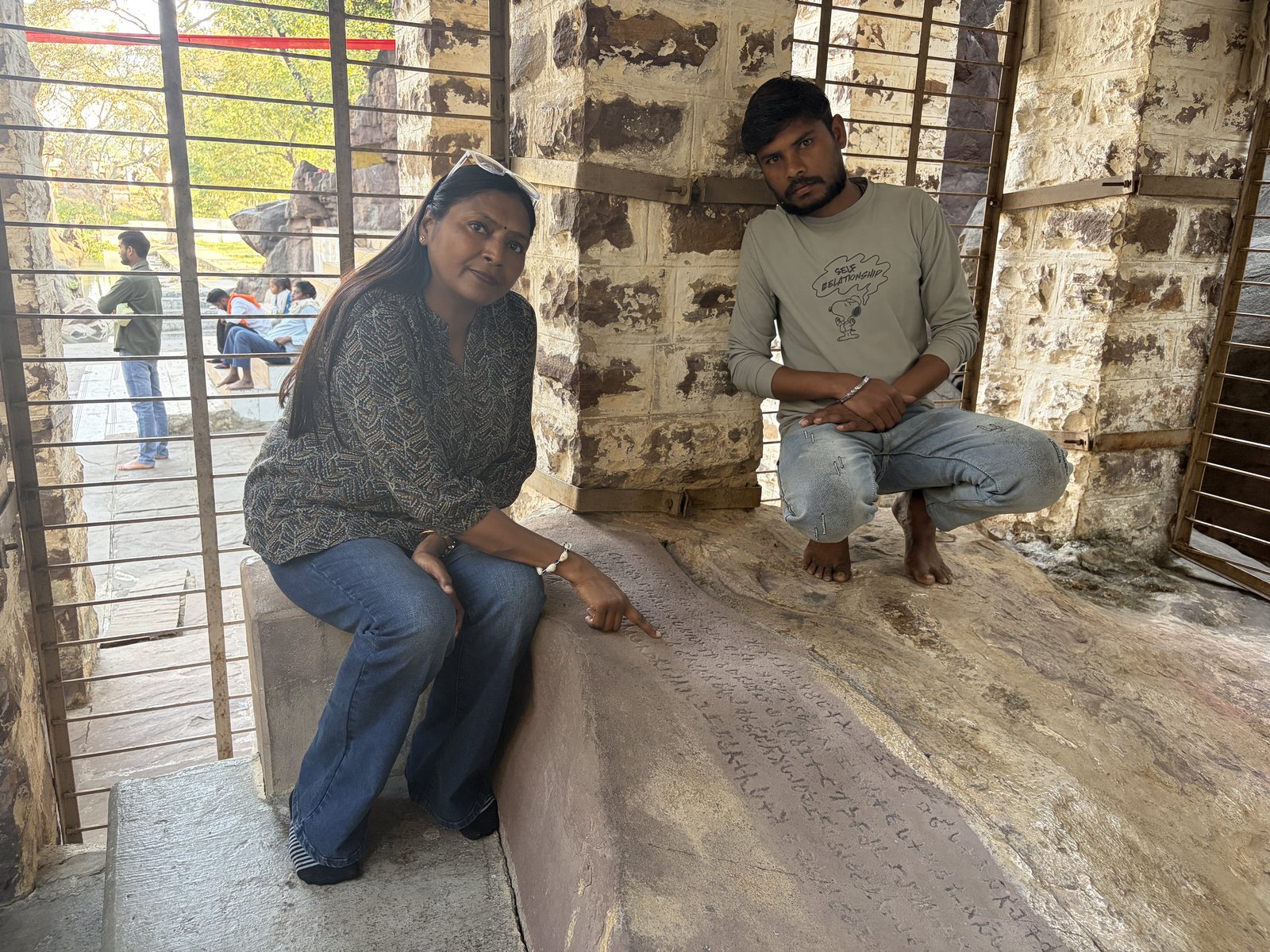
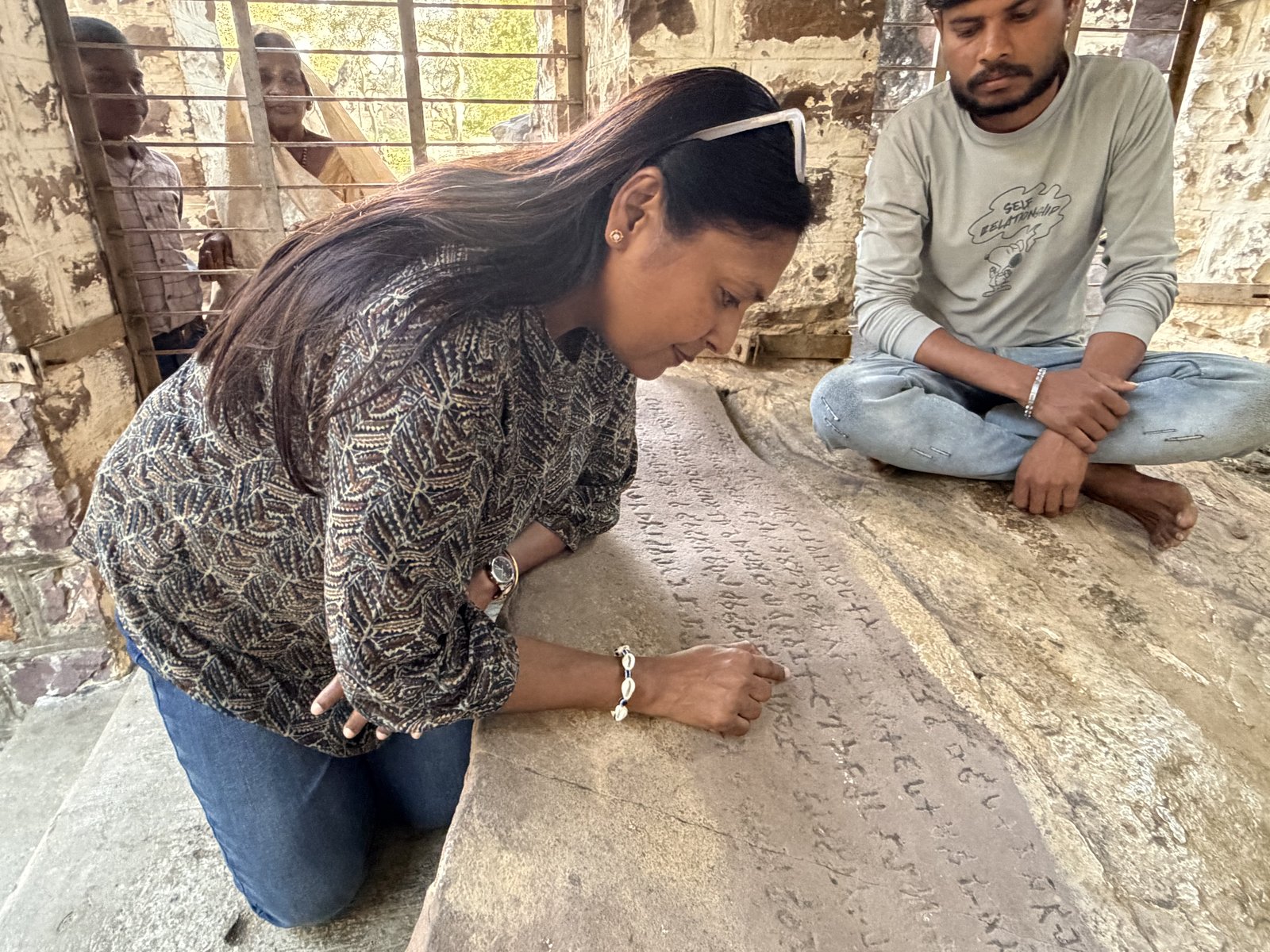
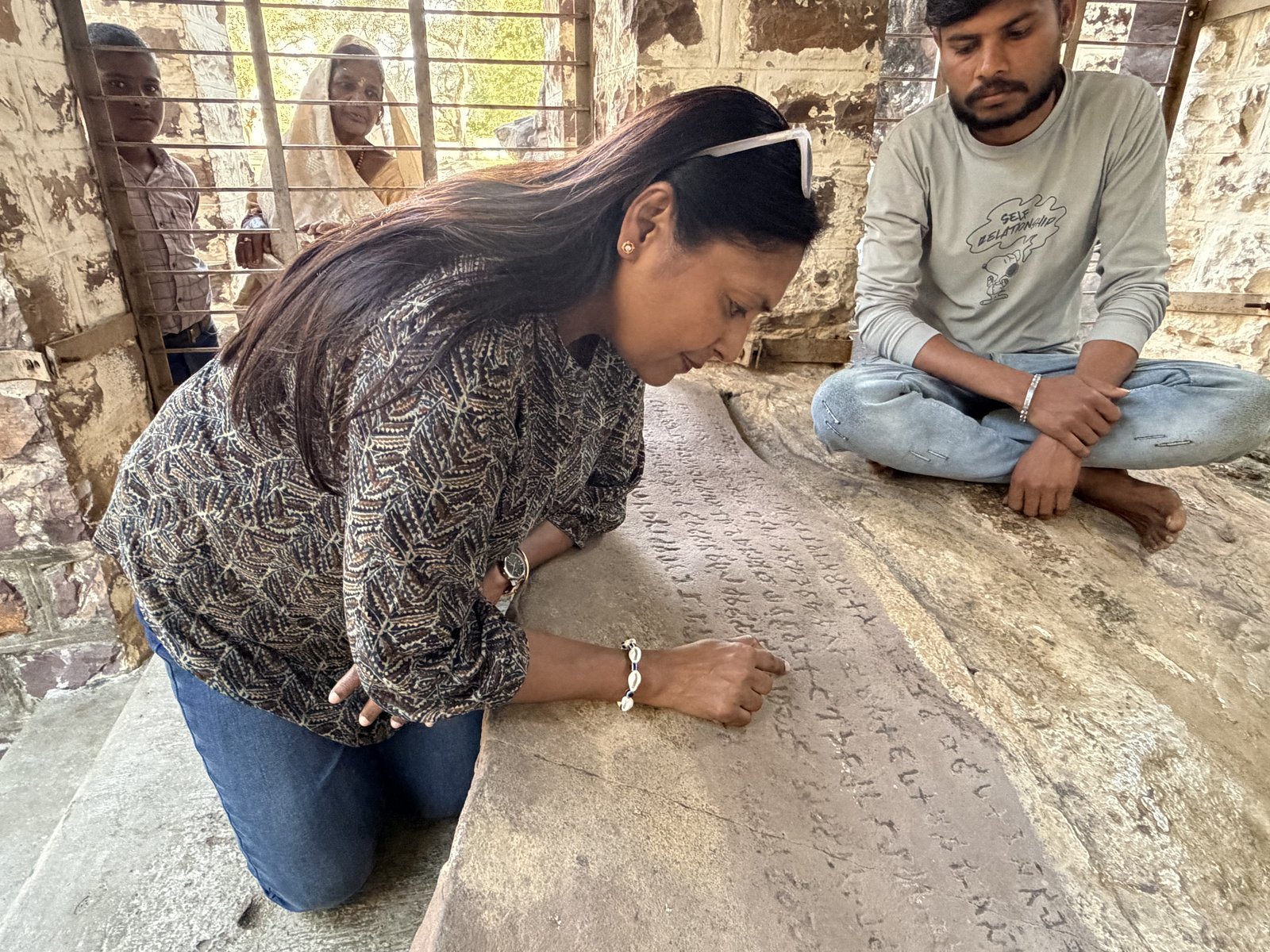
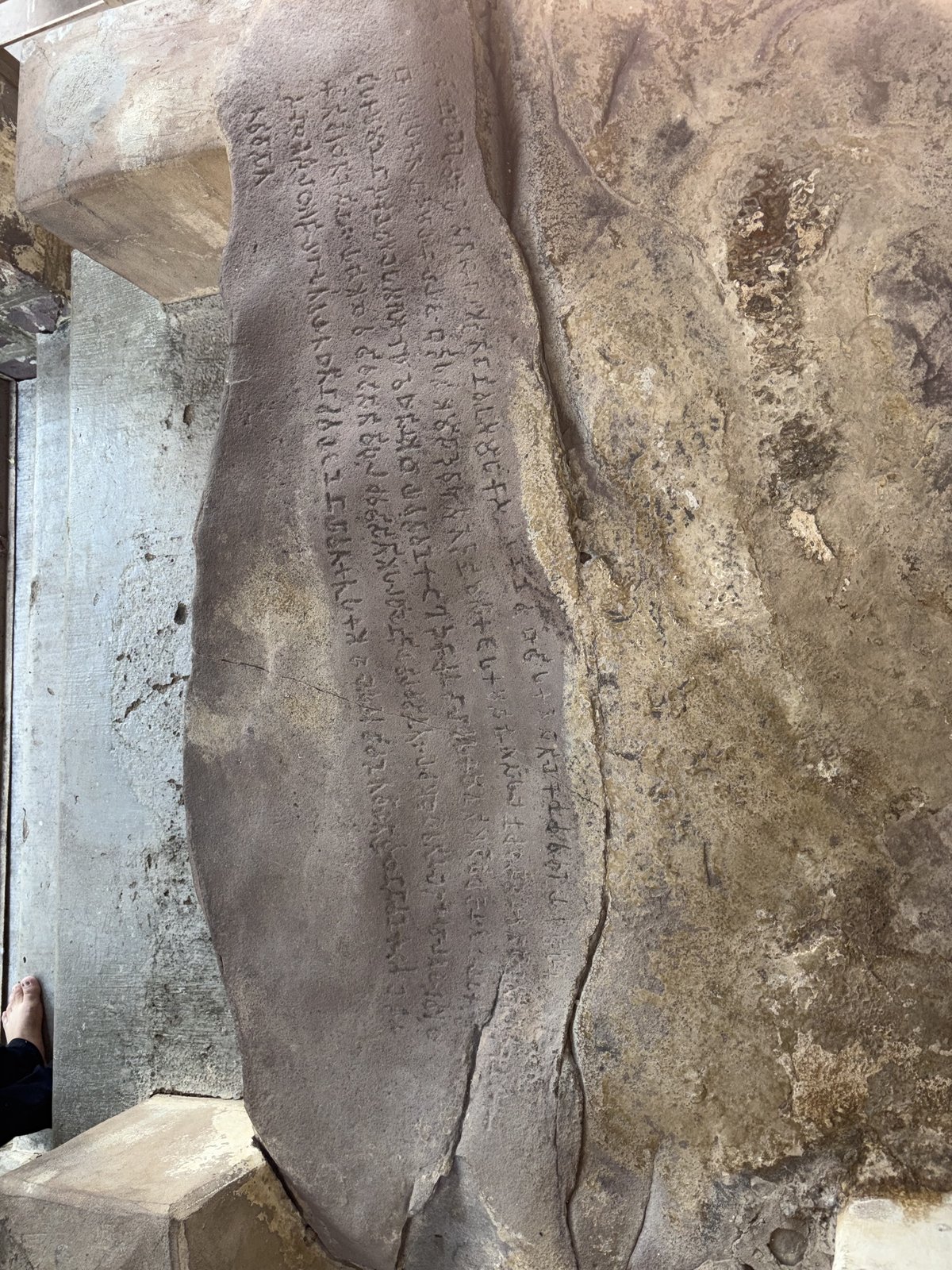
Discovery of Rupnath
Discovery:
First found and imperfectly copied by a servant of Colonel Ellis for the Bengal Asiatic
Society in the 70s of the 19th century (after R.K. Mookerji 1962: x).
Preservation:
Rather good even after prolonged use as a seat at the ghåt
Measurements:
130 x 25–29 cm on the lower extreme end ofa flat rock measuring 170 x 300 x 80 cm. The ak¹aras are of the one-inch type.Orientation:The slab is oriented east-west, the writing facing north at the southern end of the lowest lake.Presentations of the text:
Eye copy: Cunningham 1877: pl. XIV.Rubbing: Bühler 1877: 156, 1893a (new);Hultzsch 1925: 166; P彯eya 1965: pl. 26;Office of the Chief Epigraphist, Mysore,negative no. 5511. Photography: Upadhyay 2005: pl. 1.Editions: Cunningham 1877: 95; Bühler1877: 156f., 1878, 1893a; Senart 1884a:449–451; Lévy 1896; Fleet 1909: 1013f.;Bhandarkar & Majumdar 1920: 93–97;Woolner 1924: 32–37; Hultzsch 1925:166–169; Bloch 1950: 145–150; Eggermont
Rupnath and Sahasram edicts must be considered
the earliest of all the Asoka inscriptions for two reasons • —(1) they speak of inscrip- tions on rocks and pillars as a task which it was intended to carry out, and not as
a fin/ atiomp/t ; h (2) they, and the three Mysore records, contain the first elements of Asoka’s Dhauna, which wc find more fully developed in his rock- and pillar-edicts Buhler (El, * 141) believed that, as the RQpnath edict contrasts the words 'since 1 have approached the Samgha ’ with the words ‘ since I am a (Buddhist) lay-worshipper the former cannot convey any other meaning but * that he had entered the Samgha, and
had become, at least nominally, a monk ; compare the Sanskrit phrases yajham, vratam,
or byahmacharyam upa-i' But the only other testimony for such a pabbajjd is that of
Gallery