Discovery Story of Sannati
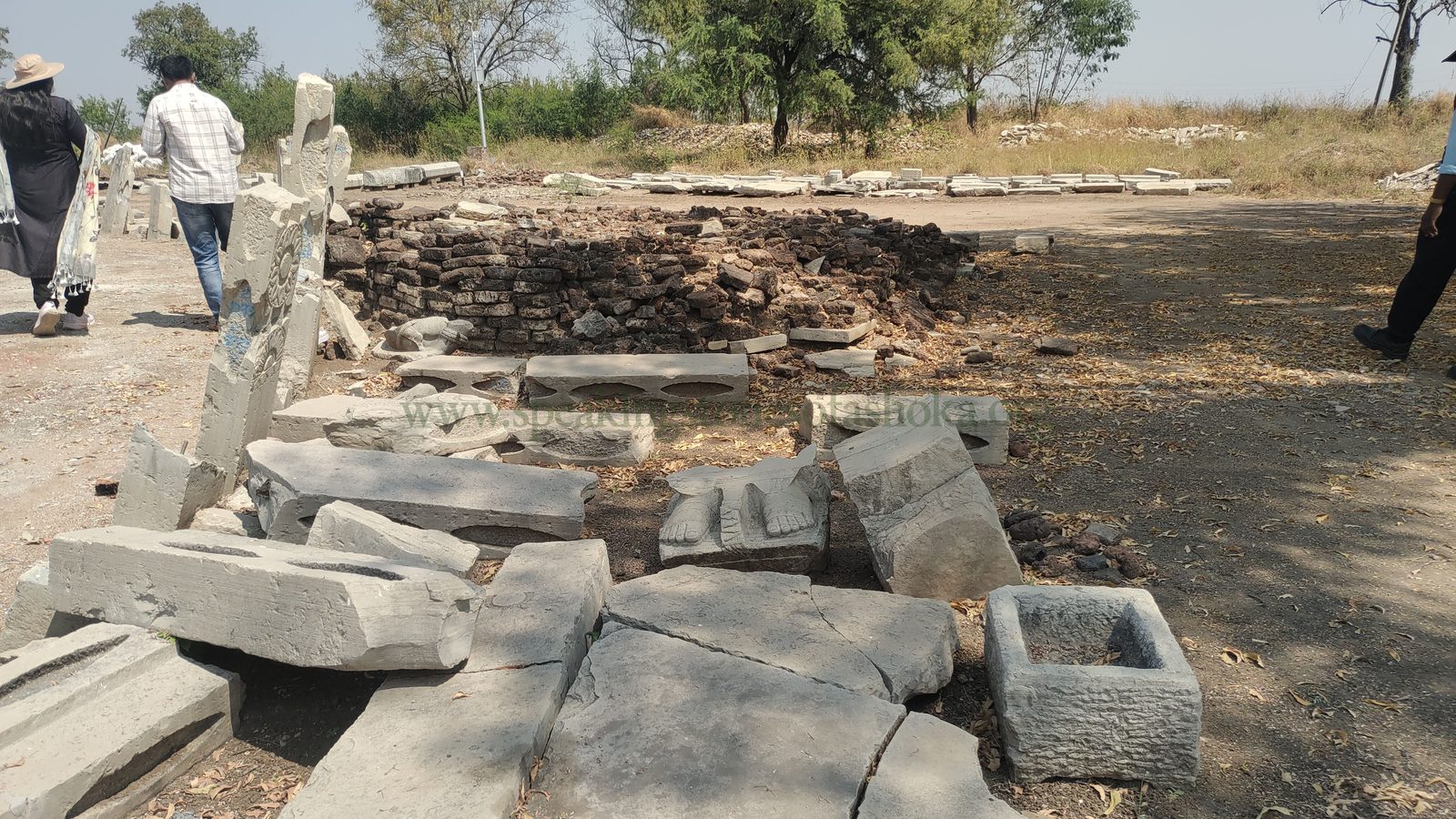
Sannati (RES XI and XIV on one side of the slab, and SRES I and II on the other side of it), Gulbarga district, Karnataka. It is located on Bhima river. Here are remains of fort datable to the Sātavāhana period. After Dhauli and Jaugada, this is the third and the last known site with Separate Rock Edicts I and II. It was discovered in 1989. (Thaplyal, Kumar. Kiran, Asoka the King and the Man. New Delhi. Aryan Books International. p. 280)
Sannati:
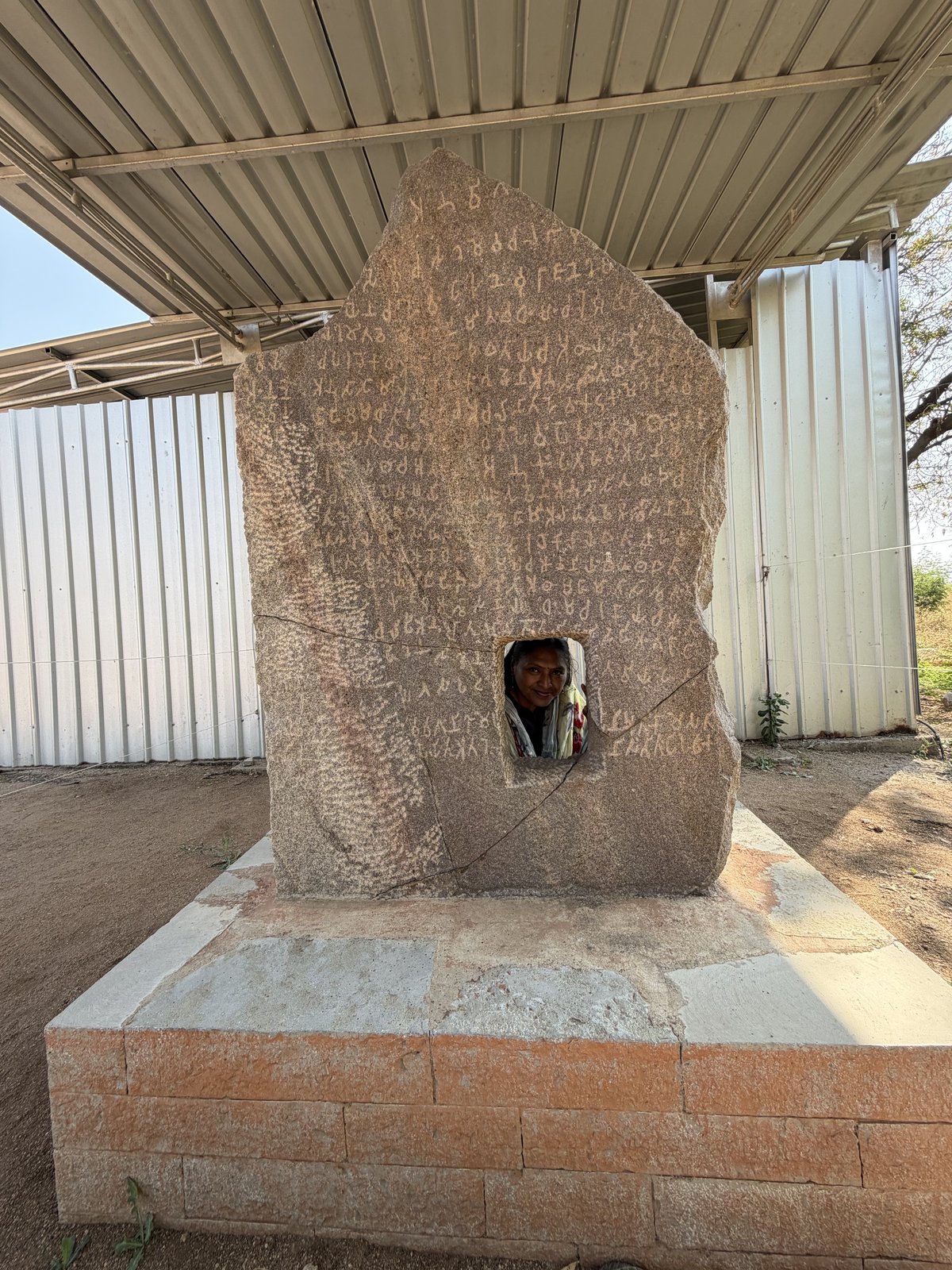
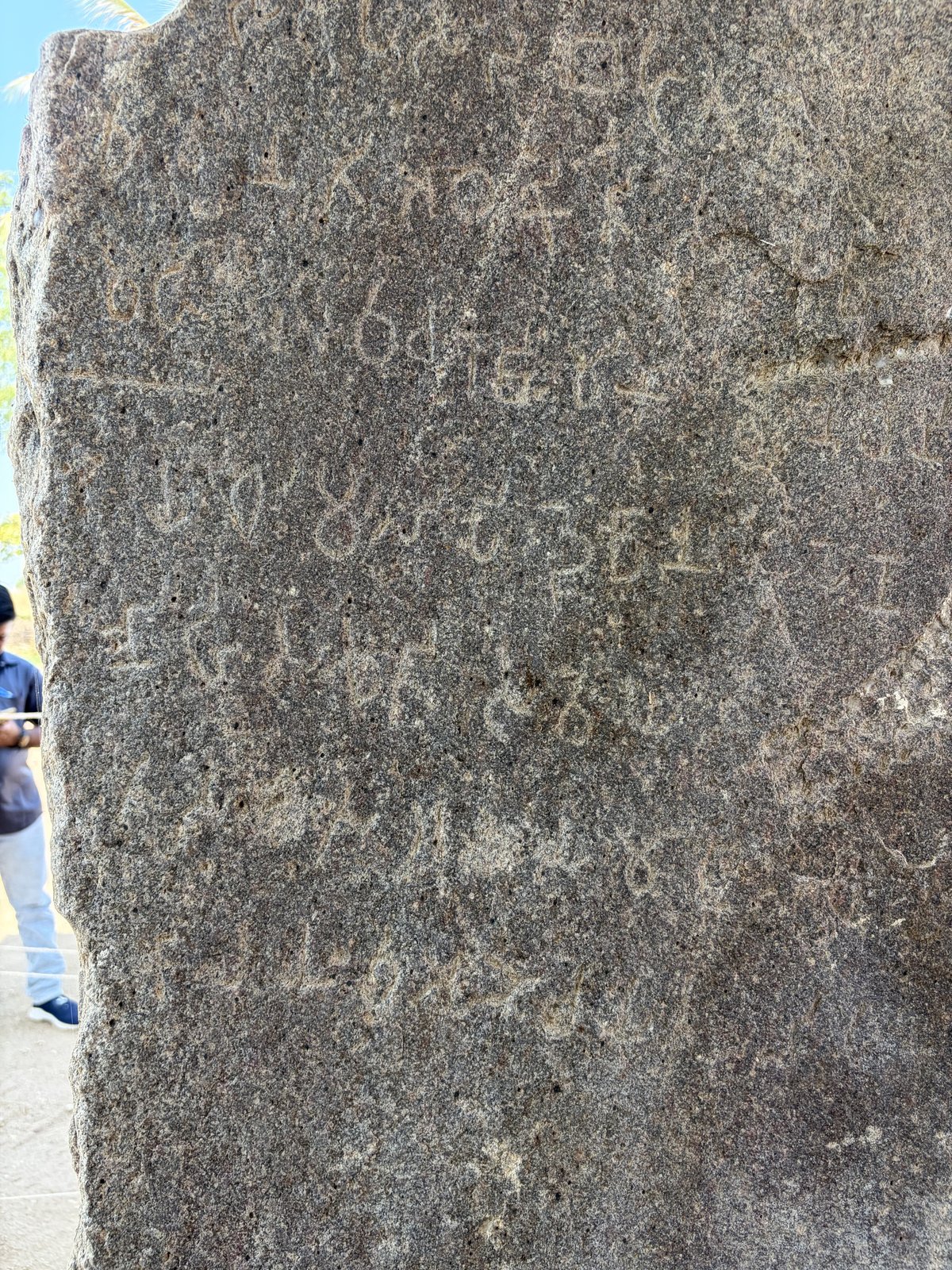
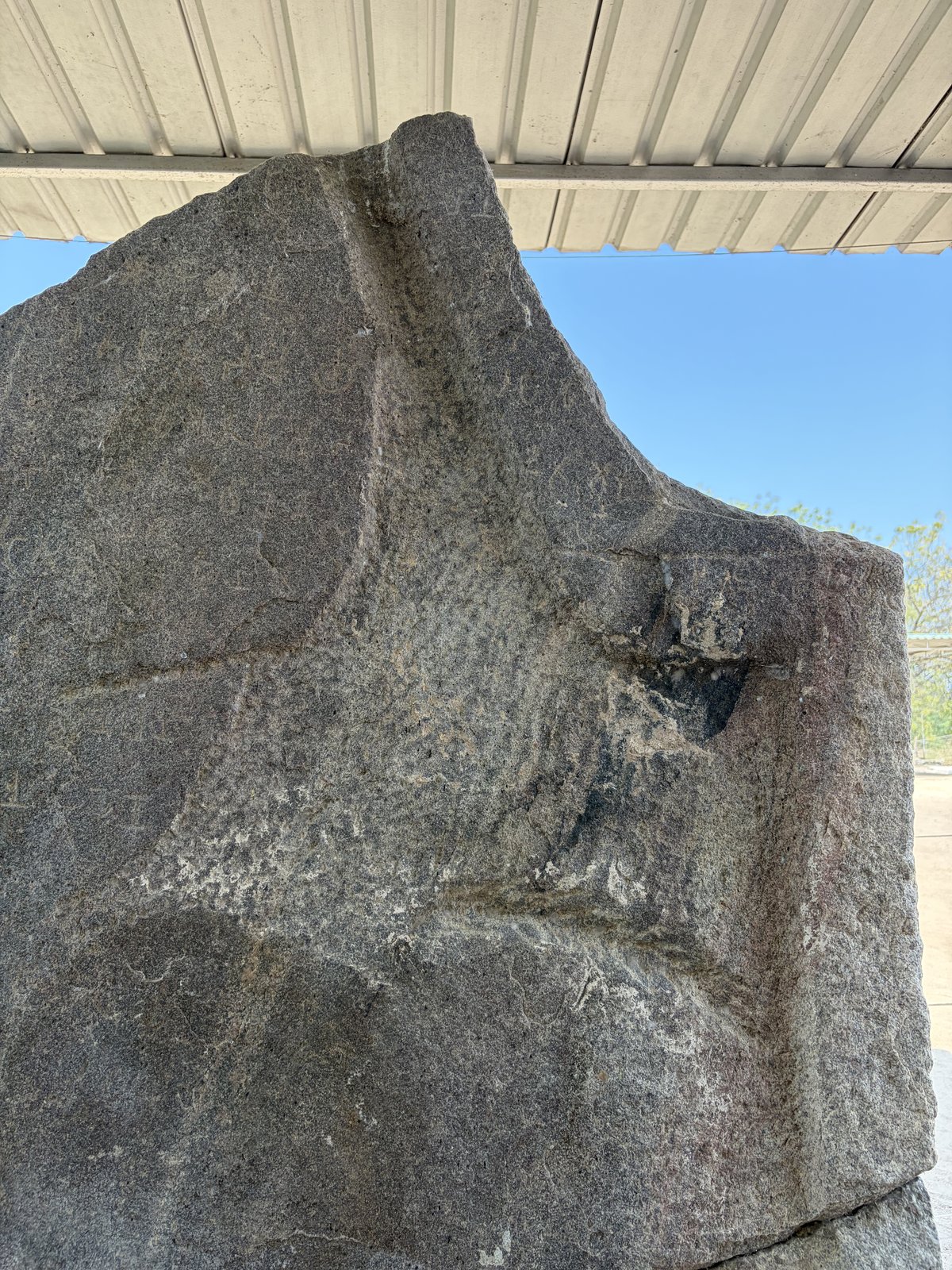
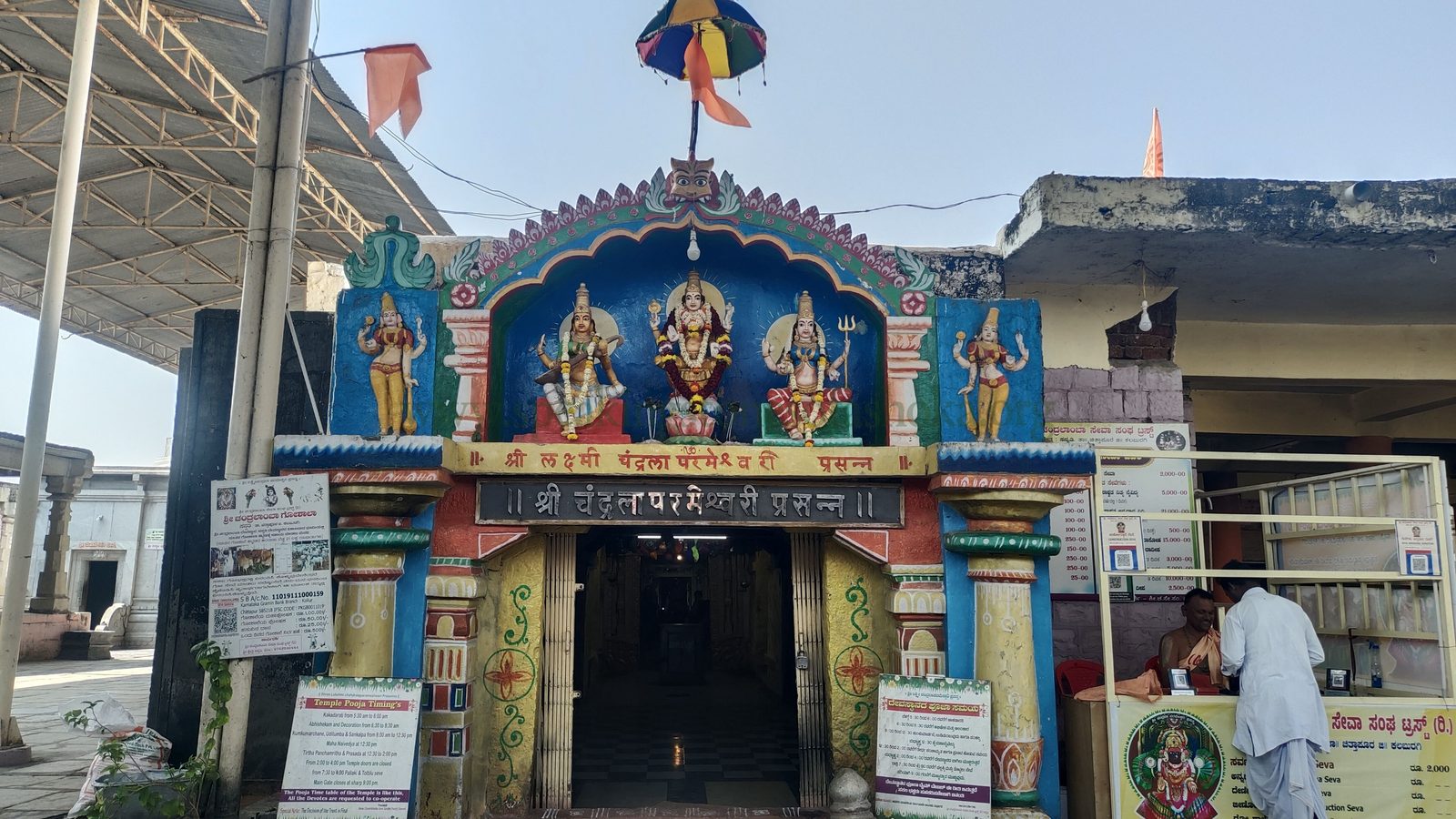
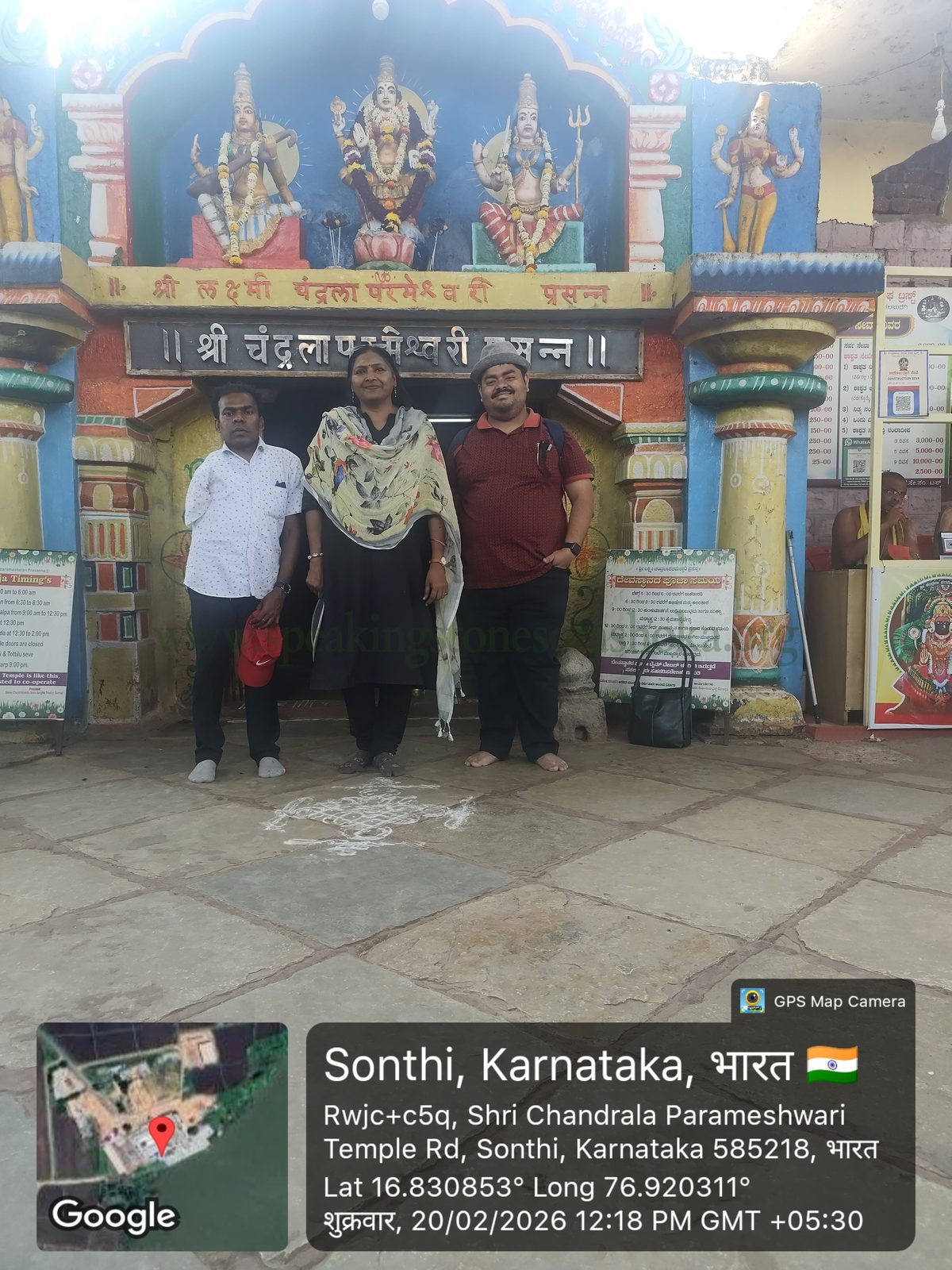
In January 1989 the ruined shrine of Kālikāmbā, or Mahākālī, adjoining the right side of the Candrālambā temple at Sannati, was cleared for restoration. The workmen, when cleaning the base slab of the image of the deity discovered that it was inscribed in archaic letters. After removal of the slab the rear side was inspected and further inscriptions were found.
The front side contains parts of SepE1 and SepE2; the backside contains parts of RE12 and RE14. The first information was spread through IA-R 1988–89: 93 with pl. XLIX; another short notice came in IA-R 1989–90: 113, with pl. 33B.
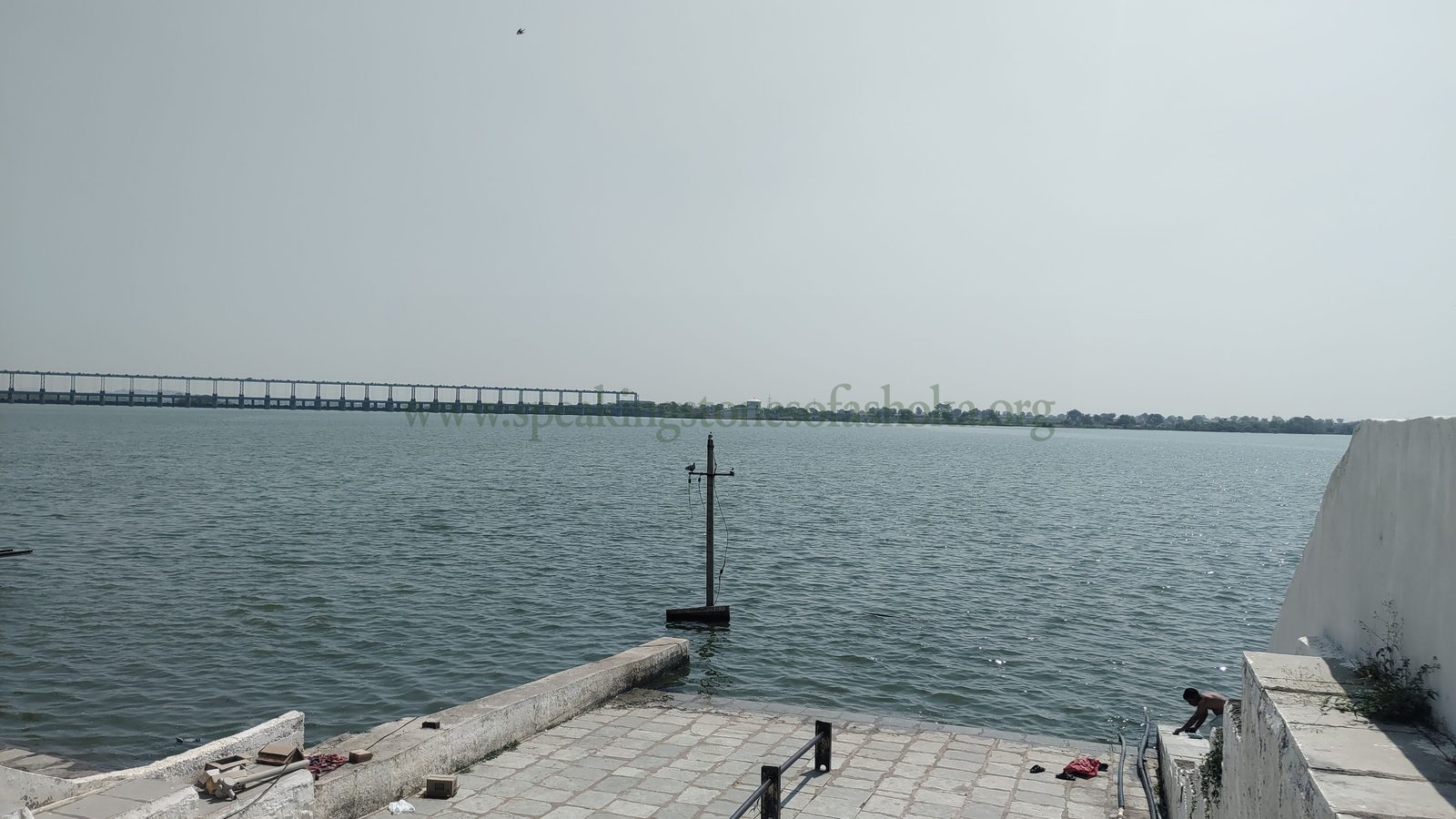
The site itself is situated in a large bend of the river Bhīmā, just like Banvāsī, the capital of Kadambas and Cālukyas, in a bend of the river Varadā, or Vidiśā in a bend of the Betwa. The rivers are forced to diminish their velocity at the bend, thus providing a safe area and easy landing for river craft. (Falk, Harry. (2006) Aśokan Sites and Artifacts: A Source Book of Bibliography. Mainz. Verlag Philipp von Zabern GmbH. pp. 131).
In January 1989, while clearing the debris lying scattered over the plinth of the ruined Kāļikāmbā shrine in the Chandralámba temple at Sannathi in Gulbarga district, Karnataka, the staff of the Archaeological Survey of India, Hyderabad circle, working at the site, found out that the exposed surface of the slab, on which the Kāļikāmba image had been installed in the days of yore, contained archaic writing in Aśokan Brahmi characters. On receipt of this information, the inscription was duly copied by the staff of the epigraphy branch of the Archaeological Survey of India.
Again, towards the end of March, I was informed by Mr M.C. Joshi, Additional Director General, Archaeological Survey of India, that the other side of the slab also was found to contain writings in Aśokan Brahmi, presumably the texts of the Kalinga edicts. I personally visited Sannathi and copied and examined the inscription in situ. For the sake of convenience, the earlier discovery is hereafter referred to as Face A and the later discovery as Face B.
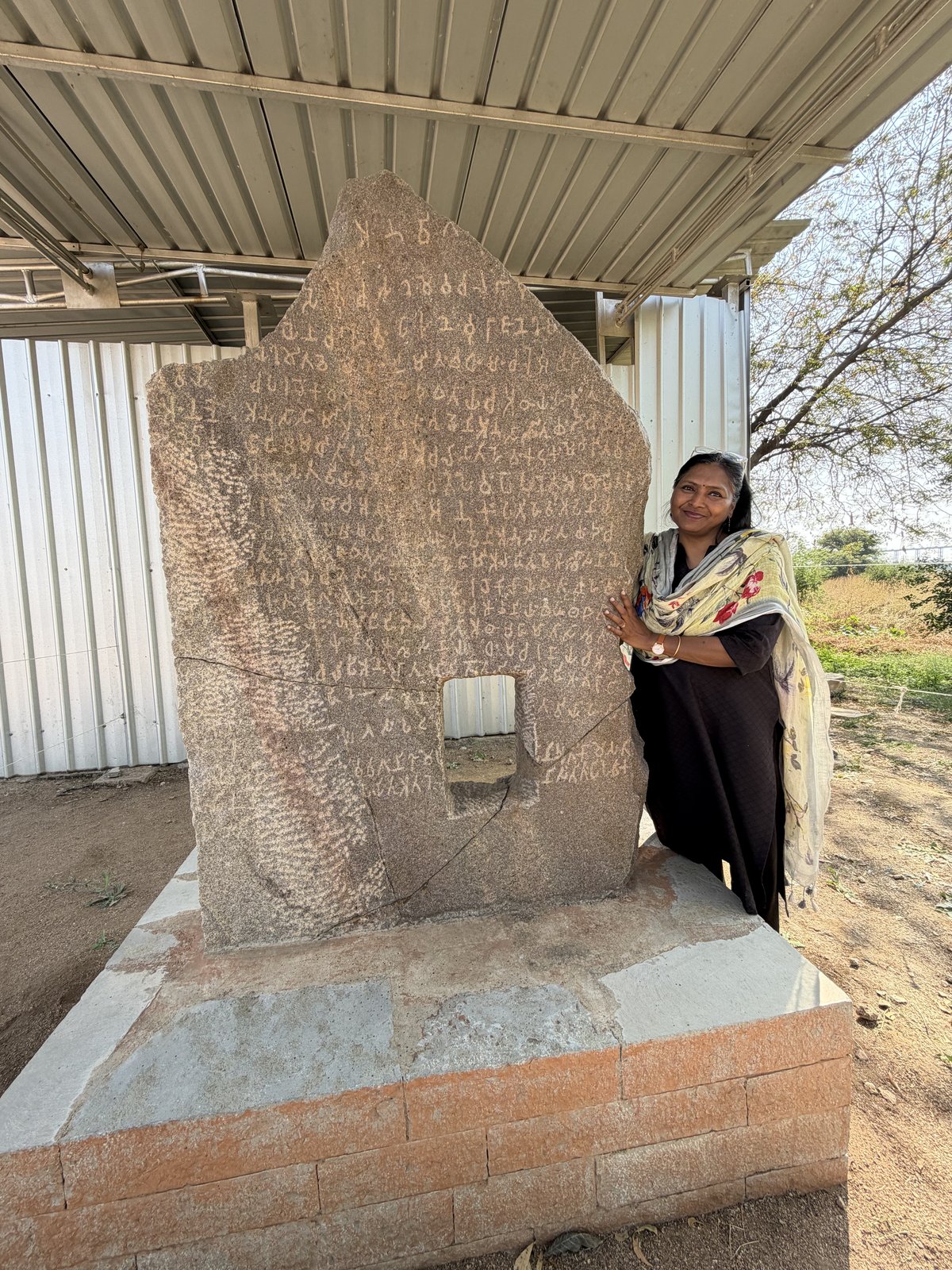
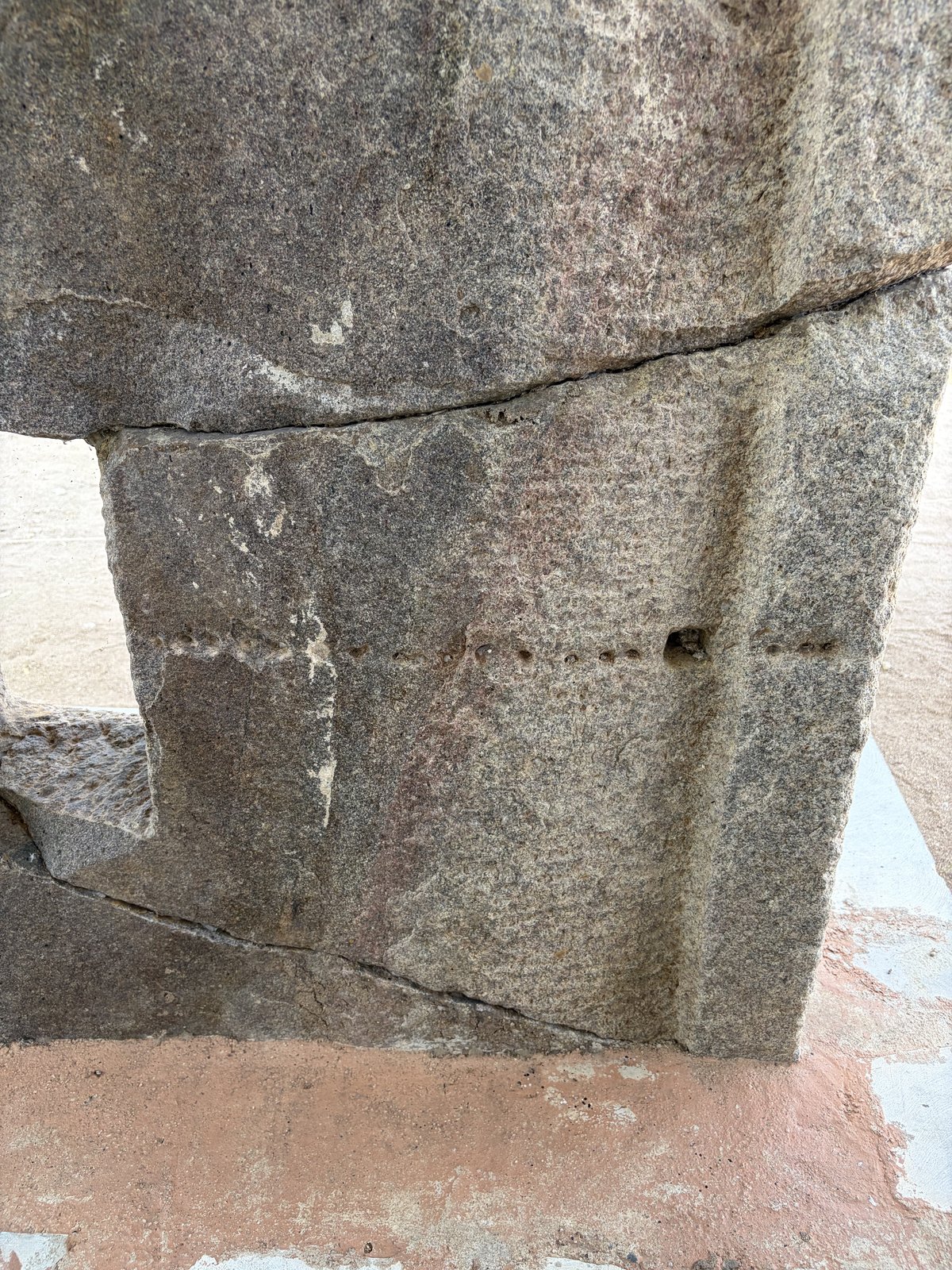
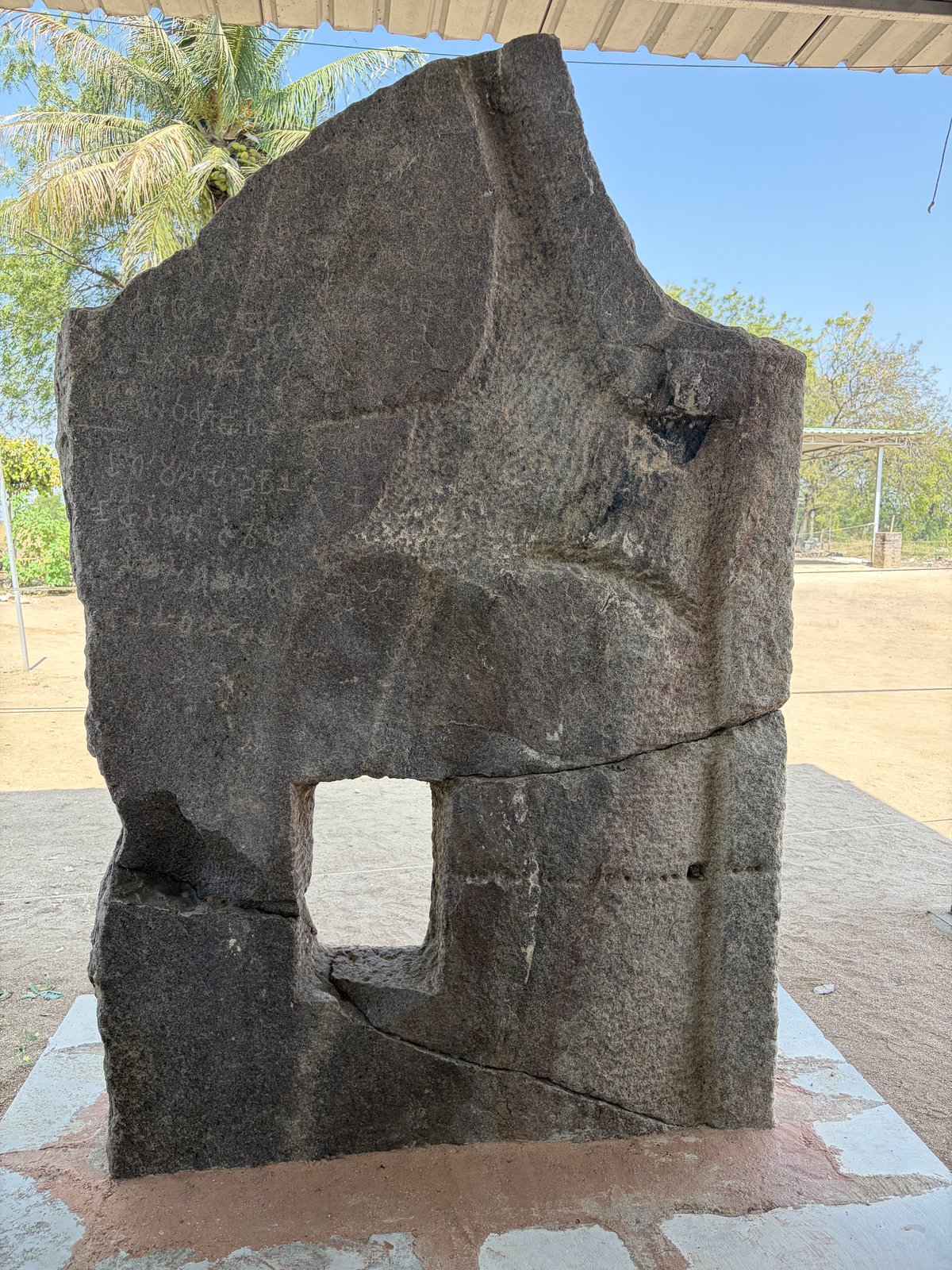
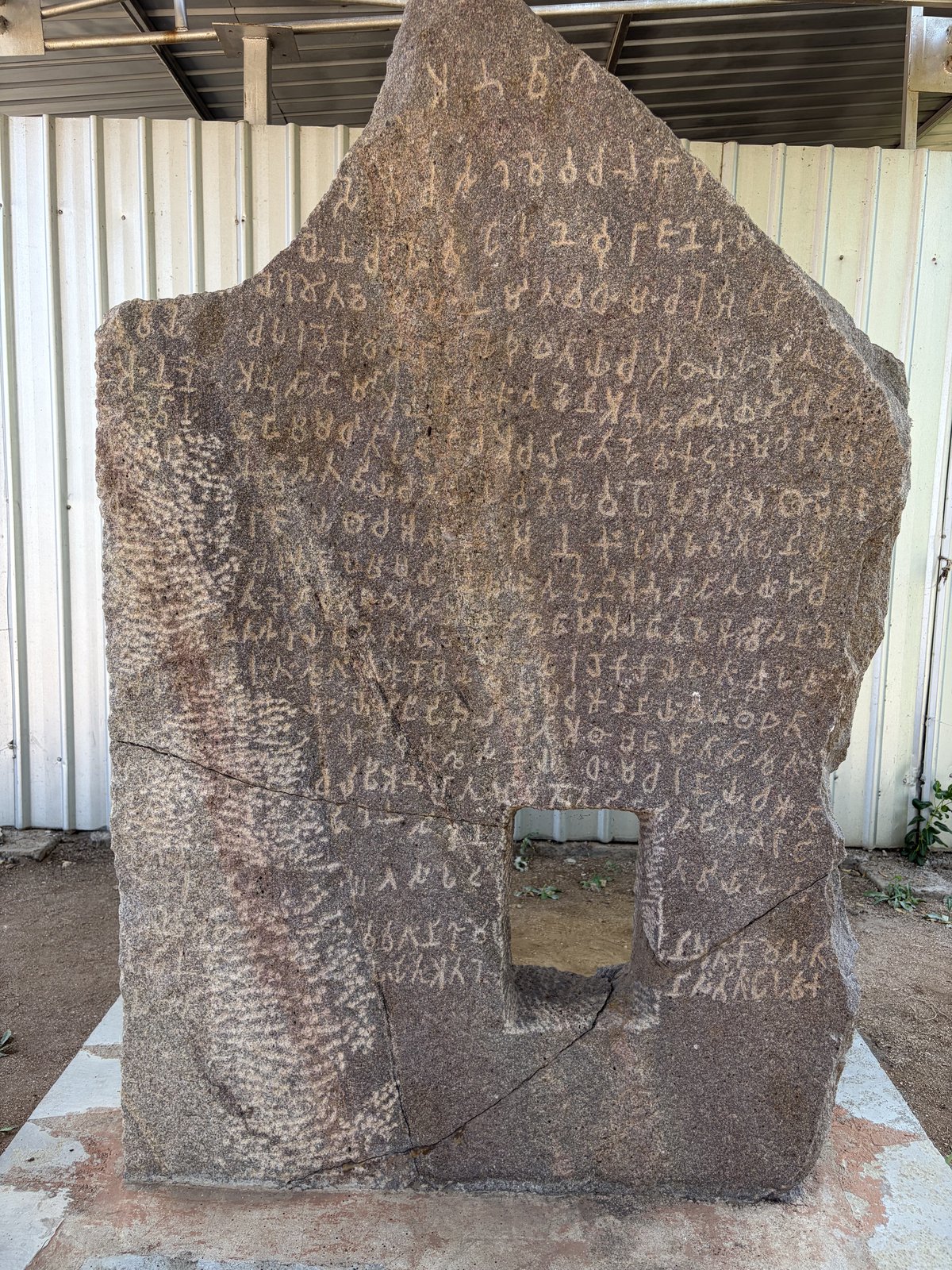
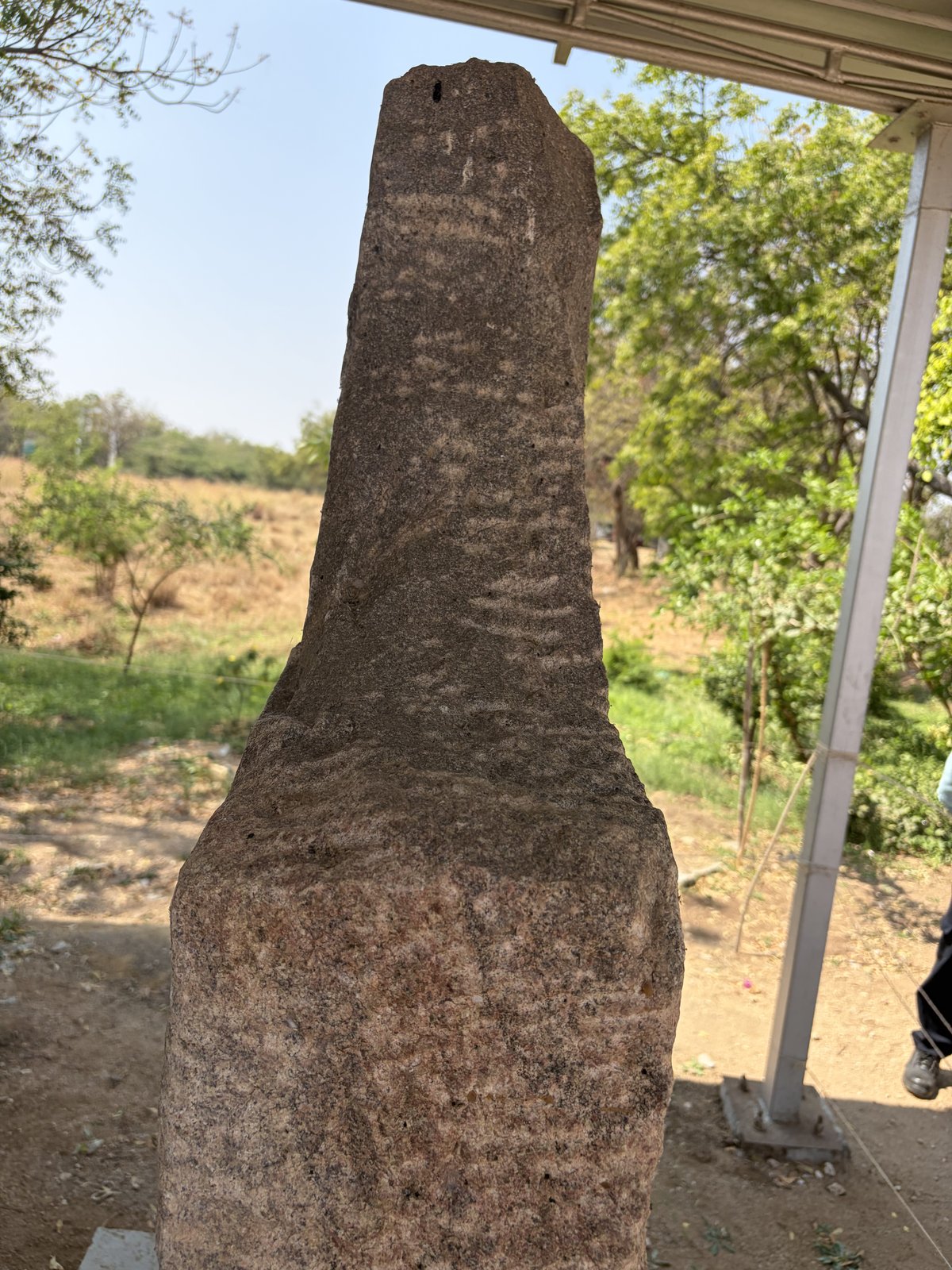
The inscribed slab is irregular in shape, most of it forming a rough rectangle with an equally rough triangular top, measuring 2.33x 1.21 metres and 30 centimetres in thickness. Close to the centre of the slab a rectangular hole, .38 metrex.255 metre, has been cut out for the setting up of the image. This has resulted in the loss of some letters in Face B though not in Face A. The slab in question formed, in all probability, a part of a large outcrop on which the texts of the Aśokan inscriptions were engraved on two sides and must have been brought to the temple from somewhere in the neigh-bourhood which abounds in such outcrops. The existing fragment certainly suggests that a complete set of Aśokan Rock Edicts as well as the two Separate Edicts must have been engraved in the vicinity of Sannathi.
Face A contains incomplete texts of the Rock Edicts XII and XIV of Aśoka. The slab is broken (or cut off) in such a way that the beginnings of the texts of the Rock Edict XII and much of the letters on the right side of the Rock Edicts XII and XIV are lost. The extent of the damage or loss could be easily gauged when we see that out of a possible eleven lines of Rock Edict XII, the first three lines are totally lost and in the remaining eight, the best preserved line contains only 18 legible letters out of a possible total of 45 to 46. While thus the text of Rock Edict XII has lost much more than what has survived, Rock Edict XIV has suffered comparatively less, 60 letters out of a possible 145 to 150 being legible or preserved, the whole text being written in four lines. (THE ASOKAN INSCRIPTIONS AT SANNATHI K.V. Ramesh)
Gallery