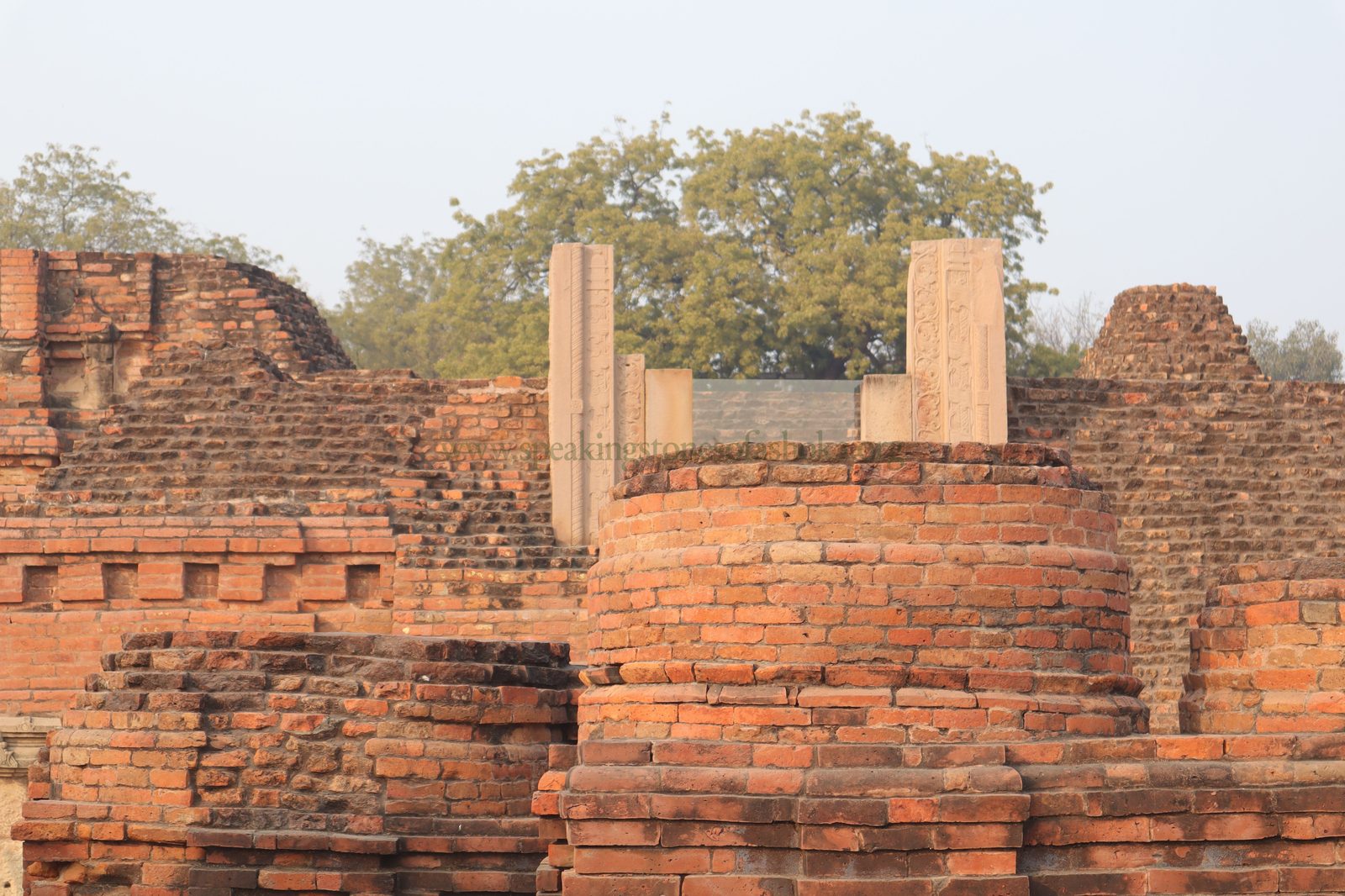
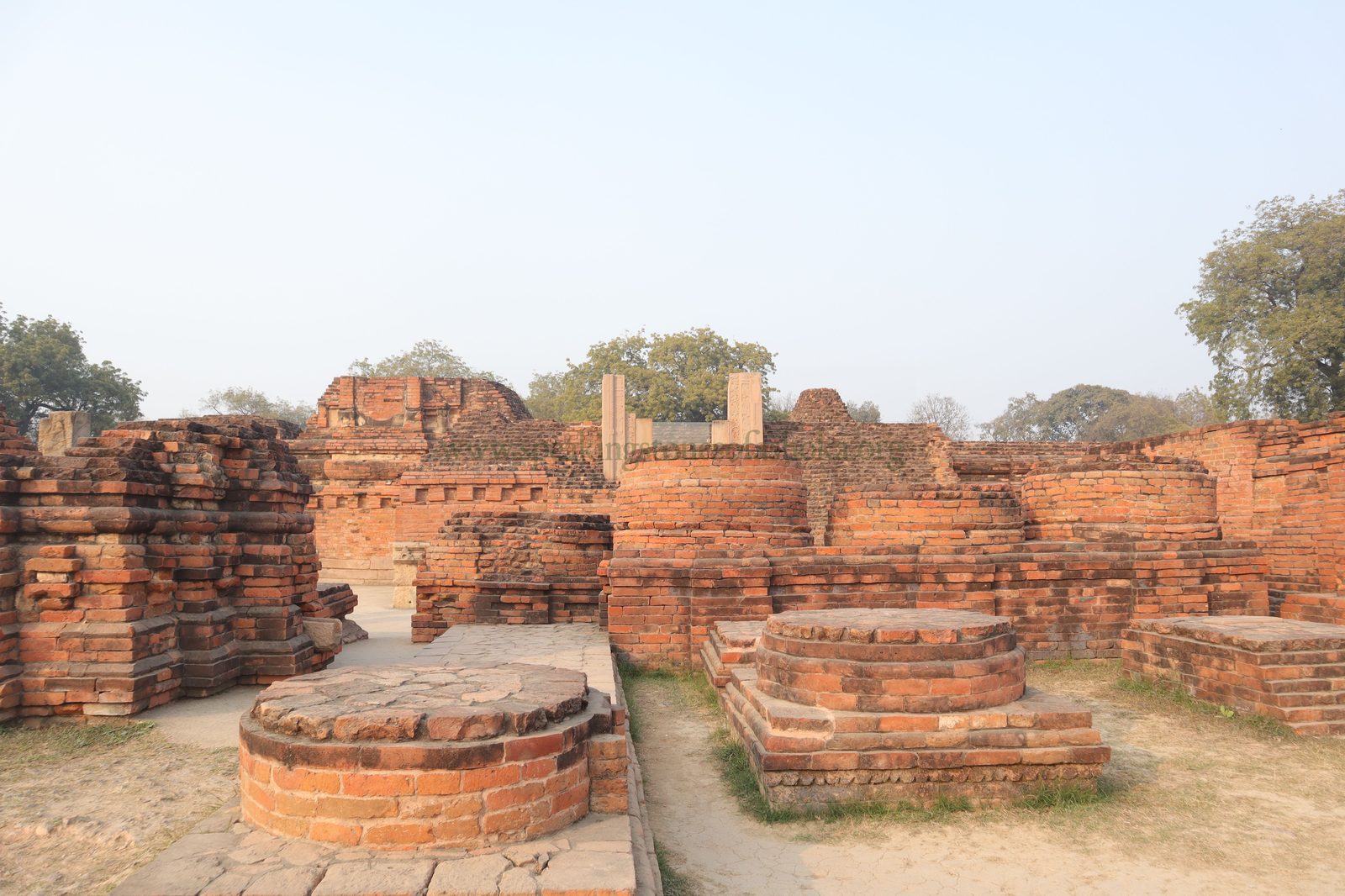
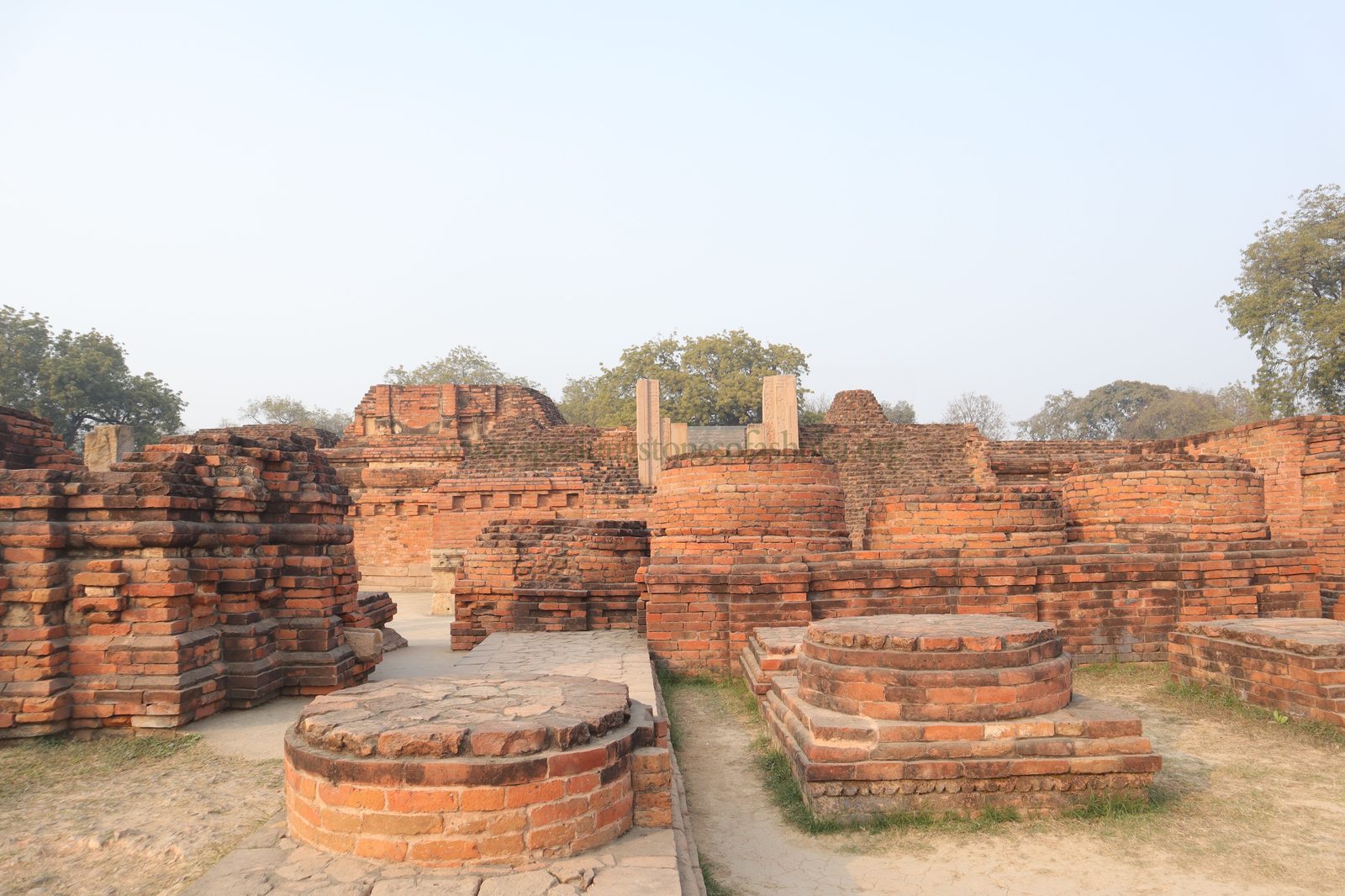
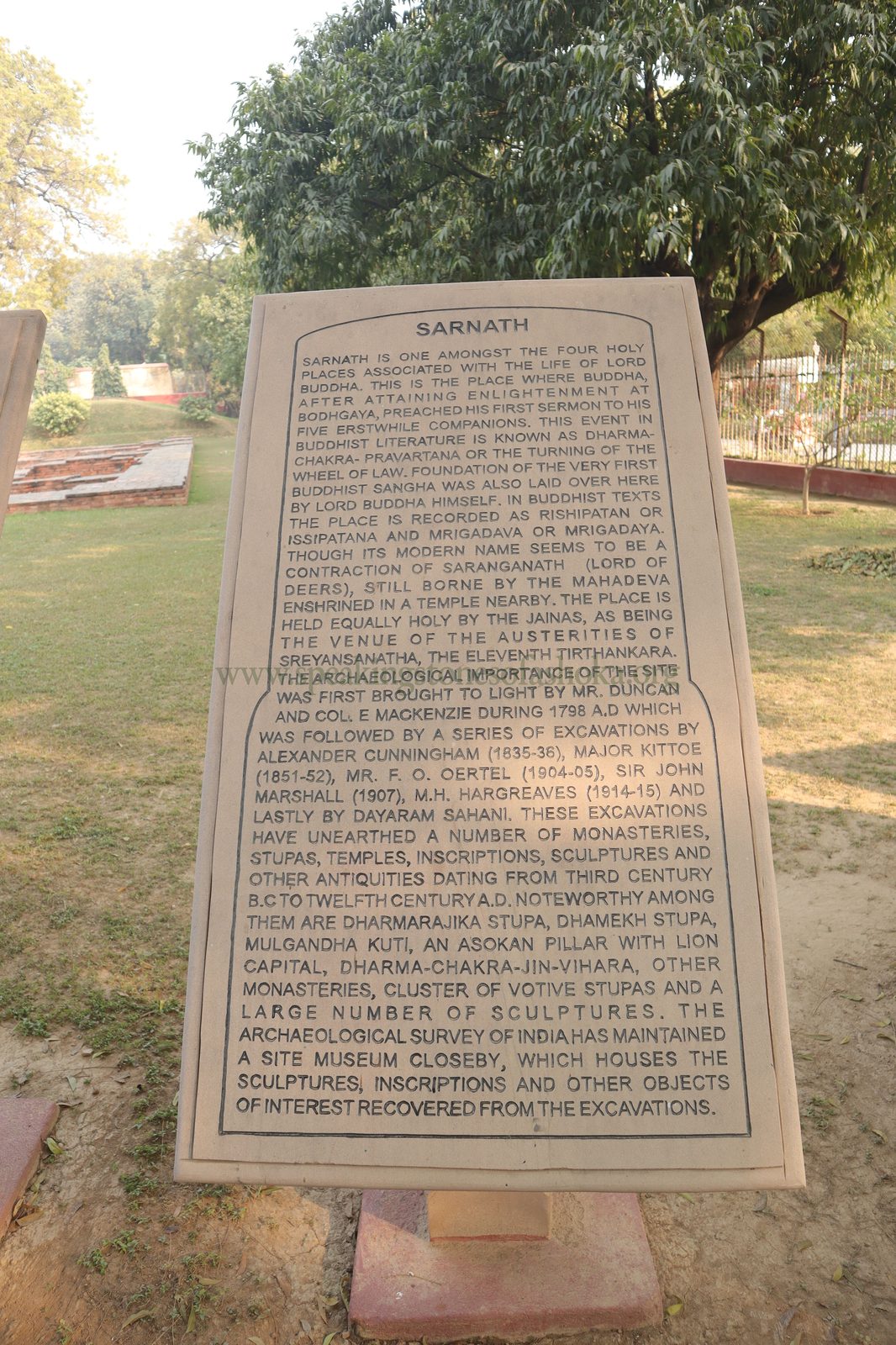
Discovery of Sarnath
1. ASOKAN SITES AND ARTEFACTS - Harry Falk
Pages: 209-214
Sarnath
Location: Varanasi District, Uttar Pradesh
Longitude: 25°23' N.
Latitude: 83°02' E.
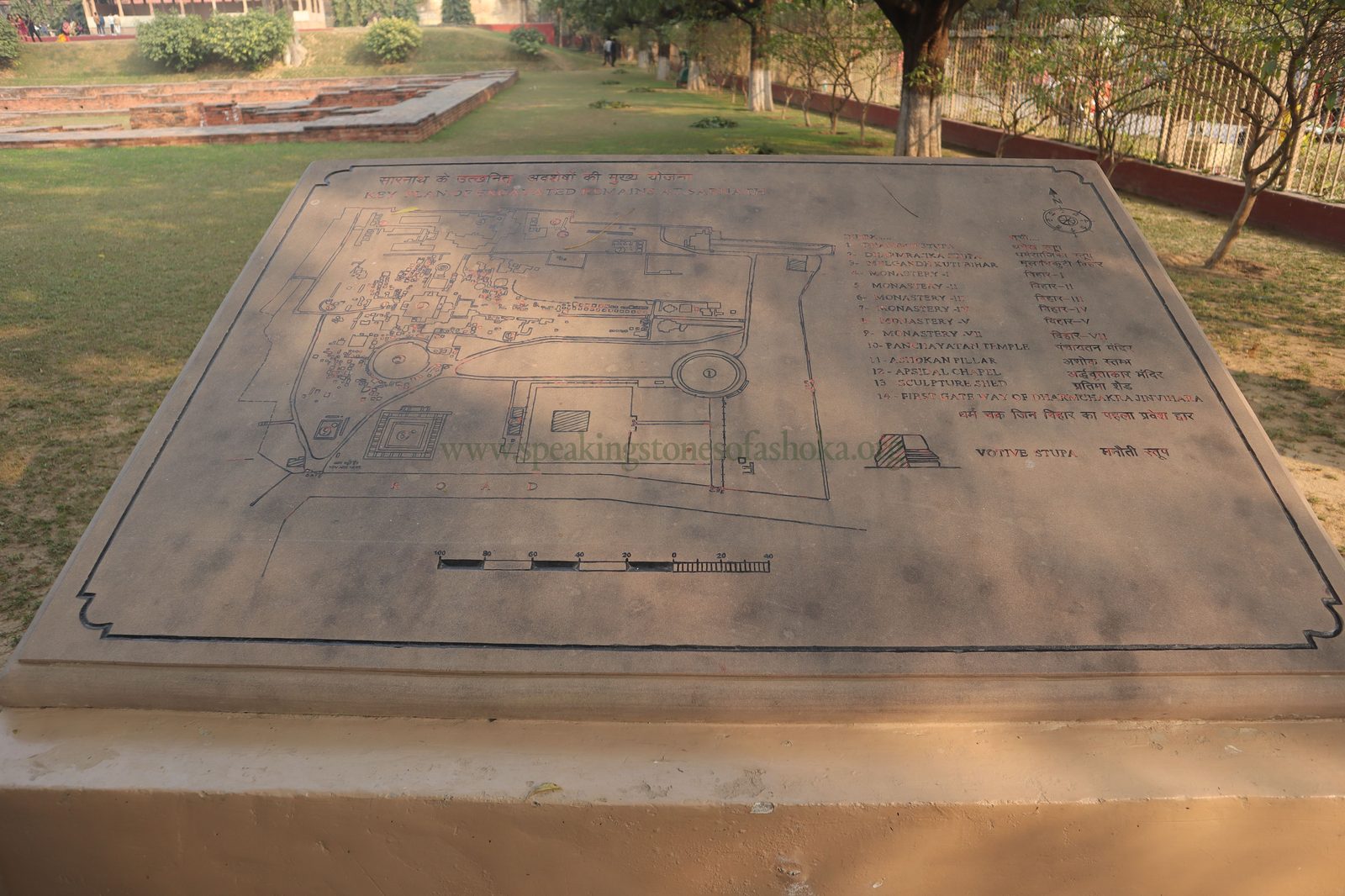
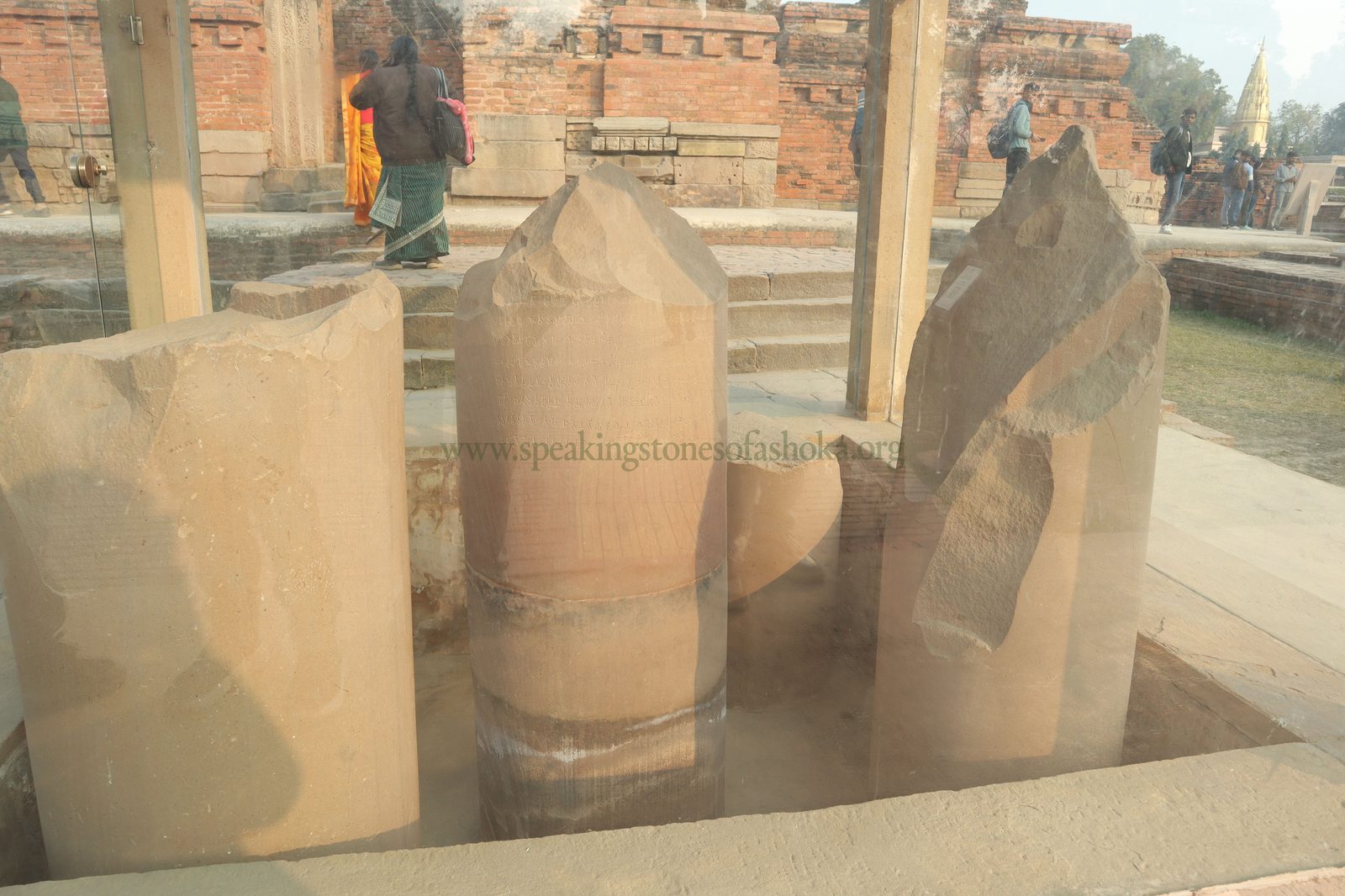
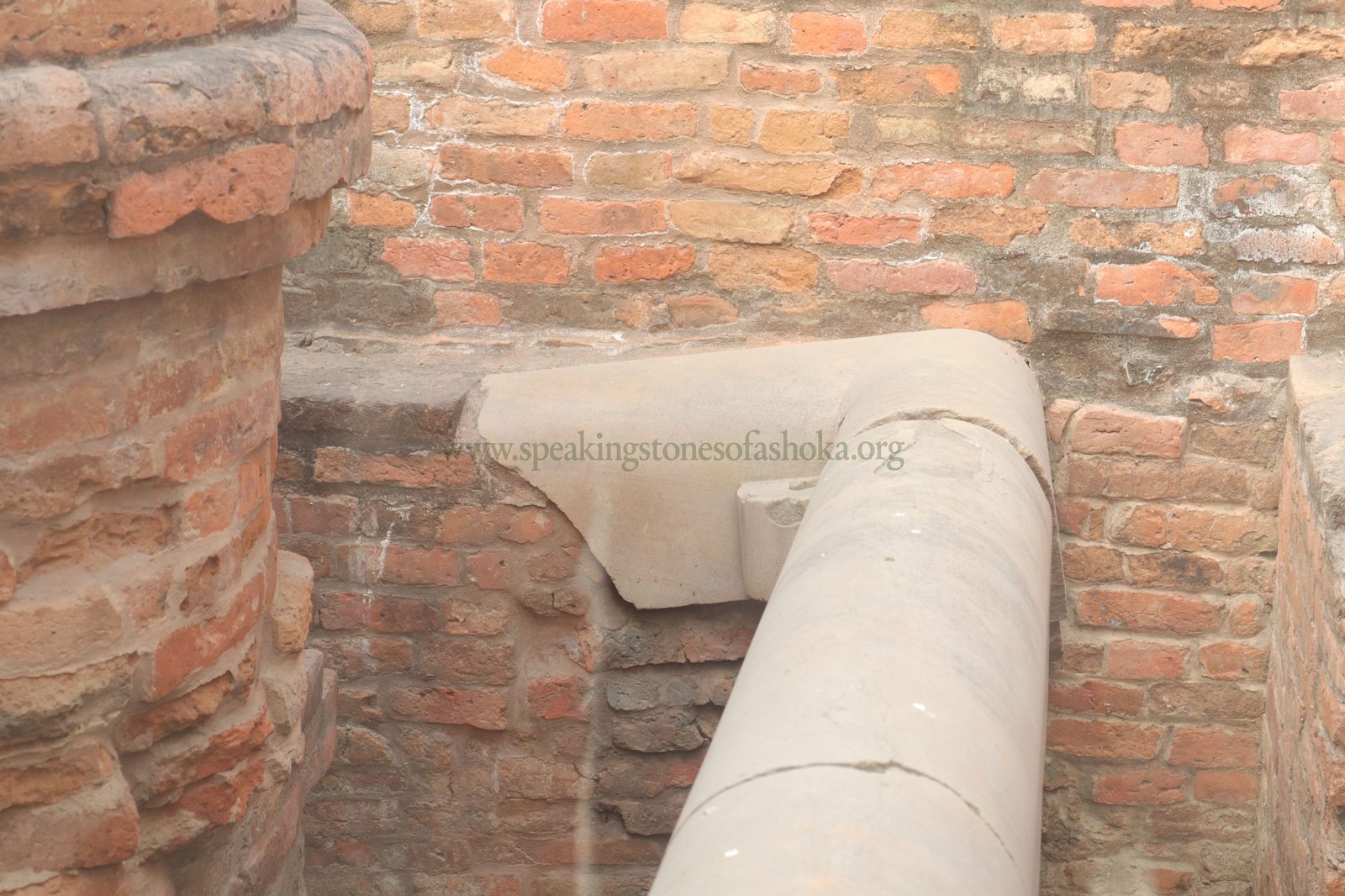
Discovery: The pillar was found in several pieces by F.O. Oertel in the excavation campaign of 1904/05 (68–70). The schism edict was first edited by J.Ph. Vogel 1905–06. Apart from the pillar, there are several more pieces which can claim an Asokan origin. Most prominent is the monolithic railing in the “South chapel of the Main Shrine” just east of the pillar. A series of fragments from an abacus, a bell and many parts of a lion show that there must have been a second pillar produced from the same stone and with an identical technique as the well-known pillar. Another series of decorations could go bacto an Asokan cankama.
Preservation:
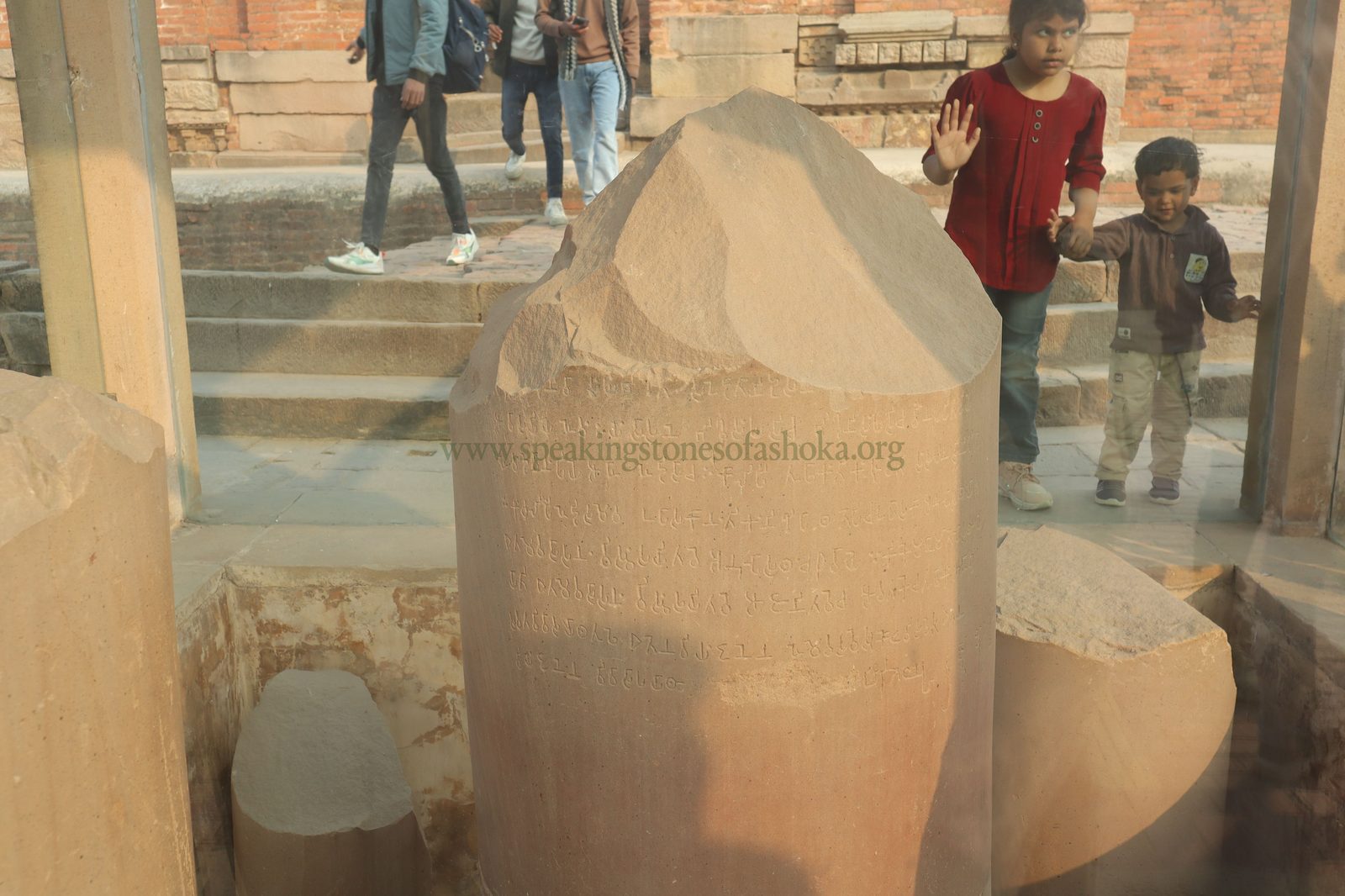
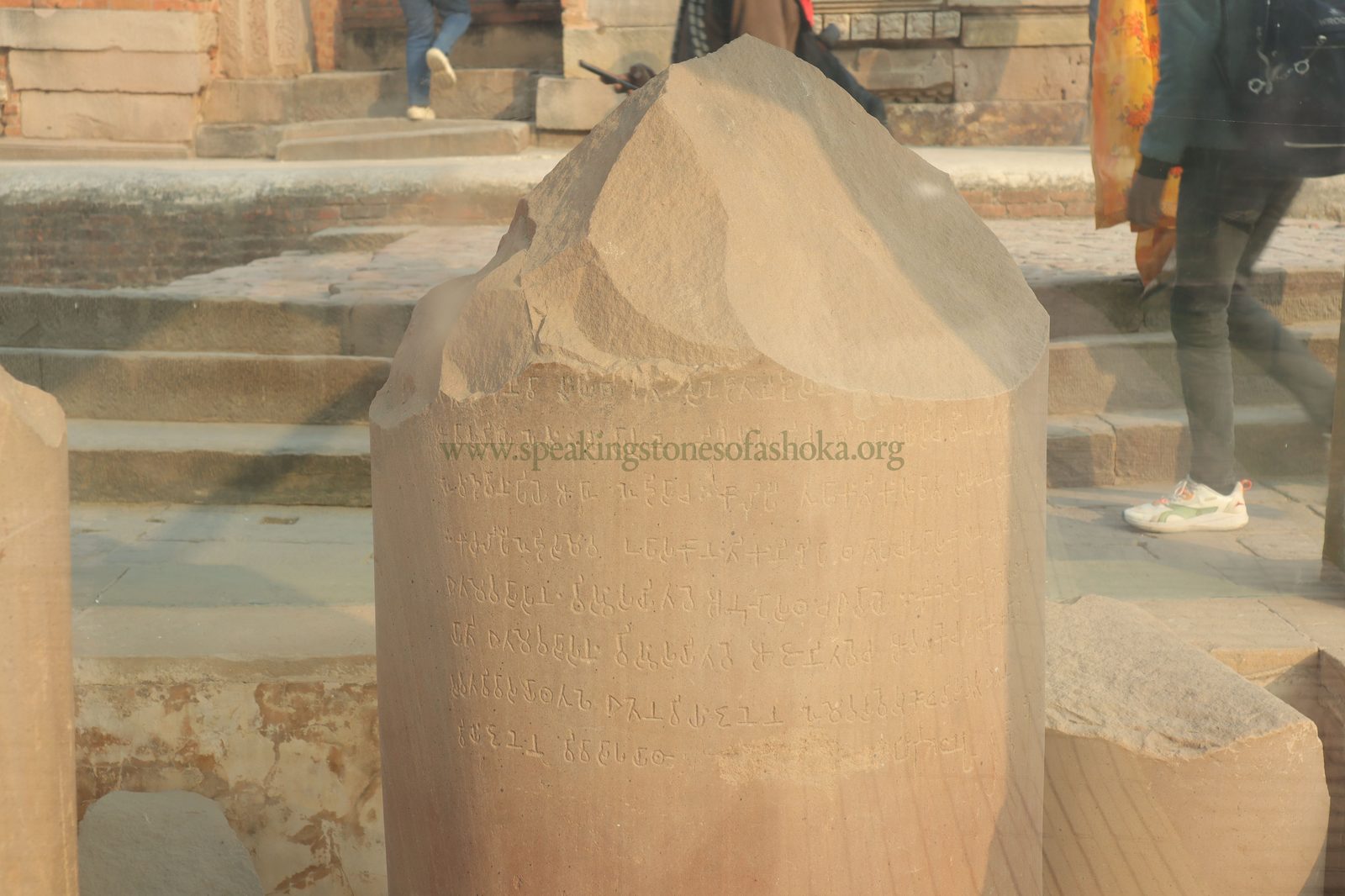
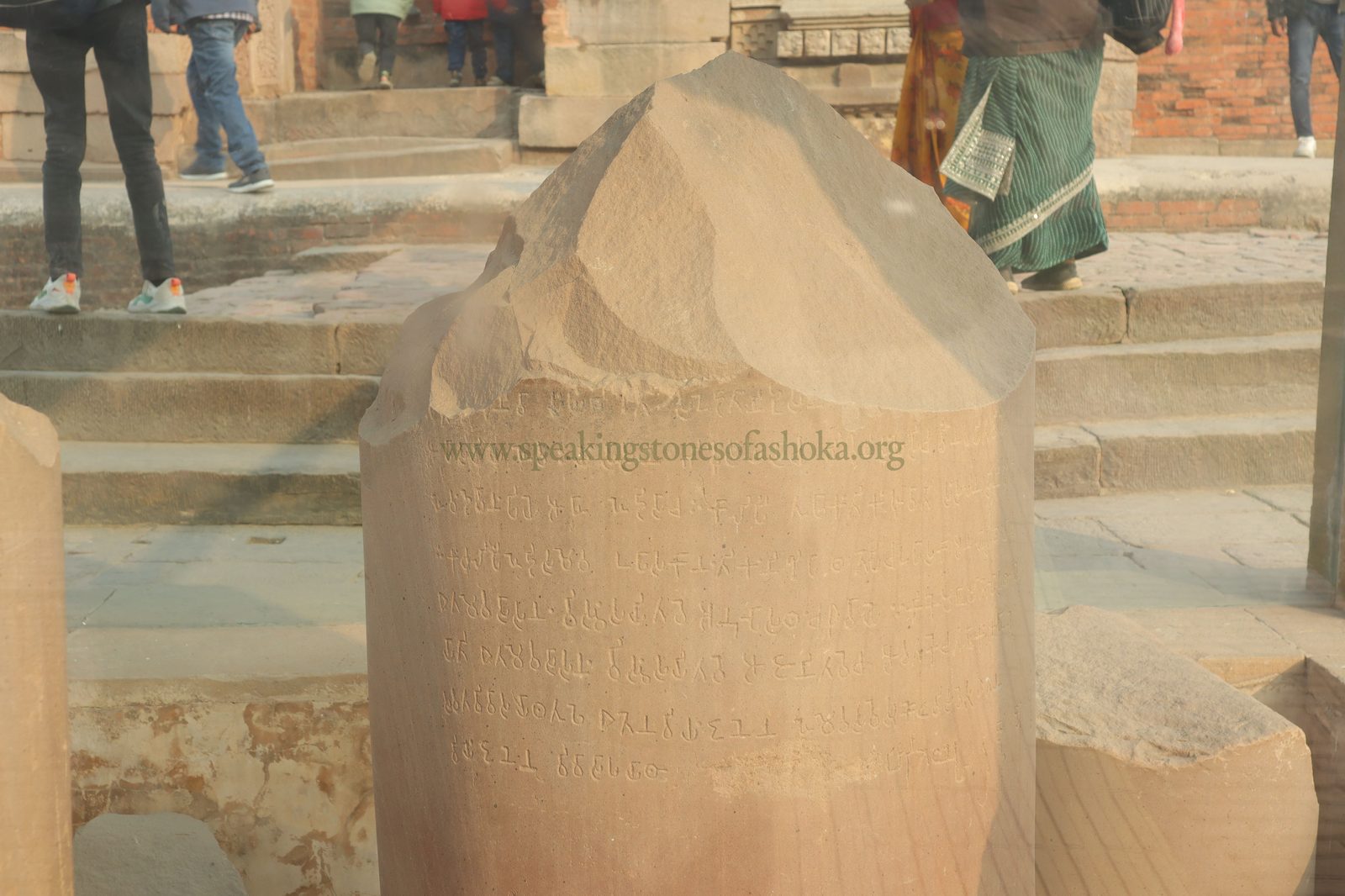
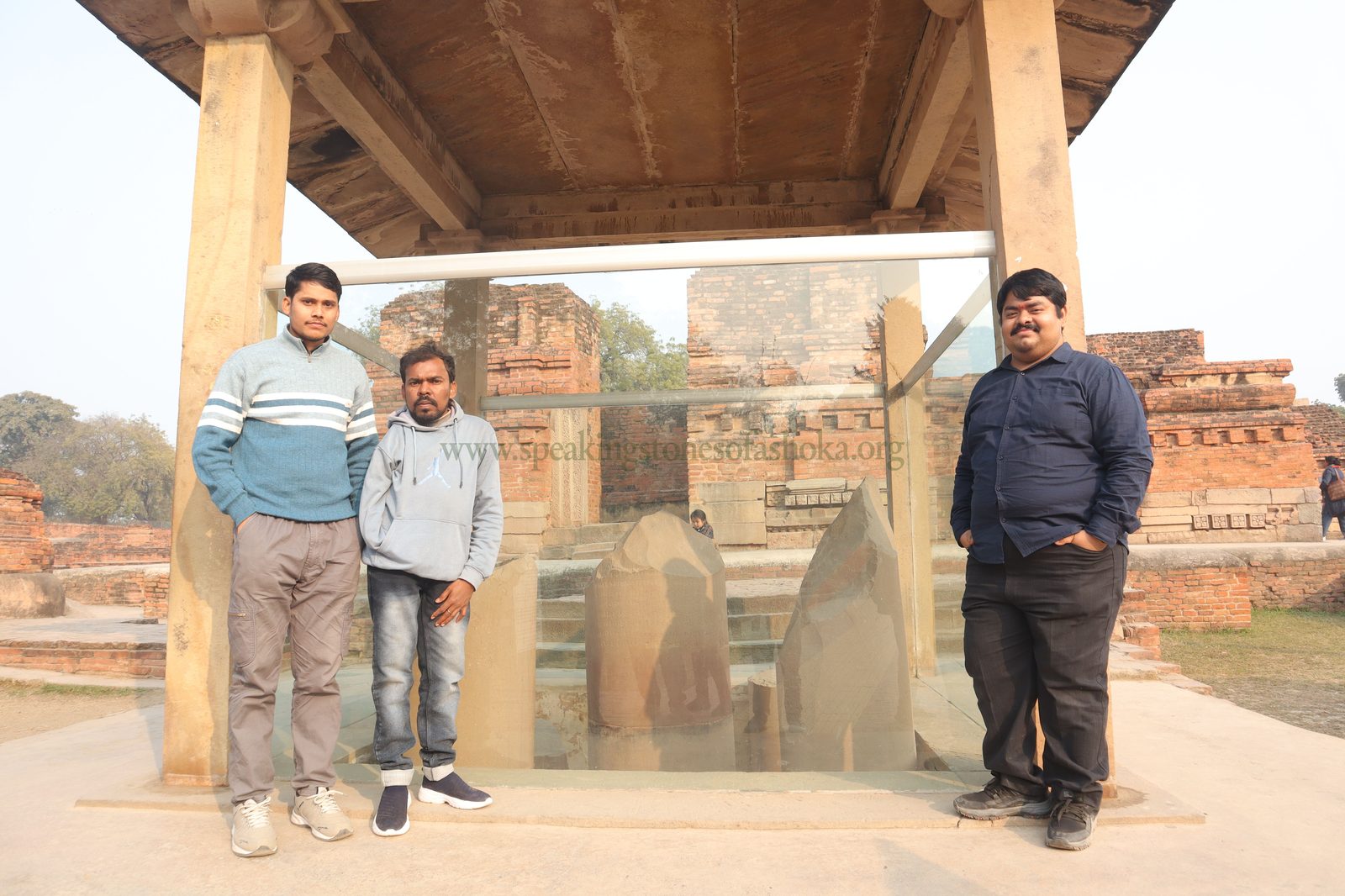
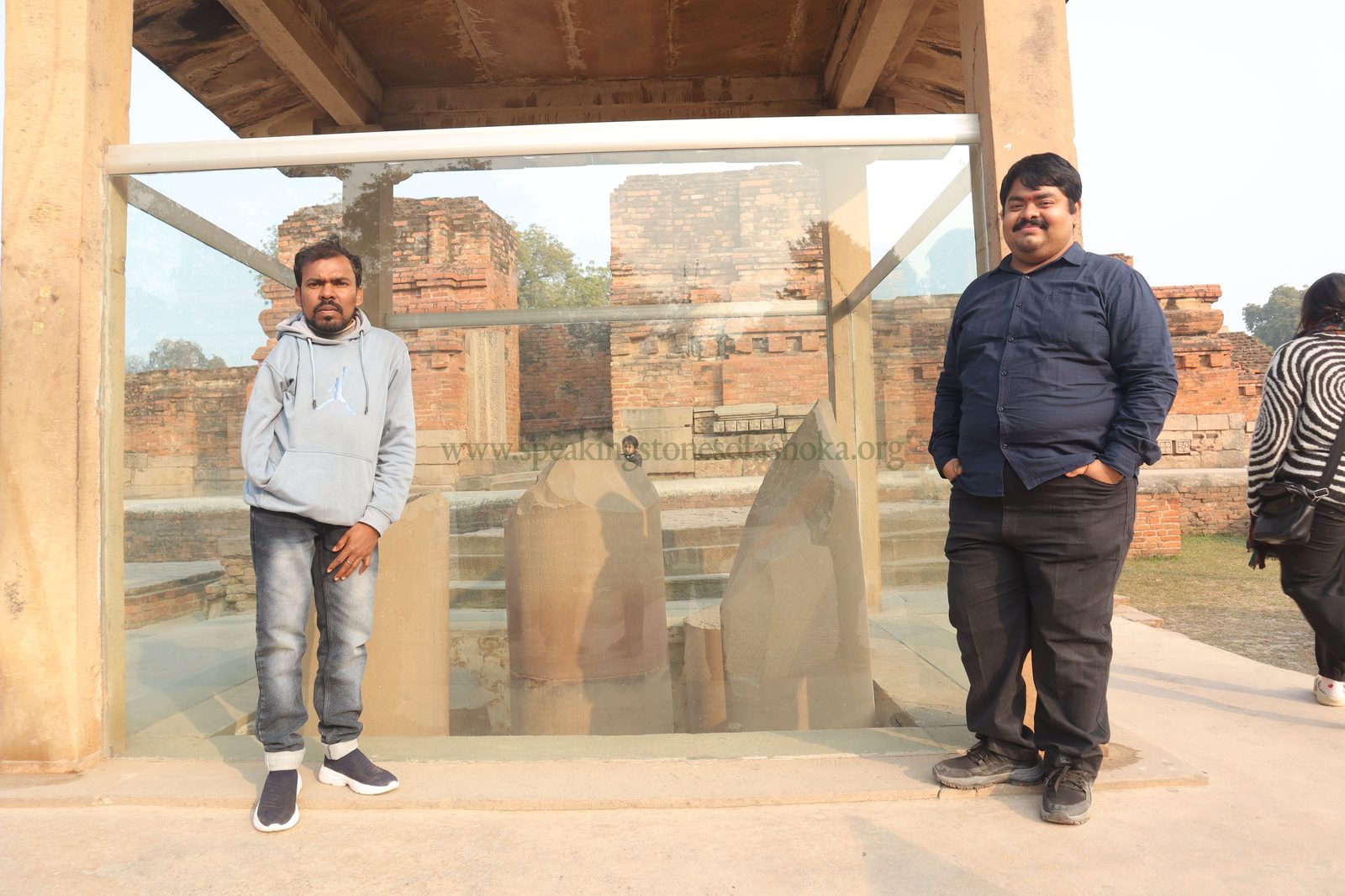
Pillar: In fragments, most of which are assembled around the stump in its original place. The inscription is on the stump of the lower part and on three fragments in the site museum, reserve collection (fragments B and C were not seen by us).
Capital: Perfect; inside the site museum.
Monolithic railing: Broken and incomplete, possibly in its original place preserved inside the building adjoining the pillar to the east.
Second capital: One fragment in the Indian Museum, Calcutta, reserve collection no.9490.It is highly polished, preserving part of the lower rings, end of petals and part of the mortise.
Second abacus or cankama: In fragments at the site museum and the Indian Museum.
Measurements:
Pillar 1: The pillar was about 11.50 m long, with 2.28 m unpolished underground. The lowest line of the edict is about 2.44 m above the dividing line. The inscribed fragment D in the reserve collection of the site museum measures 13 cm in height, 49 cm in width and 46 cm in depth.
Capital: 2.13 m high.
Monolithic railing: 2.55 x 2.55 x 1.29 m; the railing bar is 29.5 cm thick; the corner pillars are 28-29cm square; the spaces between the pillars are 30 cm wide; the holes in the corners for holding flags are 4.2 cm wide. In the reserve collection a slab is preserved which shows a pillar inside such a railing.
Pillar 2: At least one more pillar is preserved in several fragments which have been found “west of the Main Shrine” in a deposit of discarded fragments leveling the ground after a fire that occurred in the time between the Kushanas and the Guptas. The diverse parts of the capital seem to be mentioned summarily in Hargreaves. It is tempting to combine this capital with the many “lion’s paw(s)” and remains of “mane of lion” mentioned by the same author (115f.).This capital seems to have been larger than the famous one in the site museum.
The stone is of beige colour with inclusions; the petals measure 14.3 cm across at the lower end, whereas the Sarnath lion petals measure only 12 cm. This may be compared to the 15.5 cm of the Rampurva bull or the 16 cm of the Rampurva lion capital. The largest of the bell fragments is 29 cm high (fig. 17). The diameter of the lower part of the capital can be reconstructed on the basis of the curvature of the inside of the mortise as 51 cm for the whole mortise. The mortise wall measures 11.5 cm on either side, so that the flat underside of the bell had a diameter of about 74 cm.
Gallery