
Barabar and Nagarjuni Discovery Story
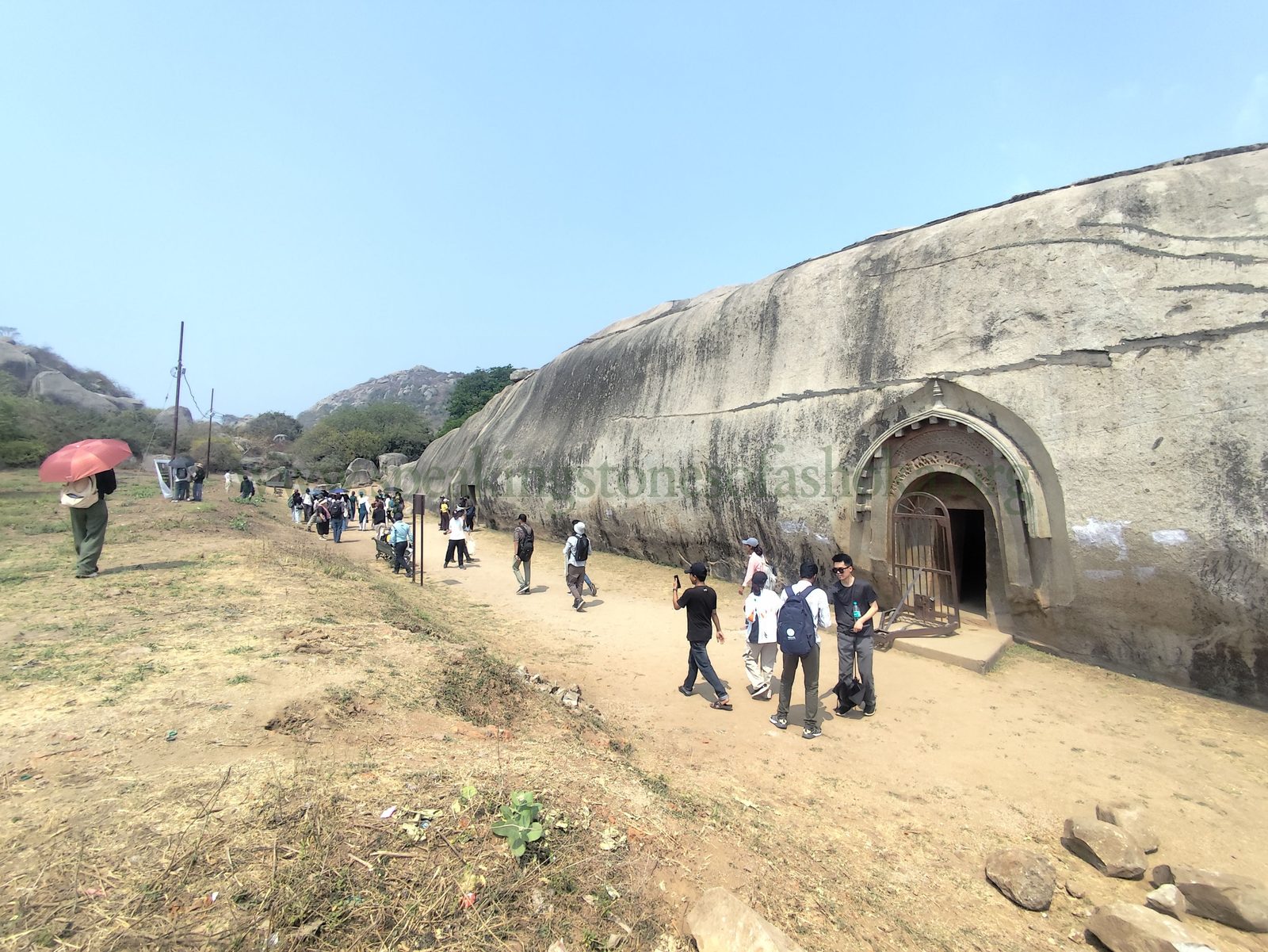
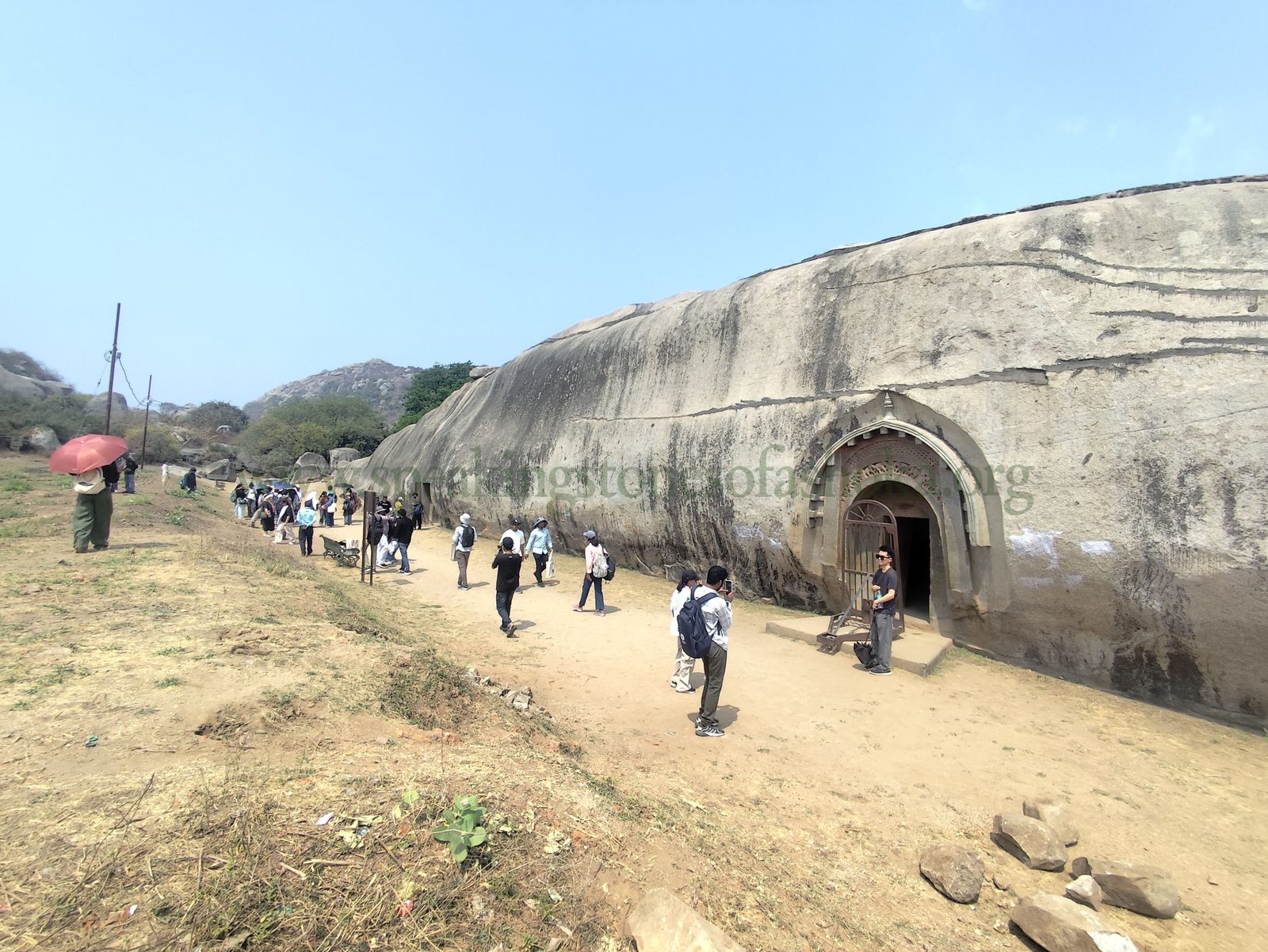
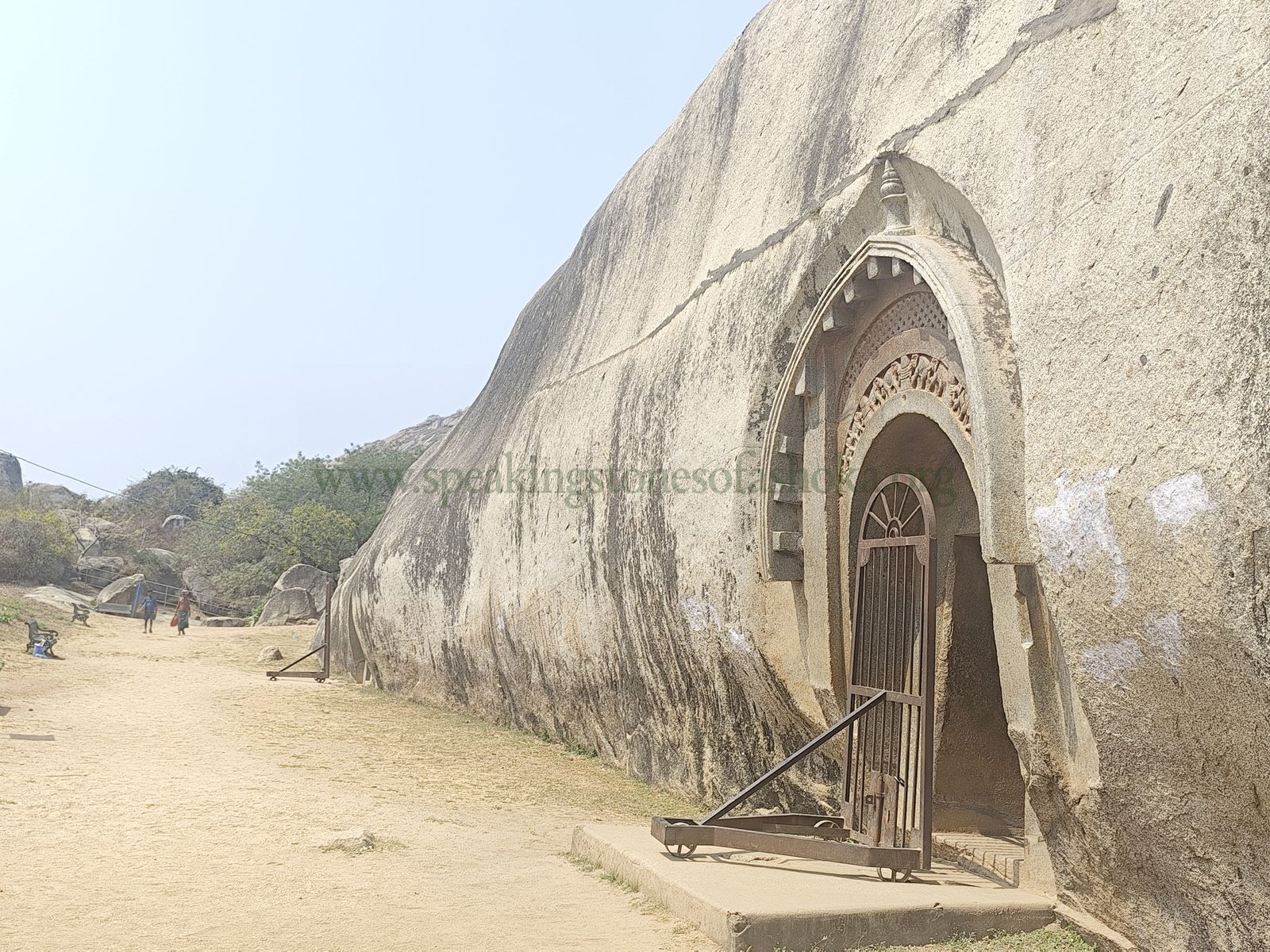
Barabar is located in the state of Bihar in Gaya of Jehanabad district. In the conjunction of this stands the group of Nagarjuni hills.
John Herbert Harington was the first European to visit the site who saw it from the top of hill and explored it, he published his report (A Description of cave Near Gaya, Asiatic Researches, 1798) in 1798. He refers to Kauvadol as “Keoyadol” and that it is very naked and immense rock groups of perfect middle-sized grained white and black granite. He visited Kauvdol first. According to him people pretend that the name of the hill came from a rocking stone that was on its top, so nicely balanced as to be movable by the weight a crow. All along the northern and the eastern stretch of Kauvadol, as Buchanan reports, there are numerous carvings representing various deities or persons remarkable in Hindu mythology, all exceedingly rude and many of them worn by the action of the weather, engraved in perfect granite. The chief temple near the place contains an image called Bouddh Sen. According to him, a Srotri Brahmaṇa who lives about a close off is Pujārī for all idols on the hill, and makes offerings to Bouddh Sen as well as the others. He also visited Barabar which is a rugged peak of great height at the east end of Barabar. After seeing the caves, he writes that the whole cave has
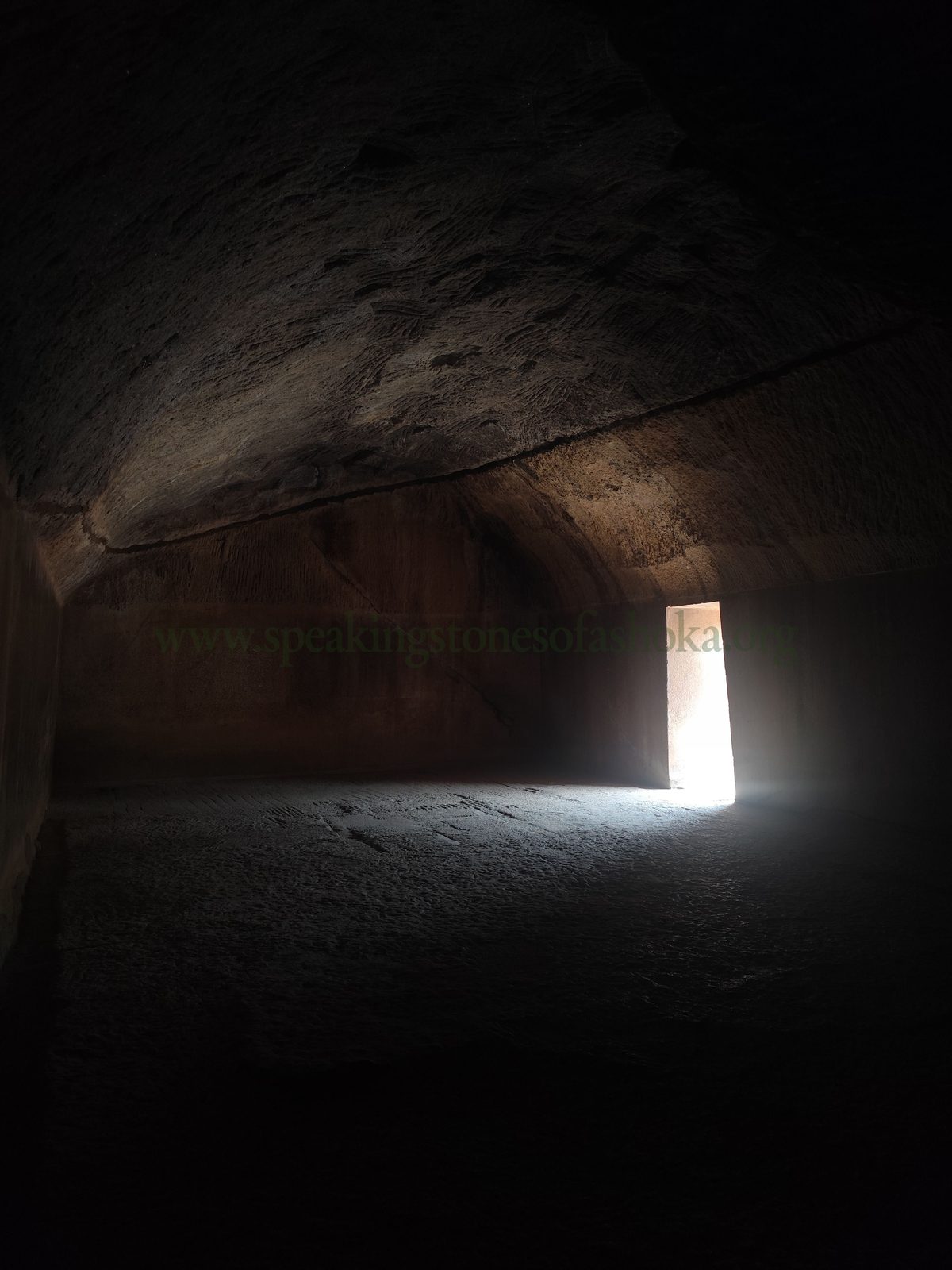
Mauryan polish but not neat as the chisels employed on them have left their indelible marks on the roof of the caves.
Francis Buchanan visited all the sites of the 3 hills in 1811-12, and his report (Journal of Francis Buchanan kept during the Survey of the districts of Patna and Gaya) was published. Buchanan mentioned in his account about the visit of Xuan Xang in the caves and that the latter mentioned a great mountain inhabited by divine Rșis, poisonous snakes, savage dragons, fierce beasts and birds of prey. Buchanan mentions the importance of inscriptions referring to the dedication of these by Asoka to the Ājīvikas.
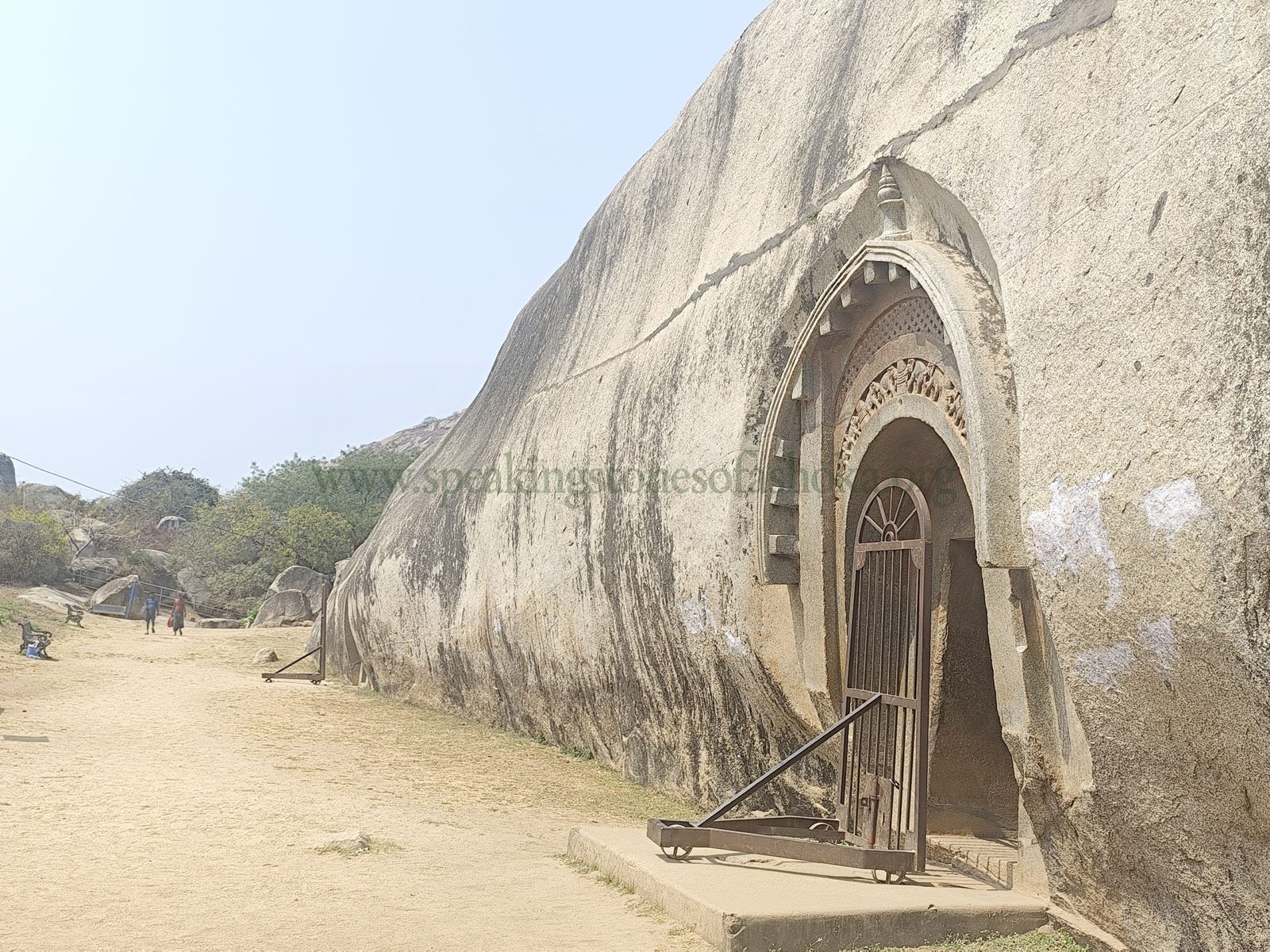
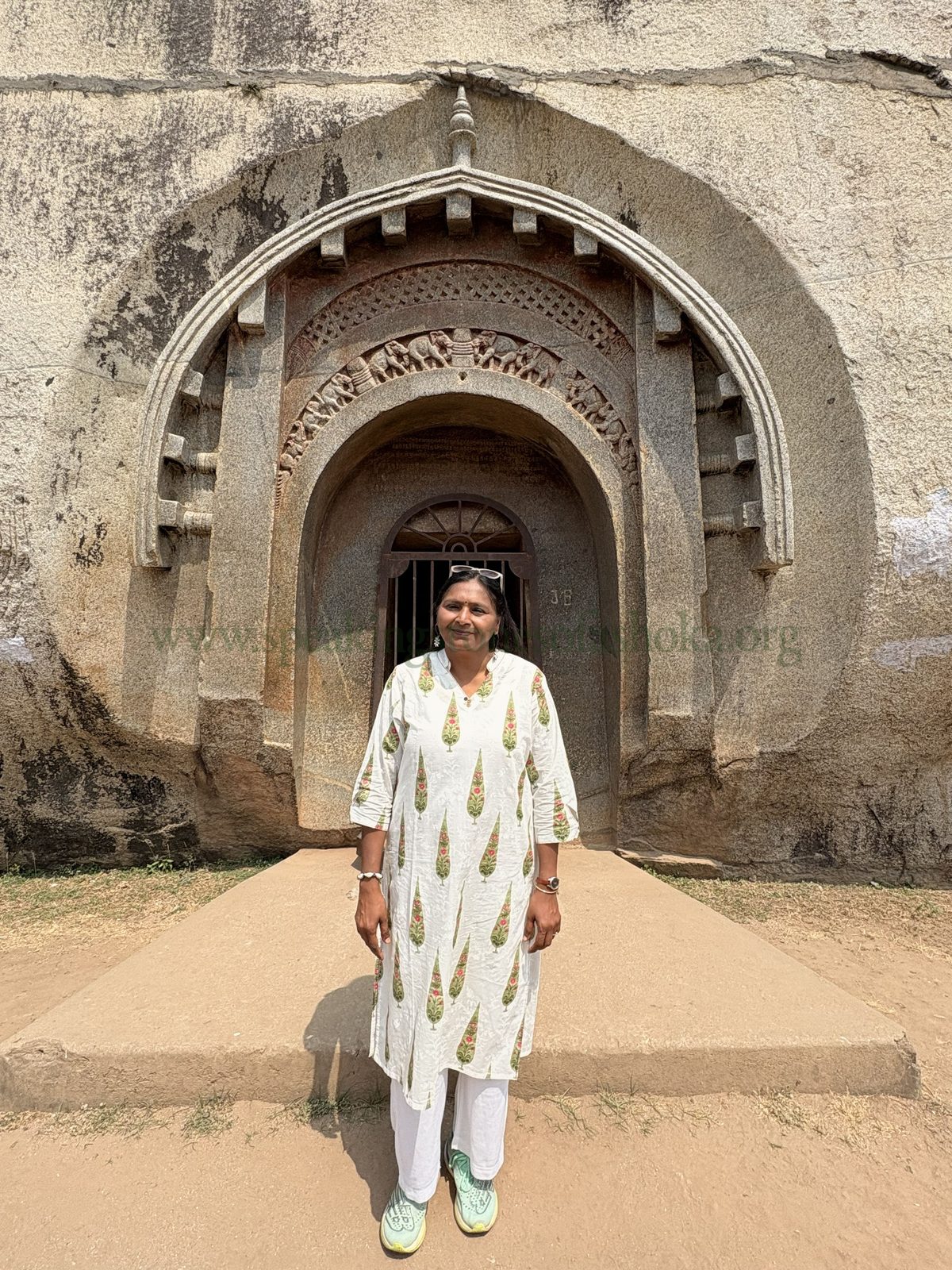
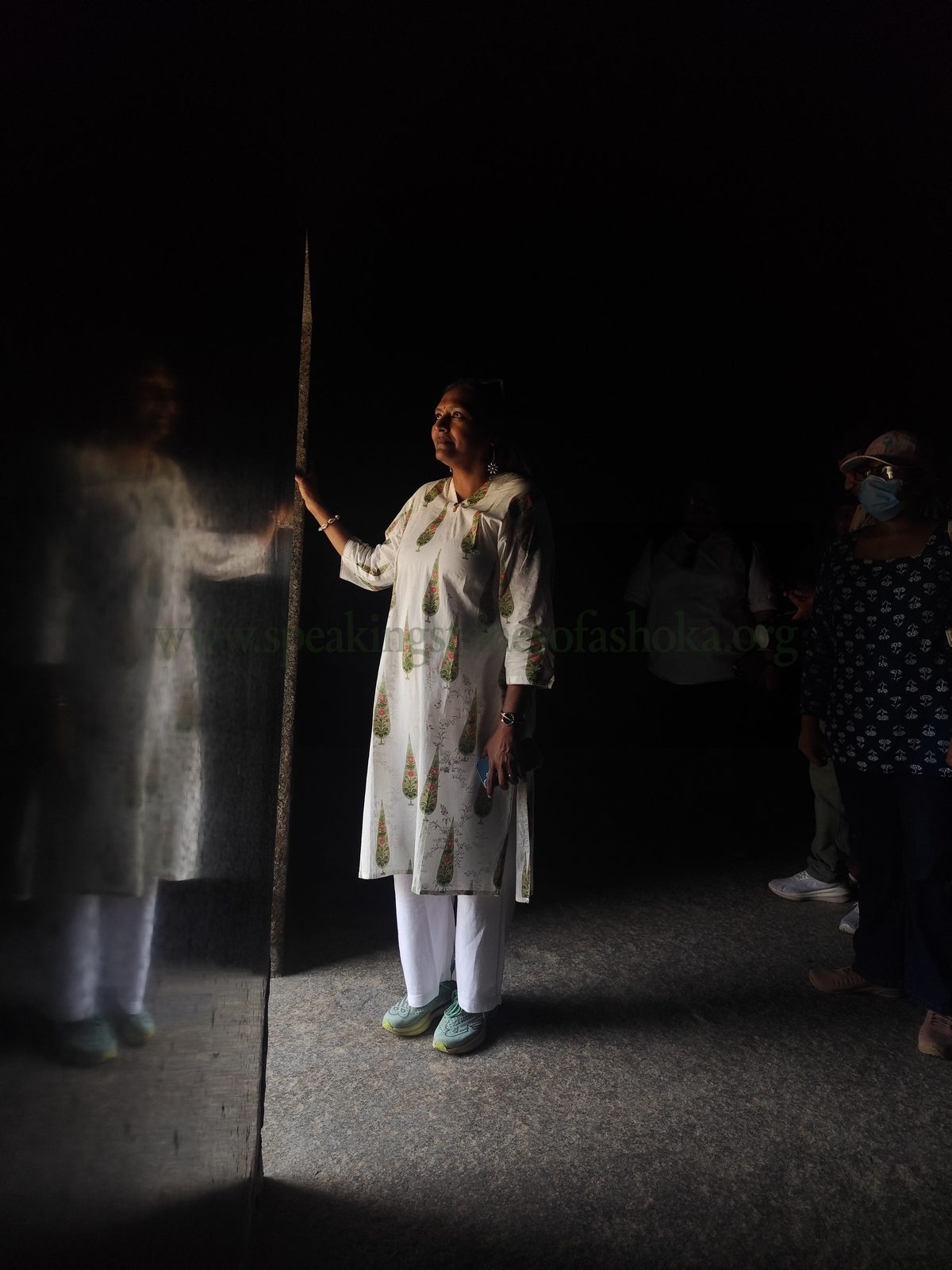
Captain Farkham Kittoe's visit to the site also needs some attention. Kittoe observes after his visit at the Barabar hills that the caves or chambers are an exception, entirely devoid of sculptures or ornaments of any kind. They are all seven in number; four in one hill and three in another, but the name 'Satgurba' commonly understood to mean "seven chambers" is applied to them together and he goes on to describe them in details. According to him: "Barabar are isolated rocks of seinitic granite rising abruptly from the plain about 15 miles north of the city Gyah, by the left bank of the Phulgo or Mahananda; the cluster is remarkable for its picturesque appearance, and for the noble masses of rock piled, as it were, one above the another, with hardly any soil, consequently little vegetation, and rising to various heights, from 100 to 3 or 400 ft". The name of his account is “Notes on the cave of Burabar”, Journal of Asiatic Society of Bengal. Kittoe took four hills into consideration i.e. Barabar, Nagarjuni, Kauvadol and the Dharavat hills and mentioned that the "highest being called "Burabur" also "Sidheswar" from a temple to Mahadeva that once crowned the highest. The next in height is the "Kowa Dol" which is detached from the rest by near a mile to the south-west. A third is called "Nagarjuni" and is the eastern most of the great cluster". The fourth and the smallest, called Durhawat, is at the northern extremity. One notes that while describing the caves in the Barabar group that Kittoe referred to the "Karun Chowpar" Cave. He described that it could be entered through a narrow Egyptian doorway. The room was placed east and west, and had a segmented roof, (all except the Viswa Mitra Cave). He is the only scholar who mentions this Egyptian style which needs to be explored further. He adds that he was obliged to pass the night in this chamber with a bundle of rice straw for his bedding and covering. Although the wind was very high and cold, the temperature within was not so unbearable as to prevent him from enjoying a good night's rest. His report also mentions that "the bears having been graciously pleased to forego their visits, as I kept a candle burning which I had accidentally brought with me". Thanks to the difficult situation in which he had to spend this night at Karna Chaupad, Kittoe discovered in the moon light that there was an inscription engraved on a square incuse. Kittoe says: "But to return to my subject, on the left corner of the door is the inscription number 5, plate IX, which is nearly obliterated, through the effects of the weather and probably by the hand of some fanatic, at a very remote period, it is much to be regretted, for there is just enough left to excite our curiosity and show that the record was valuable; I have restored as much as I well could; it appears to have entirely escaped notice hitherto, indeed, although a square space has been cut and polished, it is but barely perceptible, and not all in the strong light of noon-days; it is best seen by the clear moonlight stranding beneath. I lay down to rest, to trace all the visible letters with red ochre; sunrise and sunset are also favorable periods, which I remarked upon in my notes on the inscriptions of Cuttack”.
Kittoe in his account also refers to Patala Ganga the reservoir at the base of the Siddheswar hill. He observed that the visitor was led to a strong spring of clear water murmuring through the fissures of the rock at the base of the northern ridge and disappearing underground beyond a basin or small reservoir of modern construction. Kittoe adds that: "We are next led up the steep slippery face of a bare mass of sicinite for more than a hundred feet when the remains of a rudely constructed wall (connecting the masses of rock) appear; passing these for a short distance, and sliding down a block, were smooth by the process, we find ourselves beside the first cave ... called "Viswa Mitra". The first apartment is square or rather pyramidical like Egyptian works. The dimensions being 7'9" at top and 8'9" at the base; the height 6'8. 1/2" outside, 6' 71/2" at the inner end, in the centre of which is a doorway likewise narrow at top and wide at the base ...Leaving this cave we pass under the mass of rock in which it is seated, in an easterly direction between huge detached masses, here and there connected with rude walls or piles of stone; some fallen pillars and hewn blocks are the only remains of what was once a gateway.
Nagarjuni Caves
J. H. Harington in 1798 visited only the Gopika cave of Nagarjuni hill and later Buchanan in 1811 visited all the three caves of Nagarjuni hill.
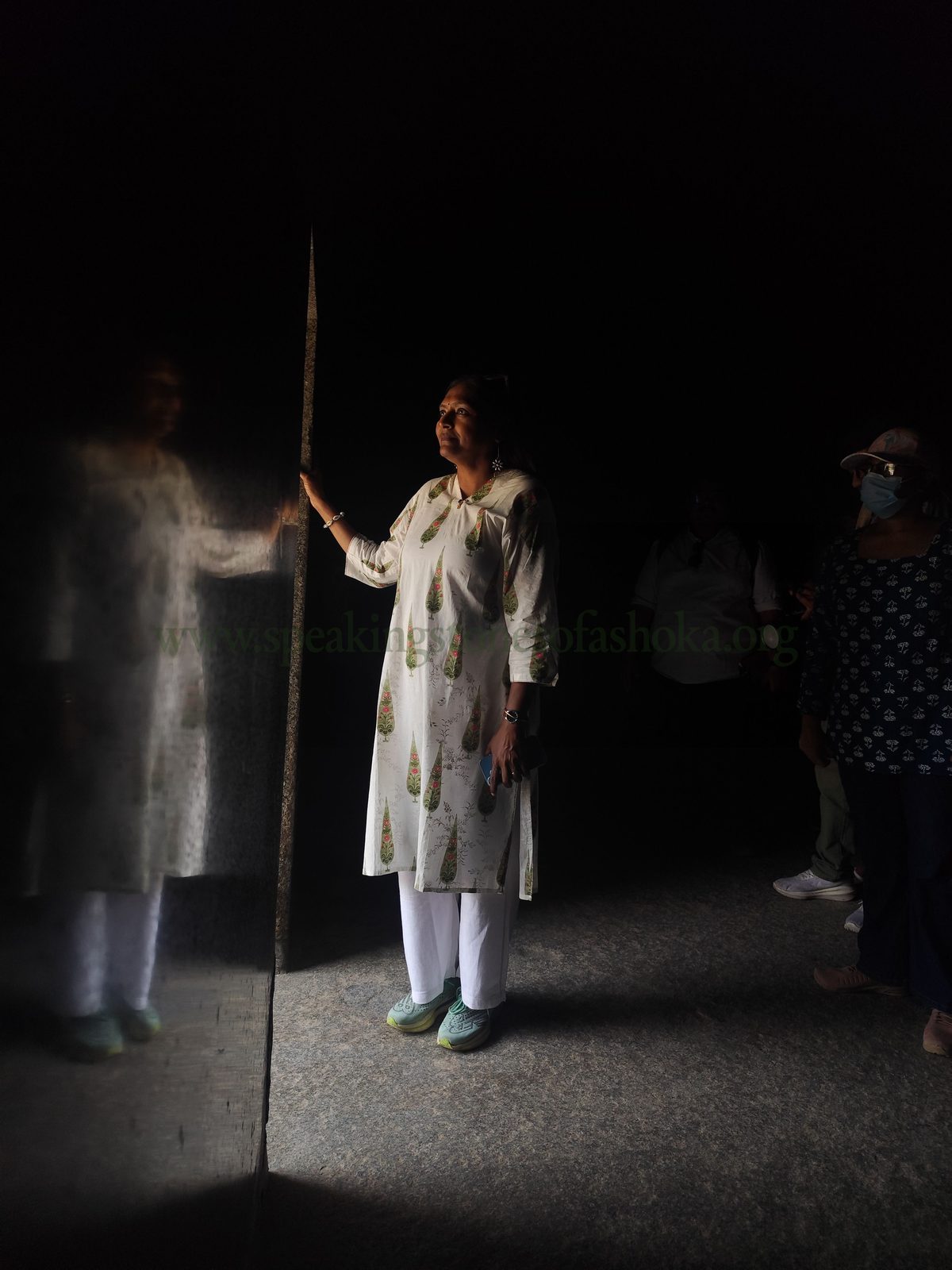
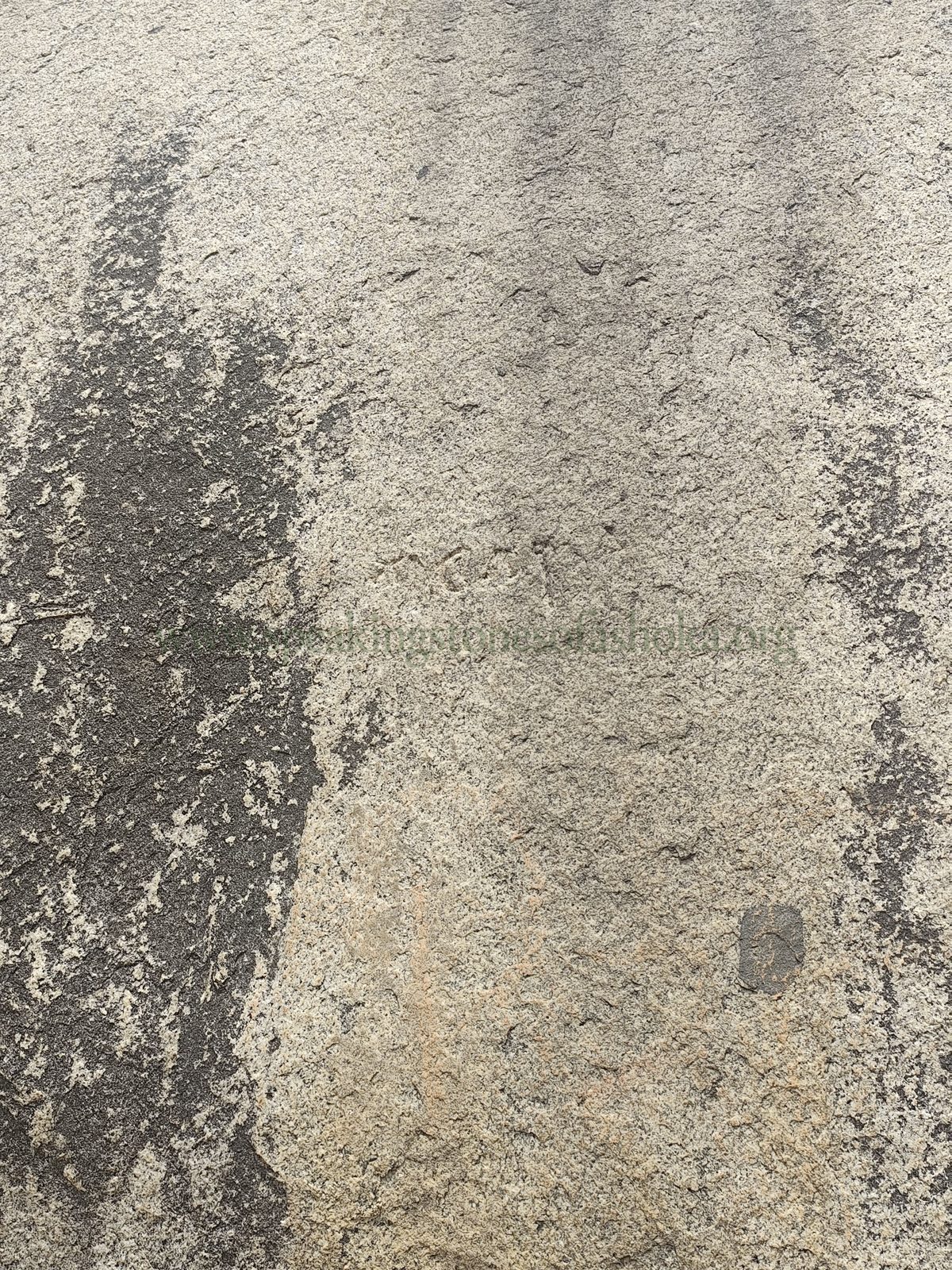
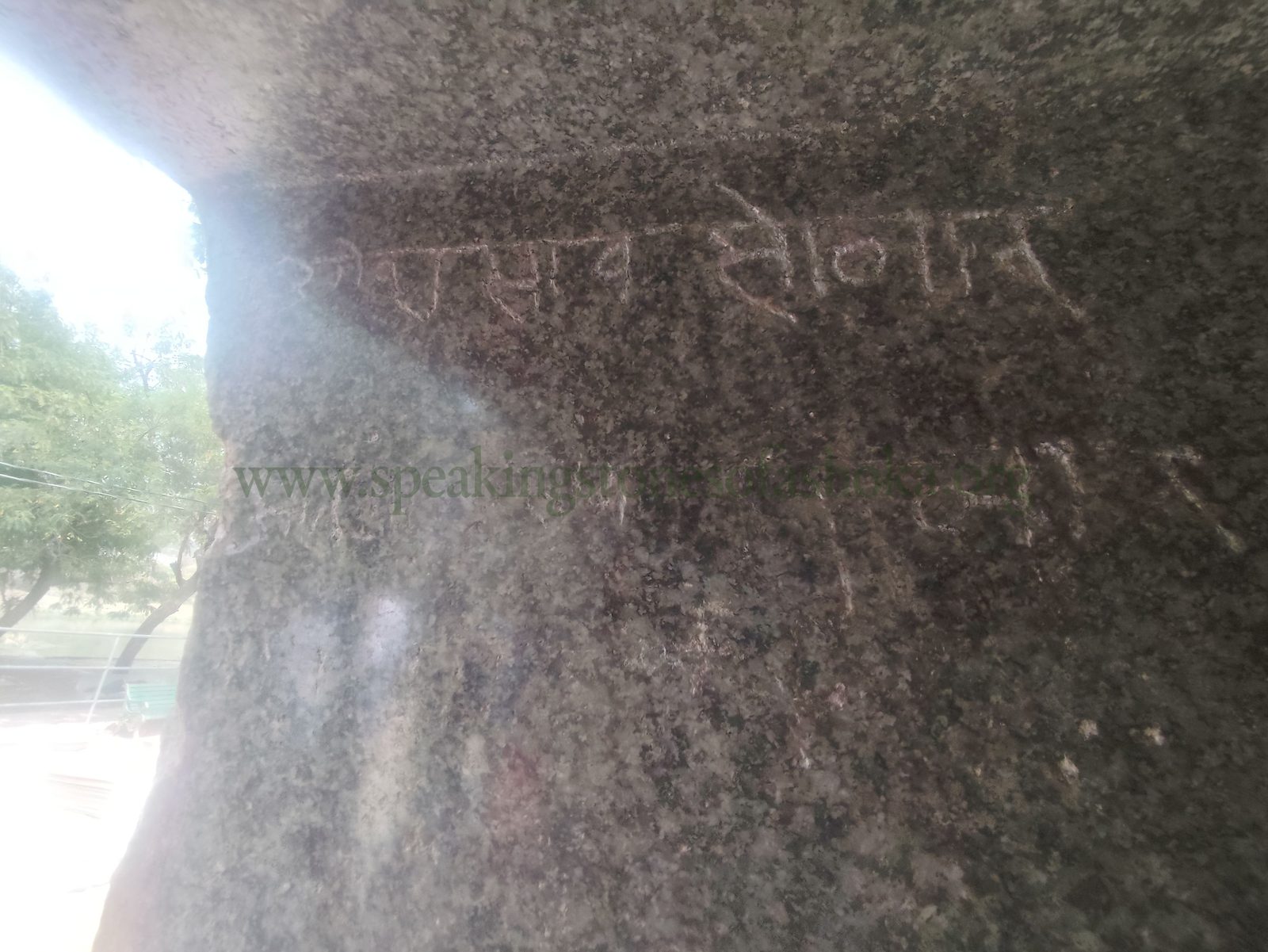
Gallery
Inscriptions at this site
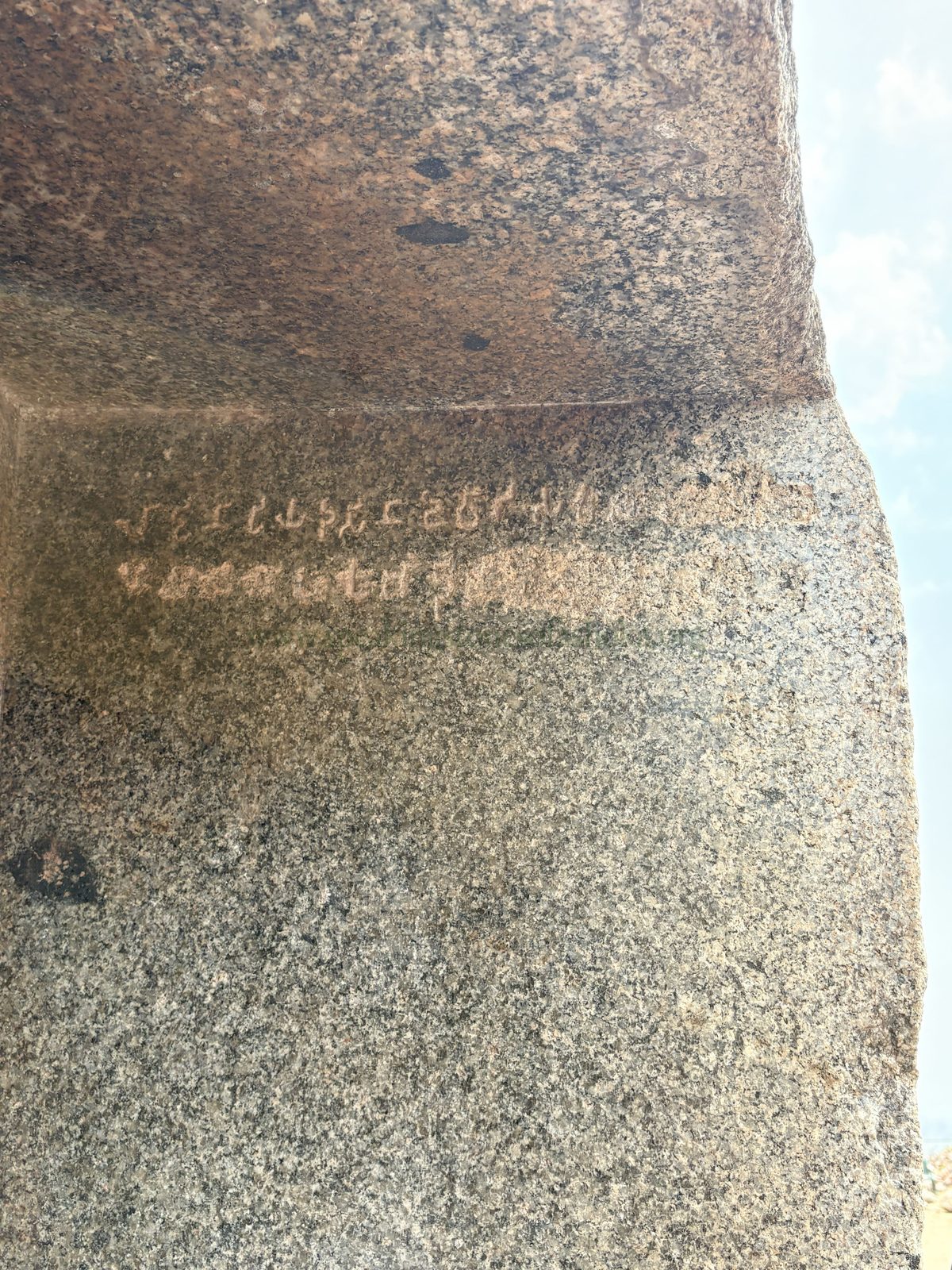
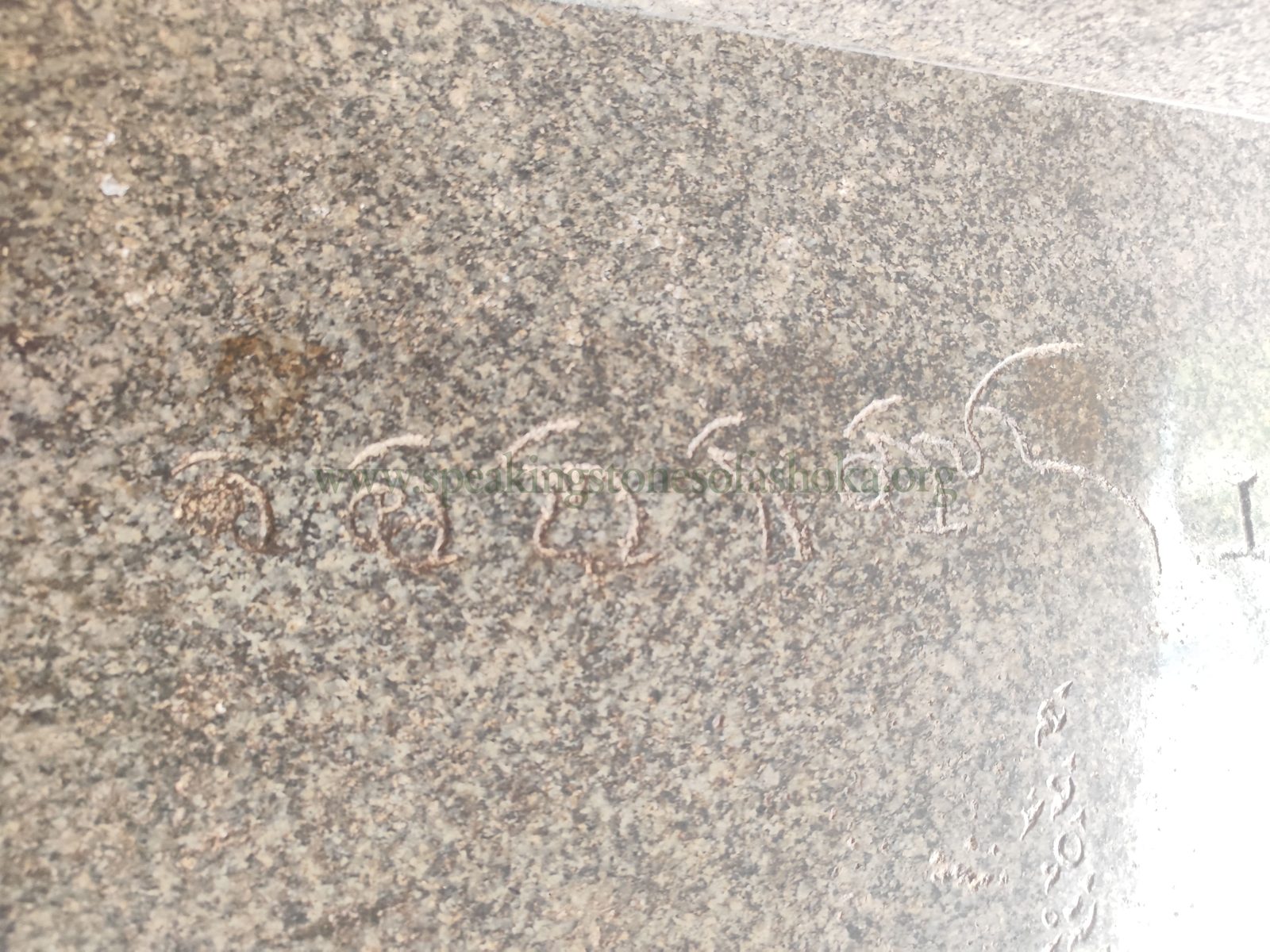
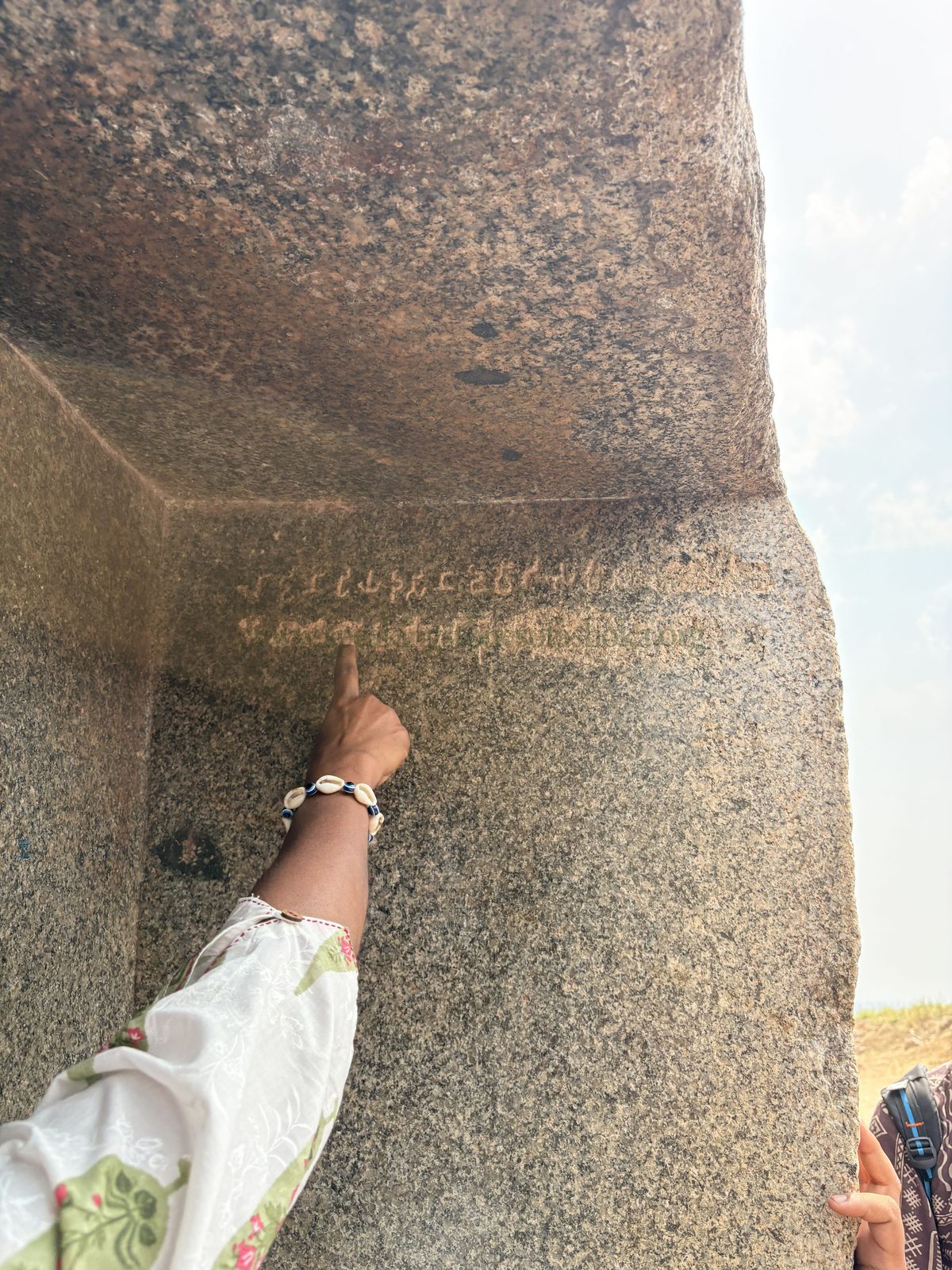
Viswa Jhompri or Visvamitra Cave Inscription of Asoka (Outside of the Cave)
Barabar-Viswa Jhompri or Visvamitra Cave Inscription of Asoka (Outside of the Cave)
Viswa Jhompri or Visvamitra Cave Inscription of Asoka
Inscription 21: Barabar- Viswa Jhompri or Visvamitra Cave Inscription of Asoka
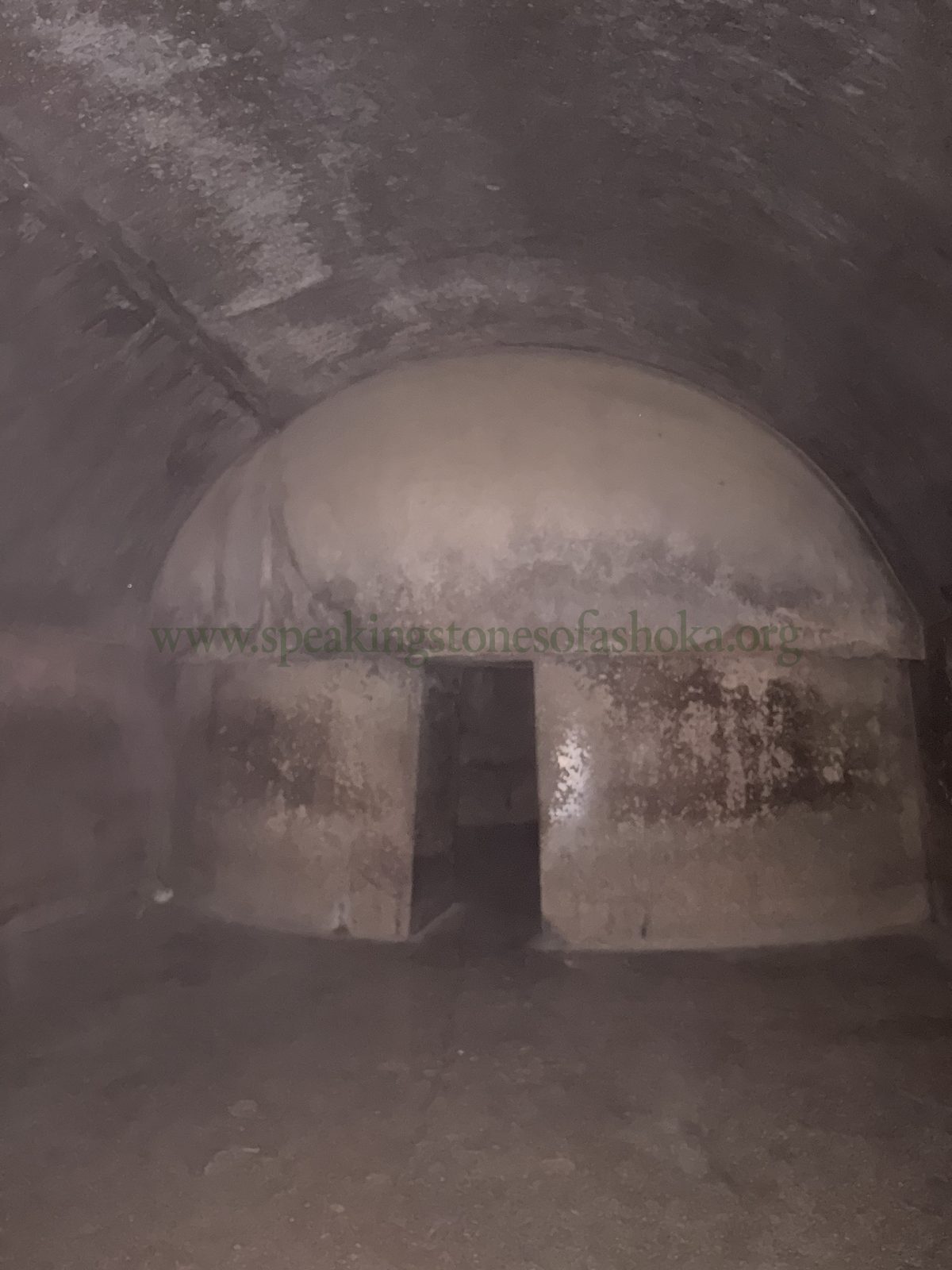
Sudama Cave (Nigoha Kubhā) inscription of Asoka
· Barabar- Sudama Cave (Nigoha Kubhā) inscription of Asoka
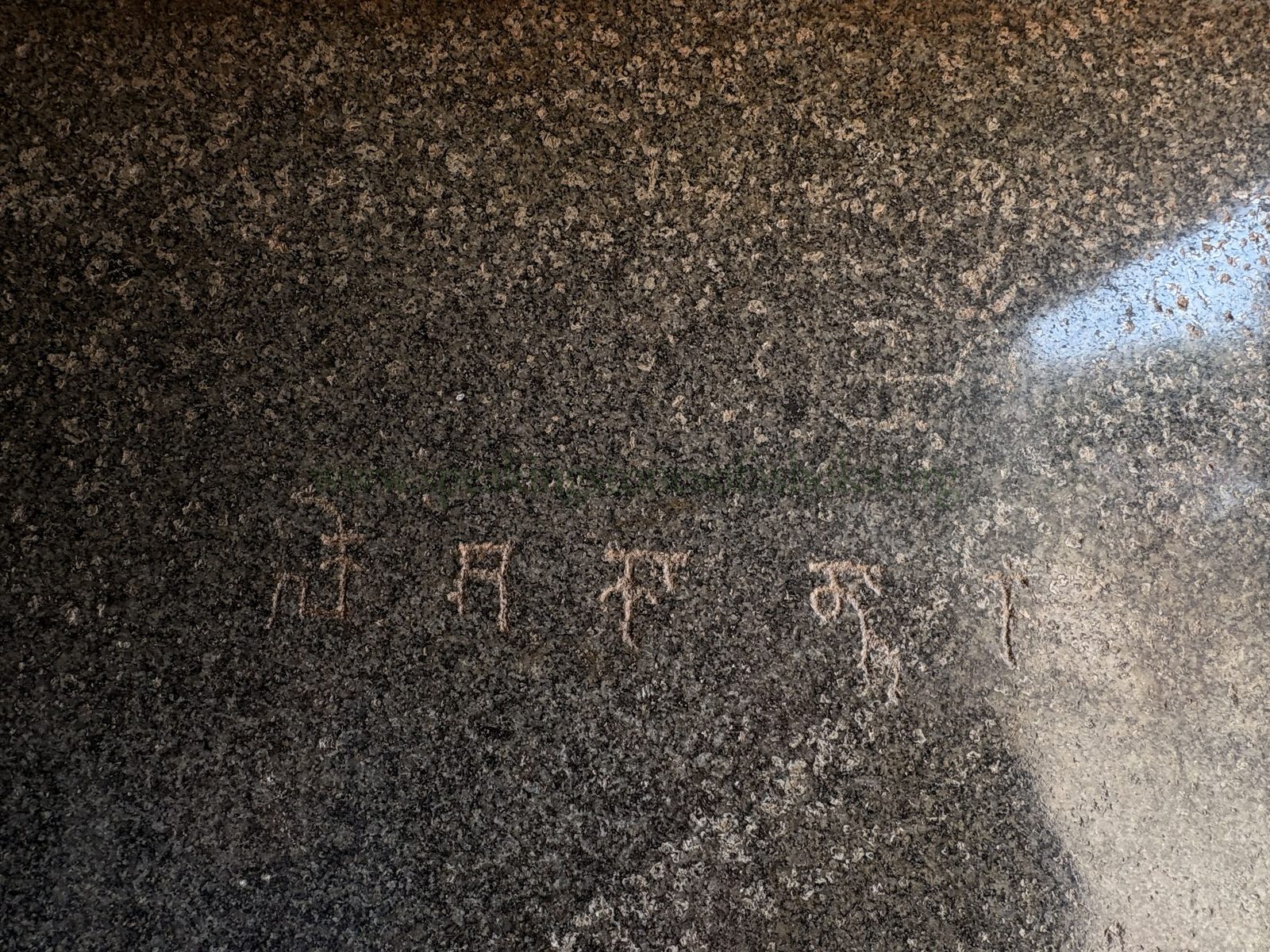
Karna Chaupad Cave Inscription of Asoka
· · Barabar- Karna Chaupad Cave Inscription of Asoka