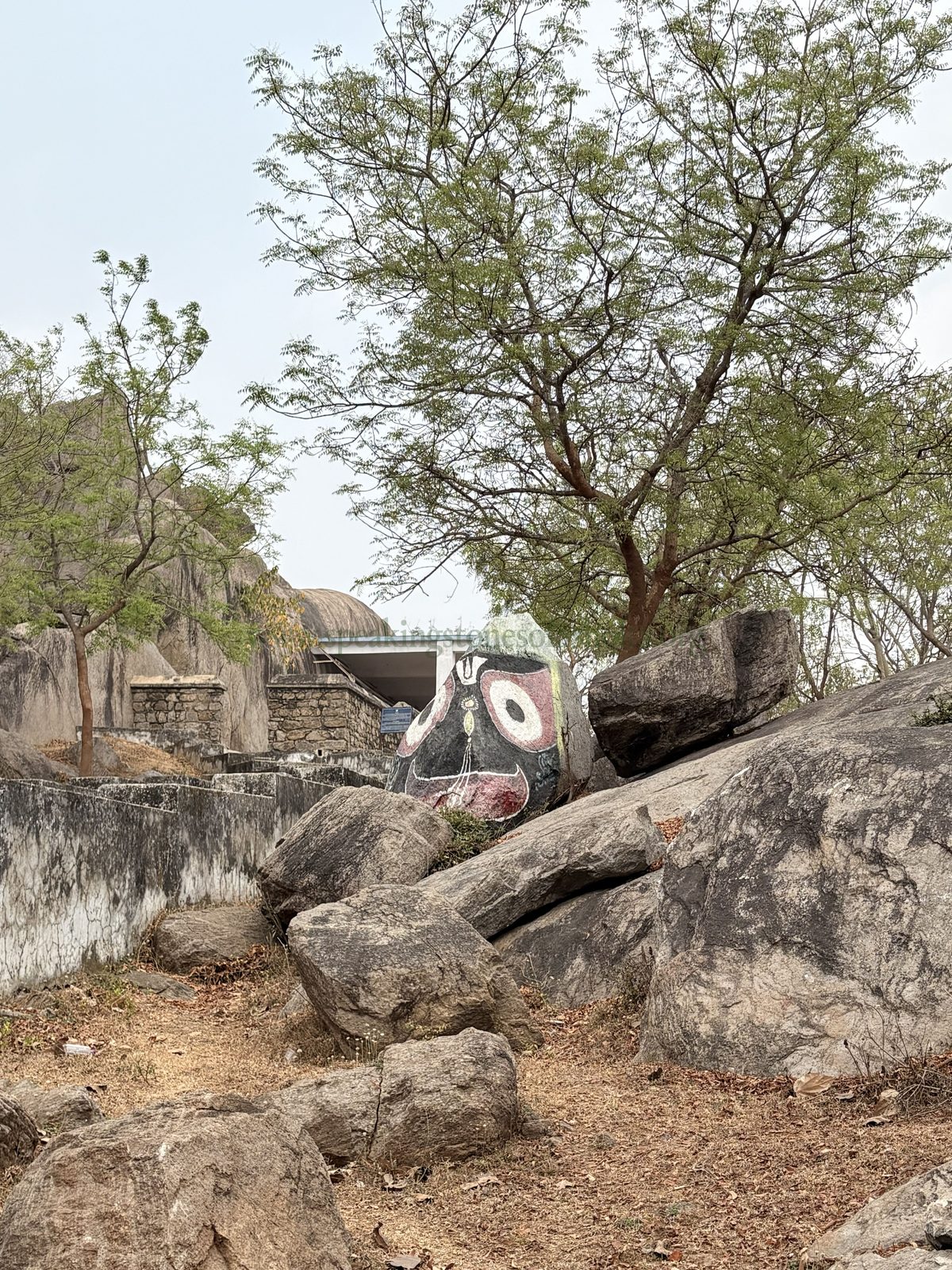
A first reading of some initial words was published by Prinsep 1837a: 471. Kittoe gave his report in 1838a: 435: “I had the good fortune to discover by the merest accident: a byragí priest, native of Mirzapoor near Benares having described it to me; such, however, is the aversion…, Odisha, India
Date
c. 260–250 BCE
Script
Brahmi
Language
Prakrit
Type
Major Rock Edict
Coordinates
20.1833° N, 85.8333° E
Overview
Discovery of Dhauli
1. Asokan Sites and Artefacts - Harry Falk
Page-113-114
Discovery:
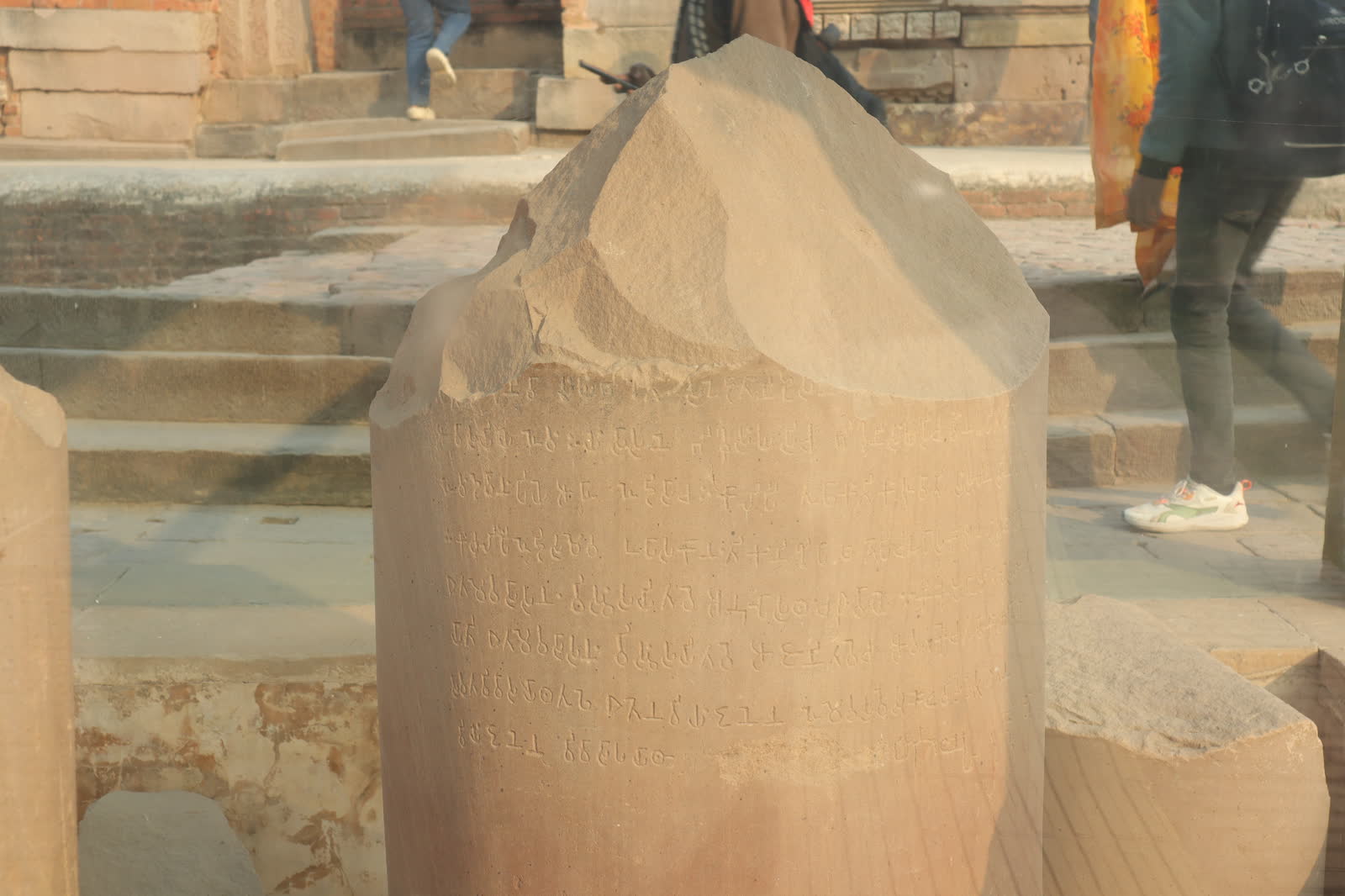
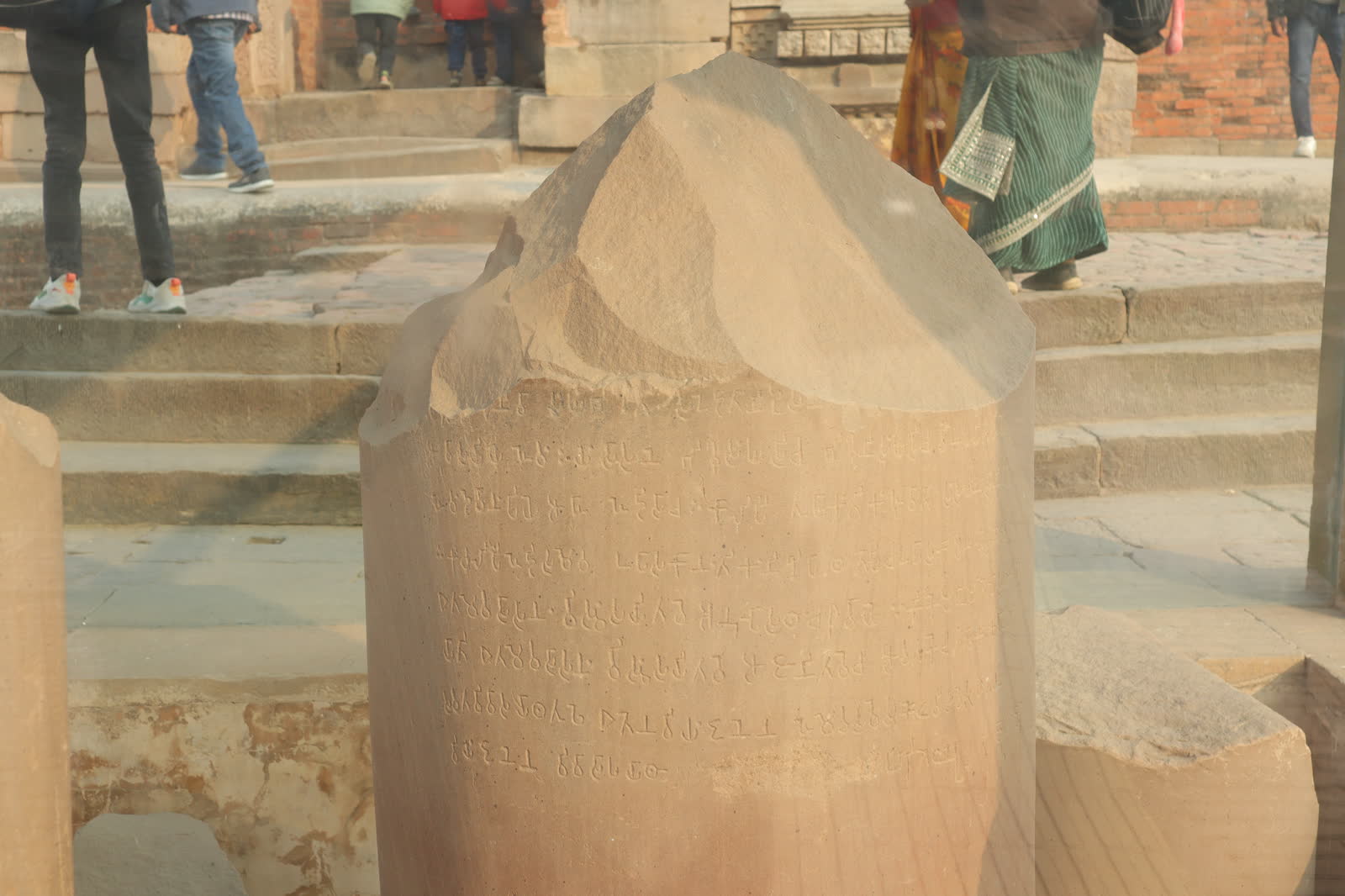
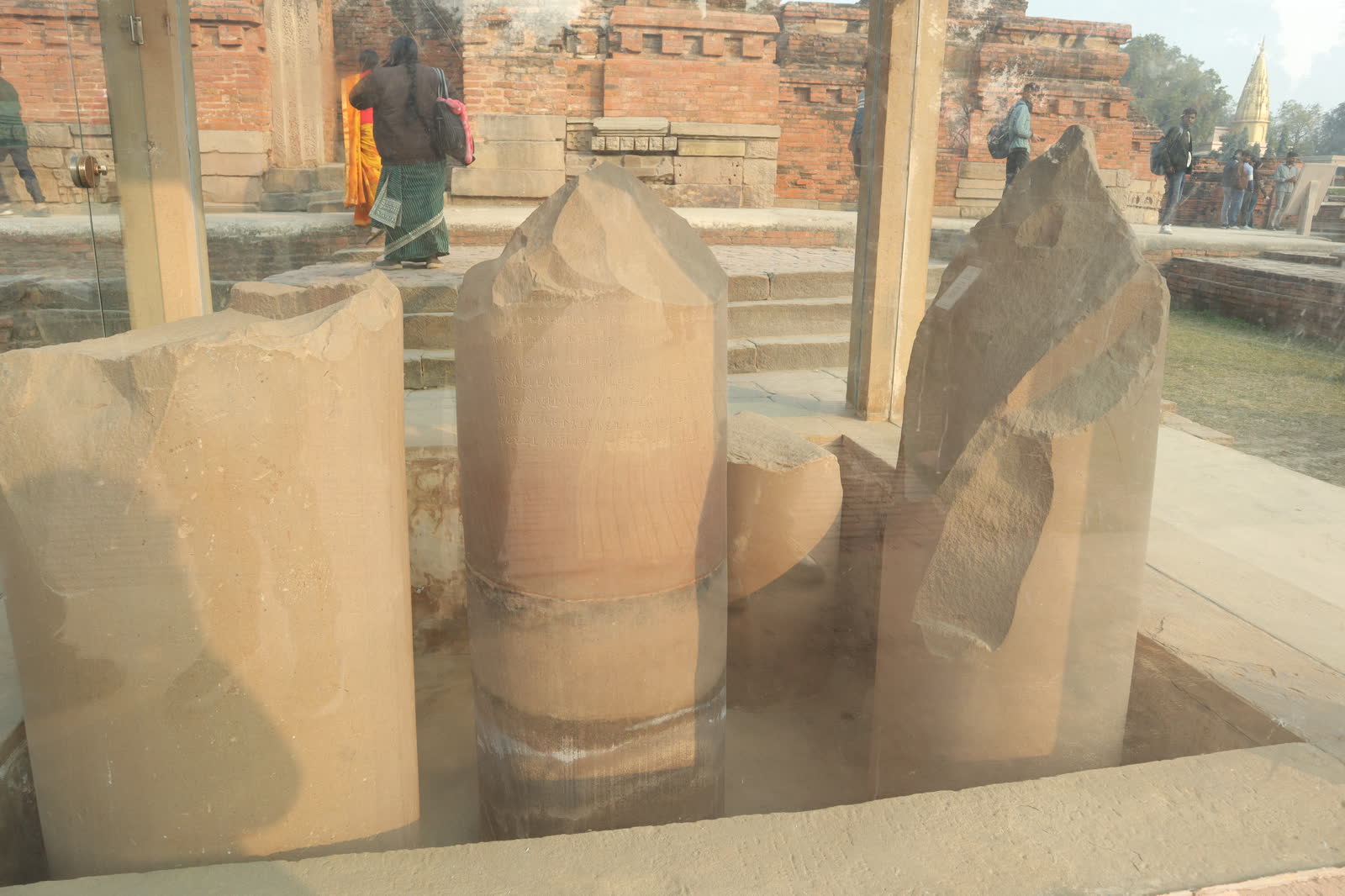
A first reading of some initial words was published by Prinsep 1837a: 471. Kittoe gave his report in 1838a: 435: “I had the good fortune to discover by the merest accident: a byragí priest, native of Mirzapoor near Benares having described it to me; such, however, is the aversion the Ooriyahs have, to our going near their places of worship, that I was actually decoyed away from the spot, when within a few yards of it, being assured that there was no such place,and had returned for a mile or more, when I met with a man who led me back to the spot by torch-light. I set fire to the jangal and perceived the inscription which was completely hidden by it.” Later, Kittoe went to the rock “before day-break and had to wait till it was light; for the two bear cubs which escaped me there last year,when I killed the old bear, were now full grown and disputed the ground” (1838b: 684). Today, all memory of bears once living in this area is gone.
Kittoe (1838a: 451) reported an old name asvastama for the rocks with the inscriptions, but today nothing similar to asvastama has any meaning to the local population…
1 (A) . . . . . . . . . [si pava]tasi [D]e[v]ā[na]ṁp[iy] . . . . . . . . [nā lājinā l]i[khā]
. . . . . . . . . [i]vaṁ ālabhitu pajo[h] . . . . . .
2 (C) [no pi ca sam]ā[je] . . . . . . . . . [samā]ja . . [d] . . . . . . . . (E) . . . . [pi
cu] . . . . [t]i[y]ā [sam]ā[jā] s[ā]dhu-matā Dev . . . . . . . . . .
3 [Piyadasine lā]j[ine] (F) . . . . . . [mah] . . . . . . . . . Piy[a] . . . . . . . . [n]i
[p]āna-[sa]ta . . . . . . . . [ā]labhiyisu sūpathāy[e]
4 (G) se a[ja] adā [iyaṁ dha]ṁ[ma]-lipī likhitā tiṁ. . . . . . . . . [āla]bh[iy] . . . . . . . .
[t]iṁni pānāni pachā n[o] āl[aṁ]bhiyisa[ṁ]t[i]
Translation
(A)This rescript on morality has been caused to be written on the Khēpiṇgala mountain by king Devānaṁpriya Priyadarśin.
(B) Here no living being must be killed and sacrificed.
(C)  And also no festival meeting must be held.
(D)For king Devanampriya Priyadarśin sees much, evil in festival meetings.
(E) But there are also some festival meetings which are considered meritoious by king Devānaṁpriya Priyadarśin.
(F) Formerly in the kitchen of king Devānaṁpriya Priyadarśin many hundred thousands of animals were killed daily for the sake of curry.
(G)But now, when this rescript on morality is written, only three animals are being killed (daily), (viz.) two peacocks (and) one deer, but even this deer not regularly.
(H)But even these three animals shall not be killed in future.

 Jaugada