(A) These rescripts on morality [have been caused] to be written by king Devānaṁpriya Priyadarśin . . . . . . . . . or of middle (size), or at full length. (B) For the whole was not suitable everywhere. (C) For (my) dominions are wide, and much has been written, [and I] shall cau…
Location
A first reading of some initial words was published by Prinsep 1837a: 471. Kittoe gave his report in 1838a: 435: “I had the good fortune to discover by the merest accident: a byragí priest, native of Mirzapoor near Benares having described it to me; such, however, is the aversion…, Odisha, India
Date
c. 260–250 BCE
Script
Brahmi
Language
Prakrit
Type
Major Rock Edict
Coordinates
20.1833° N, 85.8333° E
Overview
Discovery of Dhauli
1. Asokan Sites and Artefacts - Harry Falk
Page-113-114
Discovery:
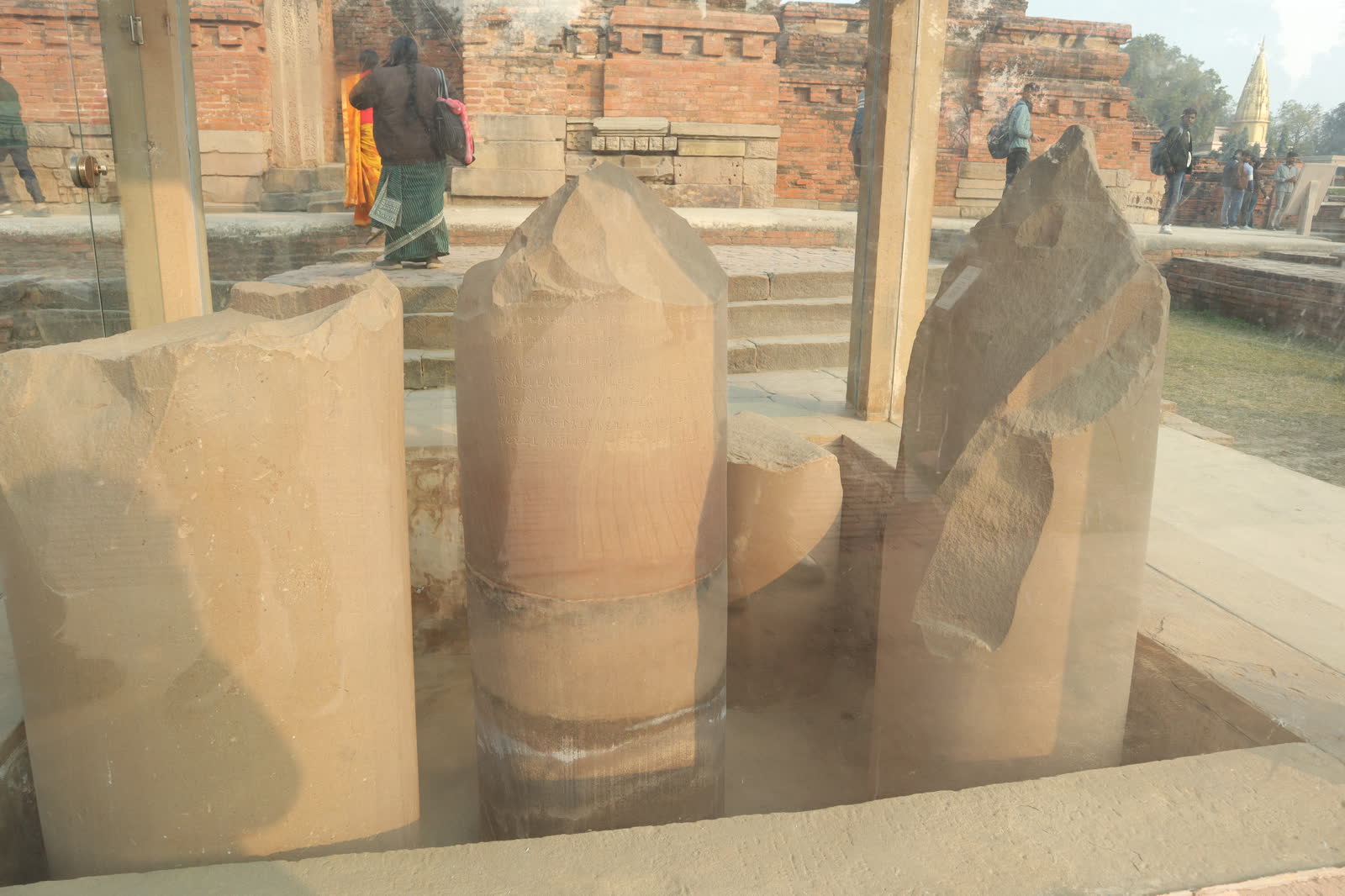
A first reading of some initial words was published by Prinsep 1837a: 471. Kittoe gave his report in 1838a: 435: “I had the good fortune to discover by the merest accident: a byragí priest, native of Mirzapoor near Benares having described it to me; such, however, is the aversion the Ooriyahs have, to our going near their places of worship, that I was actually decoyed away from the spot, when within a few yards of it, being assured that there was no such place,and had returned for a mile or more, when I met with a man who led me back to the spot by torch-light. I set fire to the jangal and perceived the inscription which was completely hidden by it.” Later, Kittoe went to the rock “before day-break and had to wait till it was light; for the two bear cubs which escaped me there last year,when I killed the old bear, were now full grown and disputed the ground” (1838b: 684). Today, all memory of bears once living in this area is gone.
Kittoe (1838a: 451) reported an old name asvastama for the rocks with the inscriptions, but today nothing similar to asvastama has any meaning to the local population…
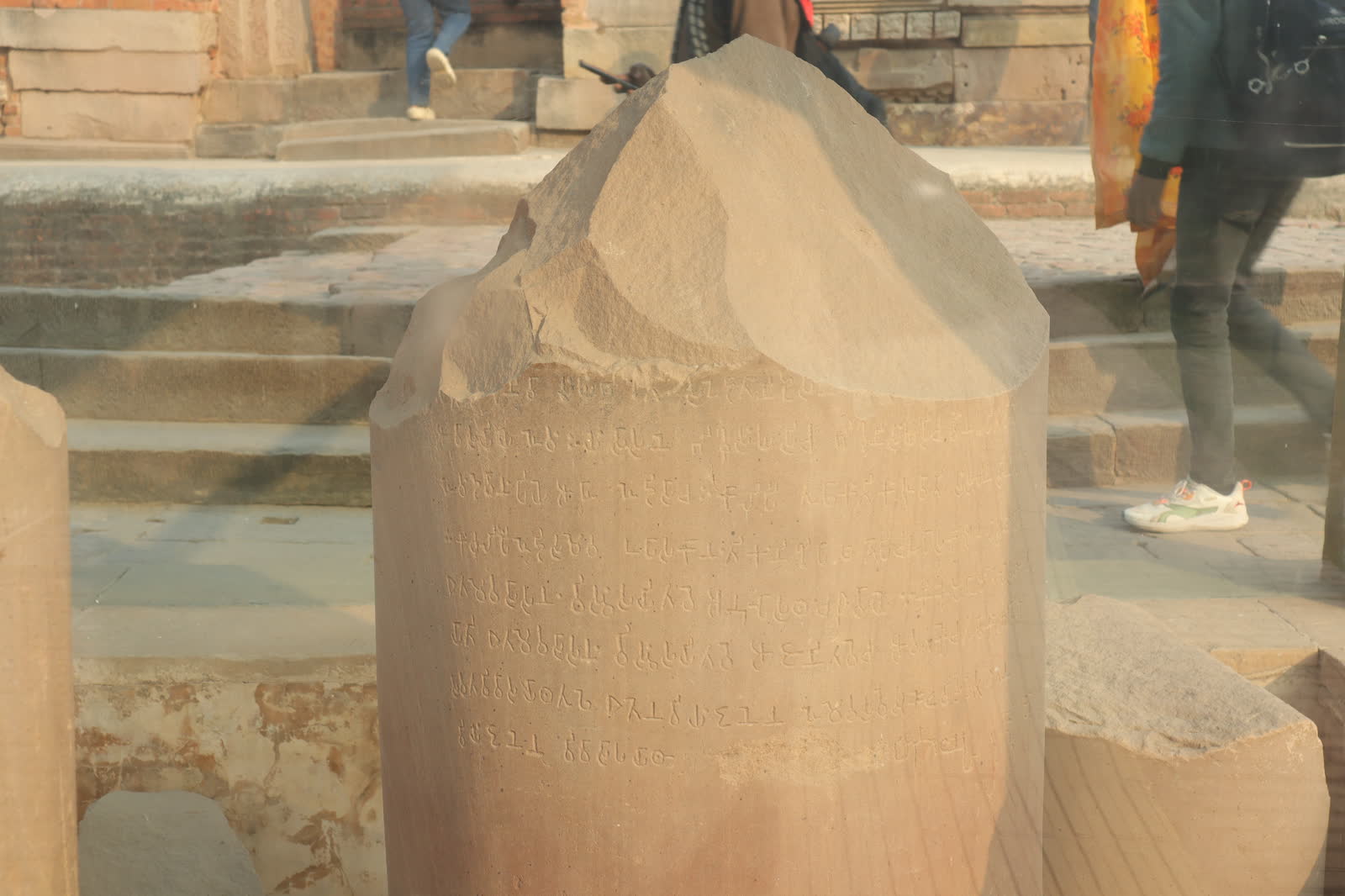
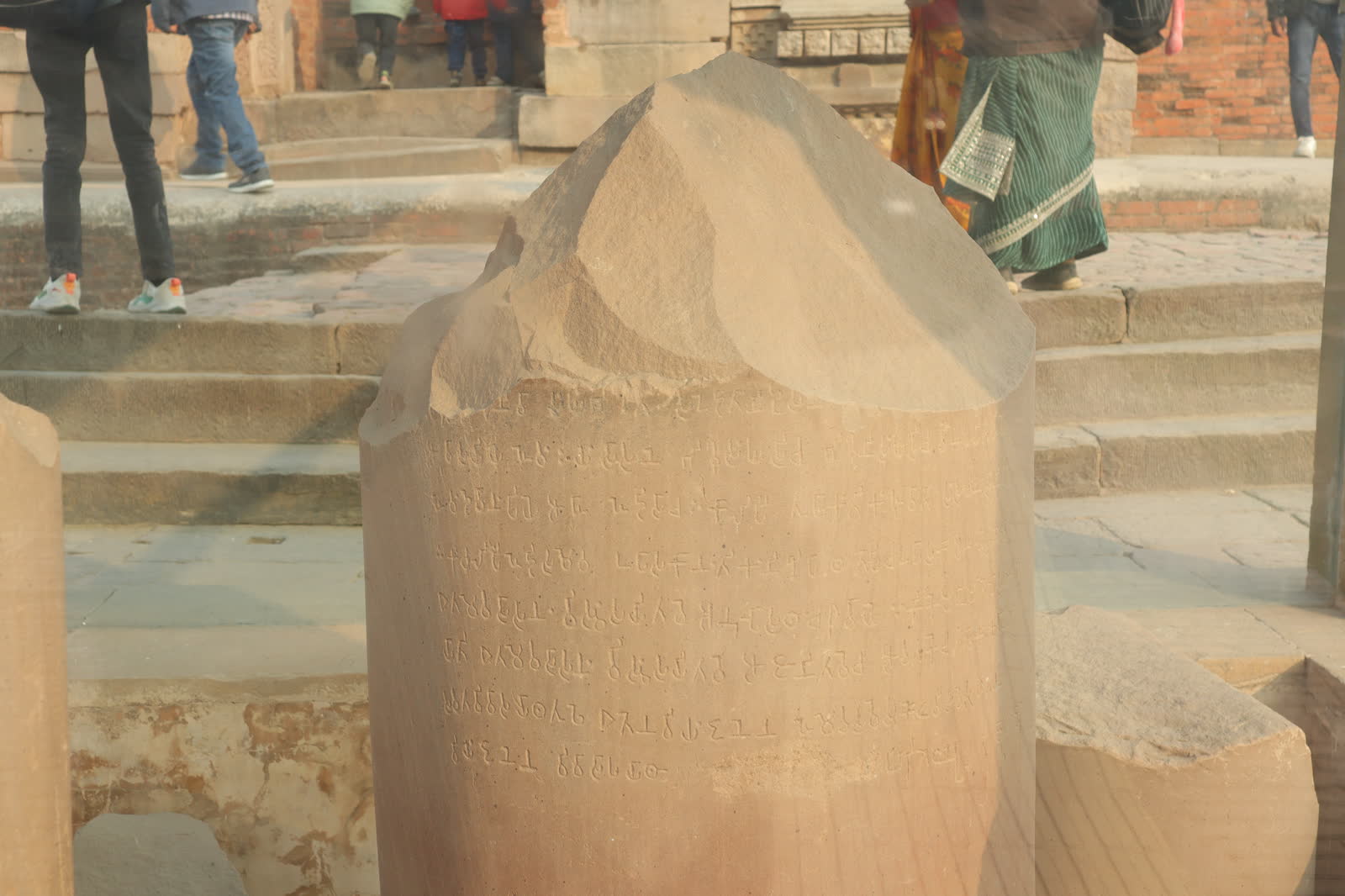
1 (A) iyaṁ dhaṁma-lipī De[v]ānaṁpiyena Piyada[sin]ā lāj[inā likhā] athi ma[jhimena] . . . . [h]i save sav[a]ta ghaṭite
2 (C) mahaṁte hi vijaye bahu[k]e ca likhite likhiyis . . . . . (D) [a]thi . . . . . . [vu]te ta[sa] . . . . [y]āy[e]
3 [k]iṁti ca j[a]ne tathā paṭipajeyā ti (E) e pi cu heta asamati likhit[e s] saṁ . [lochay]itu . . . . . . . k[a]l[ā] . . . . [t]i
Translation
(A) These rescripts on morality [have been caused] to be written by king Devānaṁpriya Priyadarśin . . . . . . . . . or of middle (size), or at full length.
(B) For the whole was not suitable everywhere.
(C) For (my) dominions are wide, and much has been written, [and I] shall cause [still] (more) to be written.
(D) . . . . . . . . . has been stated . . . . . . . . . because of the charm of [certain topics], and in order that men should act accordingly.
(E) But whatever of this is written incompletely . . . . . . . .

 Jaugada