Original Text
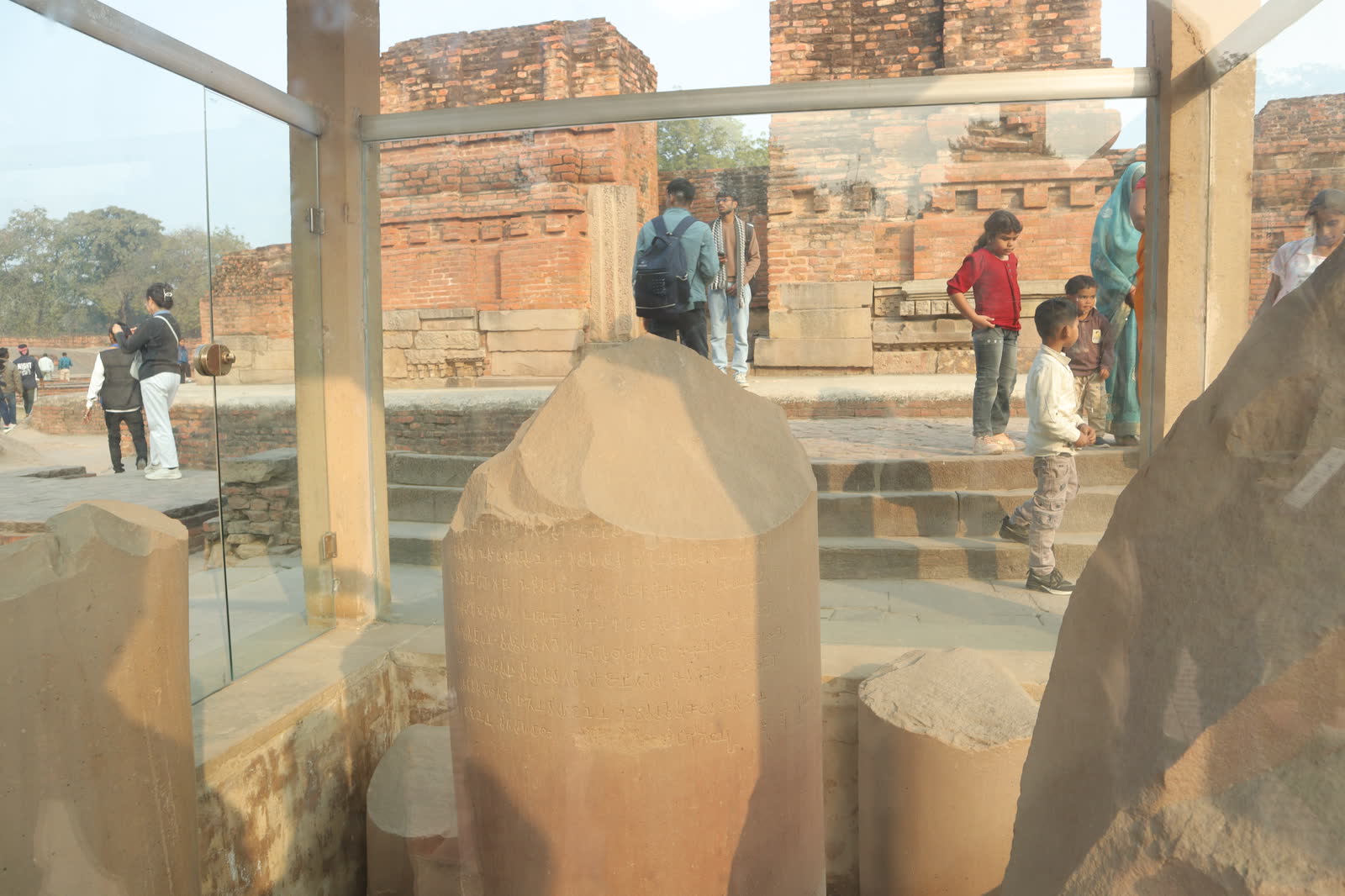
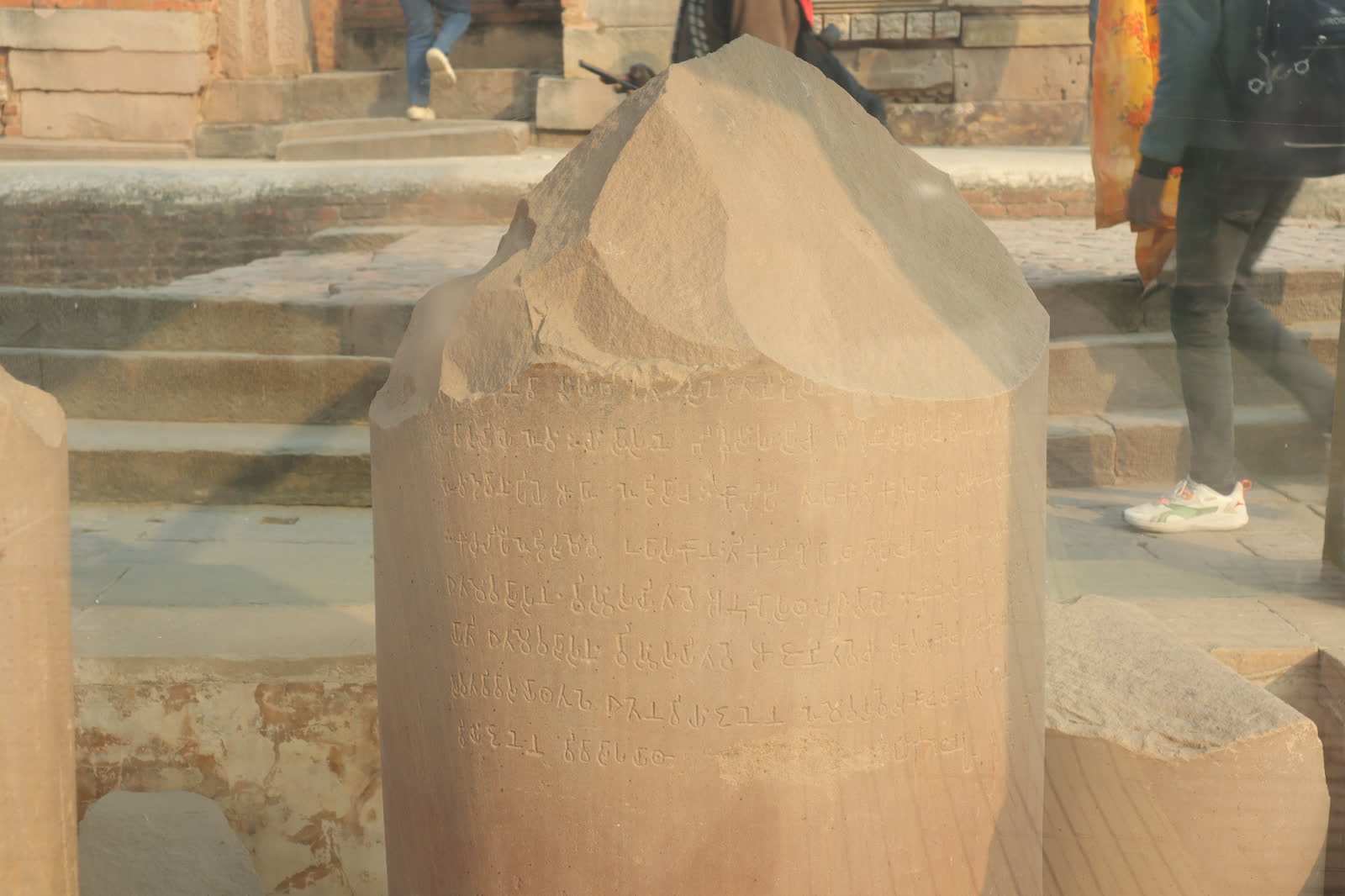
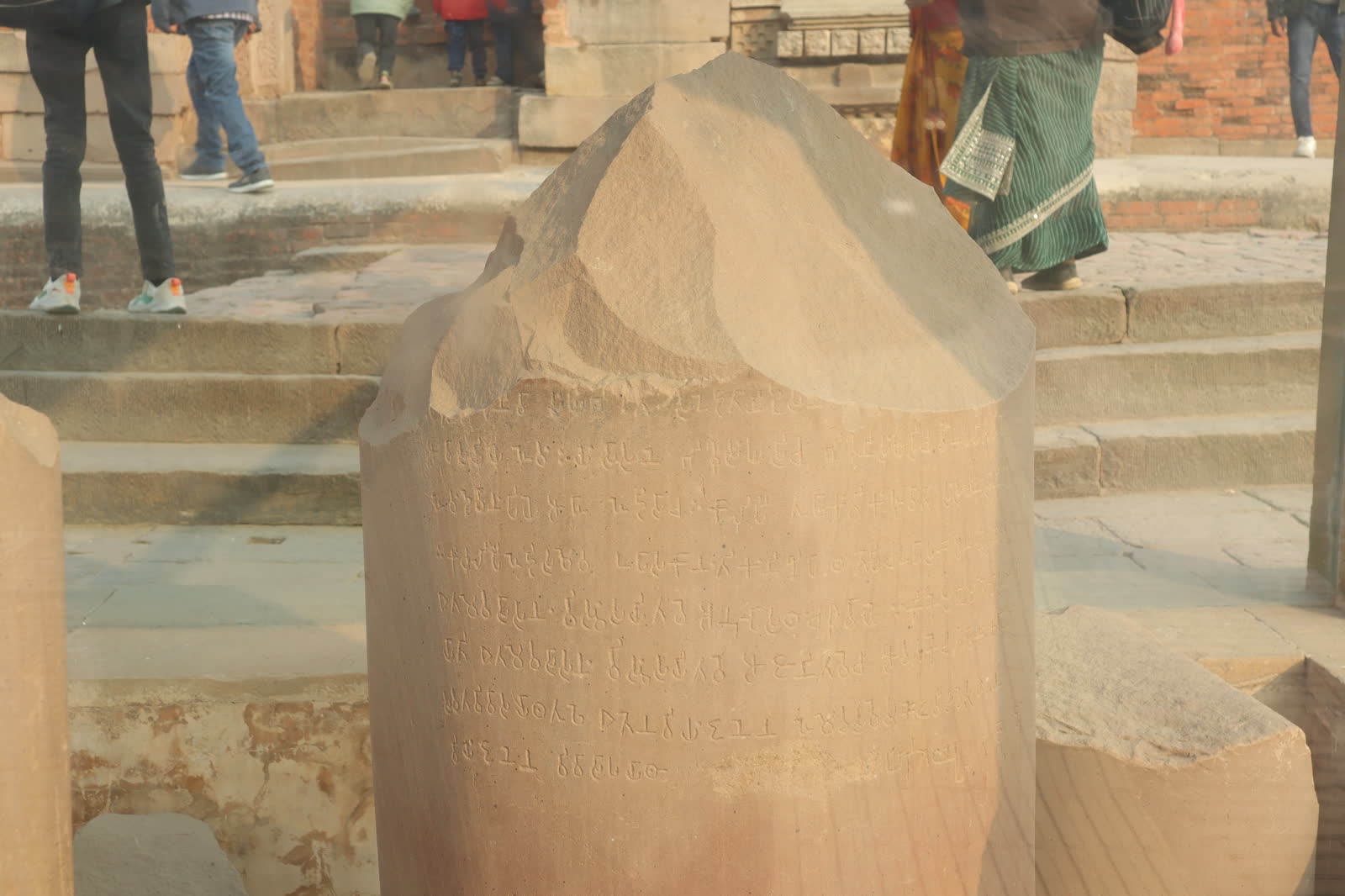
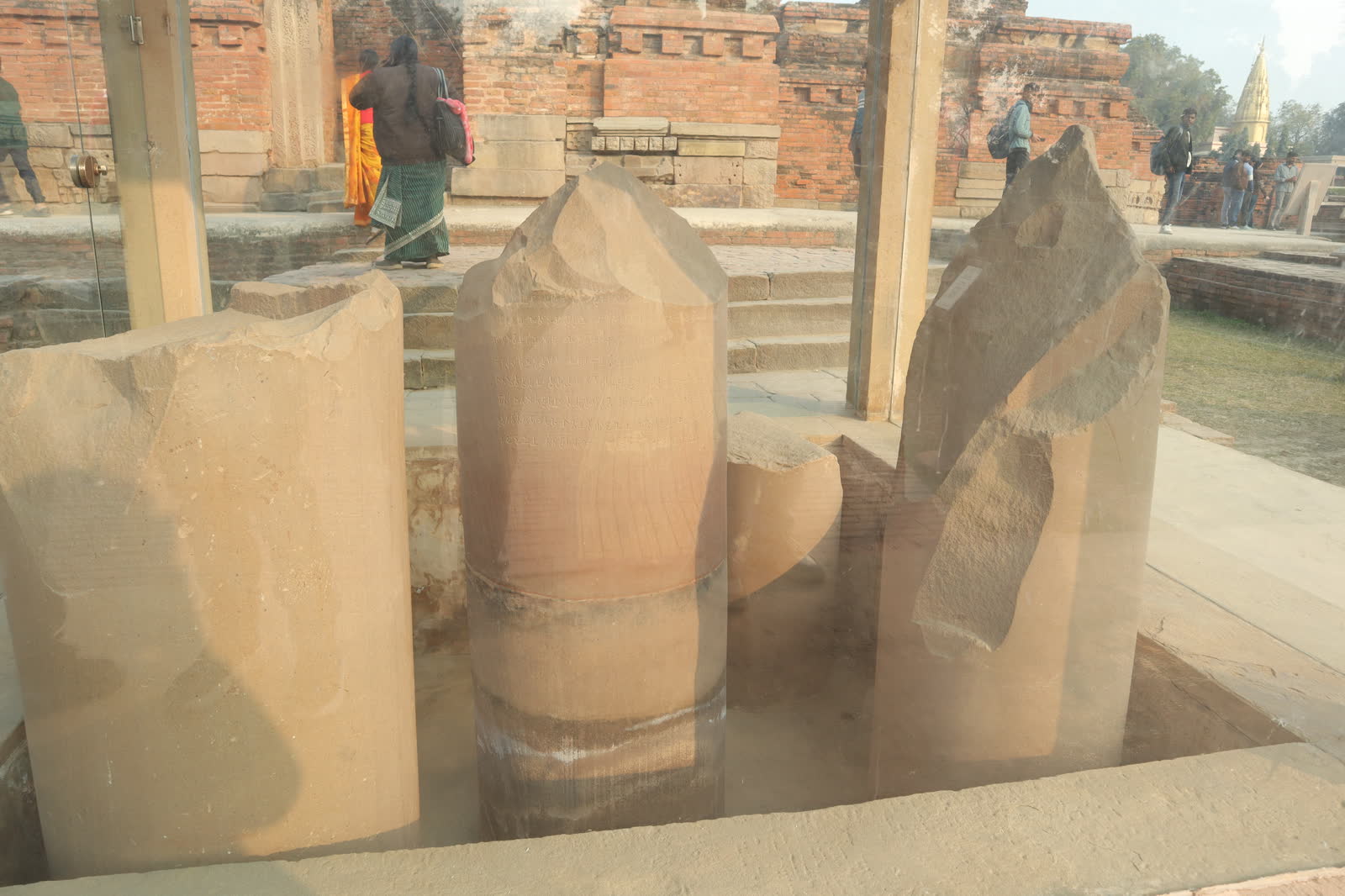
1 (A) Devānaṁpiye Piyadasī lājā hevaṁ āhā (B) duvādasa-vasābhisitena me
iy[a]ṁ ānap[ay]i . . (C) . . . [ta v]i[j]it[a]si m[e] yut[ā] la[j]u[k]e . . . . . . . .
2 paṁcasu paṁcasu vasesu anusayānaṁ nikhamāvū athā aṁnāye pi [ka]ṁ[ma]ne
hevaṁ imā[y]e [dhaṁ]mānus[ath]iy[e] (D) [s]ādh[u] māt[ā]-p[i]t[i]su su[s]ūs[ā
m] . . . . . . . .
3 nātisu ca baṁbhana-samanehi sādhu dāne jīvesu anālaṁbhe sādhu apa-viy[a]t[ā]
apa-bh[aṁ]ḍatā sādhu (E) p[a]lisā pi ca . . . . [nas]i y[u]t[ān]i ā[na]p[ay]is[a]ti
[he]tut[e] c[a] vi[yaṁja] . . . . . .
Translation
(A) King Devānaṁpriya Priyadarśin speaks thus.
(B) (When I had been) anointed twelve years, the following was ordered by me.
(C) [Everywhere] in my dominions the Yuktas, the Lajuka, and the Prādelśika shall set out on a complete tour (throughout their charges) every five years, just as for other business, even so for the following instruction in morality.
(D) ‘Meritorious is obedience to mother and father, to friends and acquaintances, and to relatives. Liberality to Brāhmaṇas and Śramaṇas is meritorious. Abstention from killing animals is meritorious. Moderation in expenditure (and) moderation in possessions are meritorious.’
(E) And the council (of Mahāmātras) also shall order the Yuktas to register (these rules) both with (the addition of) reasons and according to the letter.