Original Text
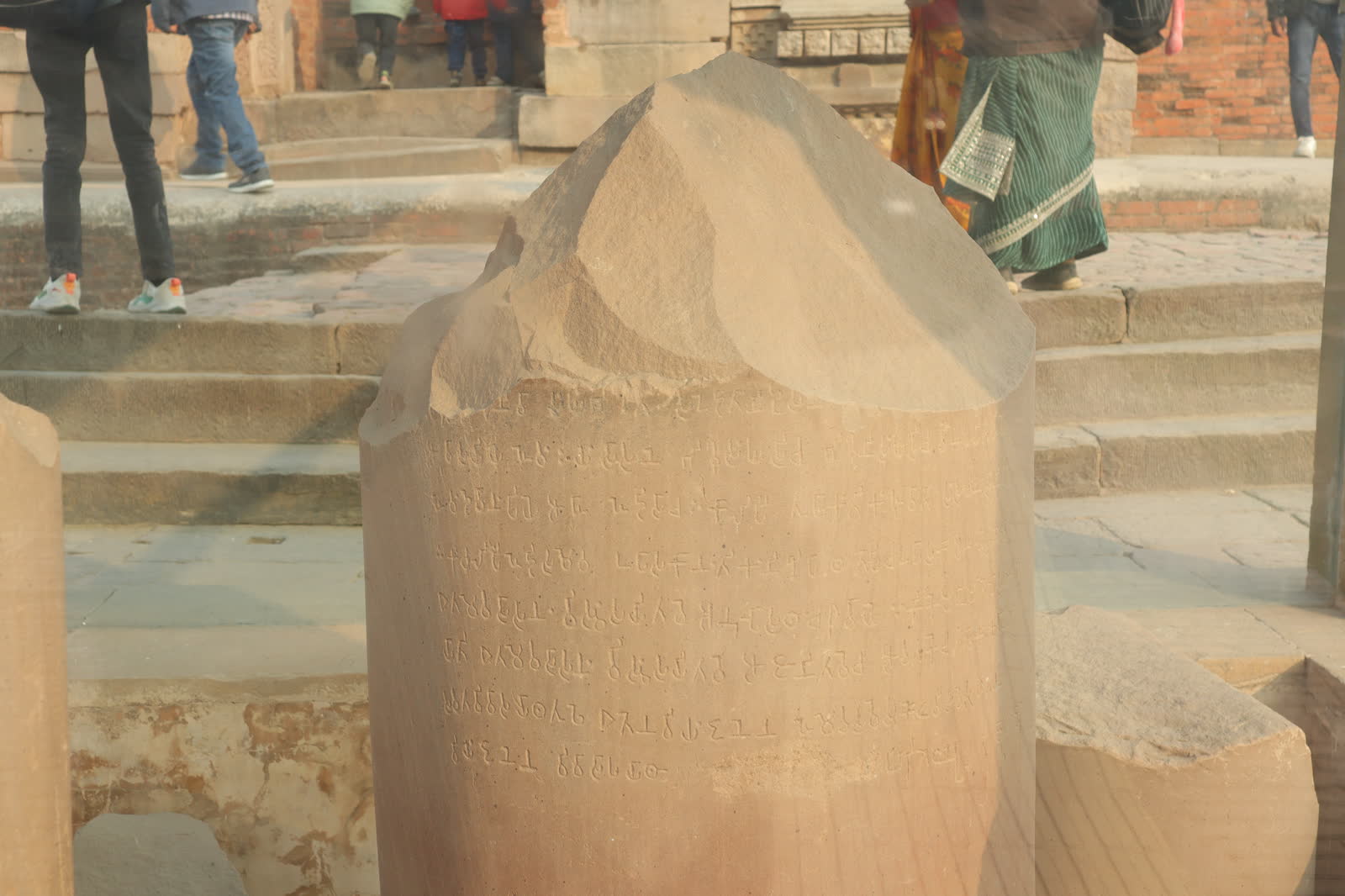
1 (A) atikaṁtaṁ aṁtalaṁ bahūni vasa-satāni vaḍhite va pānā[la]ṁbhe vihisā ca bhūtānaṁ nātisu asaṁpaṭipati samana-bābha[ne]su asaṁpaṭipati
2 (B) se aja Devānaṁpiyasa Piyadasine lājine dhaṁma-calanena bheli-ghosaṁ
a[h]o dhaṁma-[gho]saṁ vimāna-dasanaṁ hathīni [a]gi-kaṁdhāni aṁnāni cha
[di]vi[y]āni
3 lūpān[i] dasayitu munisānaṁ (C) ād[i]se b[a]hūhi vasa-sa[t]ehi no hūta-puluve tādise aja va[ḍhite De]vānaṁpiyasa Piy[a]dasine lājin[e] dhaṁ[m]ānus[ath]i[y]ā
4 an[āla]ṁbhe pānānaṁ avihisā bhūtānaṁ nātisu saṁpaṭipat[i sama]na-b[ā]bhanesu saṁpaṭipati m[ā]t[i]-pitu-susūsā vu[ḍha]-susūsā (D) esa aṁne ca ba[h]uvidhe
5 dh[a]ṁma-calane vaḍhite (E) vaḍhayis[a]ti ceva Devānaṁpiye Piyada[s]i l[ā]jā dhaṁma-calanaṁ imaṁ (F) putā pi cu  nati [panati] . .  [ca] Devānaṁ-
piyasa Piyadasine lājine
6 pavaḍhayisaṁti yeva dhaṁma-calanaṁ imaṁ ā-k[a]paṁ dhaṁmasi [s]ilasi c[a ch]i[ṭh]itu [dhaṁmaṁ a]nus[ā]sisaṁ[t]i (G) esa h[i] se[ṭhe kaṁ]me yā dhaṁmānusāsanā (H) dhaṁma-calane pi cu
7 no hoti asīlasa (I) se imasa aṭhasa v[a]ḍhī ahīni c[a] sā[dhū]  (J) et[āy]e [aṭhāy]e iyaṁ likhite imasa aṭhasa vaḍhī yujaṁtū hīni ca mā alocayisū
8 (K) duvādasa vasāni abhisitasa Devānaṁpi[ya]sa Piyadasine lājine yaṁ  [idha] likhite
Translation
(A) In times past, for many hundreds of years, there had ever been promoted the killing of animals and the hurting of living beings, discourtesy to relatives, (and) discourtesy to Śramaṇas and Brāhmaṇas.
(B) But now, in consequence of the practice of morality on the part of king Devānaṁpriya Priyadarśin, the sound of drums has become the sound of morality, showing the people representations of aerial chariots, elephants, masses of fire, and other divine figures.
(C) Such as they had not existed before for many hundreds of years, thus there are now promoted, through the instruction in morality on the part of king Devānaṁpriya Priyadarśin, abstention from killing animals, abstention from hurting living beings, courtesy to relatives, courtesy to Śramaṇas and Brāhmaṇas, obedience to mother and father, (and) obedience to the aged.
(D) In this and many other ways is the practice of morality promoted.
(E) And king Devānaṁpriya Priyadarśin will ever promote this practice of morality.
(F) But also the sons, grandsons, and great-grandsons of king Devānaṁpriya Priyadarśin will ever promote this practice of morality until the æon (of destruction of the world), (and) will instruct (people) in morality, abiding by morality and by good conduct.
(G) For this is the best work, viz. instruction in morality.
(H) But the practice of morality also is not (possible) for (a person) devoid of good conduct.
(I) Therefore promotion and not neglect of this object is meritorious.
(J) For the following purpose has this been written, (viz. in order that) they should devote themselves to the promotion of this practice, and that they should not approve the neglect (of it).
(K) This has been written here by king Devānaṁpriya Priyadarśin (when he had been) anointed twelve years.


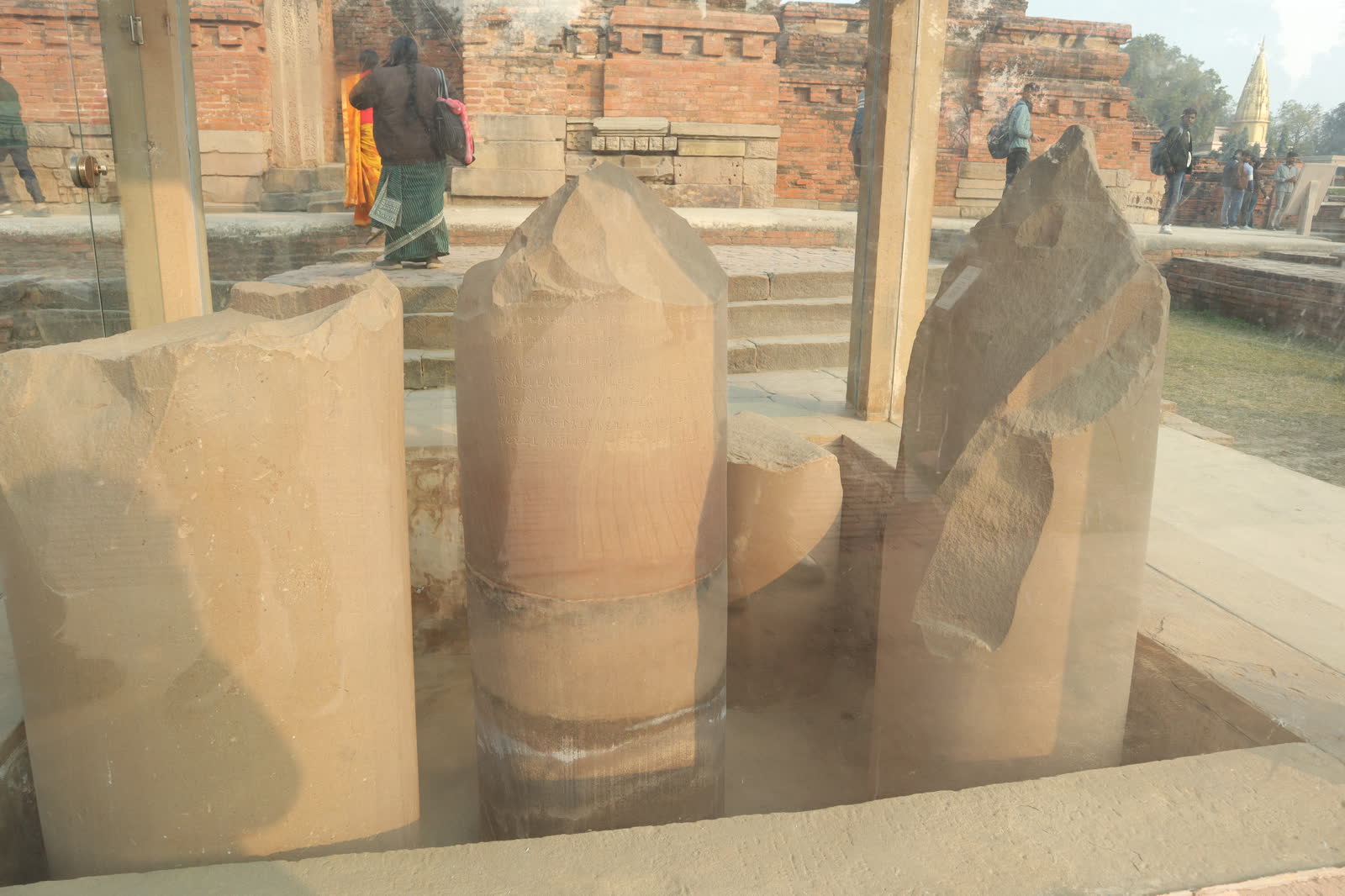
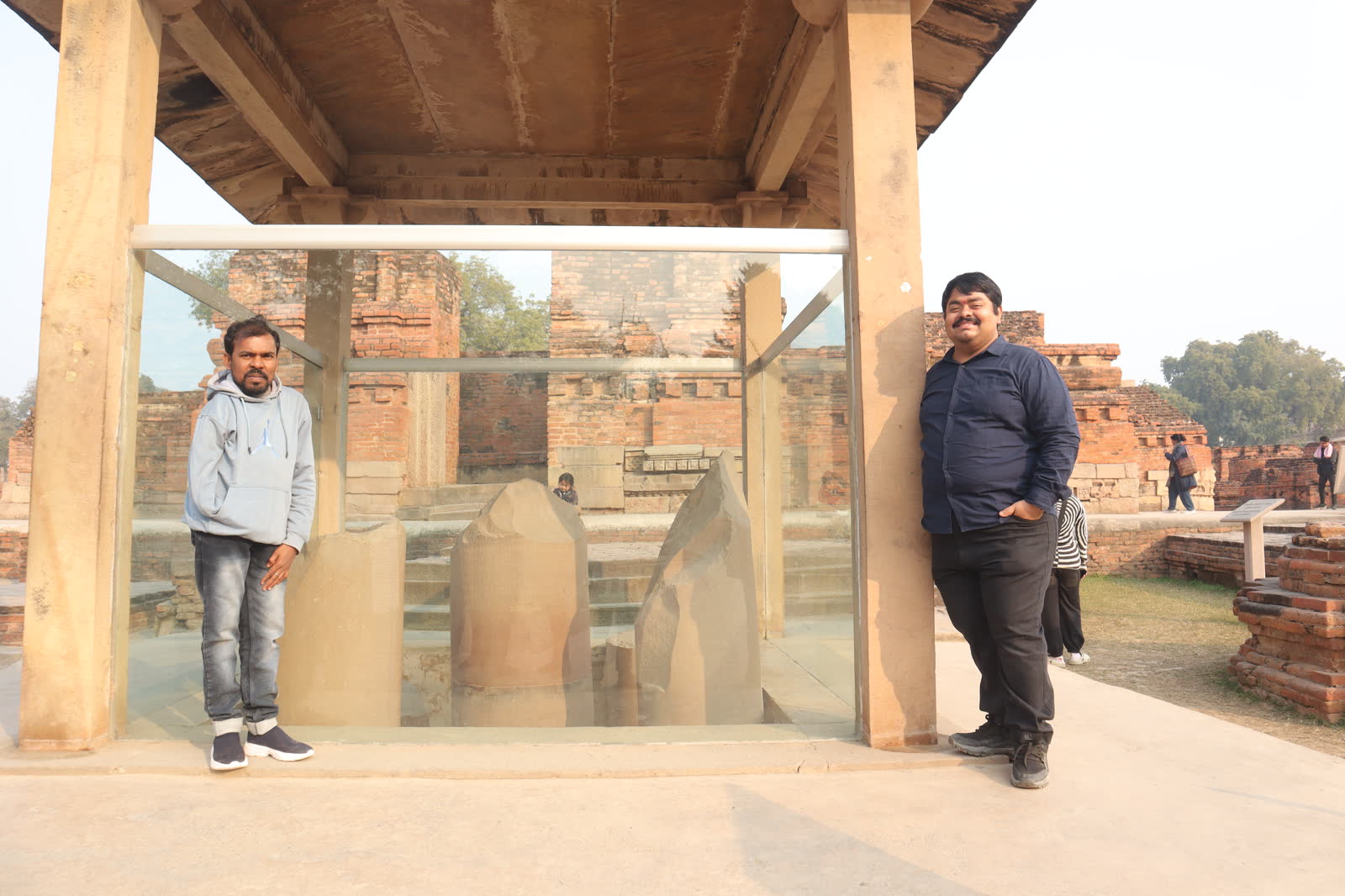
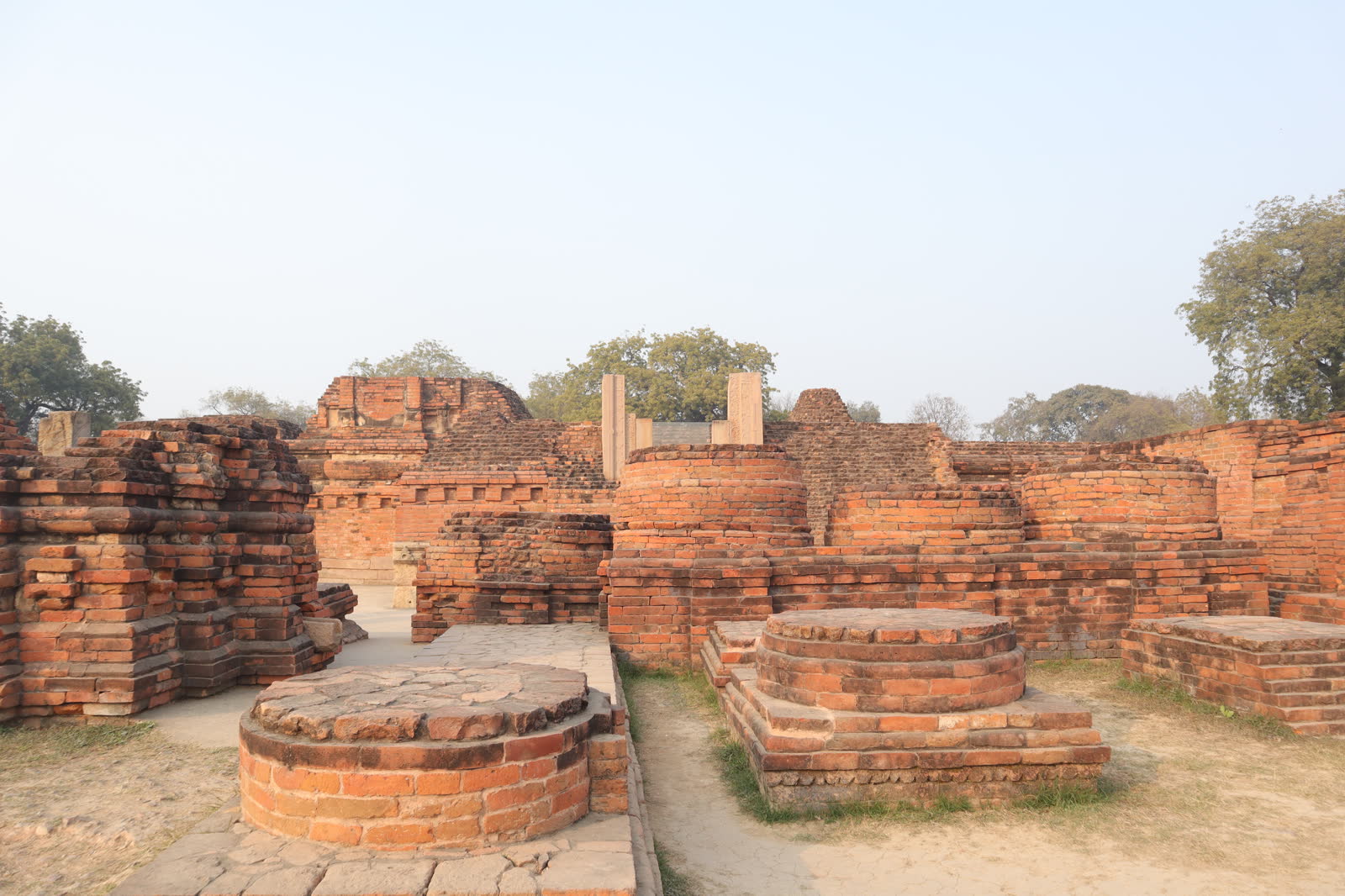
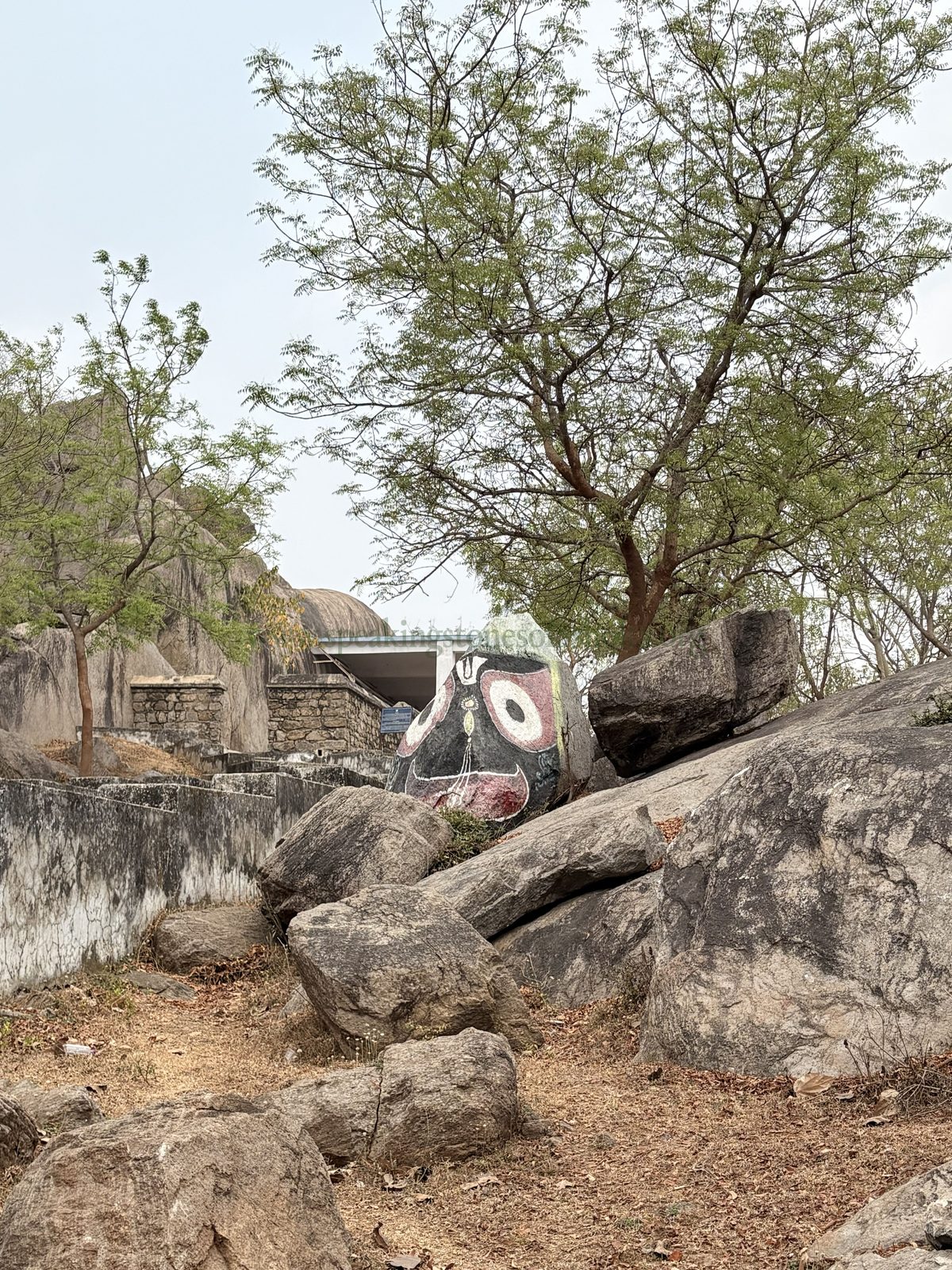 Jaugada