Original Text
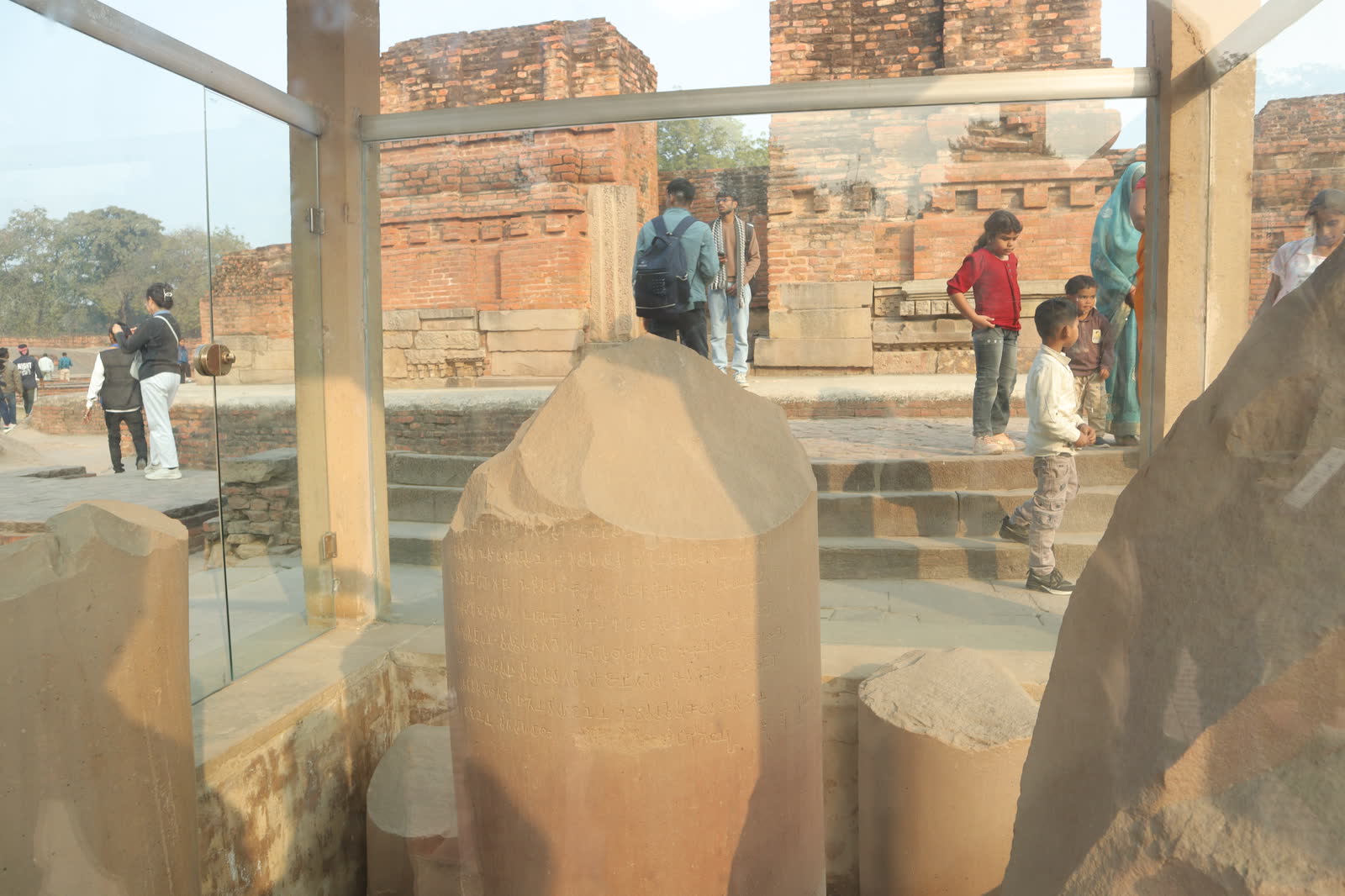
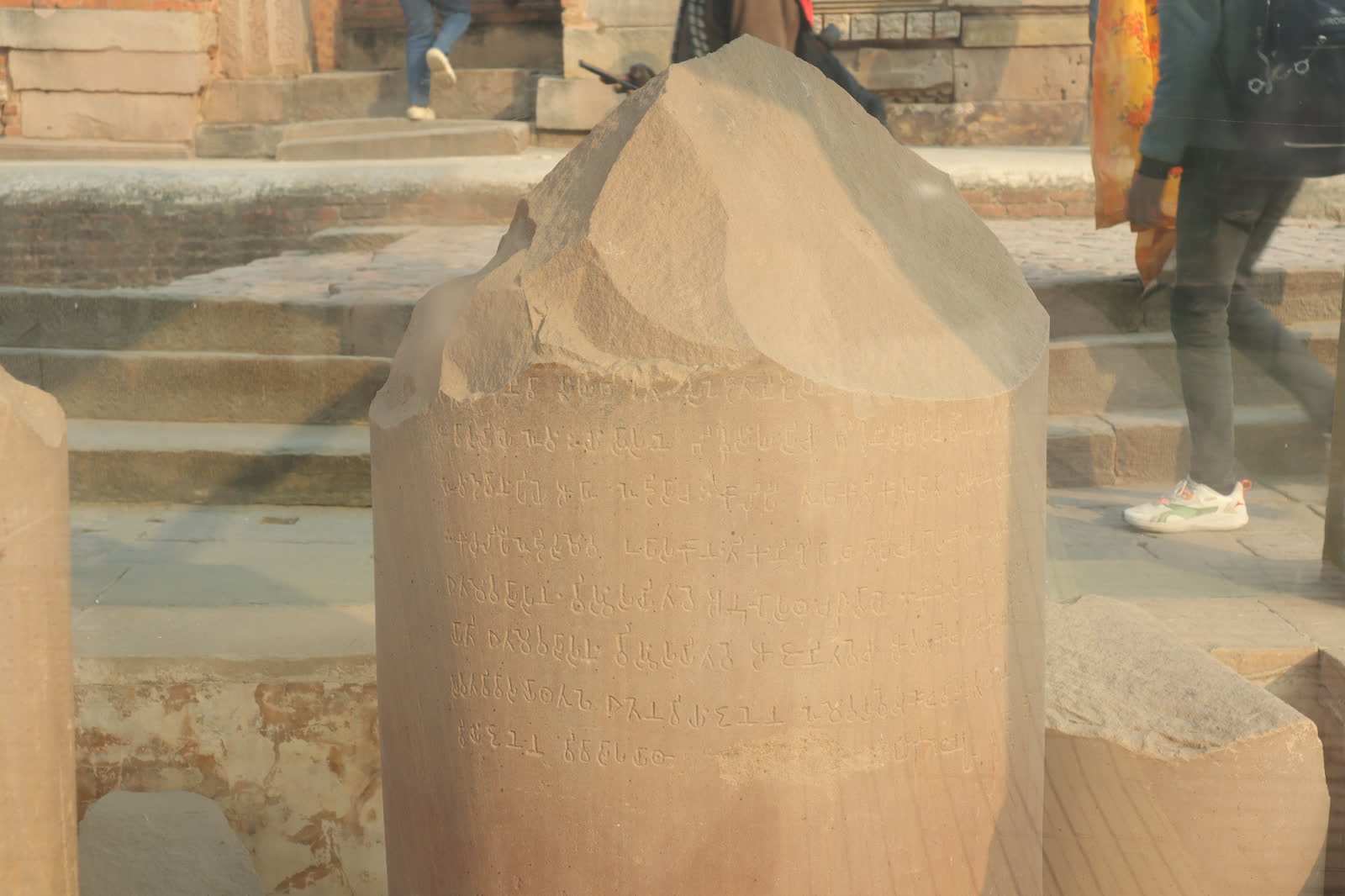
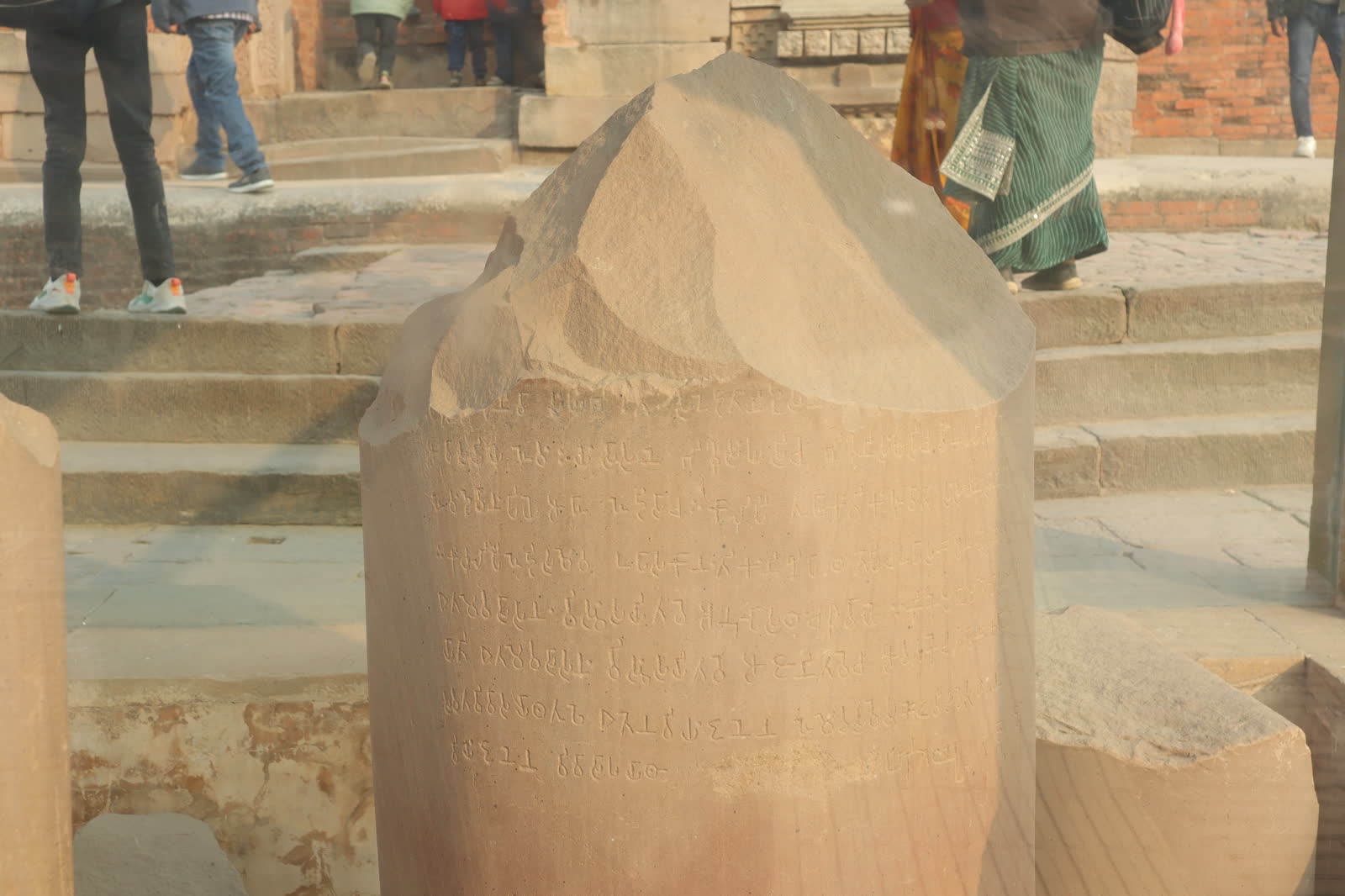
1 (A) Devānaṁpiye Piyadasī lājā hevaṁ āhā (B) [athi ja]ne ucāvuchaṁ maṁgalaṁ kal[e]ti [āb]ādha . . . . . . . [v]i[vaha] . . . [ju]padāye pavās[a]si
2 etāye aṁnāye c[a] hedisāye j[a]n[e] bahukaṁ maṁgalaṁ k[a] . . . (C) . . [cu] ithī b[a]hukaṁ ca [ba]hu[v]idh[aṁ] c[a kh]ud[aṁ ca nilaṭhi]yaṁ ca maṁgalaṁ kaleti
3 (D) se kaṭ[a]viye ce[va kh]o m[a]ṁgale (E) [a]pa-phale cu kho esa h[e]dise maṁ[ga] . (F) . [ya]ṁ [c]u kho mah[ā]-ph[a]le e [dha]ṁma-maṁgale (G) [ta]te[sa d]ā[sa-bhaṭakas]i saṁmyā-paṭipat[i]
4 [gulu]naṁ a[pa] . . . . . . . [me] samana-bābhan[ā]naṁ dāne esa aṁne c[a] . . . . [dhaṁma]-maṁga[le nāma] (H) [se] vata[viye p]it[inā pi pute]na pi bhātinā pi
5 suvāmike[na p]i . . . . . . [l]e [ā]va tasa aṭhas[a] niphatiy[ā] (I) [a]thi [ca heva]ṁ v[u]te dāne s[a]dh[u] ti (J) [s]e [na]thi . . . . . . [anu]ga[h]e v[ā]
6 [ād]ise dha[ṁma-dāne dham[mānugahe] . . (K) . . . [m]i . . . . [t]i[k]ena sahāyen[na p]i viyovaditā . . . . . [tasi] pak[alana]si [iya]ṁ . .
7 . . . . . . [l]ādhayatave (L) . . . . . ṭa[v] . . . . [svagasa] āl[adh]ī
Translation
(A) King Devānaṁpriya Priyadarśin speaks thus.
(B) Men are practising various ceremonies during illness . . . . . . . . . at the marriage of a daughter, at the birth of a child, (and) when setting out on a journey; on these and other such (occasions) men [are practising] many ceremonies.
(C) But . . . . . women are practising many and various vulgar and useless ceremonies.
(D) Now ceremonies should certainly be practised.
(E) But such ceremonies as these bear little fruit indeed.
(F) But the following bears much fruit indeed, viz. the practice of morality.
(G) Herein the following (are comprised), (viz.) proper courtesy to slaves and servants, reverence to elders, gentleness to animals, (and) liberality to Śramaṇas and Brāhmaṇas; these and other [such] (virtues) are called the practice of morality.
(H) Therefore a father, or a son, or a brother, or a master ought to say :— ‘This is meritorious. This [practice] should be observed until the (desired) object is attained.’
(I) And it has been said thus :— ‘Gifts are meritorious.’
(J) But there is no [such] gift or benefit as the gift of morality and the benefit of morality.
(K) Therefore a friend . . . . . . . . . [a relative], and a companion should indeed admonish (another) on such and such an occasion :— ‘This . . . . . . . . . this is meritorious. By this (practice) it is possible to attain heaven.’
(L) For what is more desirable than this, [viz.] the attainment of heaven?