Original Text
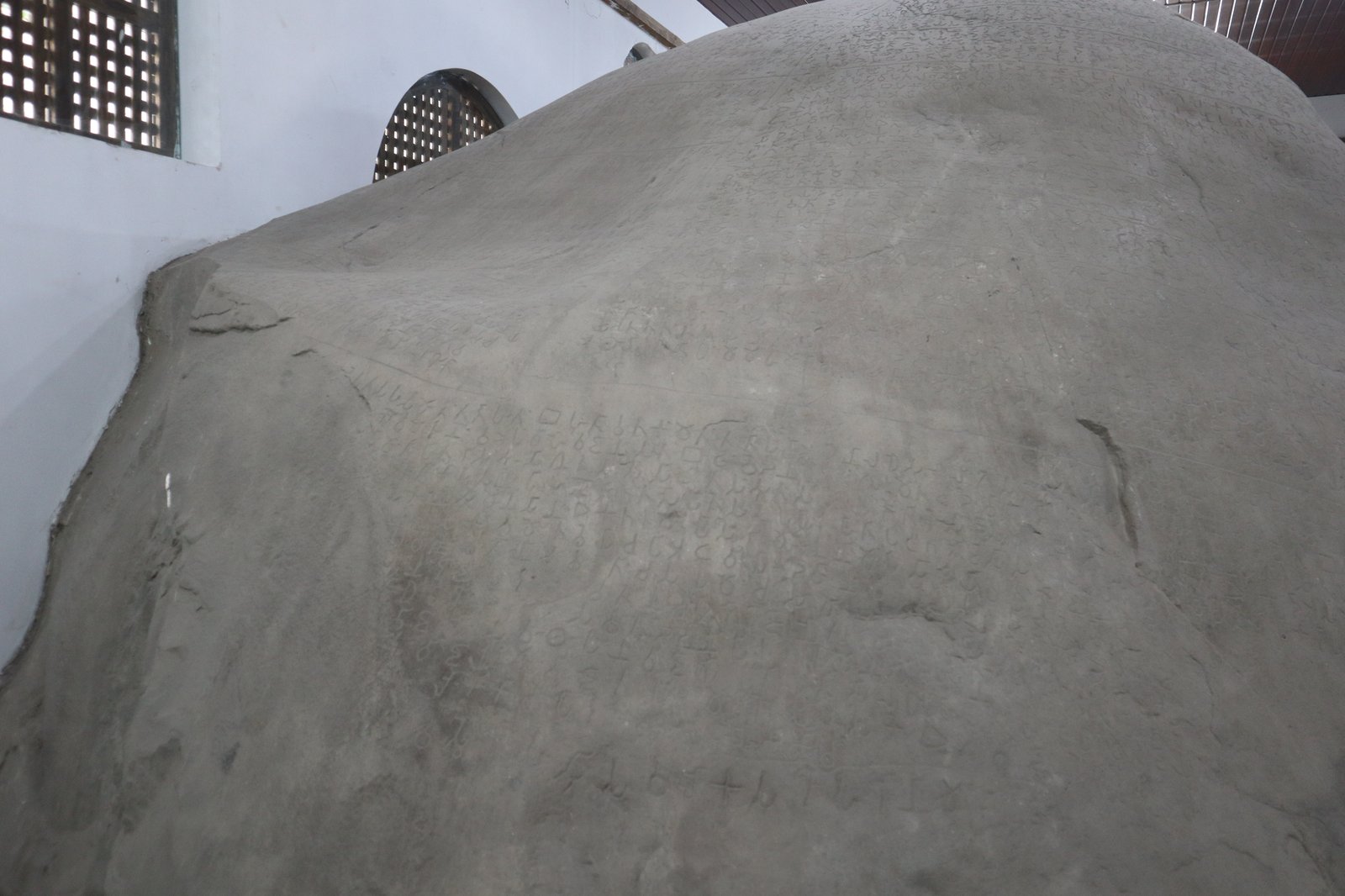
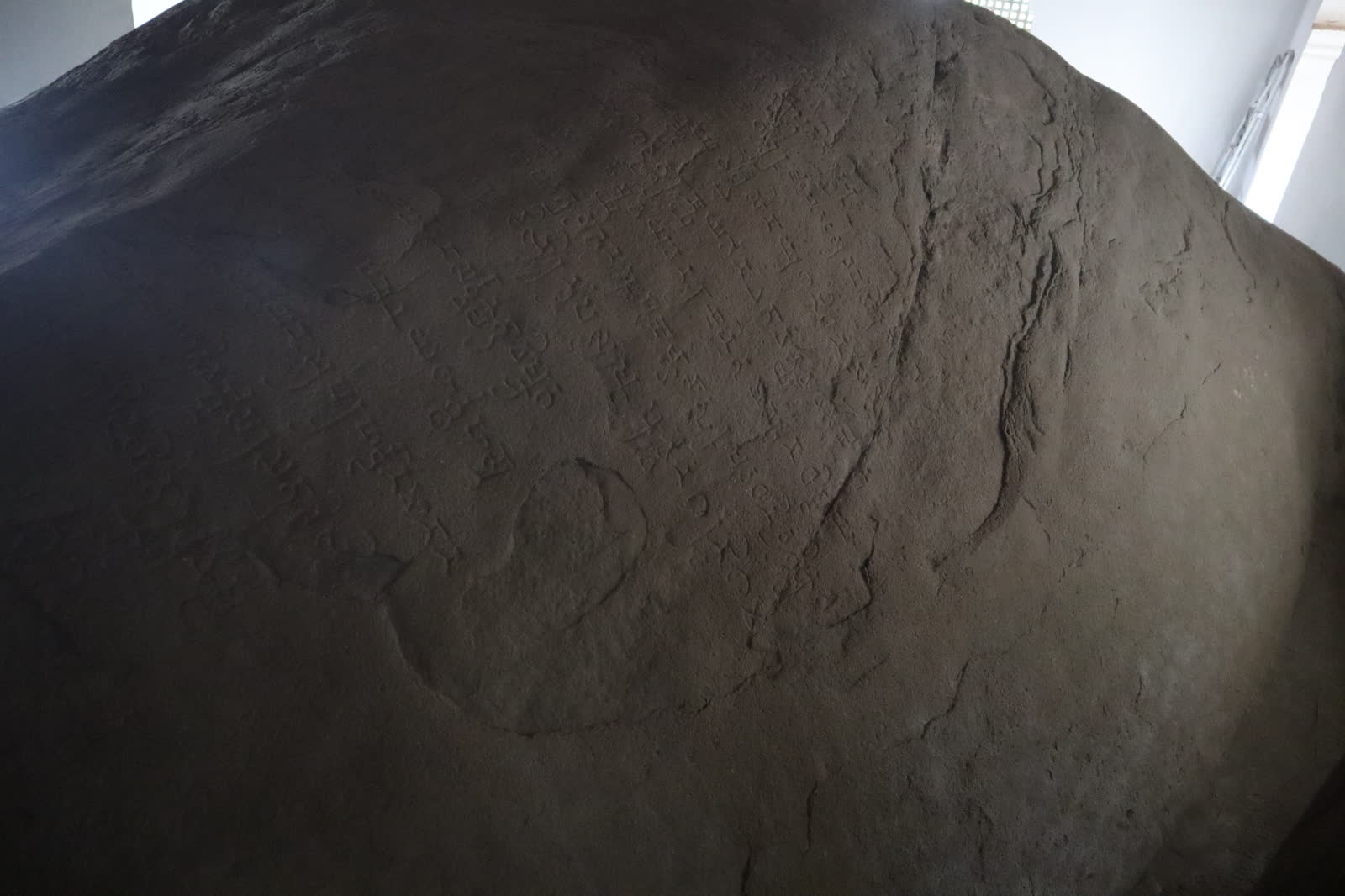
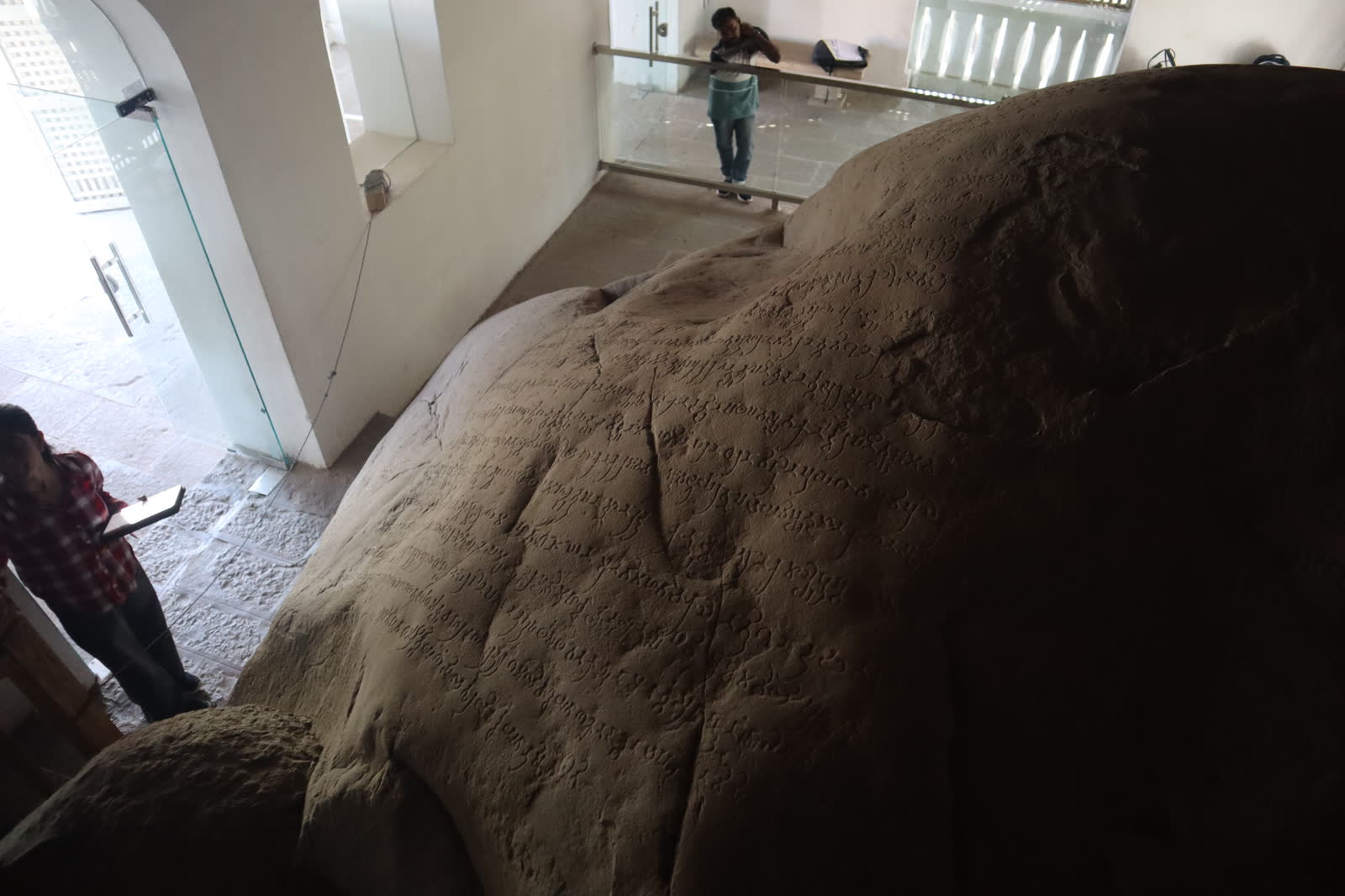
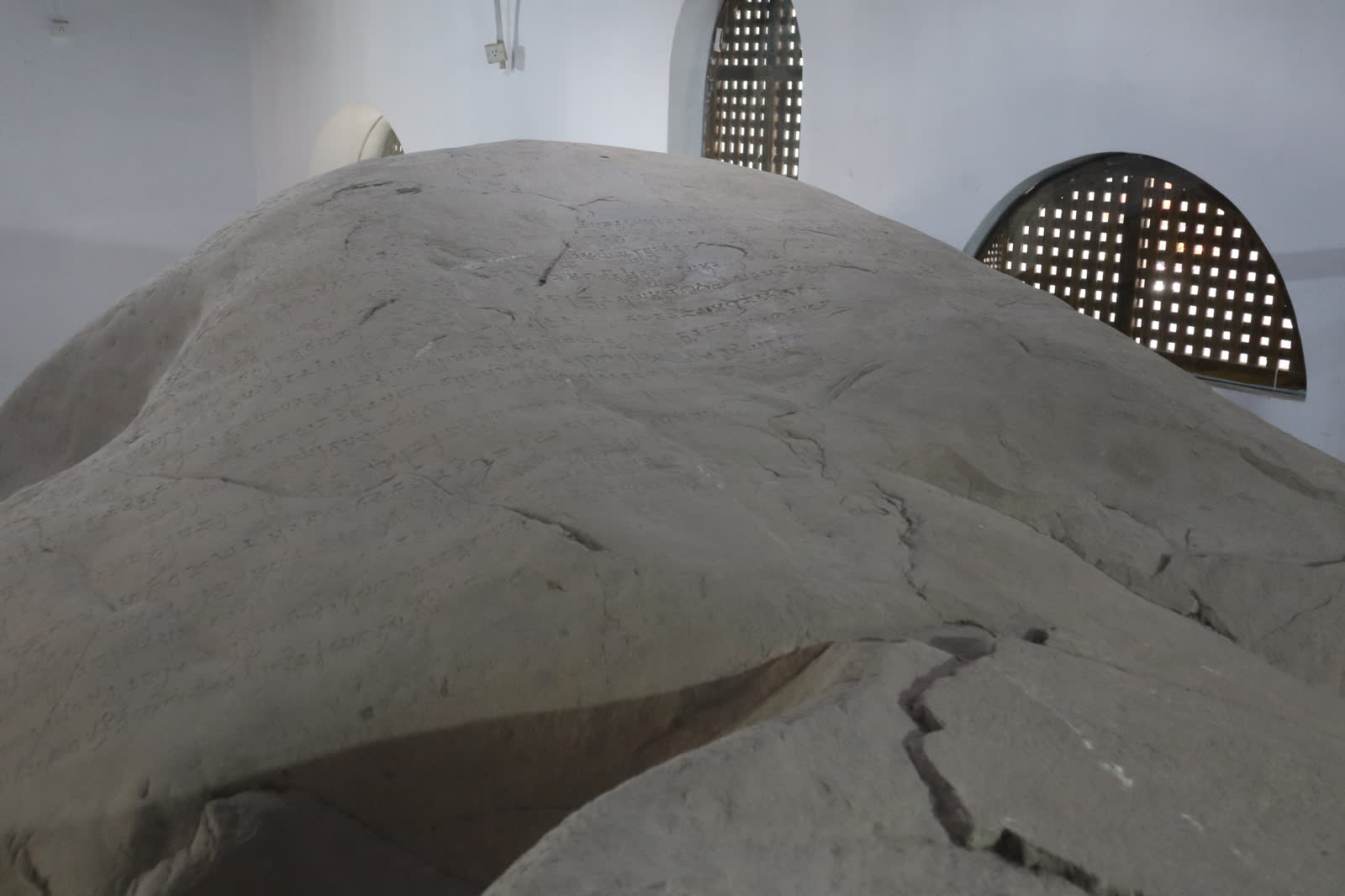
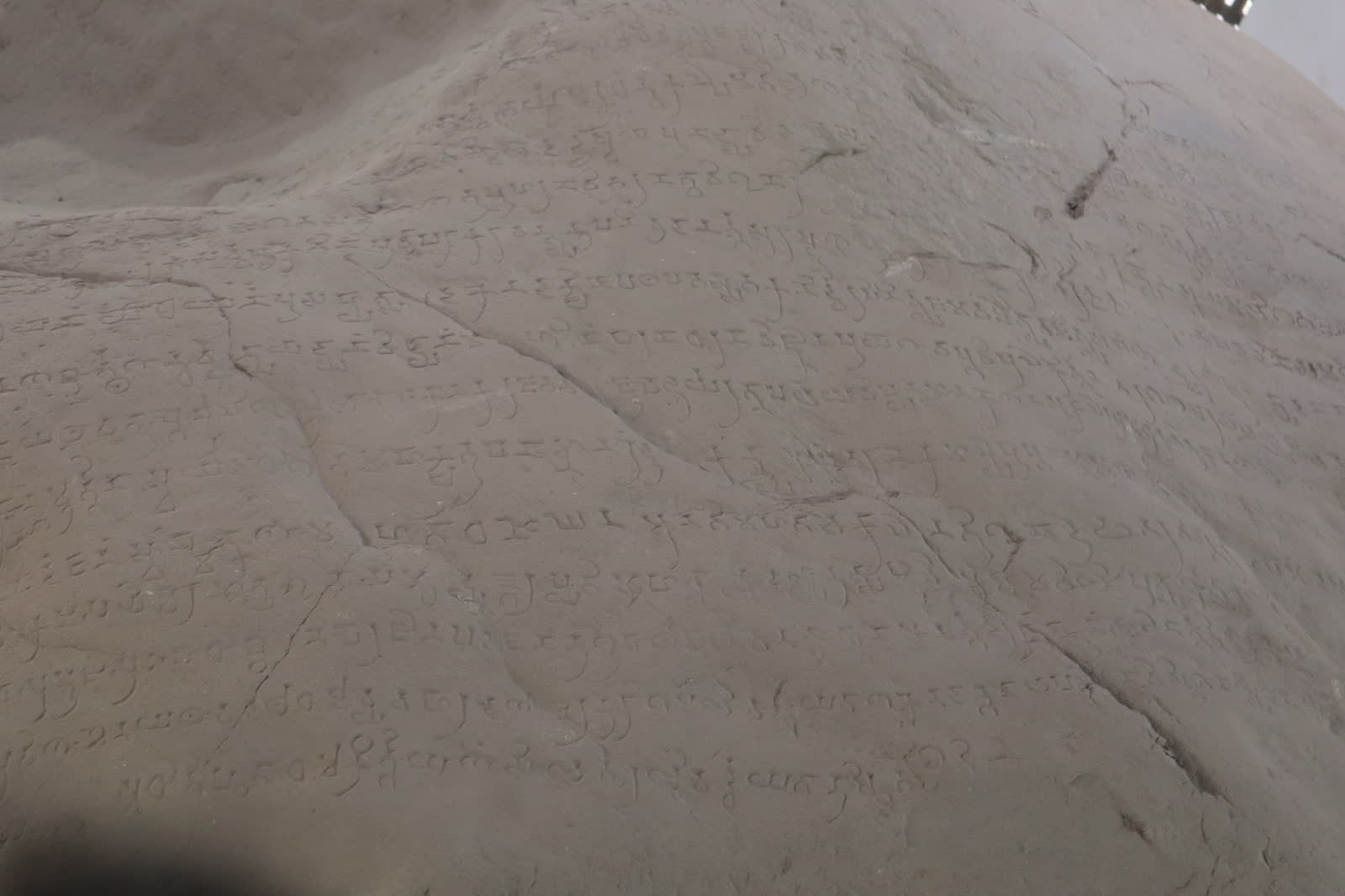
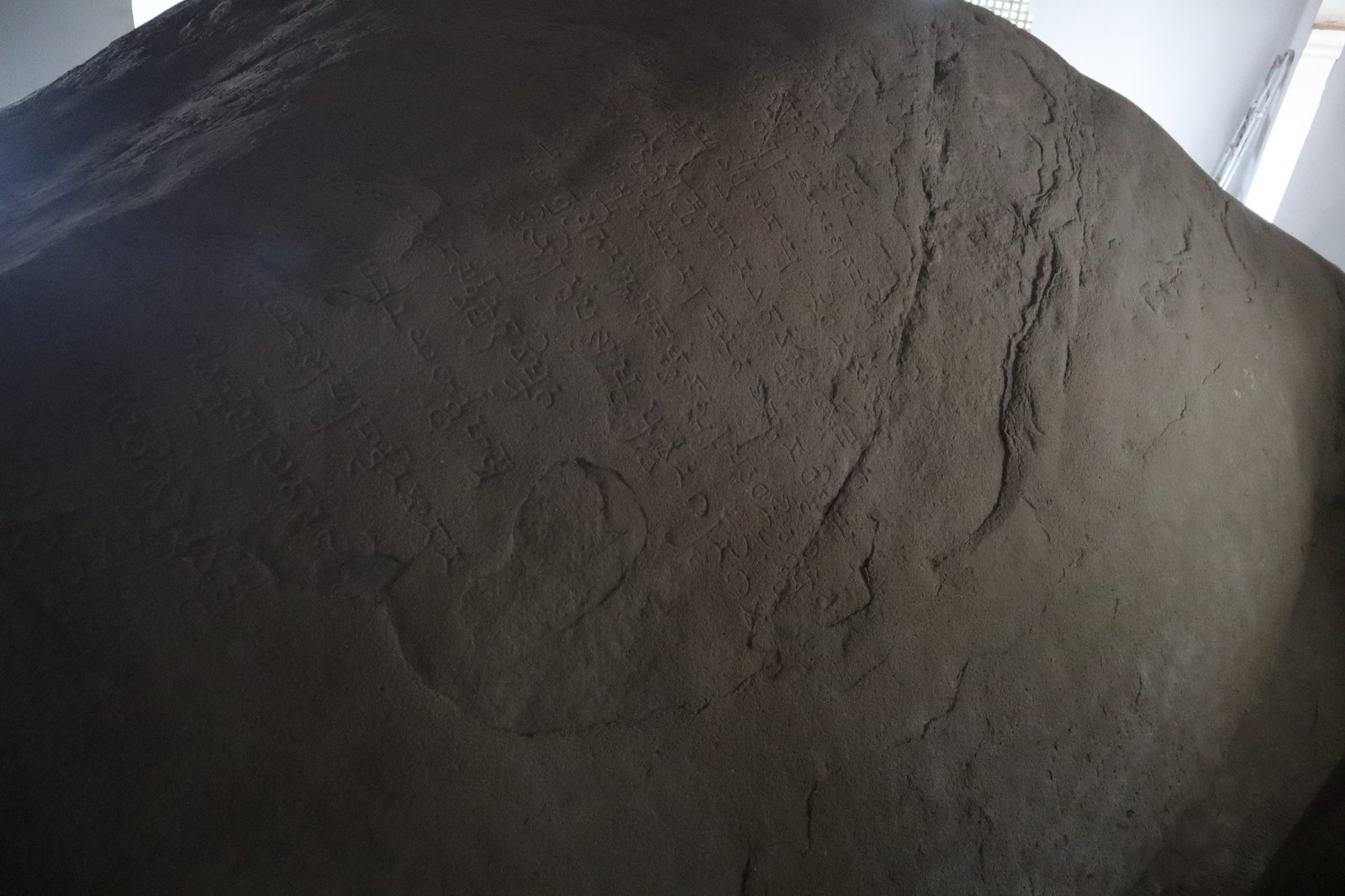
1 (A) sarvata vijitamhi Devānaṁpriyasa Piyadasino rāño
2 evamapi pracaṁtesu yathā Coḍā Pāḍā Satiyaputo Ketalaputo ā Taṁba-
3 paṁṇī Aṁtiyako Yona-rājā ye vā pi tasa Aṁtiy[a]kas[a] sāmīp[aṁ]
4 rājāno sarvatra Devānaṁpriyasa Priyadasino rāño dve cikīcha katā
5 manusa-cikīchā ca pasu-cikīchā ca (B) osuḍhāni ca yāni m[a]nusopagān[i] ca
6 paso[pa]gāni ca yata nāsti sarvatrā hārāpitāni ca ropāpitāni ca
7 (C) mūlāni ca phalāni ca yata yatra nasti sarvata hārāpitāni ca rop[ā]pitāni ca
8 (D) paṁthesū kūpā ca khānāpitā vrachā ca ropapit[a] paribhogāya pasu- manusānaṁ
Translation
(A) Everywhere in the dominions of king Devānaṁpriya Priyadarśin, and likewise among (his) borderers, such as the Coḍas, the Pāṇḍyas, the Satiyaputa, the Ketalaputa, even Tāmraparṇī, the Yona king Antiyaka, and also the kings who are the neighbours of this Antiyaka, — everywhere two (kinds of) medical treatment were established by king Devānaṁpriya Priyadarśin, (viz.) medical treatment for men and medical treatment for cattle.
(B) And wherever there were no herbs that are beneficial to men and beneficial to cattle, everywhere they were caused to be imported and to be planted.
(C) Wherever there were no roots and fruits, everywhere they were caused to be imported and to be planted.
(D) On the roads wells were caused to be dug, and trees were caused to be planted for the use of cattle and men.