Original Text
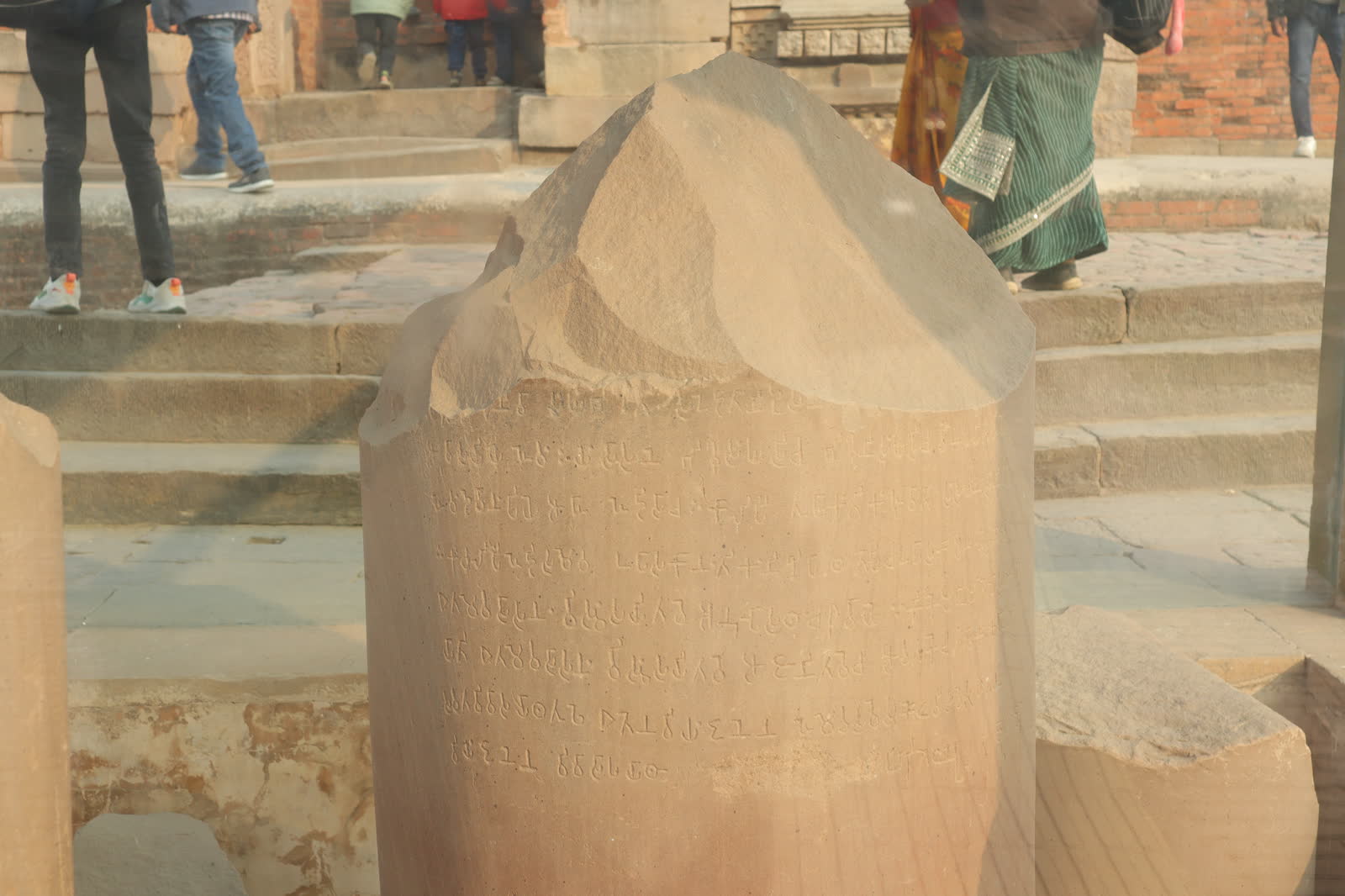
1 (A) [Dev]ānaṁpiye Piyadasī lājā h[eva]ṁ āhā (B) kayāne dukale (C) . . . . . . . . . k[a]y[ā]n[a]sa s[e] dukalaṁ kal[e]ti (D) se me b[ah]uke kayāne kaṭe (E) taṁ ye me [p]ut[ā] va
2 n[a]t[ī va] . . . ṁ ca t[e]na ye apatiye me āva-kapaṁ tathā anuvatisaṁti s[e] sukaṭaṁ kach[aṁ]ti (F) e heta d[esa]ṁpi hāpayisat[i] se dukaṭaṁ kachati (G) pā[p]e hi [nāma]
3 supadālaye (H) s[e] at[ikaṁ]taṁ aṁtalaṁ no hūta-puluvā dhaṁma-mahāmātā nāma (I) se tedasa-va[sā]bhisitena me dhaṁma-mahāmātā nāma kaṭā (J) te sava-pāsaṁḍe[su]
4 v[i]y[āpaṭā] dhaṁmādhithān[ā]ye dhaṁma-[va]ḍhiye hita-sukhāye [cha] dhaṁma- yutas[a] Yona-Kaṁboca-Gaṁdhālesu Laṭhika-[P]itenikesu e vā pi aṁne āpalaṁtā  (K) bhaṭi[mayesu]
5 bābha[n]ibhi[yes]u anāthesu ma[hāla]kesu cha h[i]t[a]-sukhāye dhaṁma-yutāye a[pa]libodhāye viyā[pa]ṭā se  (L) baṁdhana-[ba]dhas[a] p[a]ṭi[vidhānā]ye apalib[o]dhāye mokhāye ca
6 iya[ṁ] anubaṁdh[a] p[aj]a  [t]i [va ka]ṭābhīkā[le] ti va mahālake ti va viyāpaṭā se (M) hida ca bāhilesu ca nagalesu savesu s[a]vesu olodhanes[u me] e vā pi bhāt[i]naṁ  me bhaginīnaṁ va
7 aṁnesu vā [nāt]i[su sava]t[a] v[i]yāpaṭā (N) e iyaṁ dhaṁm[a-n]isite ti va dhaṁmādhithāne ti va dāna-sayute va sava-puṭhaviyaṁ dha[ṁ]ma-yutasi viyāpaṭa ime dhaṁma-mahām[a]ta (O) [i]m[ā]ye aṭhāye
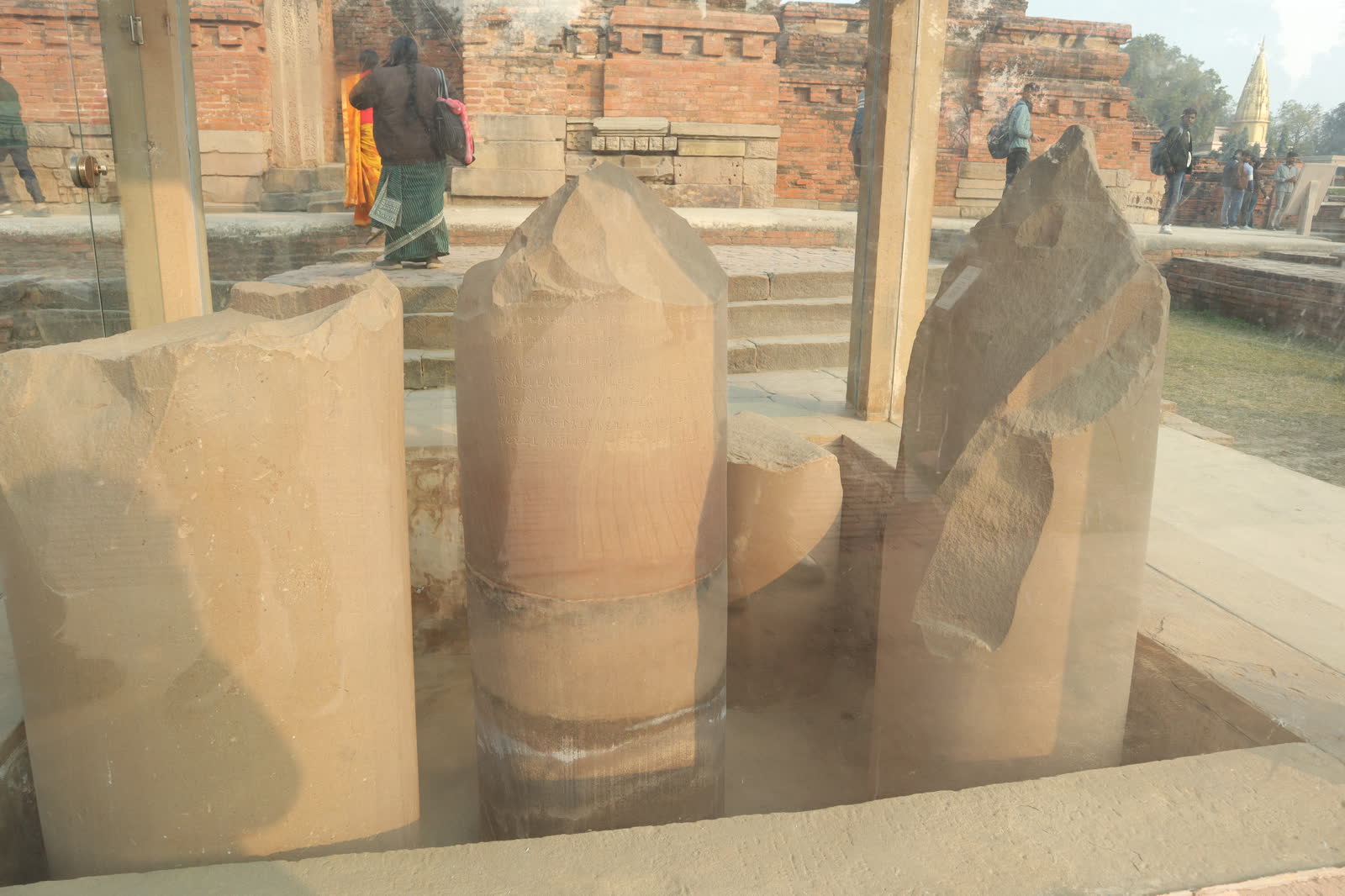
8 iyaṁ dhaṁma-lip[i] li[kh]i[tā] cila-ṭhitīk[ā ho]tu t[athā] ca me pa[ja anu]vatatu
Translation
(A) King Devānaṁpriya Priyadarśin speaks thus.
(B) It is difficult to perform virtuous deeds.
(C) He [who starts performing] victorious deeds accomplishes something difficult.
(D) Now, by me many virtuous deeds have been performed.
(E) Therefore (among) my sons and grandsons, and (among) my descendants (who shall come) after them until the æon (of the destruction of the world), those who will conform to this (duty) will perform good deeds.
(F) He who will neglect even a portion of this (duty) will perform evil deeds.
(G) For sin indeed steps fast.
(H) Now in times past, (officers) called Mahāmātras of morality did not exist before.
(I) But (the officers) called Mahāmātras of morality were appointed by me (when I had been) anointed thirteen years.
(J) These are occupied with all sects in establishing morality, in promoting morality, and for the welfare and happiness of those who are devoted to morality (even) among the Yonas, Kambochas, and Gandhālas, among the Lathikas and Pitenikas, and whatever other western borderers (of mine there are).
(K) They are occupied with servants and masters, with Brāhmaṇas and Ibhyas, with the destitute, and with the aged, for the welfare and happiness of those who are devoted to morality, (and) in releasing (them) from the fetters (of worldly life).
(L) They are occupied in supporting prisoners (with money), in causing (their) fetters to be taken off, and in setting (them) free, if (one has) children, or is bewitched, or aged, respectively.
(M) They are occupied everywhere, both here and in all the outlying towns, in all the harems of myself, of my brothers, and of (my) sisters, and with (my) other relatives.
(N) These Mahāmātras of morality are occupied on the whole earth with those who are devoted to morality, (in order to ascertain) whether one is eager for morality, or established in morality, or furnished with gifts.
(O) For the following purpose has this rescript on morality been written, (viz. that) it may be of long duration, and (that) my descendants may conform to it.


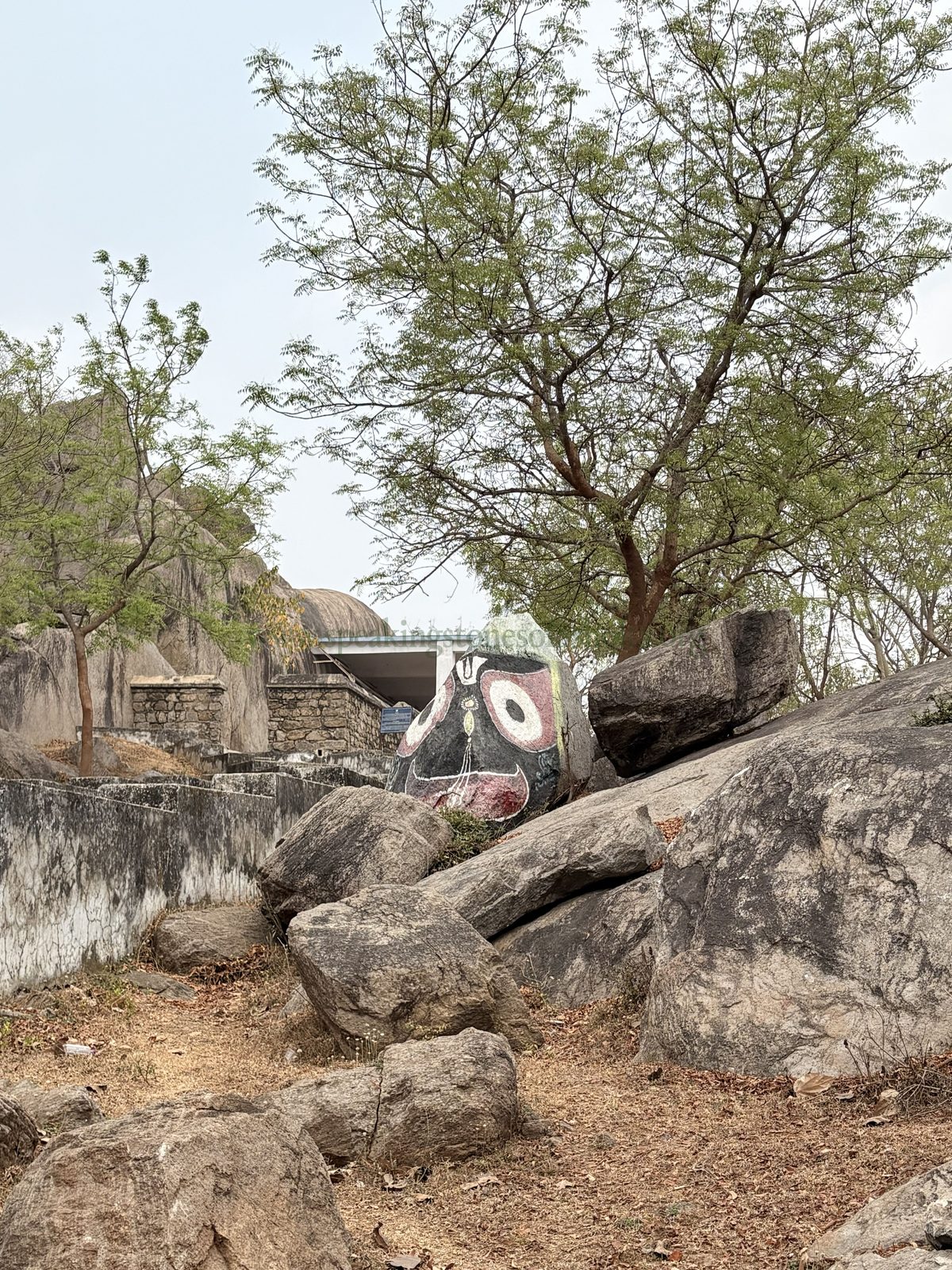 Jaugada