Original Text
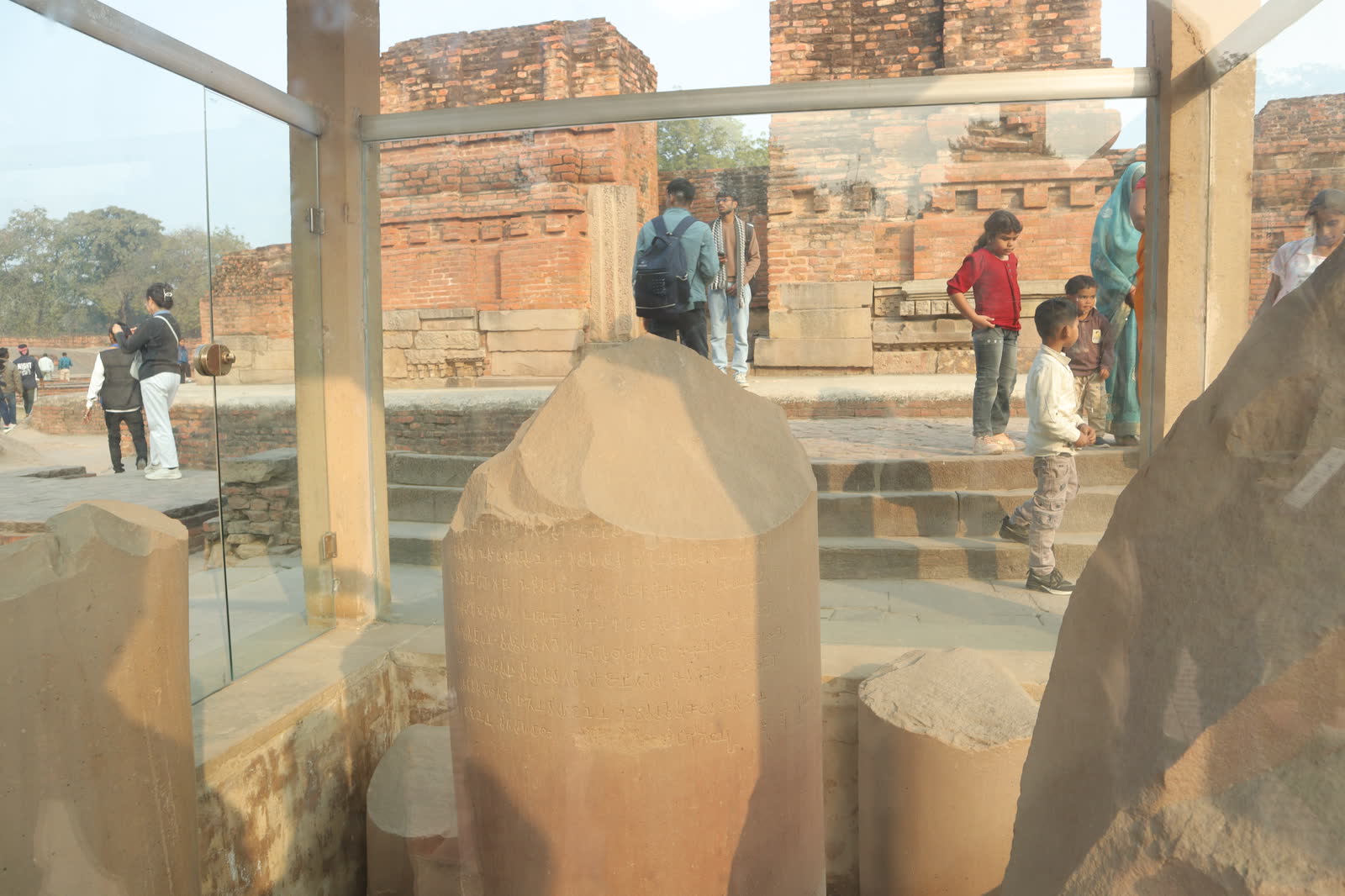
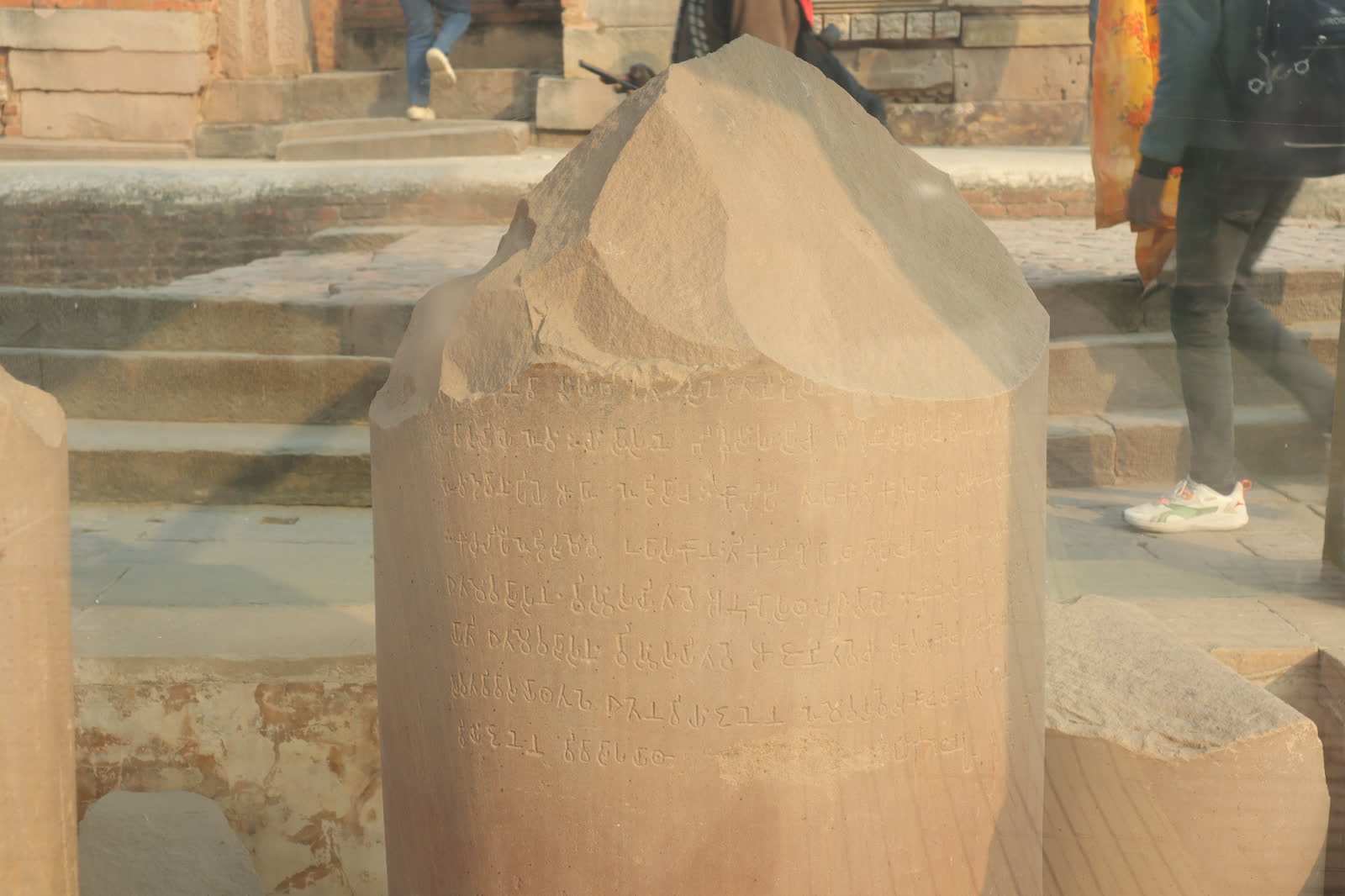
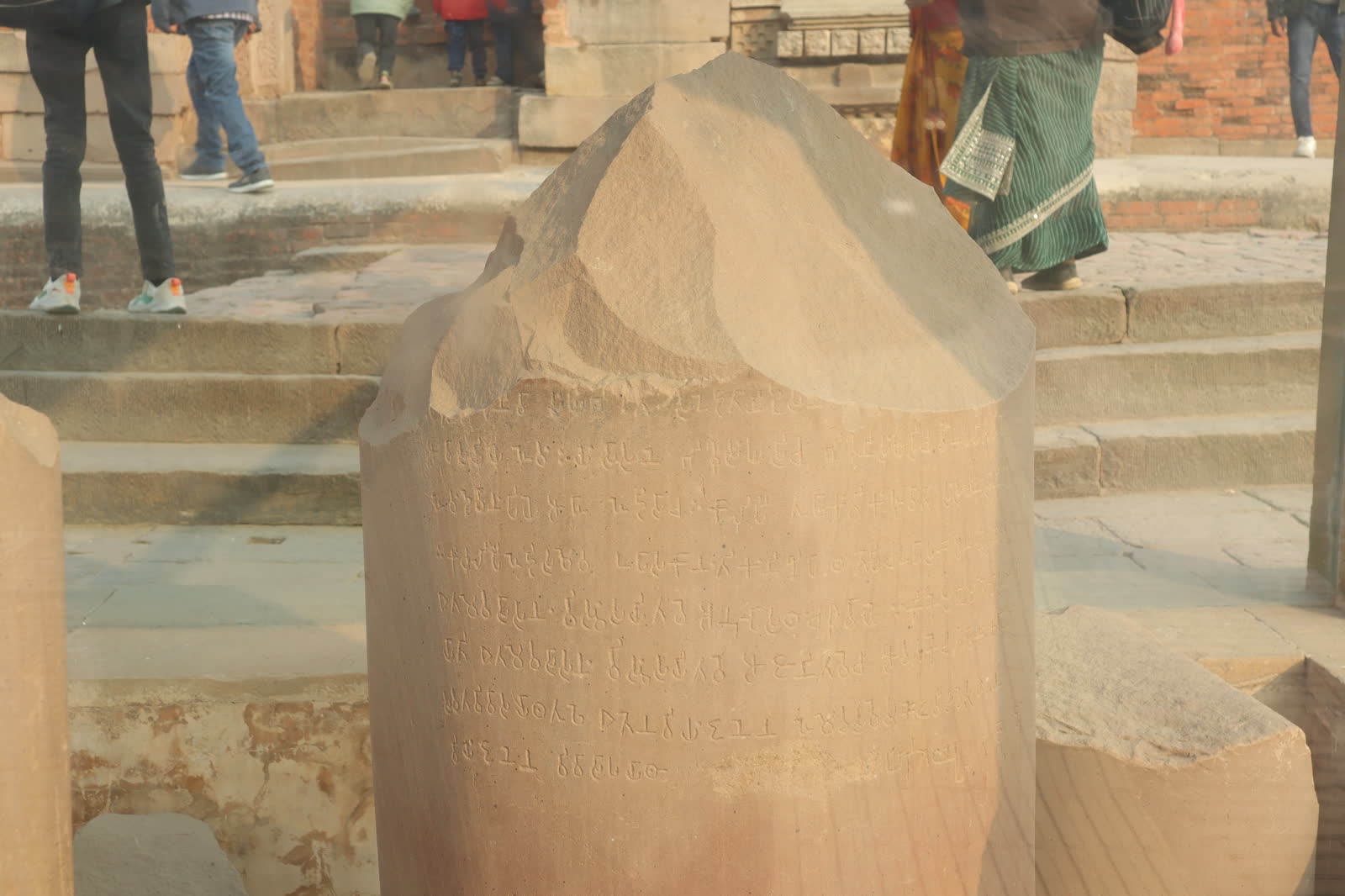
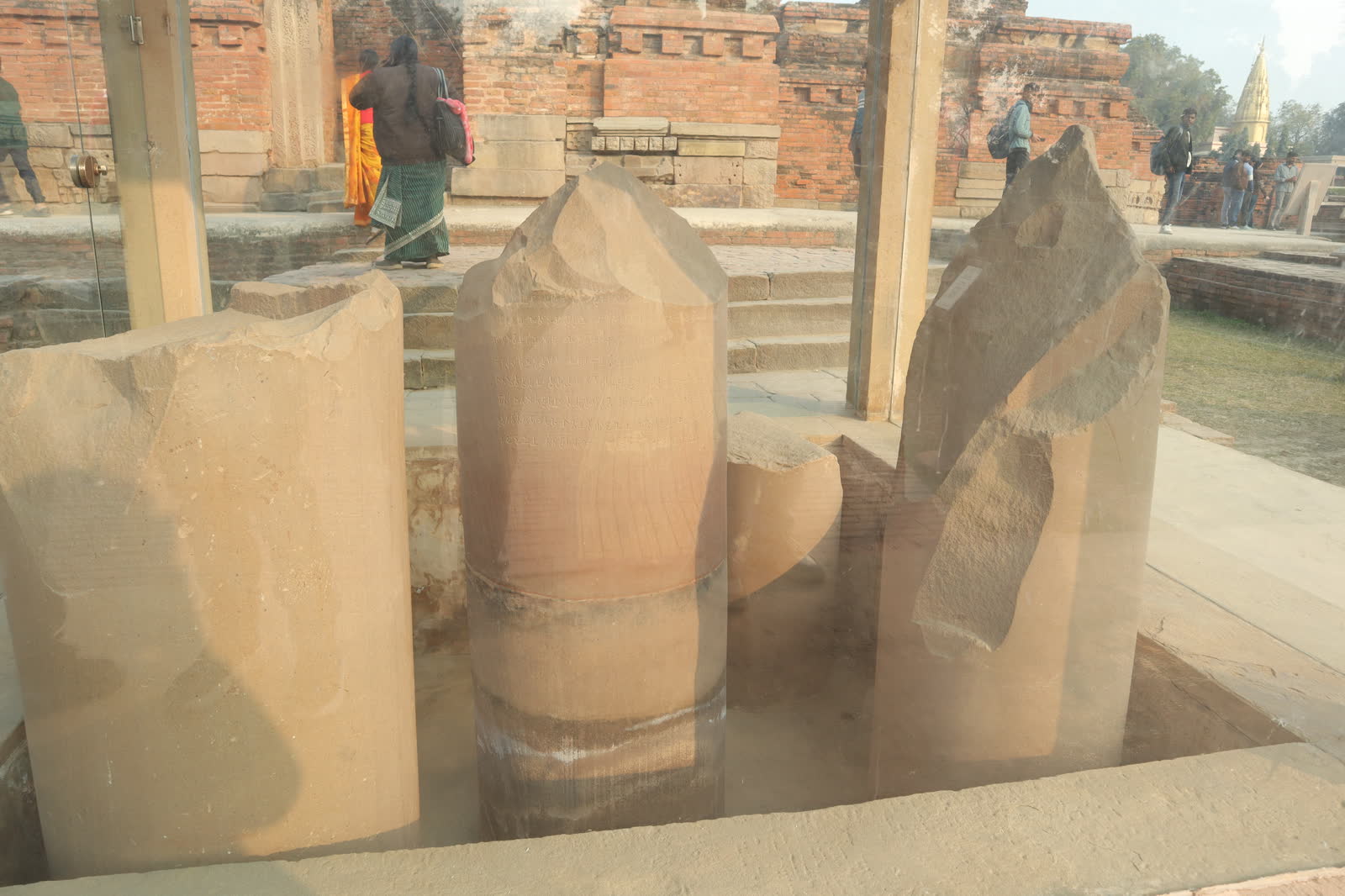
1 (A) Dev[ānaṁp]iye Pi[yada]sī lājā [he]vaṁ [ā]hā (B) atikaṁ[taṁ a]ṁ[ta]laṁ no [h]ū[ta]-puluve s[a]vaṁ kālaṁ aṭha-ka[ṁ]me va [pa]ṭiveda[n]ā va (C) se mamayā kaṭe (D) sa[va]ṁ [kālaṁ] . . . [māna]sa me
2 aṁte olodh[a]nasi ga[bhā]g[āla]si v[acas]i [v]inītasi [u]y[ā]n[asi ca sa]vata paṭivedakā janasa aṭhaṁ [pa]ṭived[a]yaṁtu m[e] ti (E) sava[ta] c[a] j[a]nasa aṭhaṁ kalāmi h[aka]ṁ
3 (F) aṁ pi ca ki[ṁ]chi mukh[a]te ānapay[ā]mi dāpakaṁ v[ā sā]v[a]kaṁ vā e va mahaṁ[āteh]i atiyāyike ālopite hoṭī tasi aṭhasi v[i]vāde va [n]ijhatī va saṁtaṁ palisāyā
4 āna[ṁ]taliyaṁ paṭi[ve]detav[i]y[e] me ti savata savaṁ kālaṁ (G) heva[ṁ] me anusathe (H) nath[i hi m]e [tos]e u[ṭhāna]si aṭha-saṁtīlanāya cha (I) kaṭaviya-m[at]e hi me sava-loka-hite
5 (J) tasa ca pana iyaṁ mūle [u]thān[e ca a]ṭha-saṁtīl[a]n[ā] ca (K) nathi hi kaṁmata . . [sa]va-lo[ka]-hitena (L) [aṁ] c[a kichi] p[a]lakamāmi hakaṁ kiṁti bhūtānaṁ ā[na]niyaṁ yeha[ṁ] ti
6 [h]i[da] ca [k]āni[ṁ] sukhayāmi pal[a]ta ca svag[aṁ āl]ādhayaṁtū ti (M) et[ā]y[e aṭhāya i]yaṁ dhaṁma-lipī likhitā c[i]la-ṭh[i]tikā hotu ta[th]ā ca putā papotā me palakama[ṁ]t[ū]
7 [sava-loka]-hitāye (N) dukale cu iyaṁ aṁnat[a] a[g]en[a pa]lakamena
Translation
(A) King Devānaṁpriya Priyadarśin speaks thus.
(B) In times past neither the disposal of affairs nor the submission of reports at all times did exist before.
(C) But I have made (the following arrangement).
(D) Reporters have to report to me the affairs of the people at any time (and) anywhere, while I am [eating], within the harem, in the inner apartment, at the cowpen, in the palanquin, and in the park.
(E) And everywhere I am disposing of the affairs of the people.
(F) And also, if in the council (of Mahāmātras) a dispute arises, or an amendment is moved, in connexion with any donation or proclamation which I am ordering verbally, or (in connexion with) an emergent matter which has been delegated to the Mahāmātras, it must be reported to me immediately, anywhere, (and) at any time.
(G) Thus I have ordered.
(H) For I am never satisfied in exerting myself and in dispatching business.
(I) For I consider it my duty (to promote) the welfare of all men.
(J) But the root of that (is) this, (viz.) exertion and the dispatch of business.
(K) For no duty is more important than (promoting) the welfare of all men.
(L) And whatever effort I am making, (is made) in order that I may discharge the debt (which I owe) to living beings, (that) I may make them happy in this (world), and (that) they may attain heaven in the other (world).
(M) For the following purpose has this rescript on morality been written, (viz. that) it may be of long duration, and (that) my sons (and) great-grandsons may display the same zeal for the welfare of all men.
(N) But it is difficult to accomplish this without great zeal.