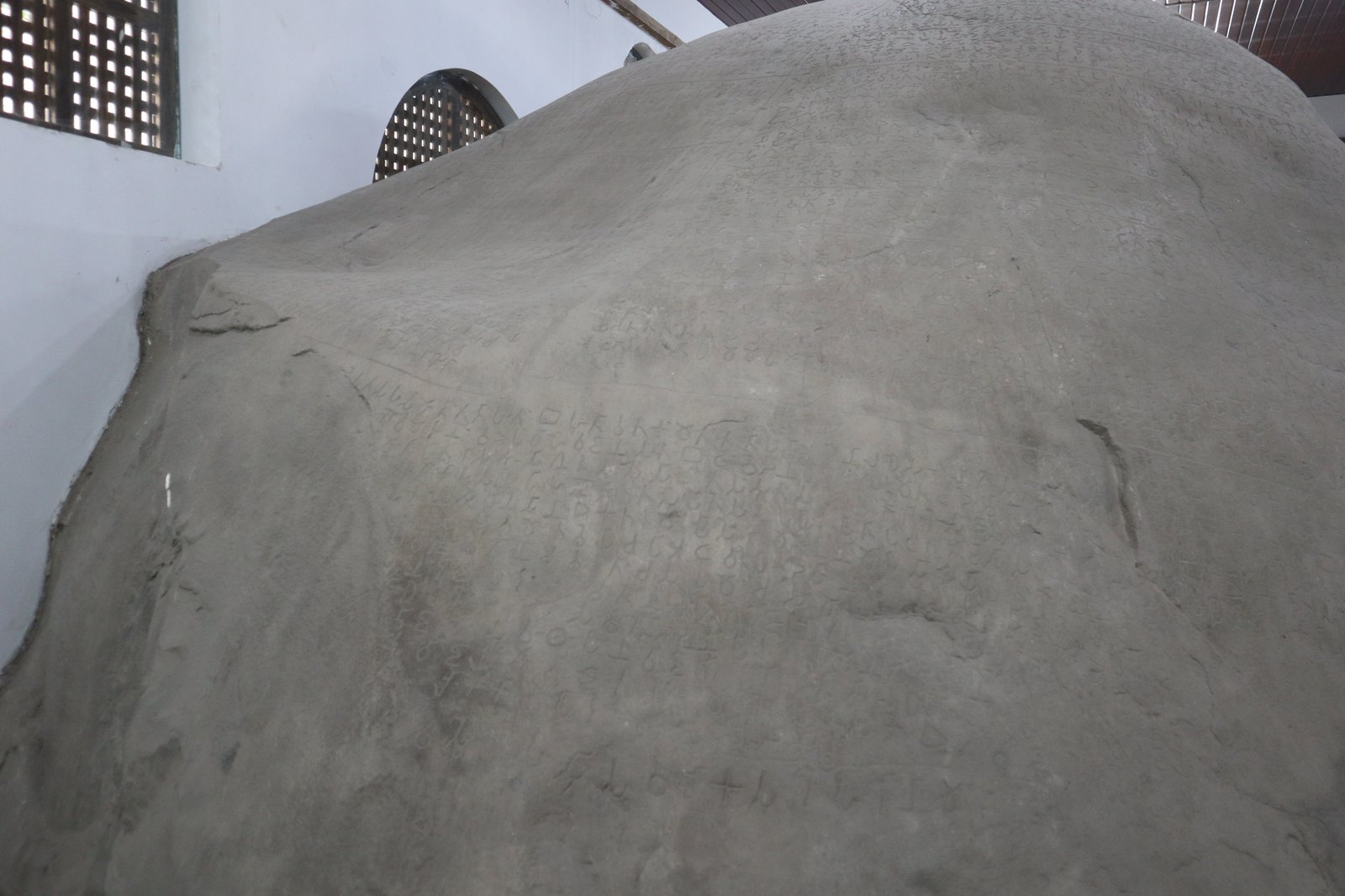
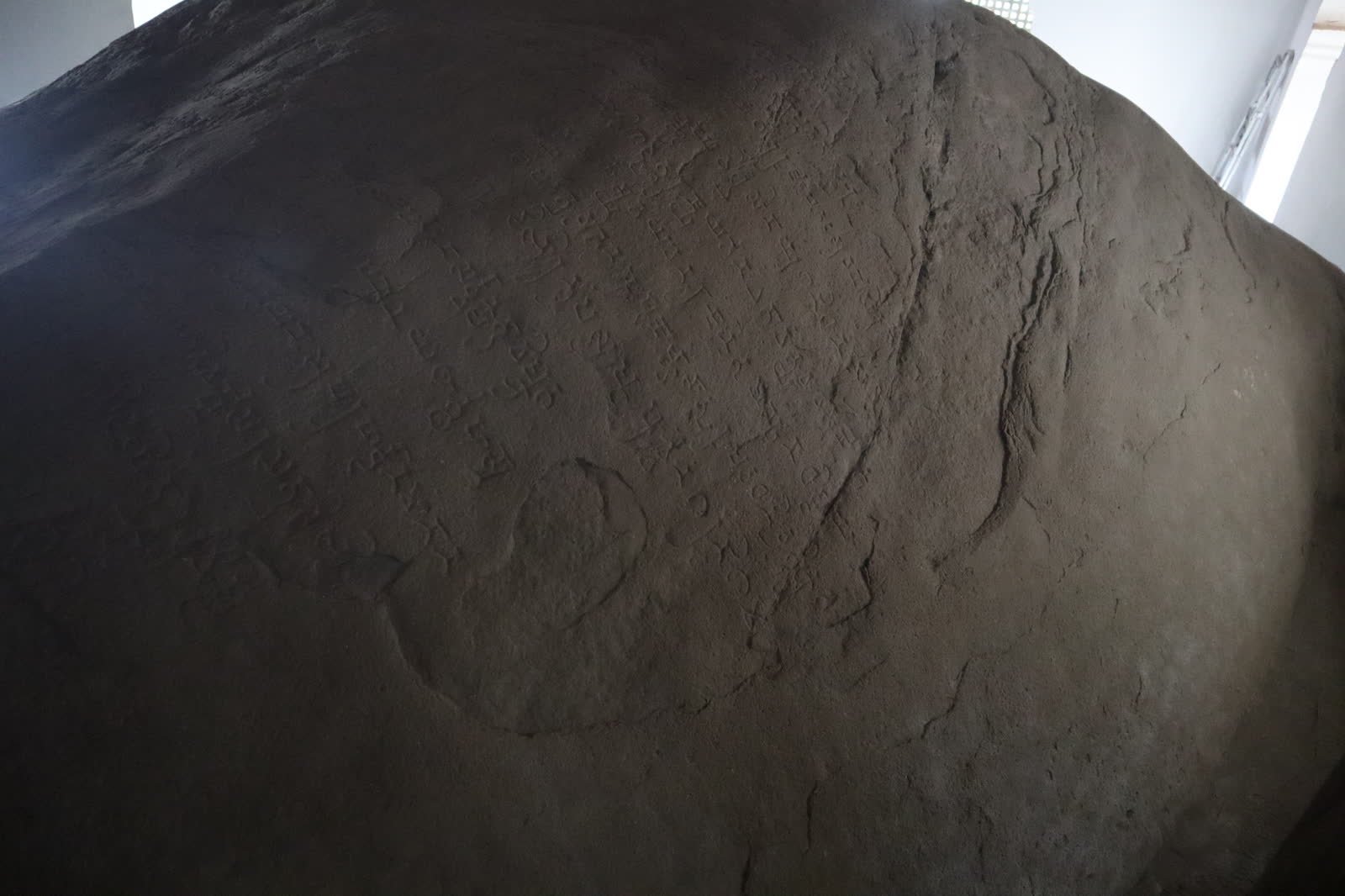
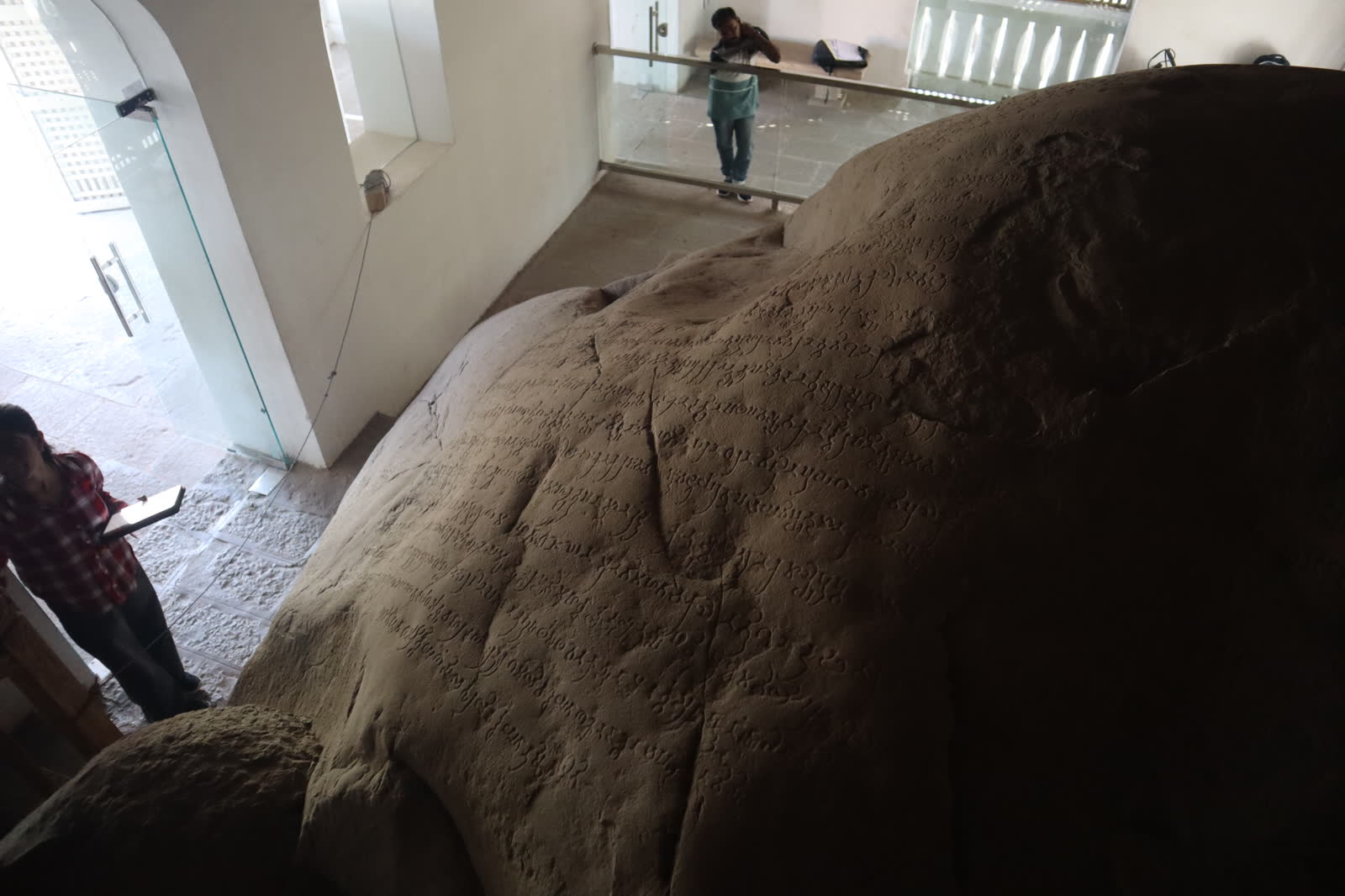
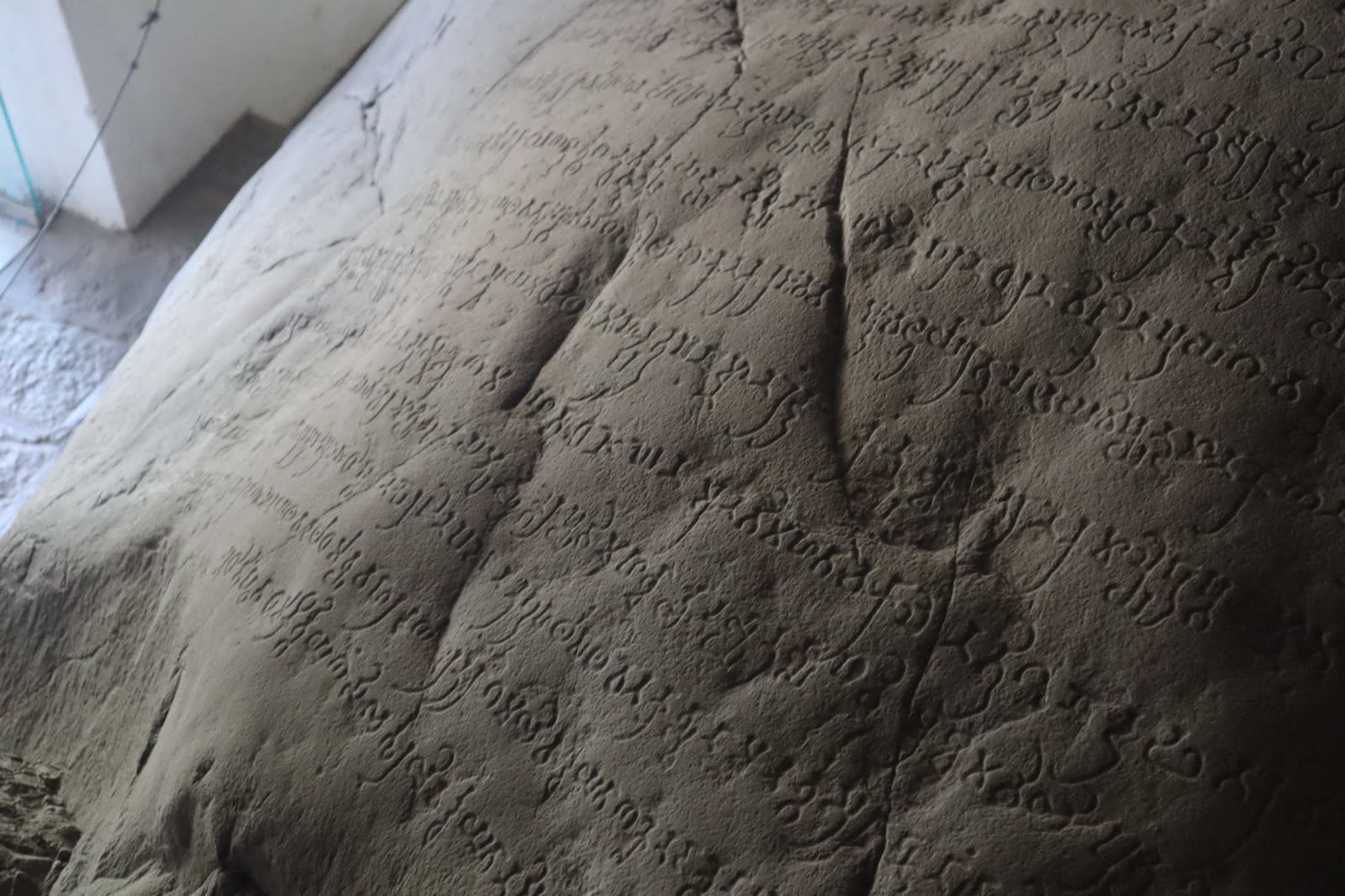
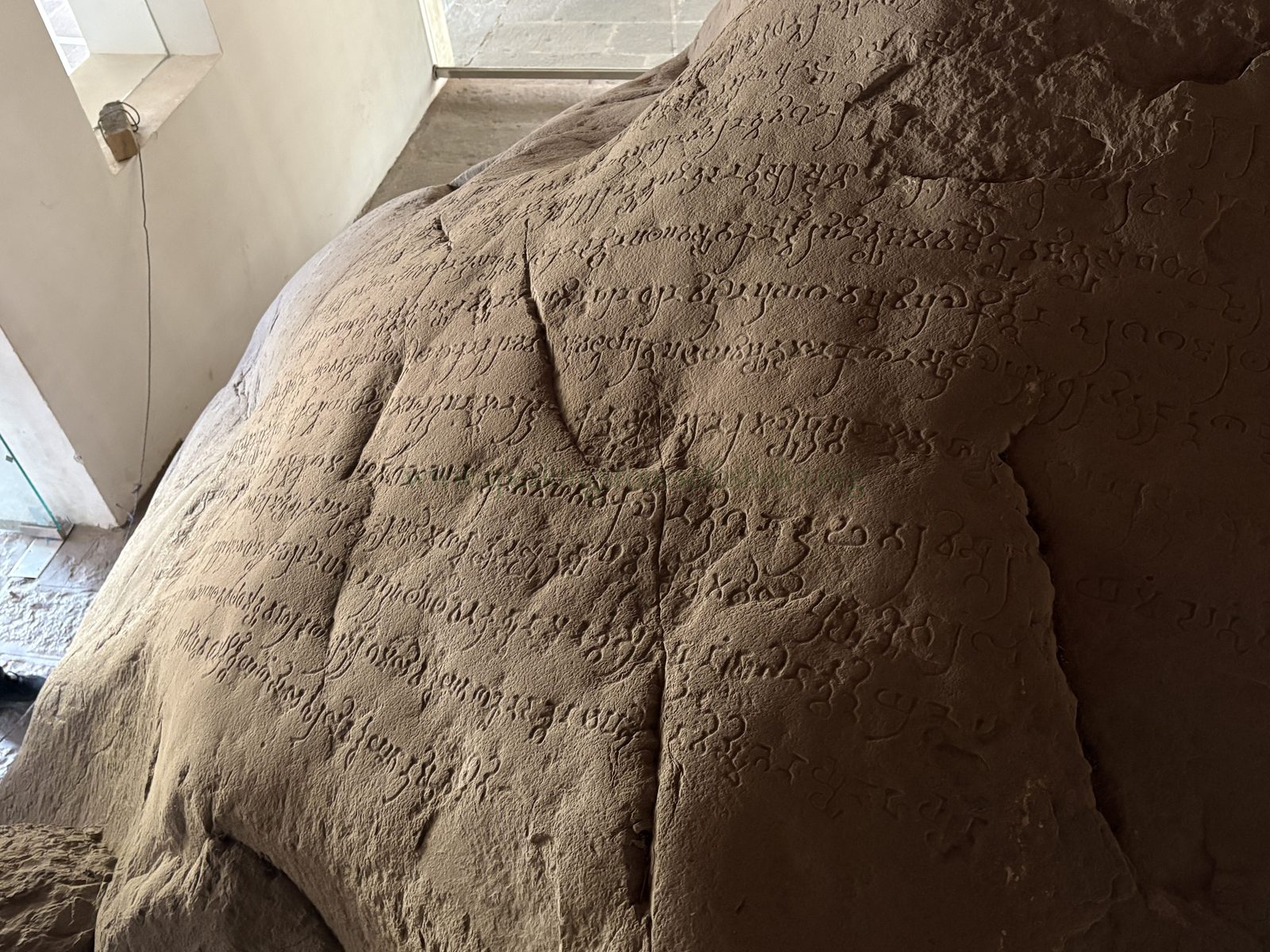
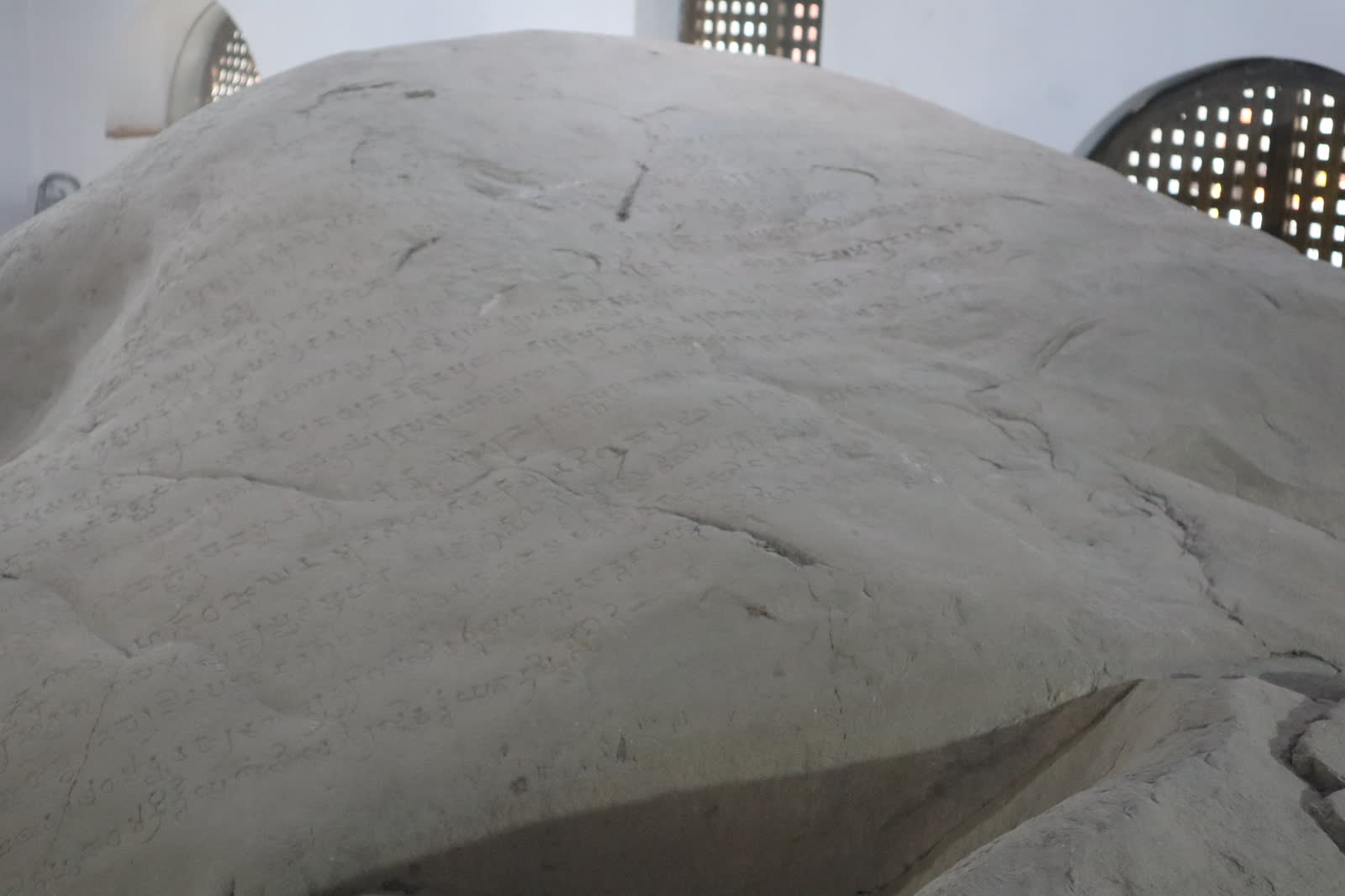
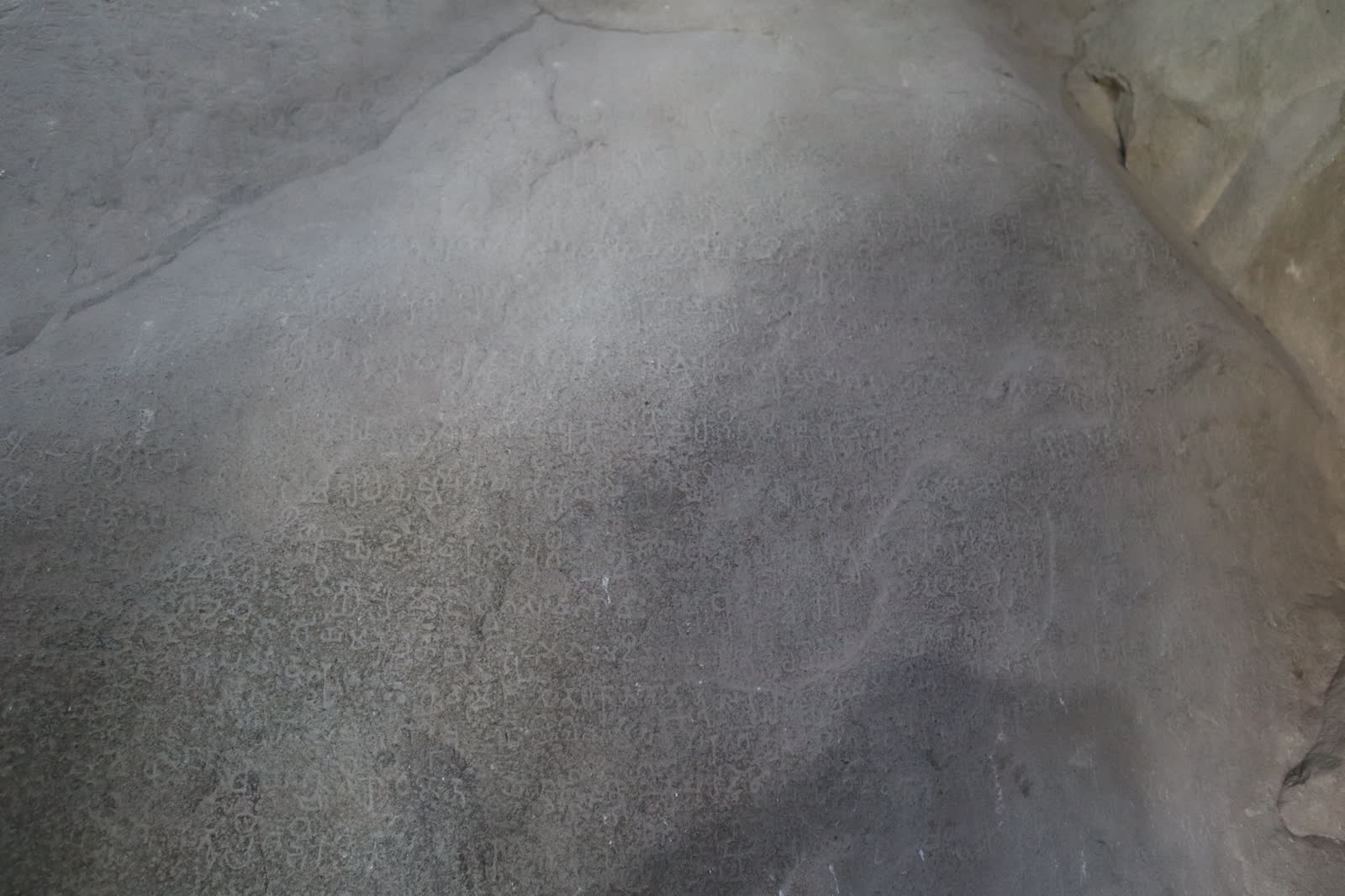
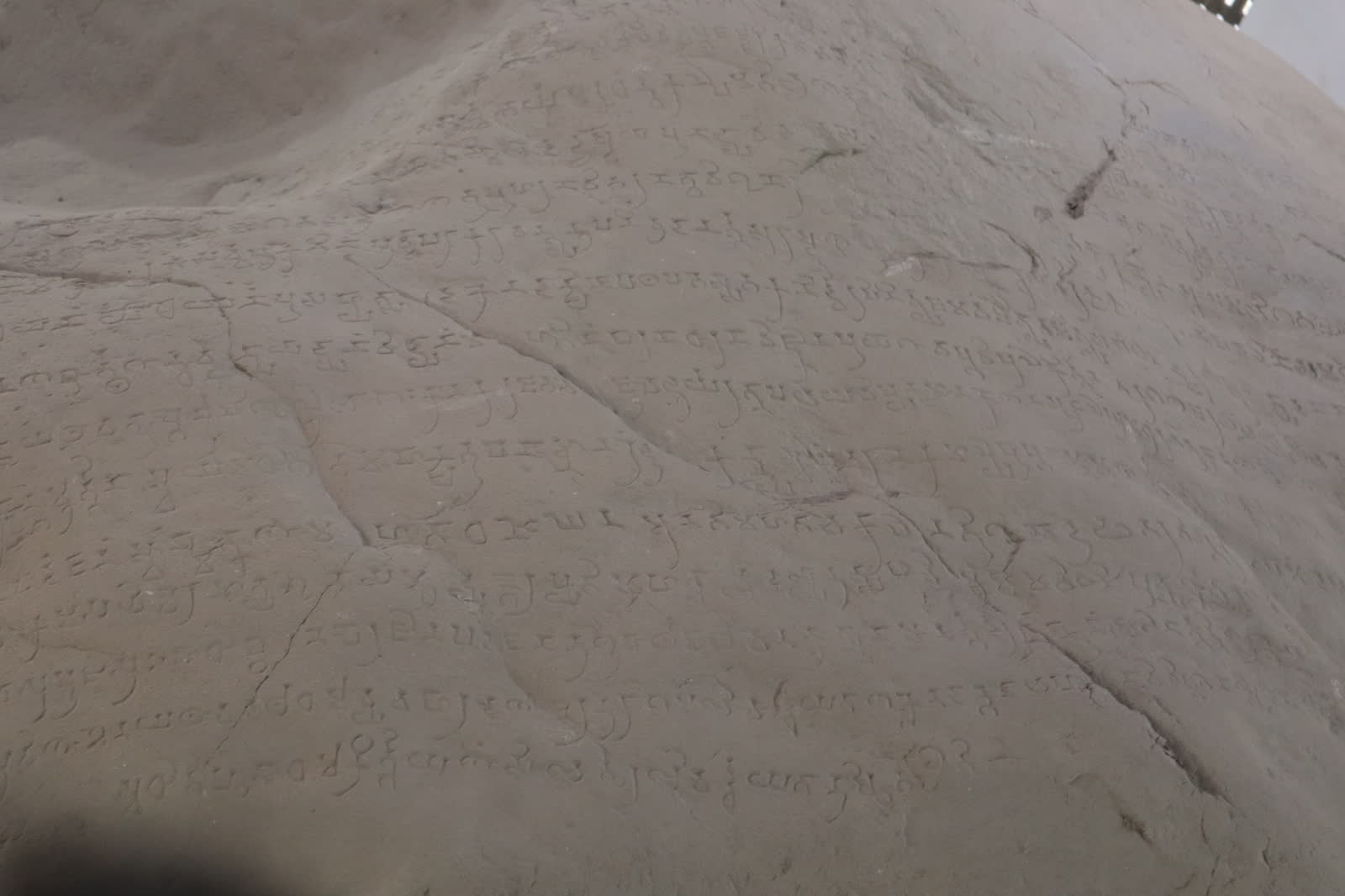
(A) King Devānaṁpriya Priyadarśin desires (that) all sects may reside everywhere. (B) (For) all these desire both self-control and purity of mind. (C) But men possess various desires (and) various passions. (D) Either they will fulfil the whole, or they will fulfil (only) a porti…
Location
Major Lieutenant-Colonel James Tod, first visited Girnār in December 1822, at that time the inscription seems to have been intact. It probably had laid buried in dense forest and might never have come to light had not a local notable made a causeway through the jungle for the ben…, Gujarat, India
Date
c. 260–250 BCE
Script
Brahmi
Language
Prakrit
Type
Major Rock Edict
Coordinates
21.5167° N, 70.4667° E
Overview
Girnar Discovery Story
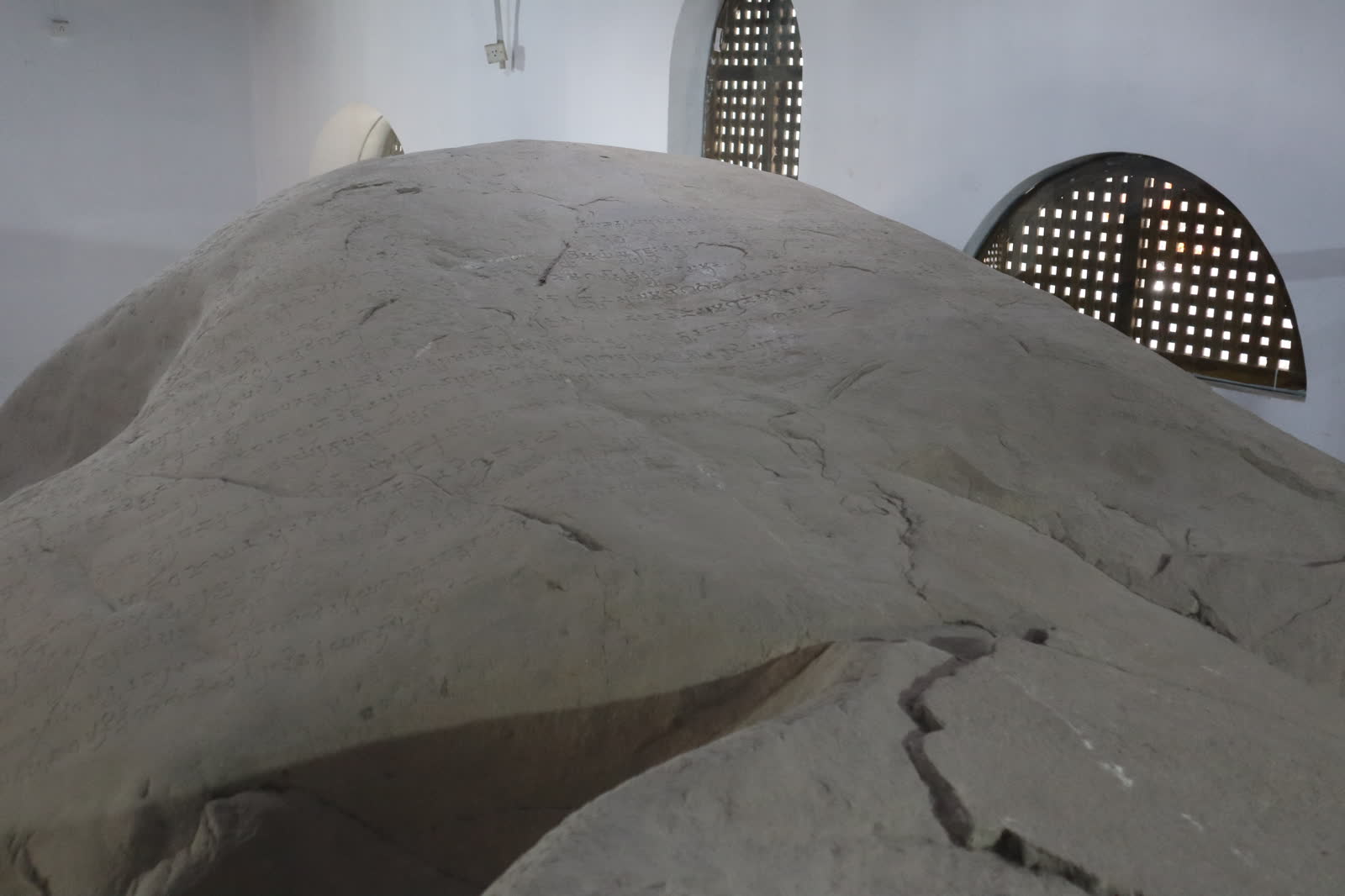
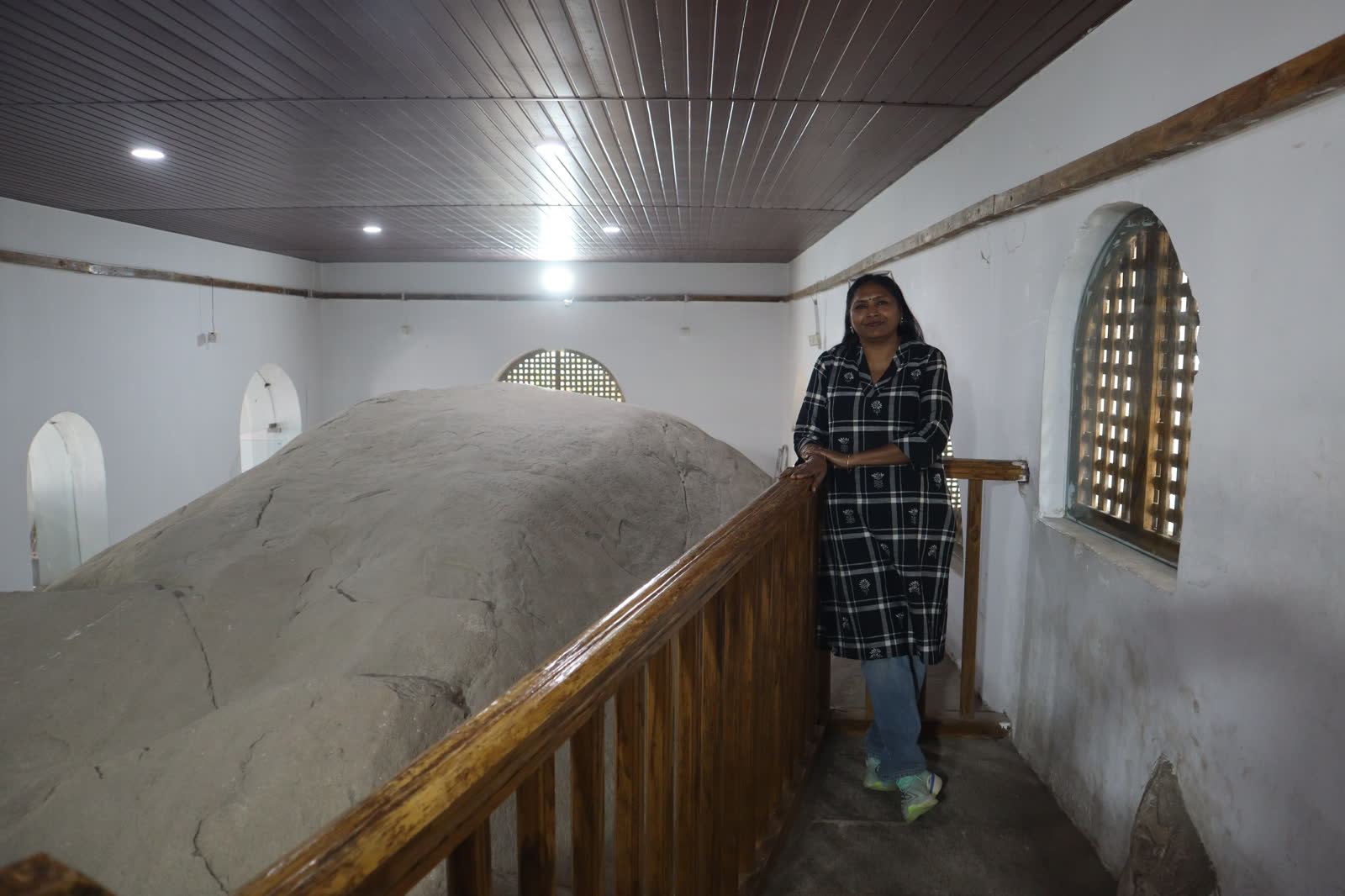
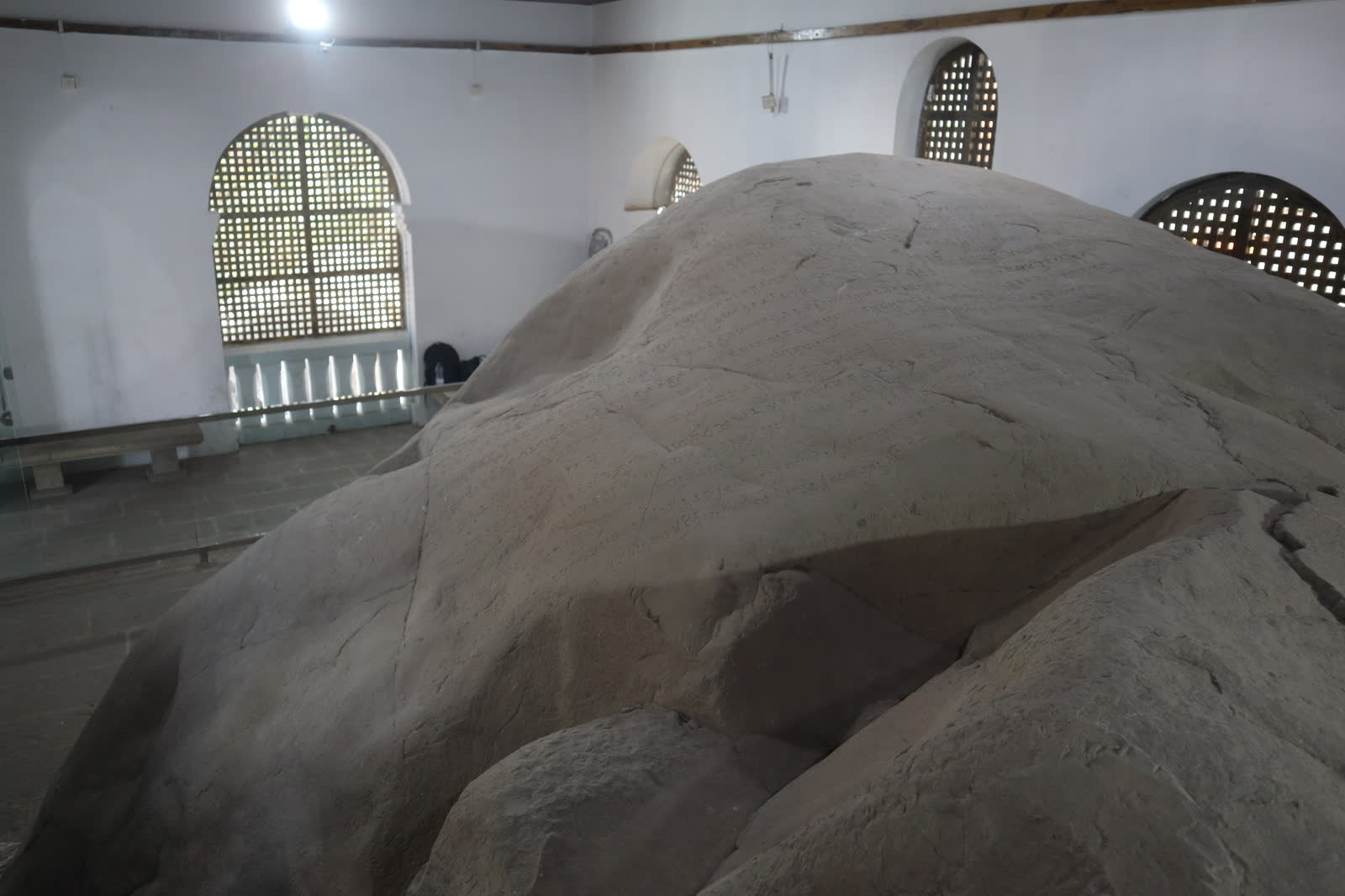
Major Lieutenant-Colonel James Tod, first visited Girnār in December 1822, at that time the inscription seems to have been intact. It probably had laid buried in dense forest and might never have come to light had not a local notable made a causeway through the jungle for the benefit of pilgrims to the hill, which is one of the most sacred places venerated by the Jains. He described it as a huge hemispherical mass of dark granite, which, like a wart upon the body, has protruded through the crust of mother earth, without fissure or inequality, and which, by the aid of the ‘iron pen,’ has been converted into a book. Tod was a famous Rajasthan annalist and army antiquarian of the East India Company. His reaction to Girnār was written before the Brahmi script had been deciphered. His account is arresting for the recognition that the edict is both monument and inscription, an ancient rock transformed to a monument by the writing on it. The measurement of its arc is nearly ninety feet; its surface is divided into compartments or parallelograms, within which are inscriptions in the usual antique character. The way in which the Girnār edicts were inscribed on a sin…
1 (A) Devānaṁpiyo Piyadasi rājā sarvata ichati save pāsaṁḍā vaseyu (B) save te sayamaṁ ca
2 bhāva-sudhiṁ ca ichati (C) jano tu ucāvaca-chaṁdo ucāvaca-rāgo (D) te sarvaṁ va kāsaṁti eka-desaṁ va kasa[ṁ]ti
3 (E) vip[ul]e tu pi dāne yasa nāsti sayame bhāva-sudhitā va kataṁñatā va daḍhabhati[t]ā ca nicā bāḍhaṁ
Translation
(A) King Devānaṁpriya Priyadarśin desires (that) all sects may reside everywhere.
(B) (For) all these desire both self-control and purity of mind.
(C) But men possess various desires (and) various passions.
(D) Either they will fulfil the whole, or they will fulfil (only) a portion (of their duties).
(E) But even one who (practises) great liberality, (but) does not possess self-control, purity of mind, gratitude, and firm devotion, is very mean.