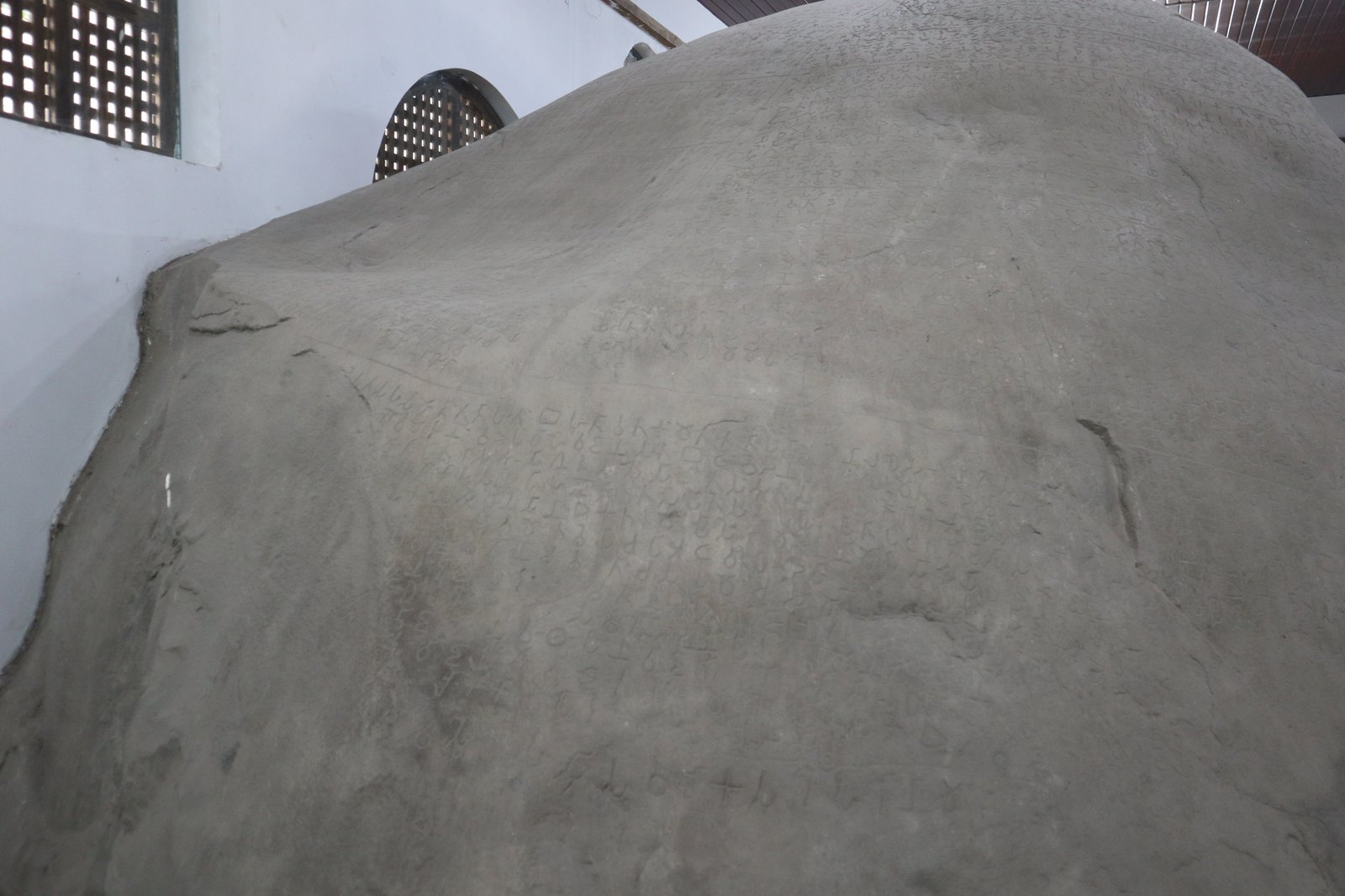
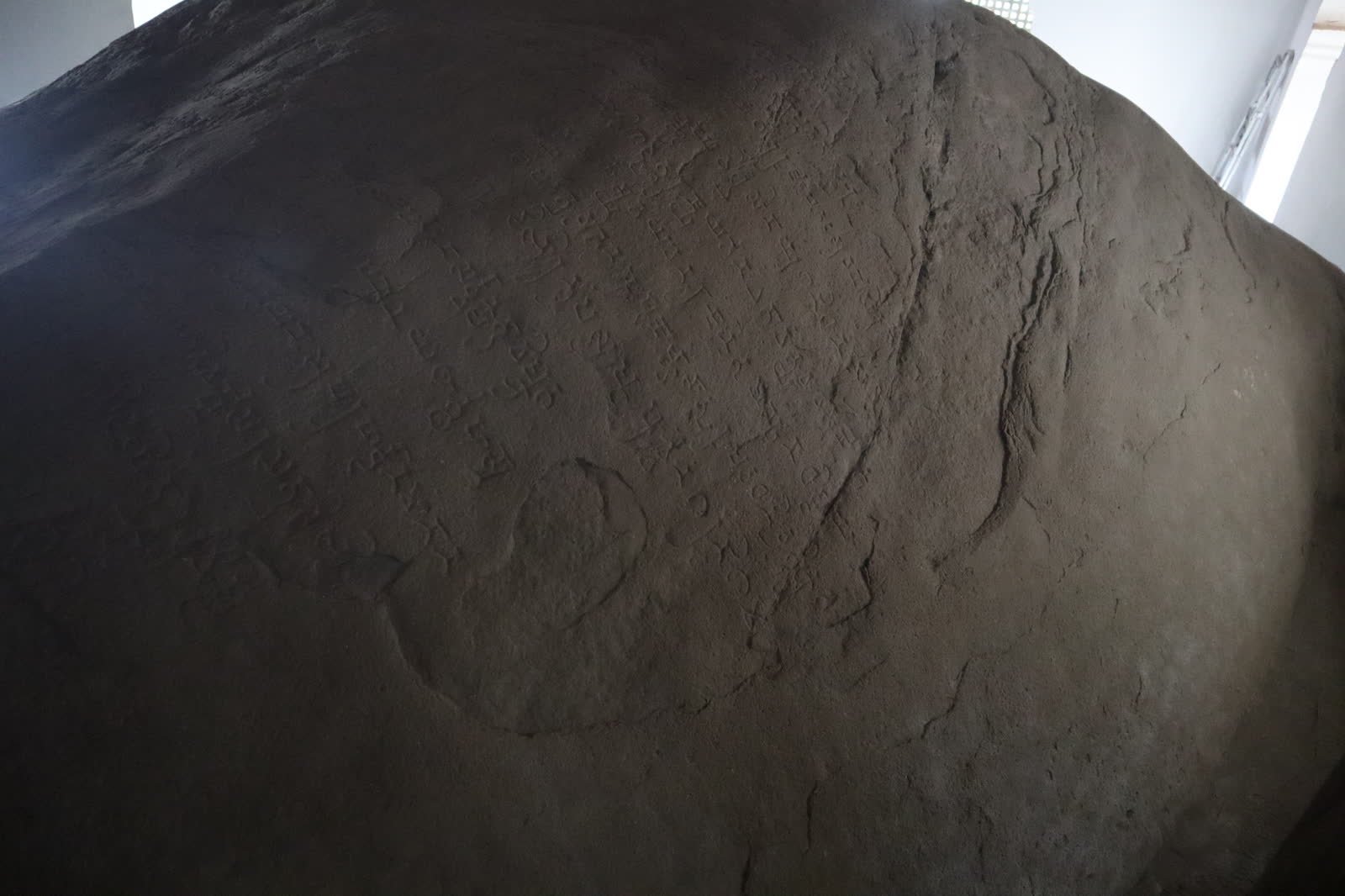
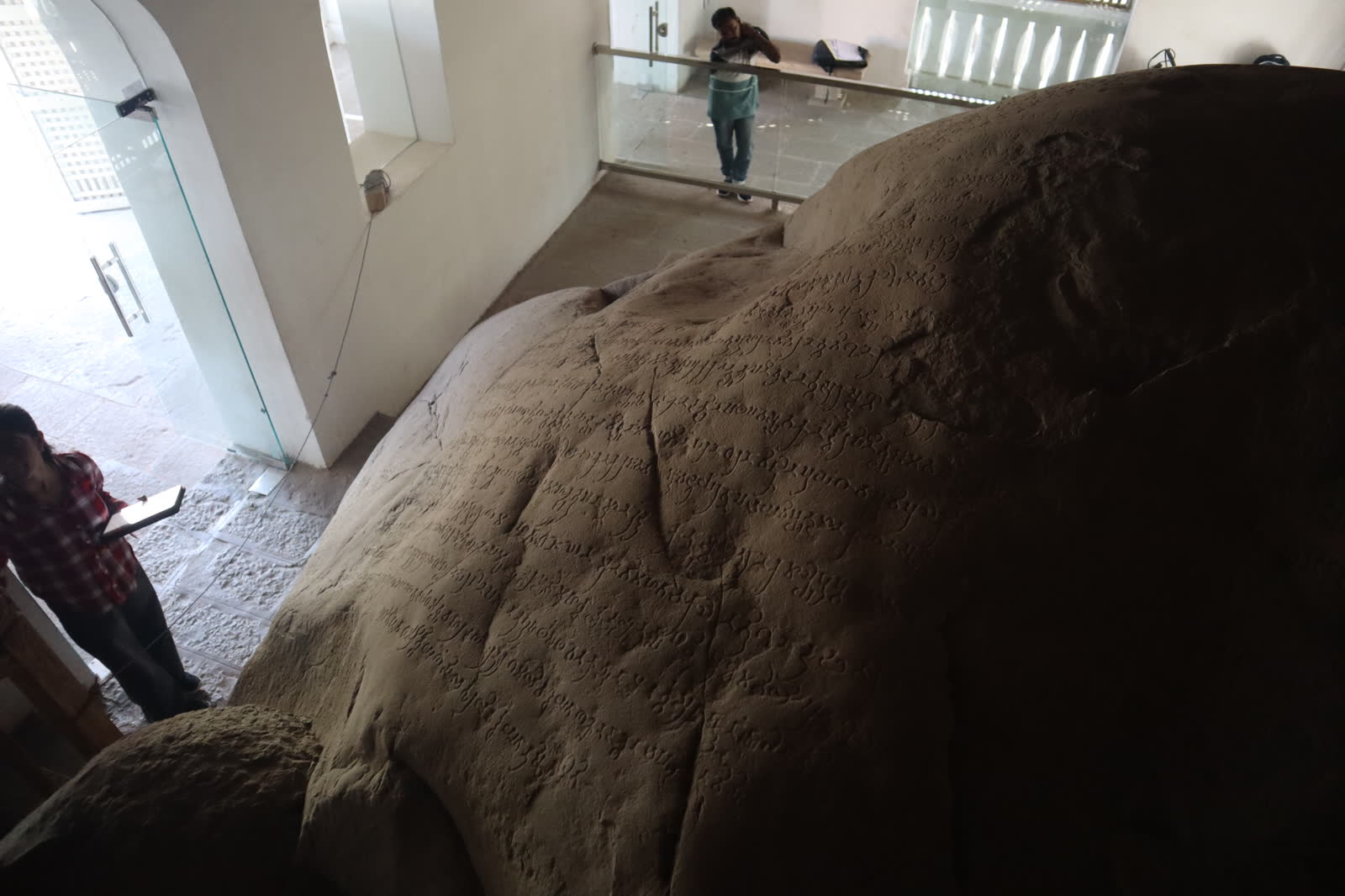
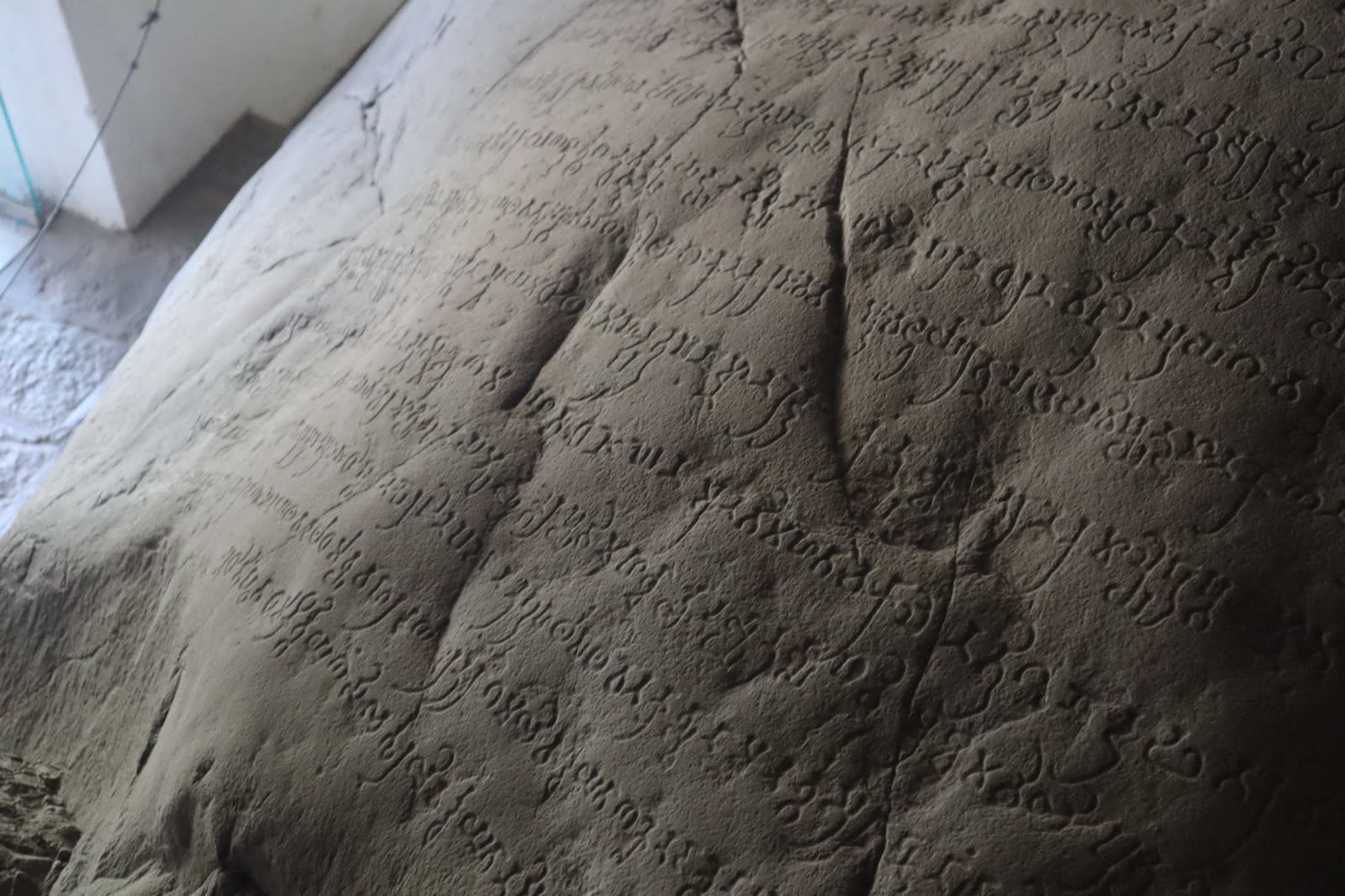
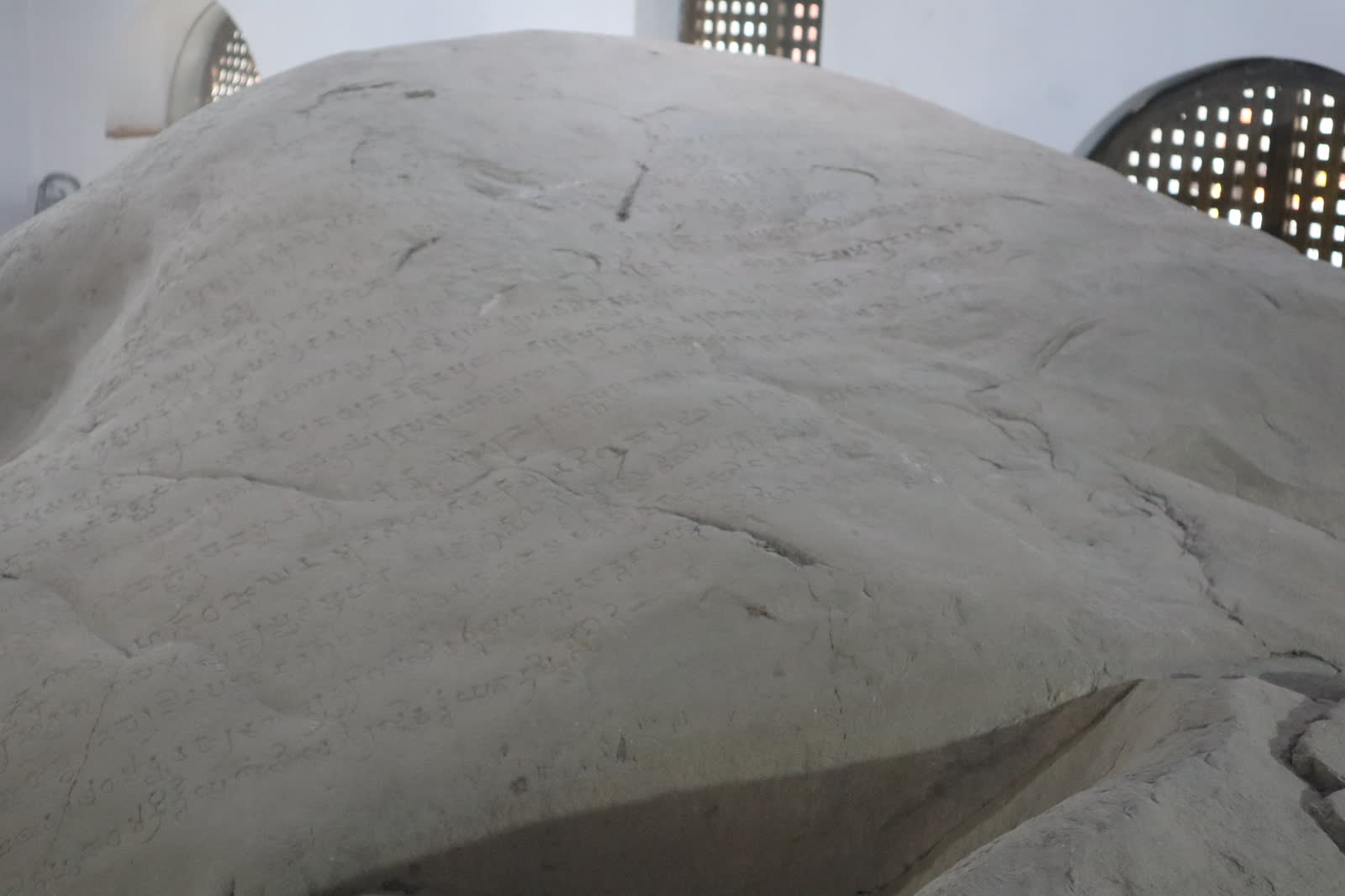
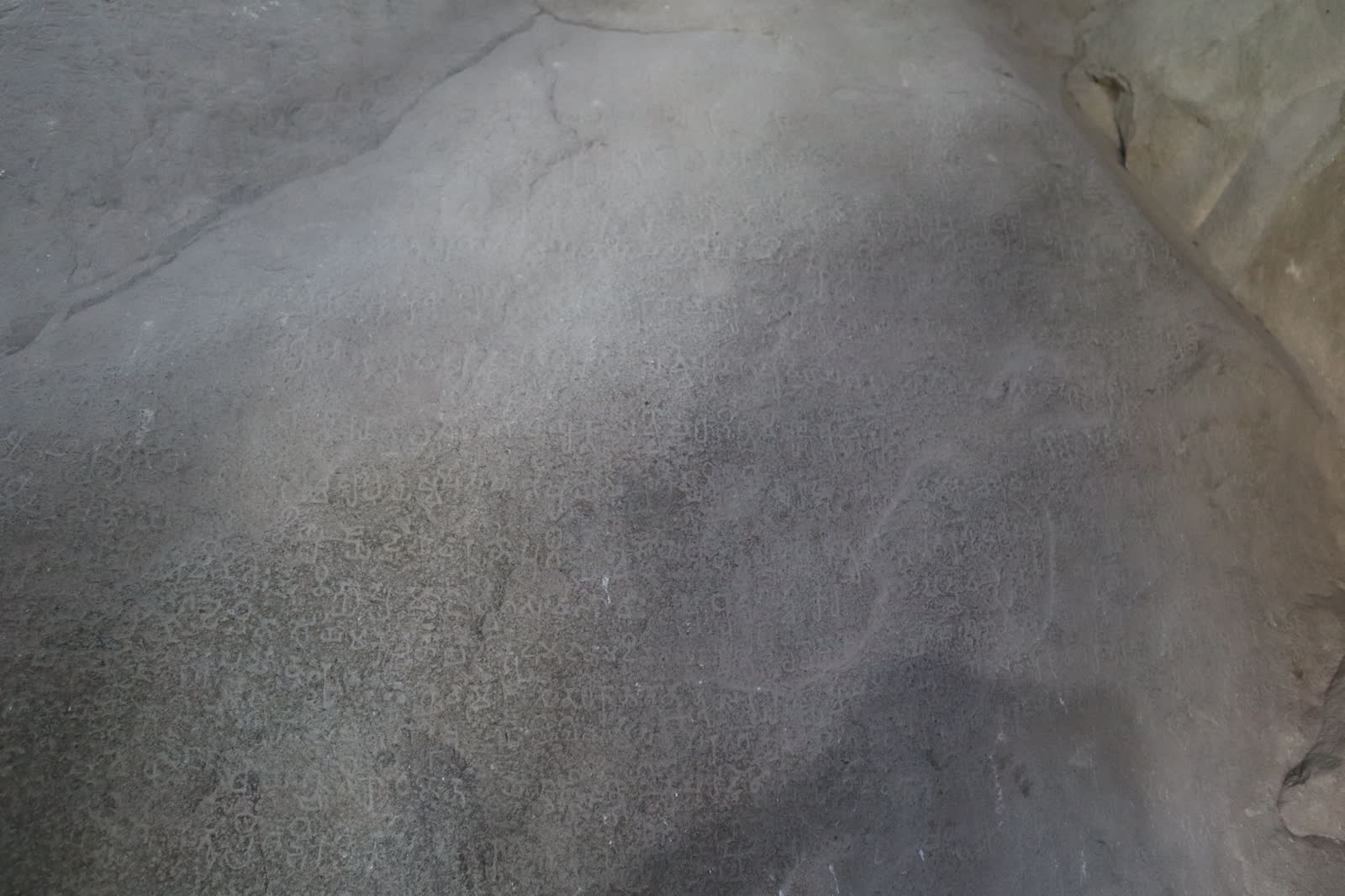
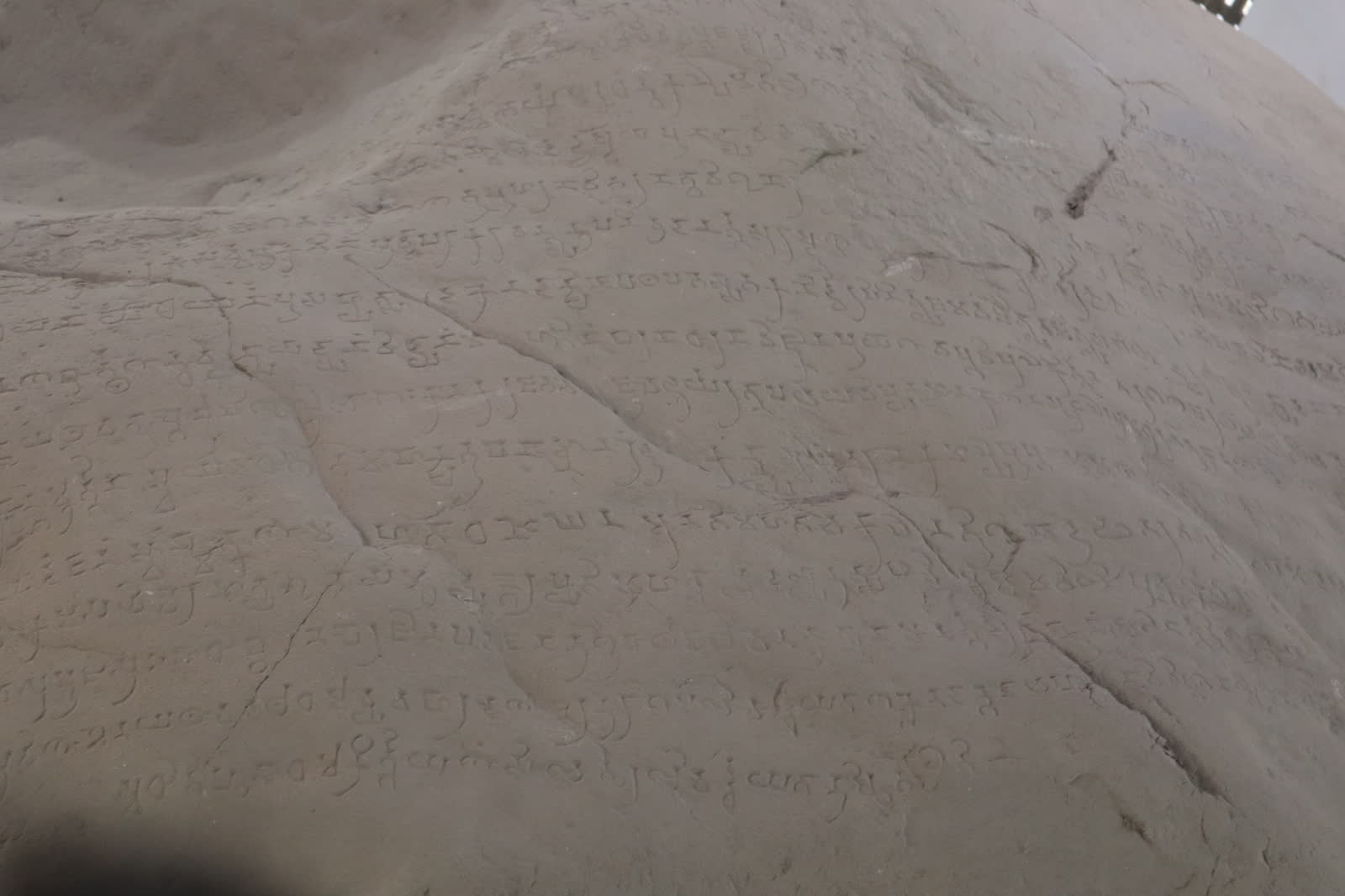
(A) In times past kings used to set out on pleasure-tours. (B) On these (tours) hunting and other such pleasures were (enjoyed) (C) But when king Devānaṁpriya Priyadarśin had been anointed ten years, he went to Saṁbodhi. (D) Therefore these tours of morality (were undertaken). (E…
Location
Major Lieutenant-Colonel James Tod, first visited Girnār in December 1822, at that time the inscription seems to have been intact. It probably had laid buried in dense forest and might never have come to light had not a local notable made a causeway through the jungle for the ben…, Gujarat, India
Date
c. 260–250 BCE
Script
Brahmi
Language
Prakrit
Type
Major Rock Edict
Coordinates
21.5167° N, 70.4667° E
Overview
Girnar Discovery Story
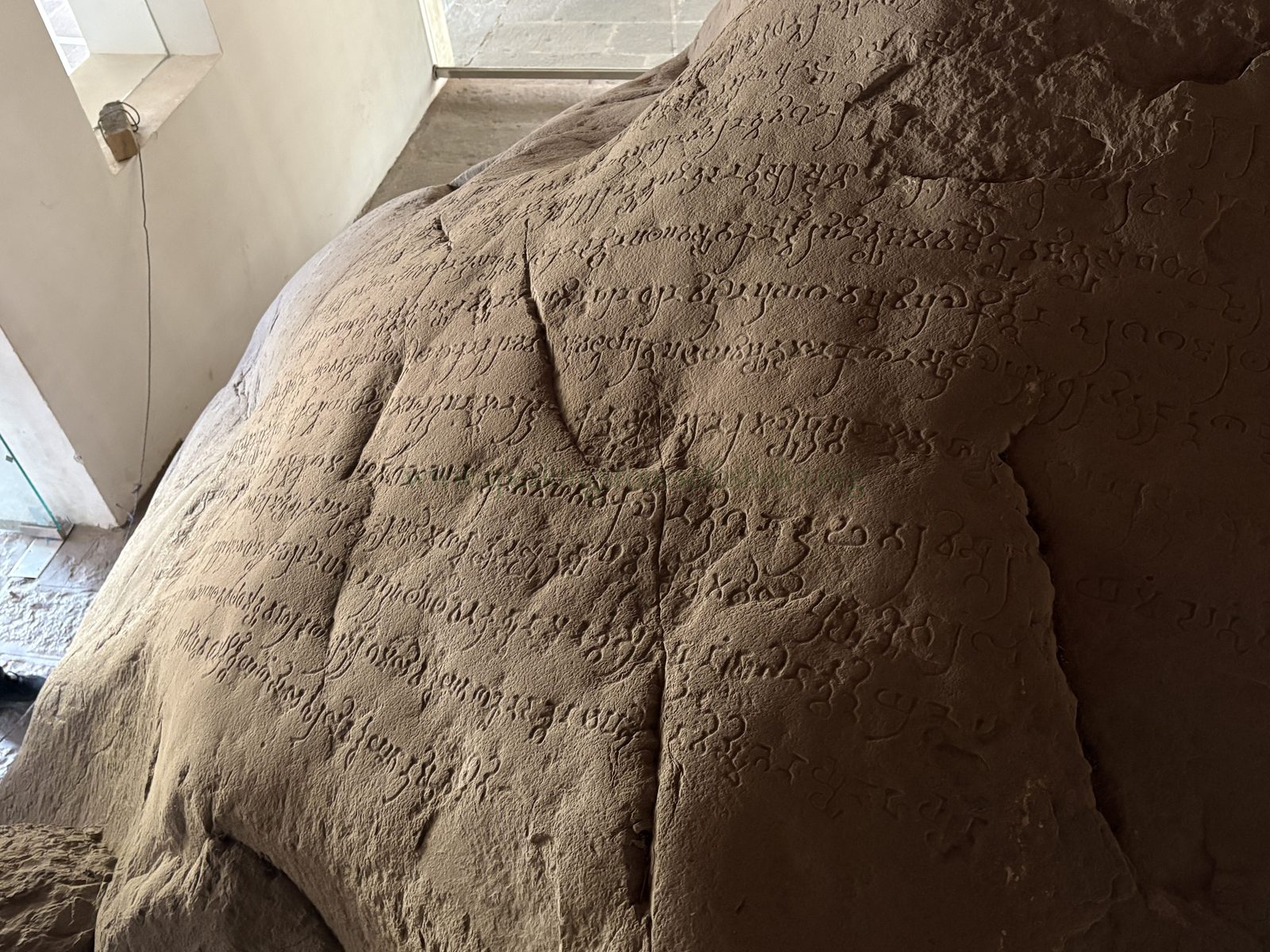
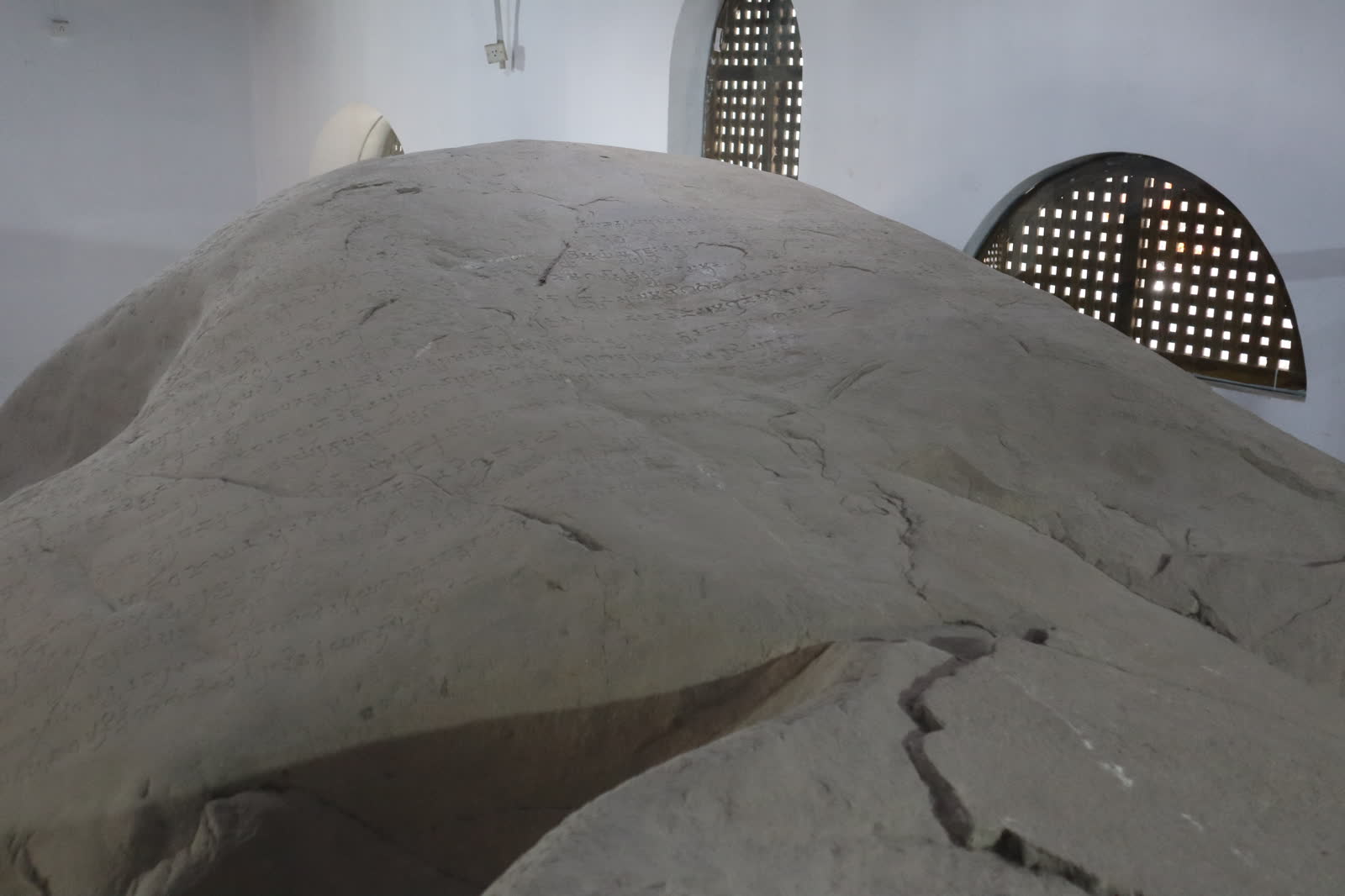
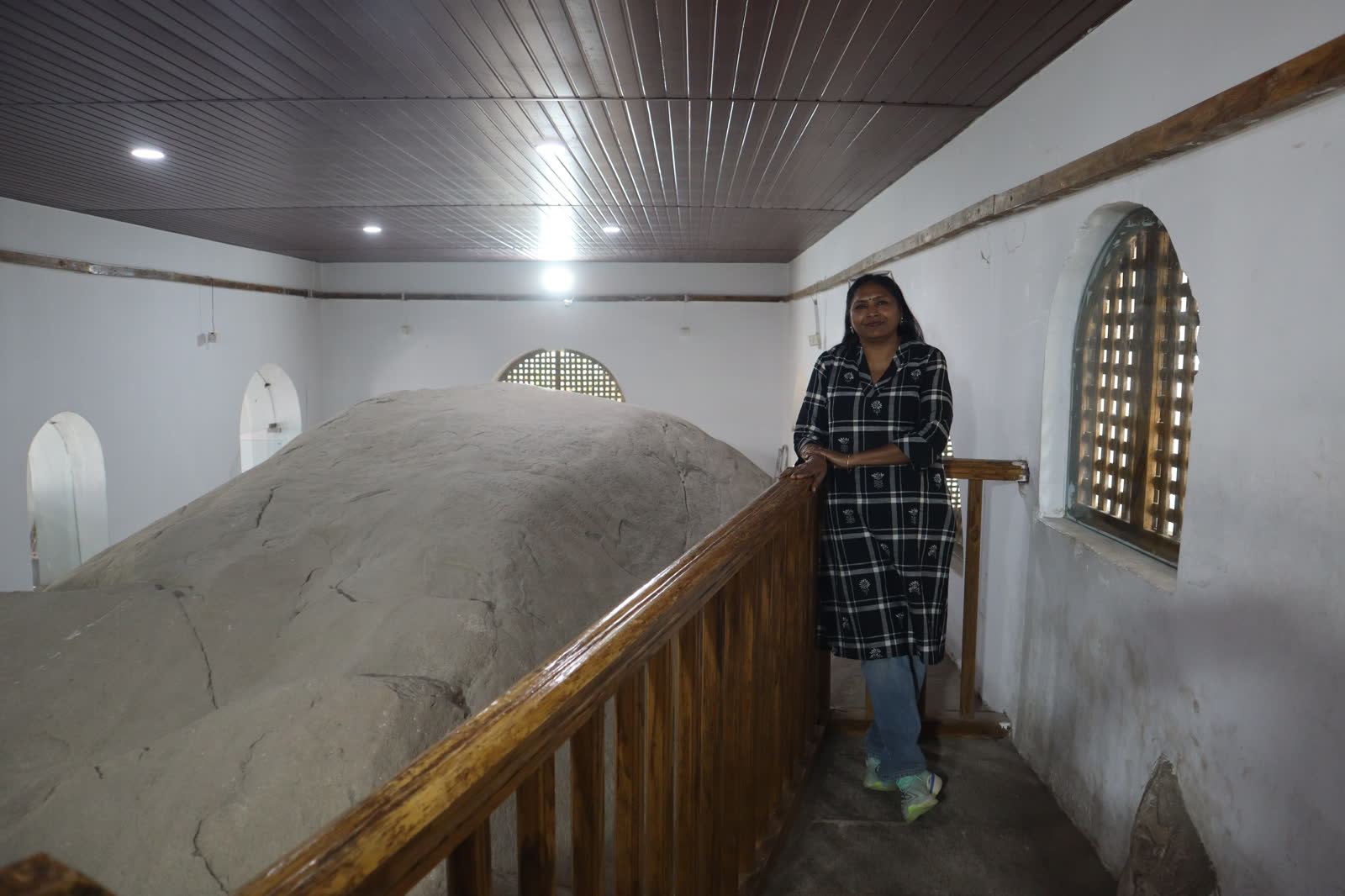
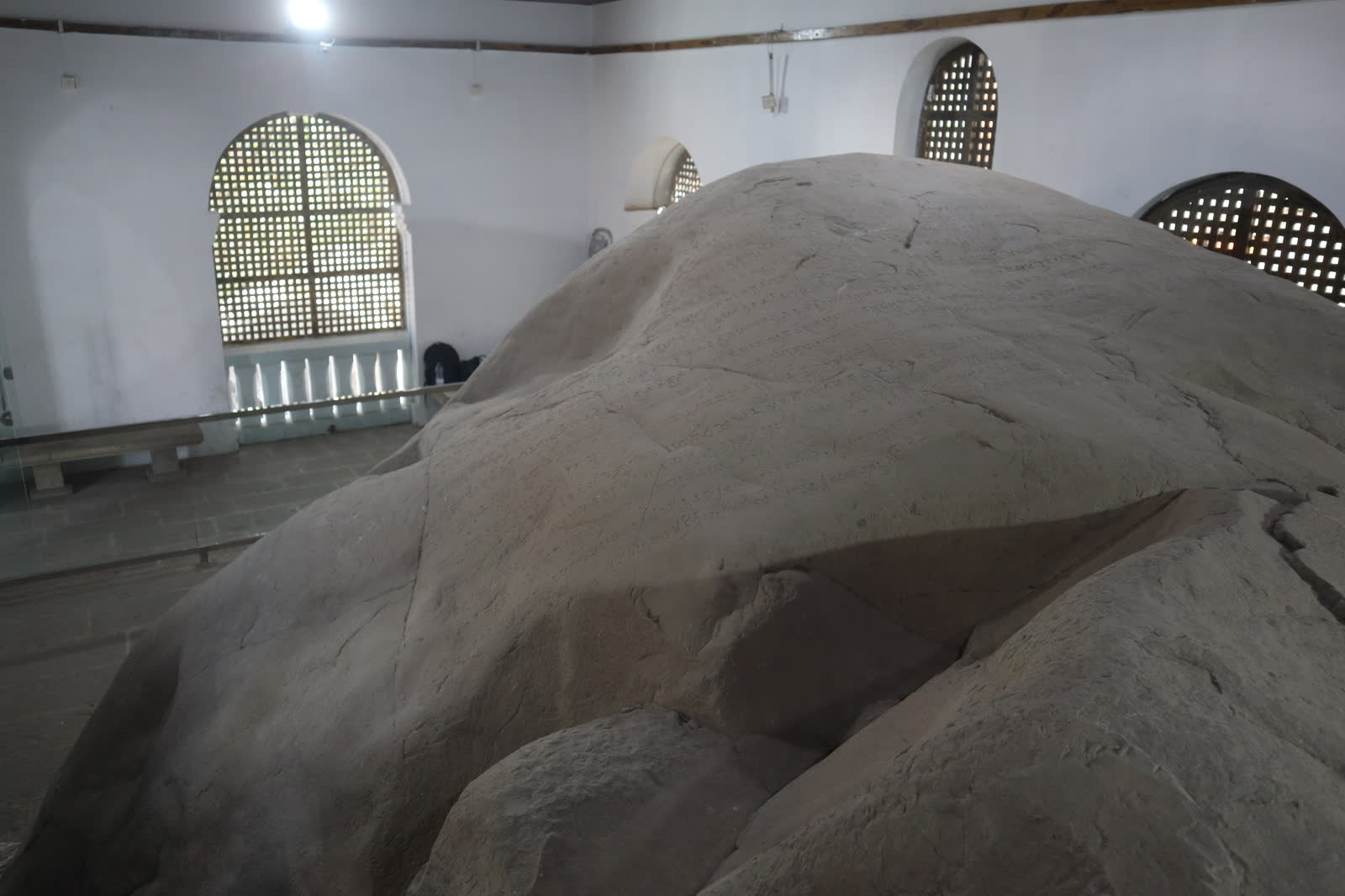
Major Lieutenant-Colonel James Tod, first visited Girnār in December 1822, at that time the inscription seems to have been intact. It probably had laid buried in dense forest and might never have come to light had not a local notable made a causeway through the jungle for the benefit of pilgrims to the hill, which is one of the most sacred places venerated by the Jains. He described it as a huge hemispherical mass of dark granite, which, like a wart upon the body, has protruded through the crust of mother earth, without fissure or inequality, and which, by the aid of the ‘iron pen,’ has been converted into a book. Tod was a famous Rajasthan annalist and army antiquarian of the East India Company. His reaction to Girnār was written before the Brahmi script had been deciphered. His account is arresting for the recognition that the edict is both monument and inscription, an ancient rock transformed to a monument by the writing on it. The measurement of its arc is nearly ninety feet; its surface is divided into compartments or parallelograms, within which are inscriptions in the usual antique character. The way in which the Girnār edicts were inscribed on a sin…
1 (A) atikātaṁ aṁtaraṁ rājāno vihāra-yātāṁ ñayāsu (B) eta magavyā añāni ca etārisani
2 abhīramakāni ahuṁsu (C) so Devānaṁpriyo Piyadasi rājā dasa-varsābhisito saṁto ayāya Saṁbodhiṁ
3 (D) tenesā dhaṁma-yātā (E) etayaṁ hoti bāmhana-samaṇānaṁ dasaṇe ca dāne ca thairānaṁ dasaṇe c[a]
4 hiraṁṇa-paṭividhāno ca jānapadasa ca janasa daspanaṁ dhaṁmānus[a]sṭī ca dhama-paripuchā ca
5 tadopayā (F) esā bhuya rati bhavati Devānaṁpiyasa Priyadasino rāño bhā[g]e aṁñe
Translation
(A) In times past kings used to set out on pleasure-tours.
(B) On these (tours) hunting and other such pleasures were (enjoyed)
(C) But when king Devānaṁpriya Priyadarśin had been anointed ten years, he went to Saṁbodhi.
(D) Therefore these tours of morality (were undertaken).
(E) On these (tours) the following takes place, (viz.) visiting Brāhmaṇas and Śramaṇas and making gifts (to them), visiting the aged and supporting (them) with gold, visiting the people of the country, instructing (them) in morality, and questioning (them) about morality, as suitable for this (occasion).
(F) This second period (of the reign) of king Devānāṁpriya Priyadarśin becomes a pleasure in a higher degree.