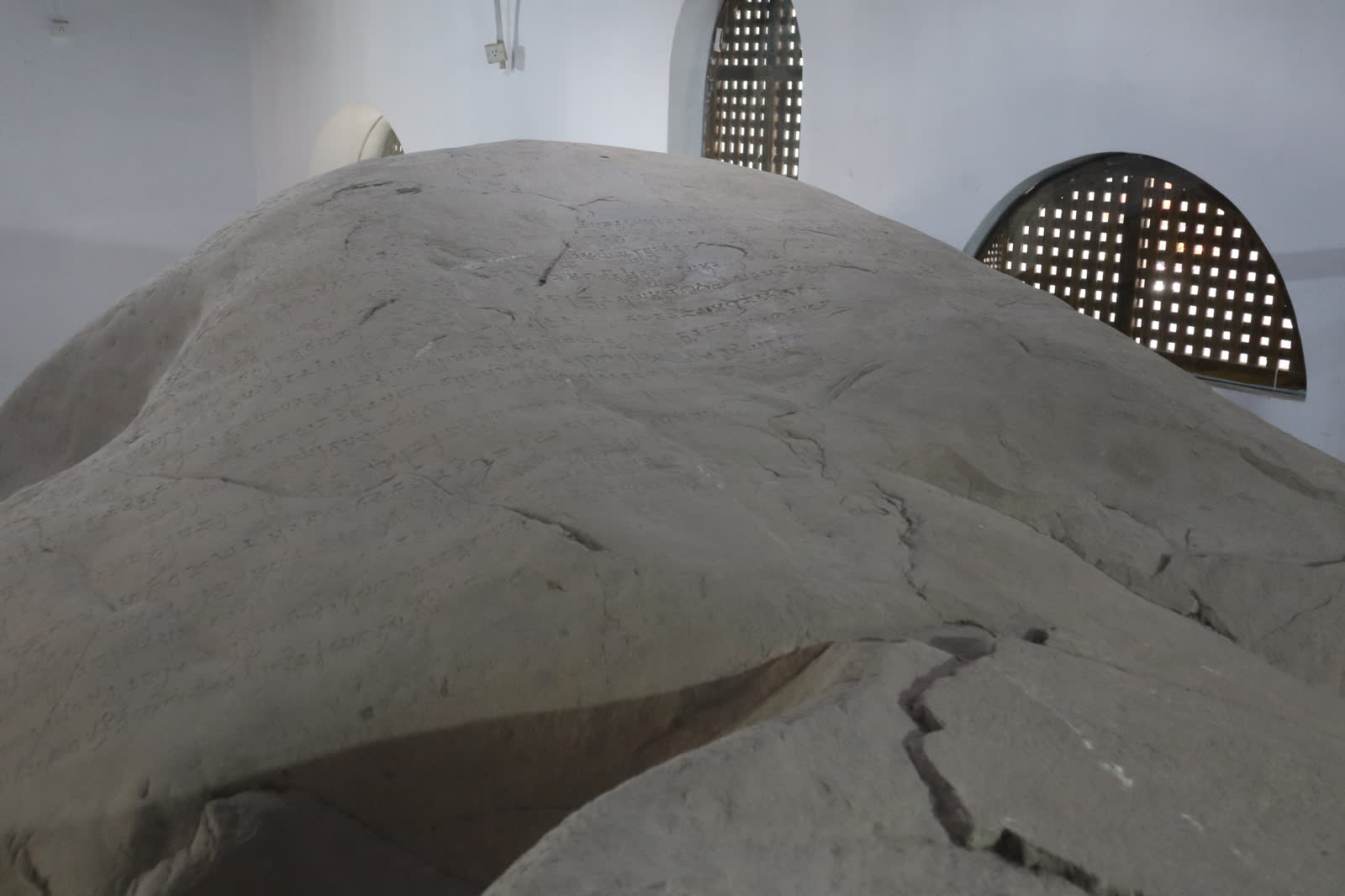
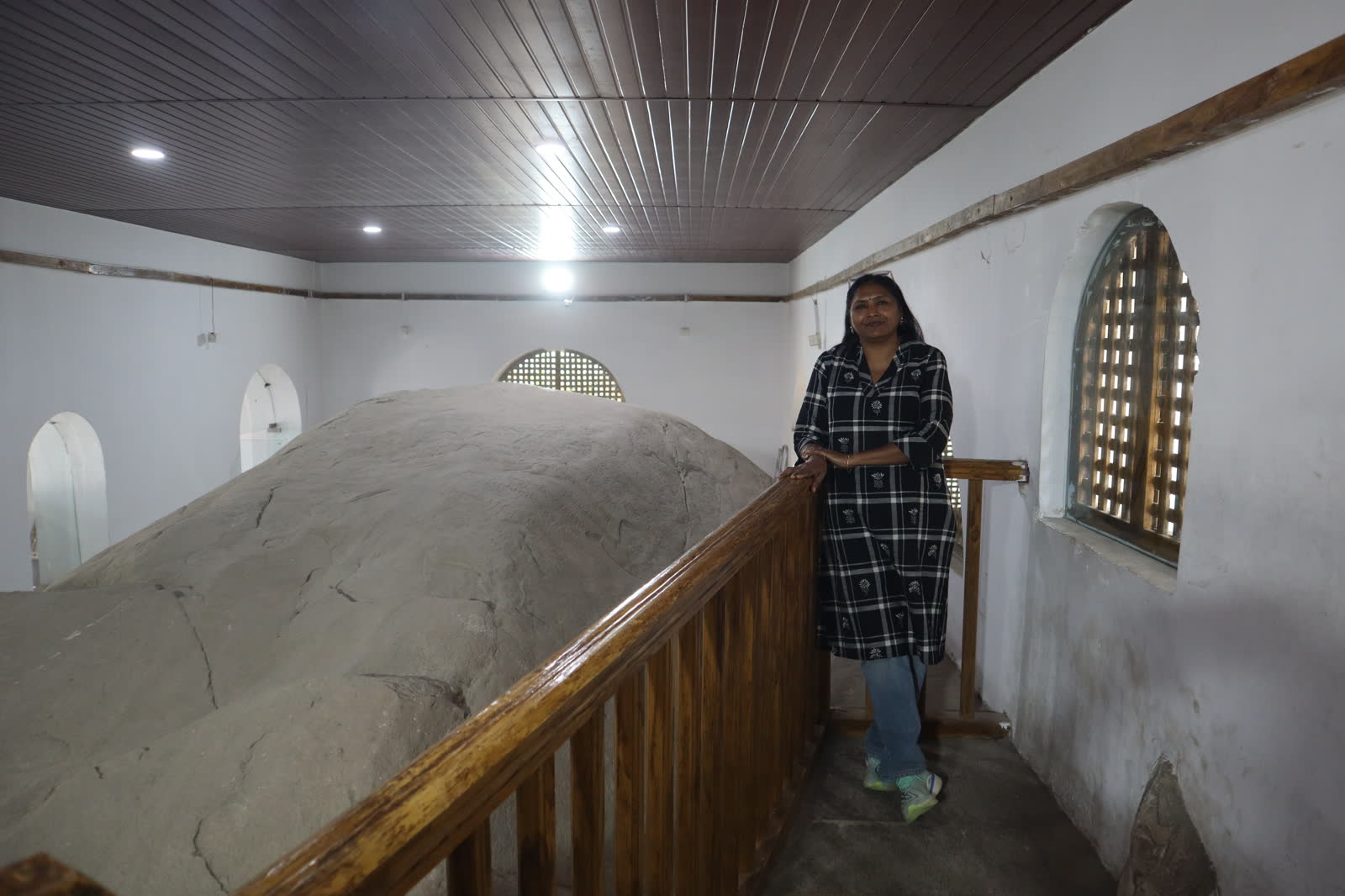
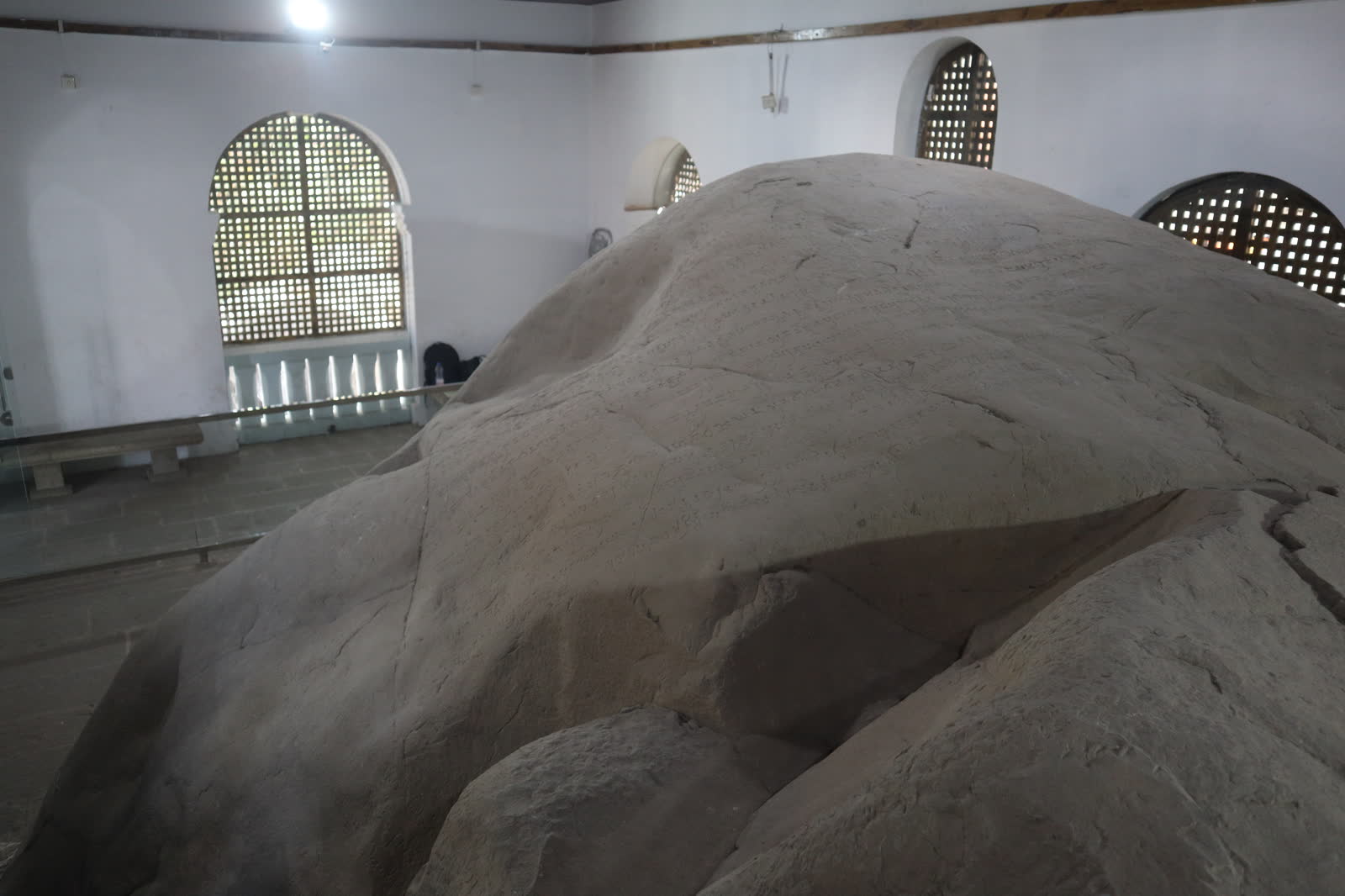
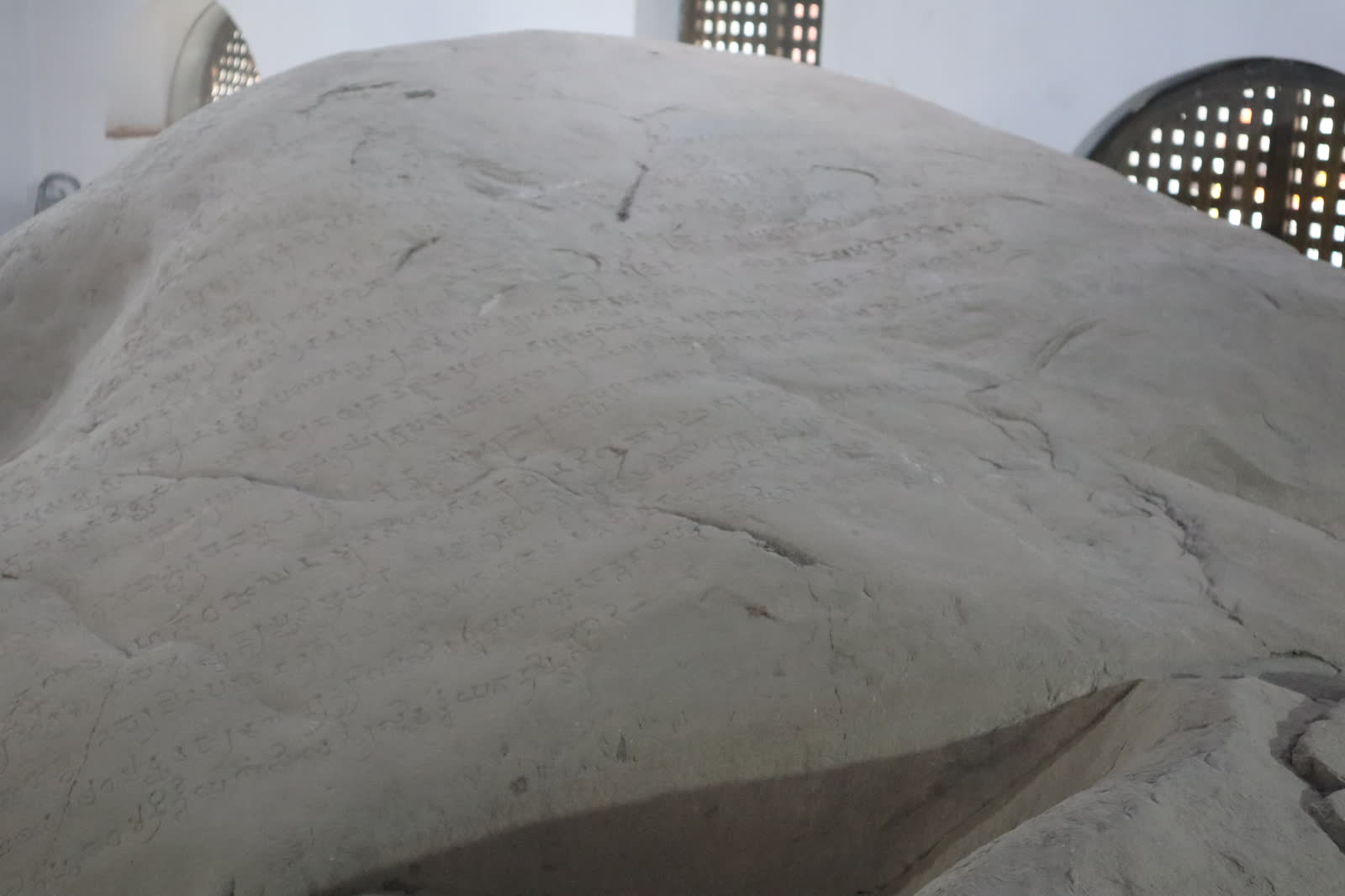
Original Text
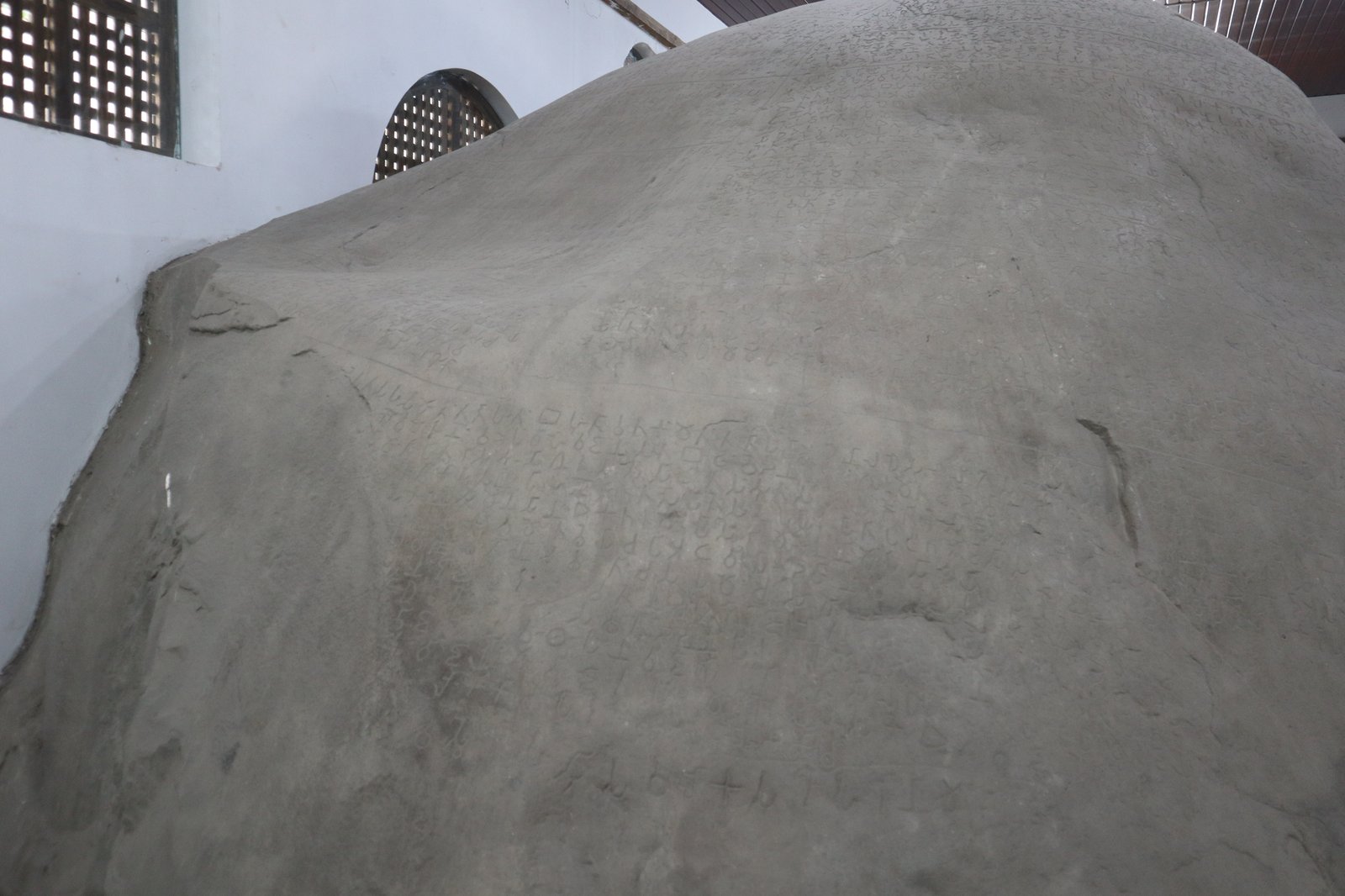
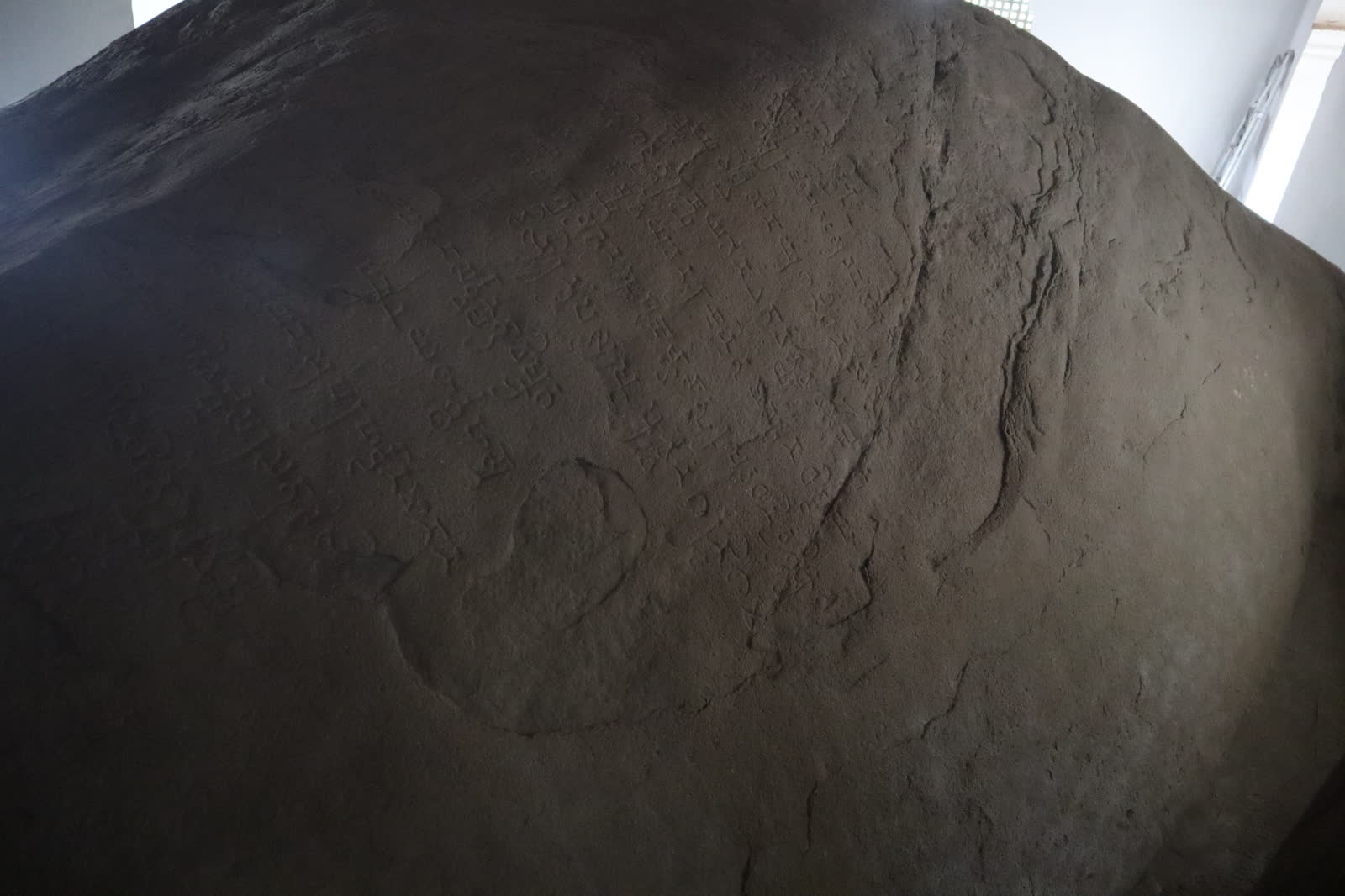
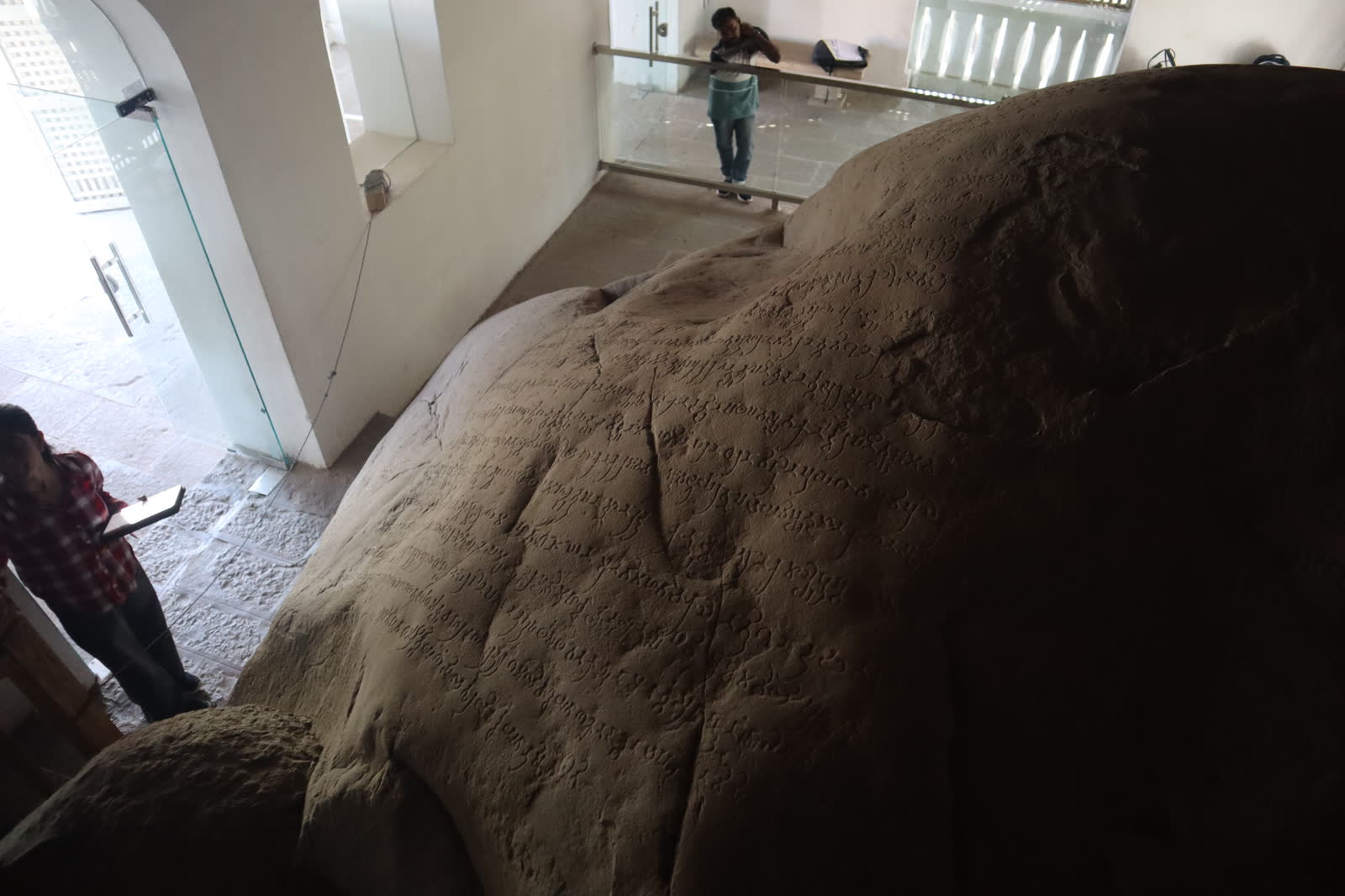
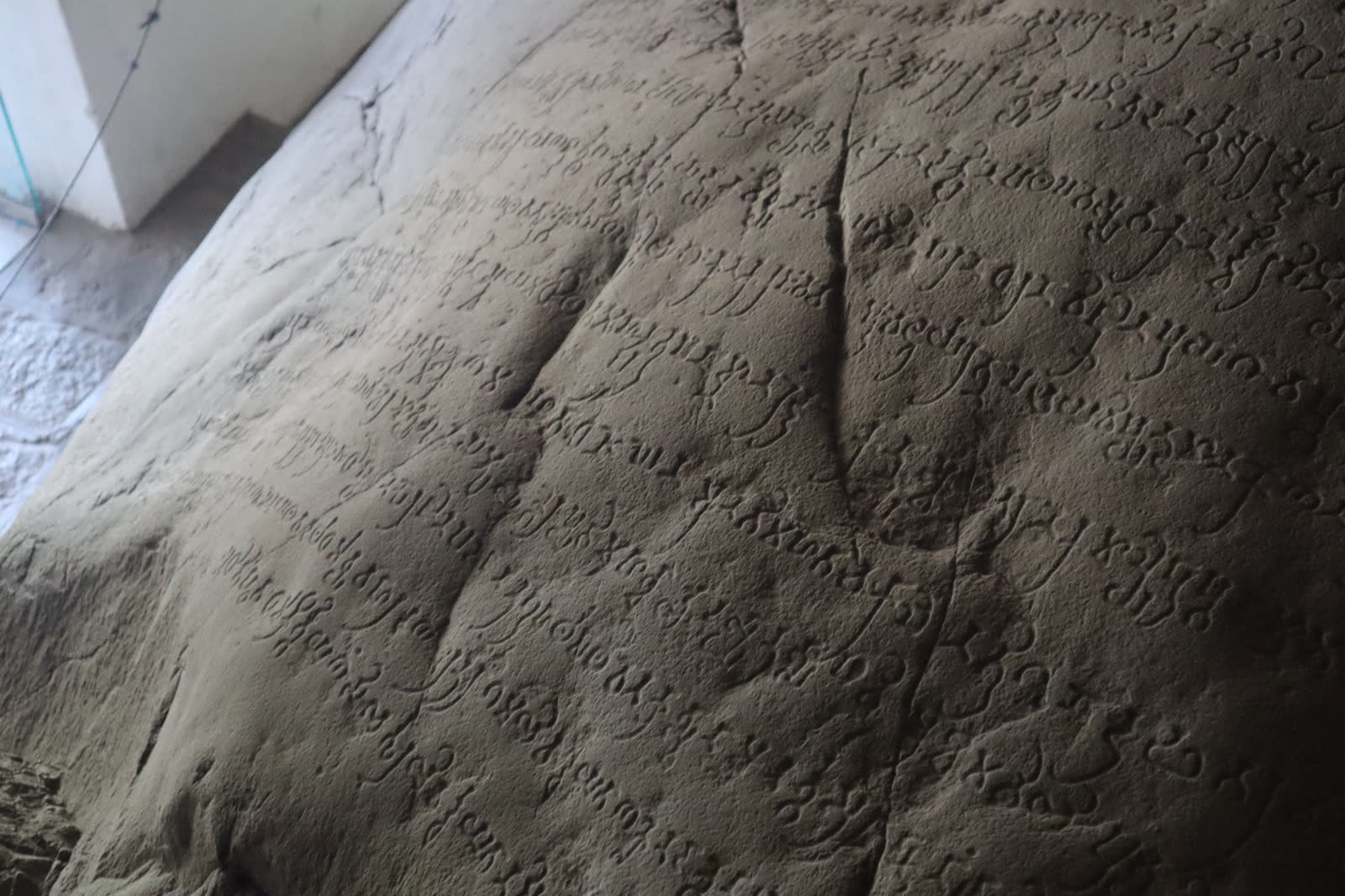
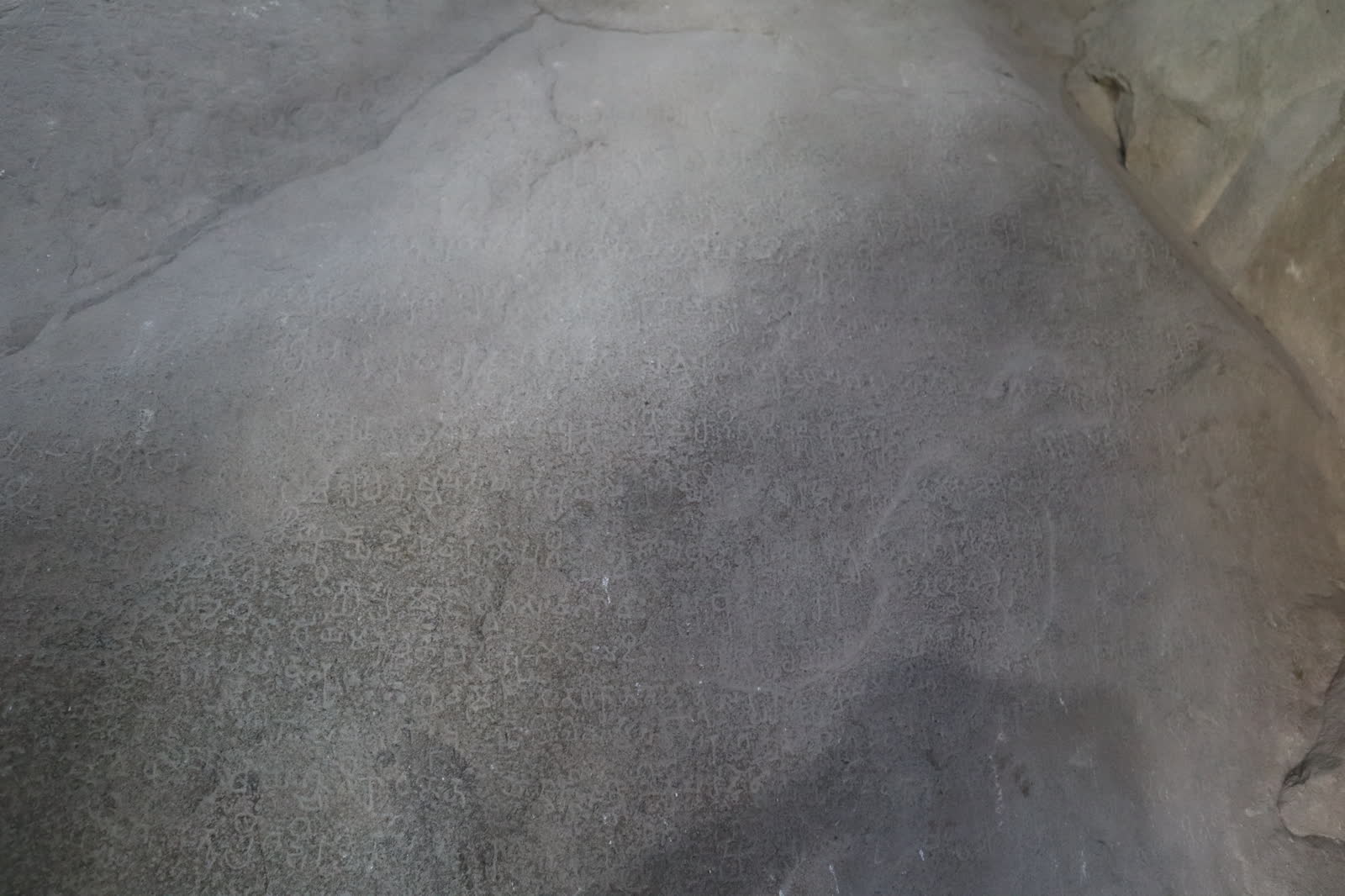
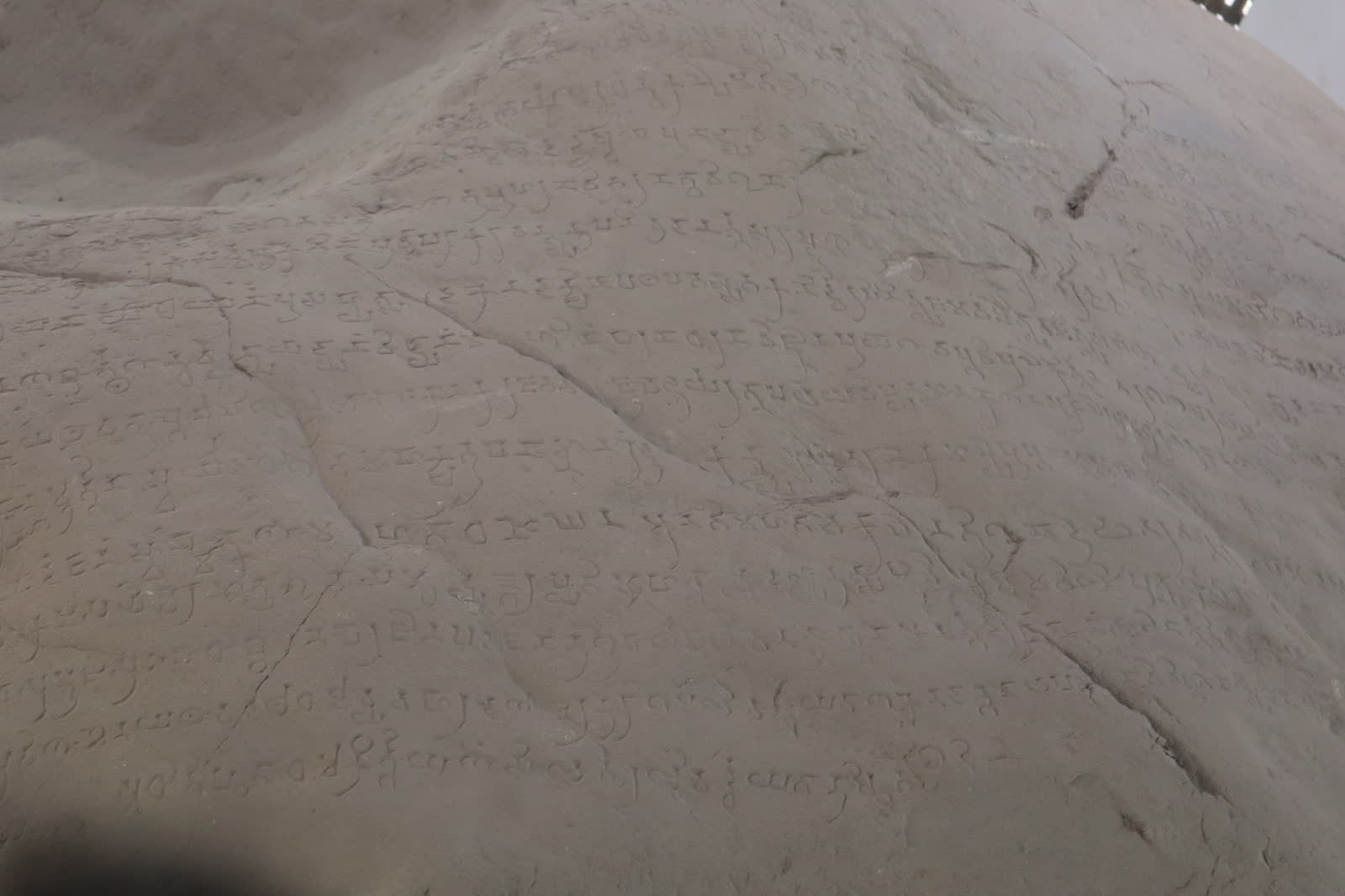
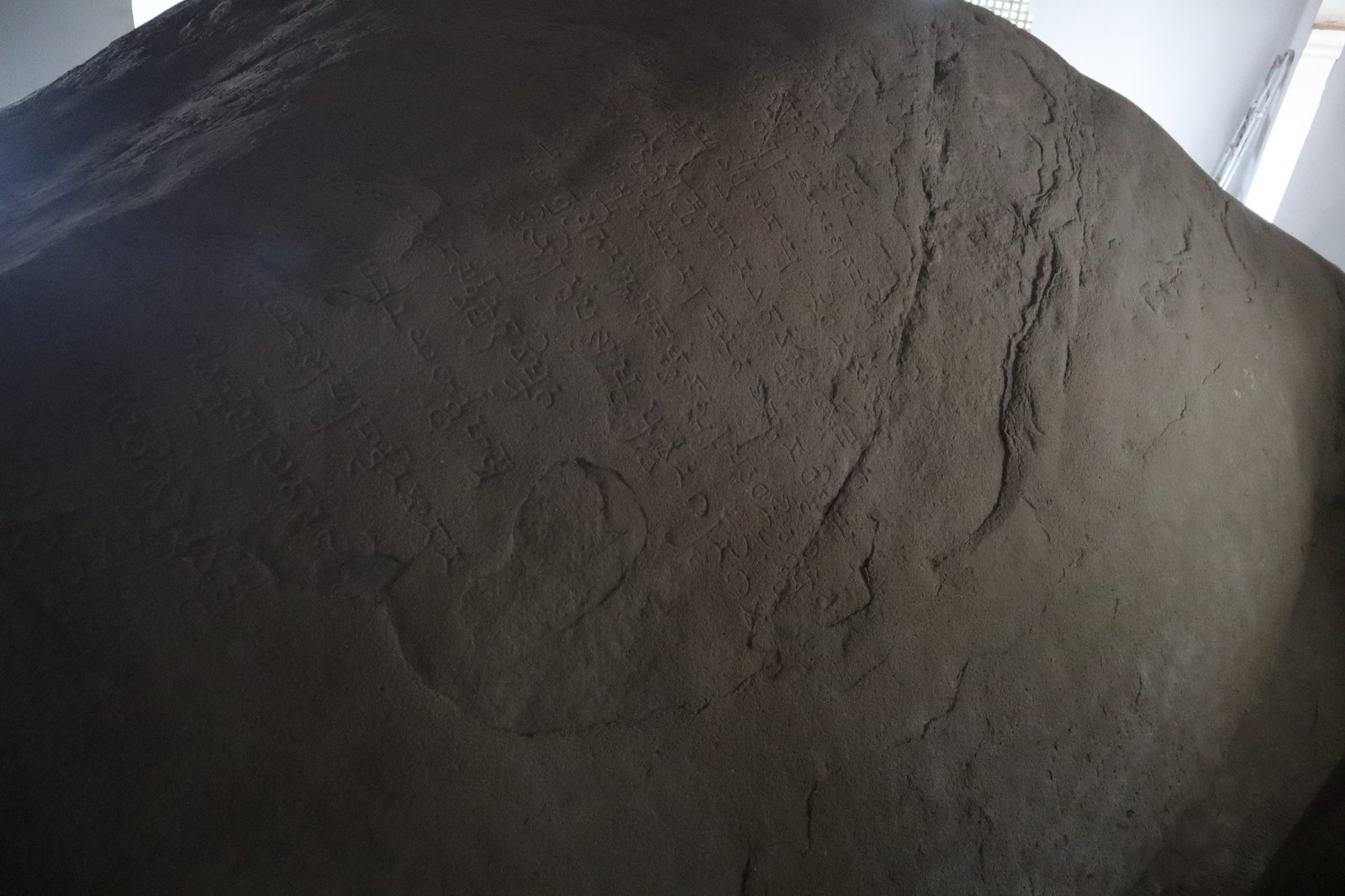
1 (A) Devānaṁpiyo Priyadasi rājā yaso va kīti va na mahāthāvah[ā] mañate añata tadātpano dighāya ca me [ja]no
2 dhaṁma-susru[ṁ]sā susrusatā dhaṁma-vutaṁ ca anuvidhiyatāṁ (B) etakāya Devānaṁpiyo Piyadasi rājā yaso va kiti va i[cha]ti
3 (C) ya[ṁ] tu kic[i] parik[a]mate Devānaṁ Priyadasi rājā ta savaṁ pāratrikāya kiṁti sakale a[pa]-parisrave asa (D) esa tu parisave ya apuṁñaṁ
4 (E) dukaraṁ tu kho etaṁ chudakena va janena usaṭena va añatra agena parāk[r]amena savaṁ paricajitpā (F) et[a] t[u] kho usaṭena dukaraṁ
Translation
(A) King Devānaṁpriya Priyadarśin does not think that either glory or fame conveys much advantage, except (on account of his aim that) in the present time, and in the distant (future), men may (be induced) by him to practise obedience to morality, and that they may conform to the duties of morality.
(B) On this (account) king Devānaṁpriya Priyadarśin is desiring glory and fame.
(C) But whatever effort king Devānaṁpriya Priyadarśin is making, all that (is) for the sake of (merit) in the other (world), (and) in order that all (men) may run little danger.
(D) But the danger is this, viz. demerit.
(E) But it is indeed difficult either for a lowly person or for a high one to accomplish this without great zeal (and without) laying aside every (other aim).
(F) But among these (two) it is indeed (more) difficult to accomplish for a high (person).