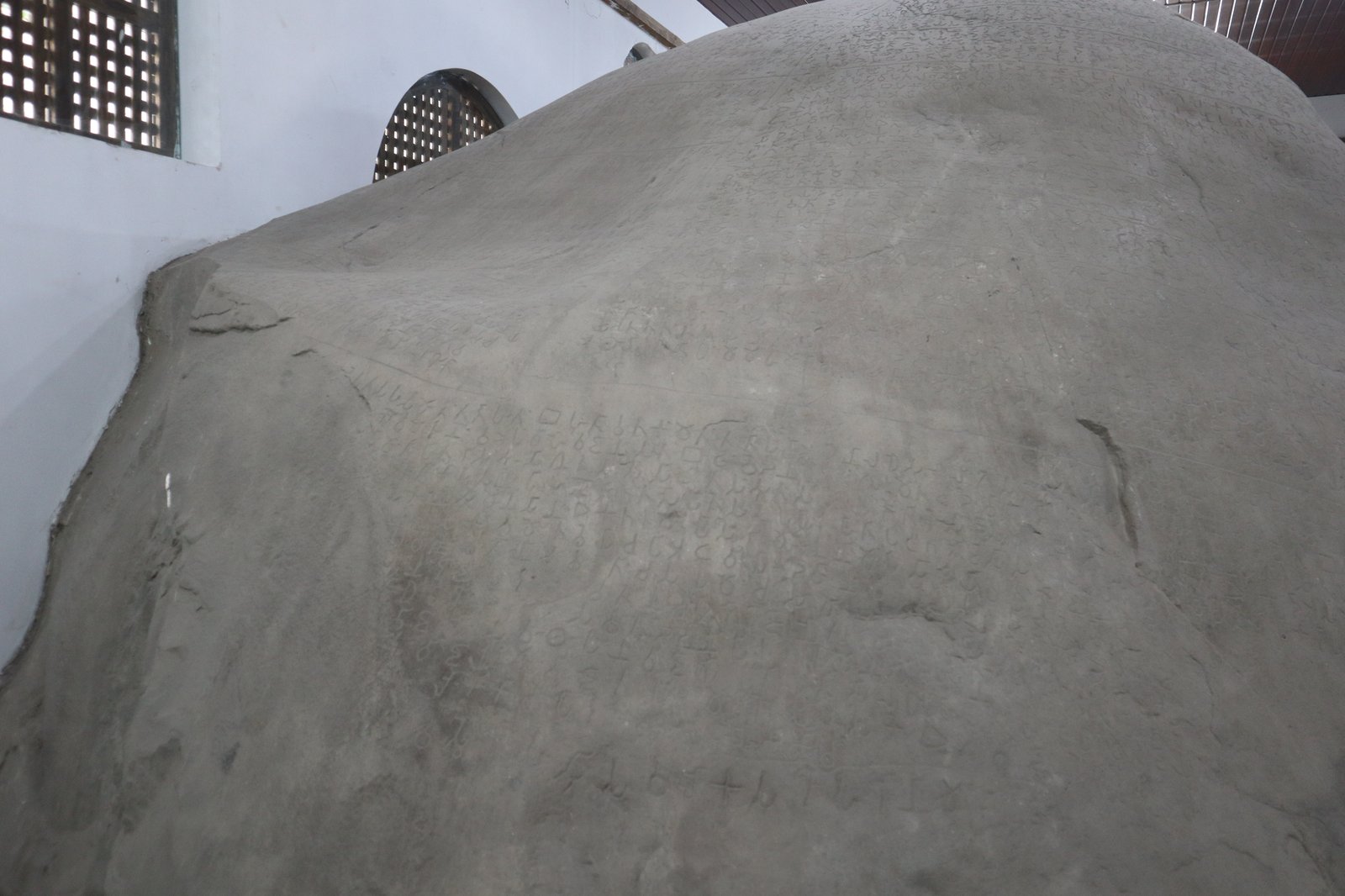
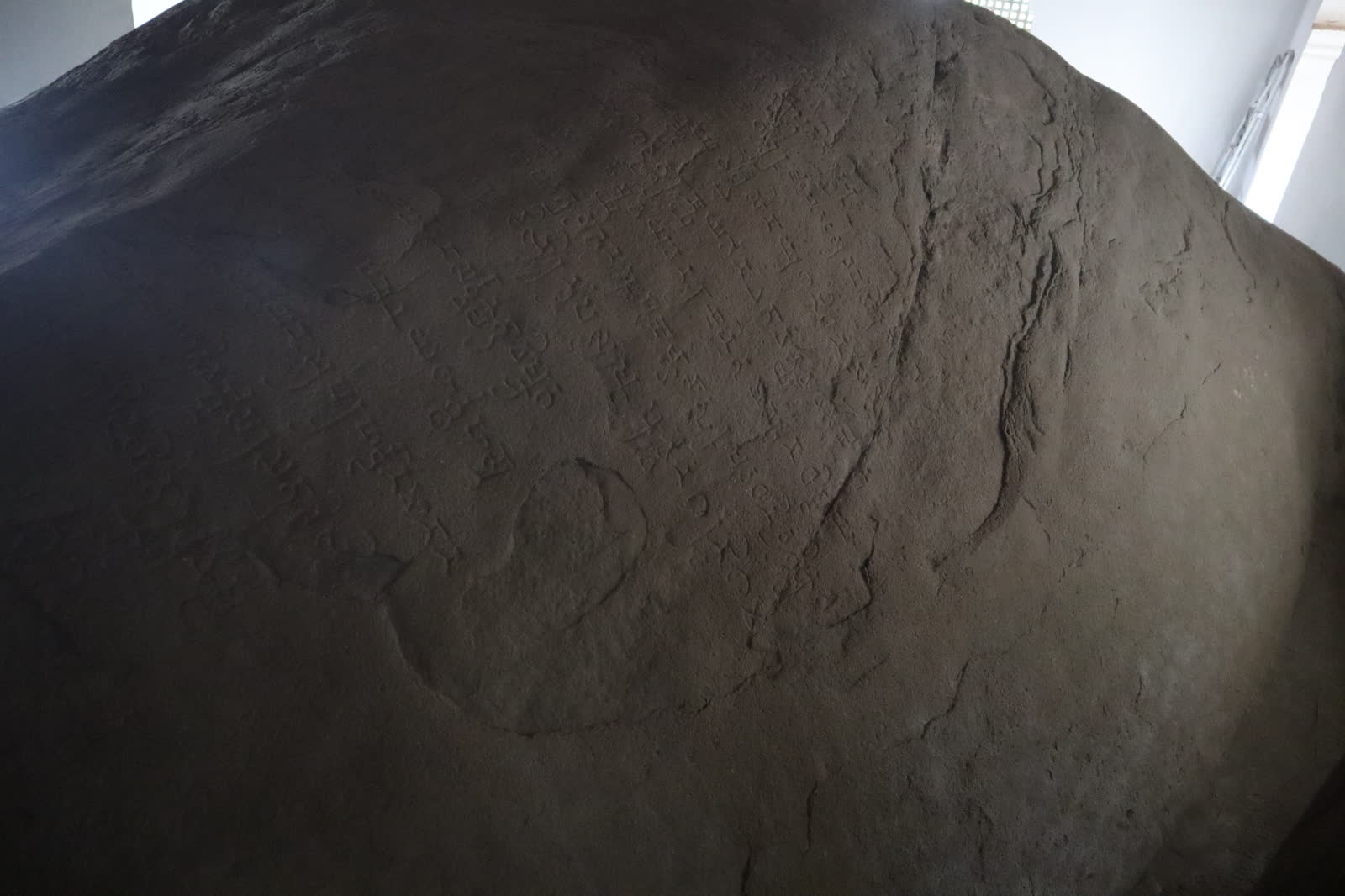
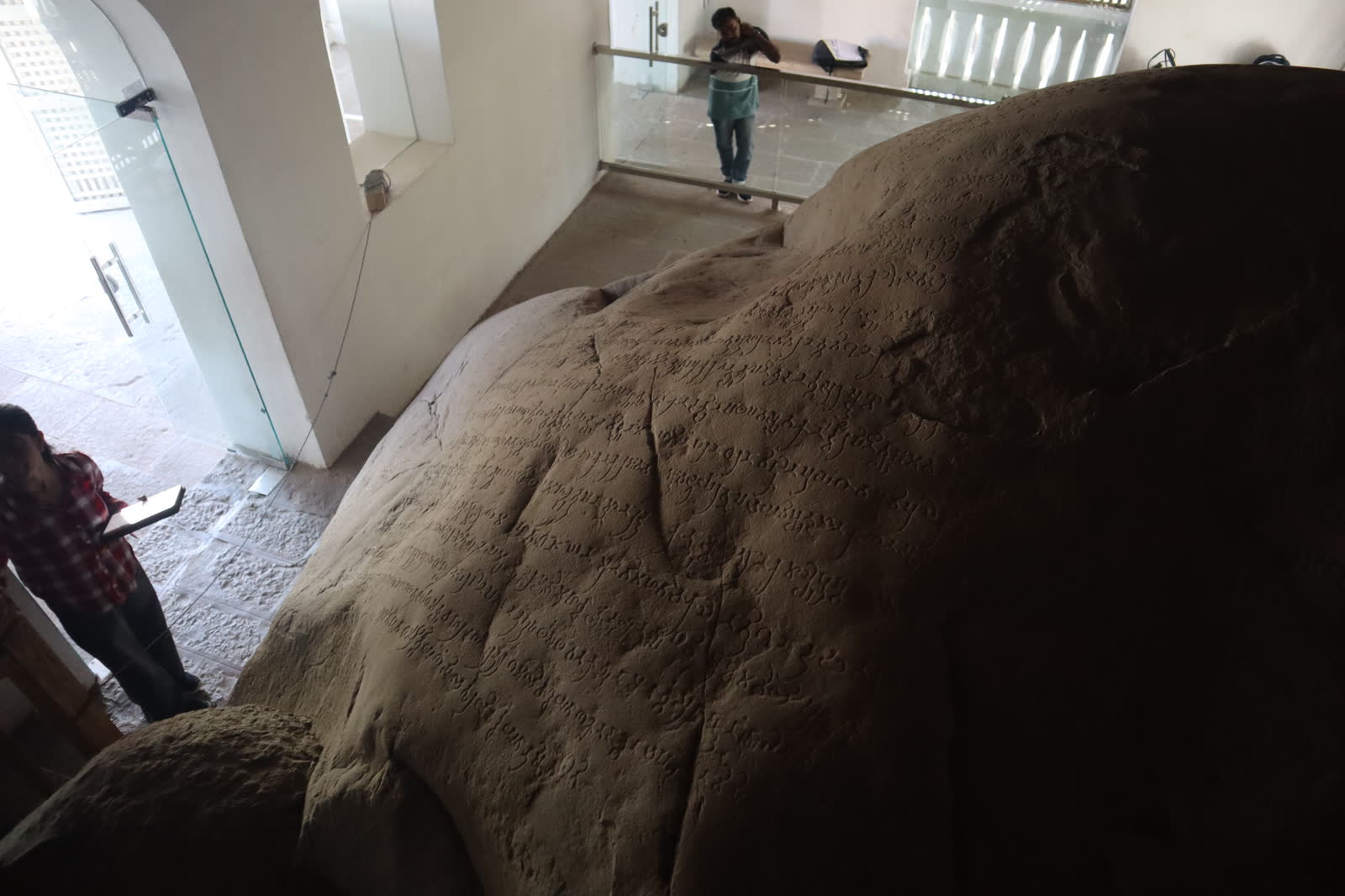
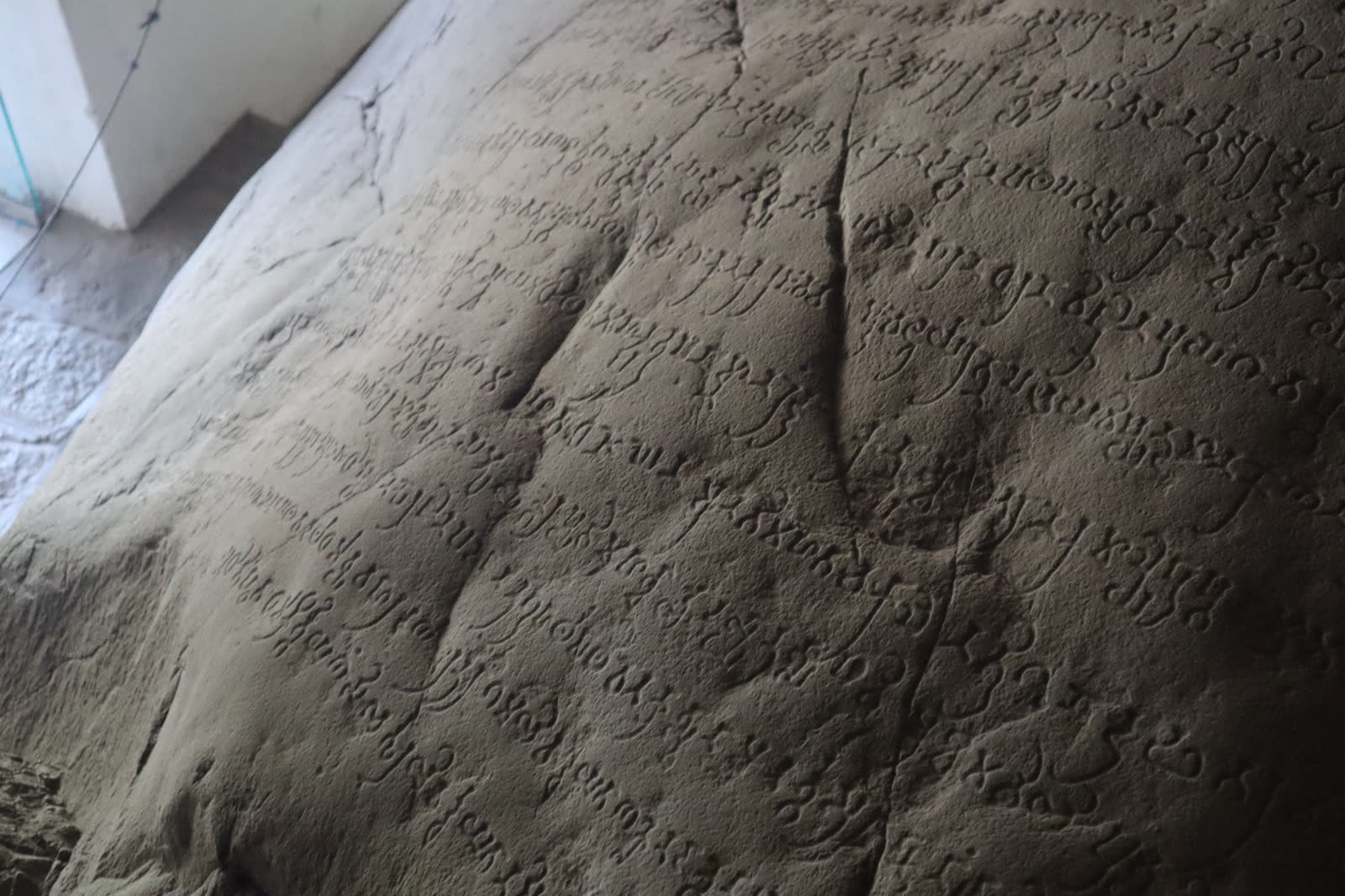
Original Text
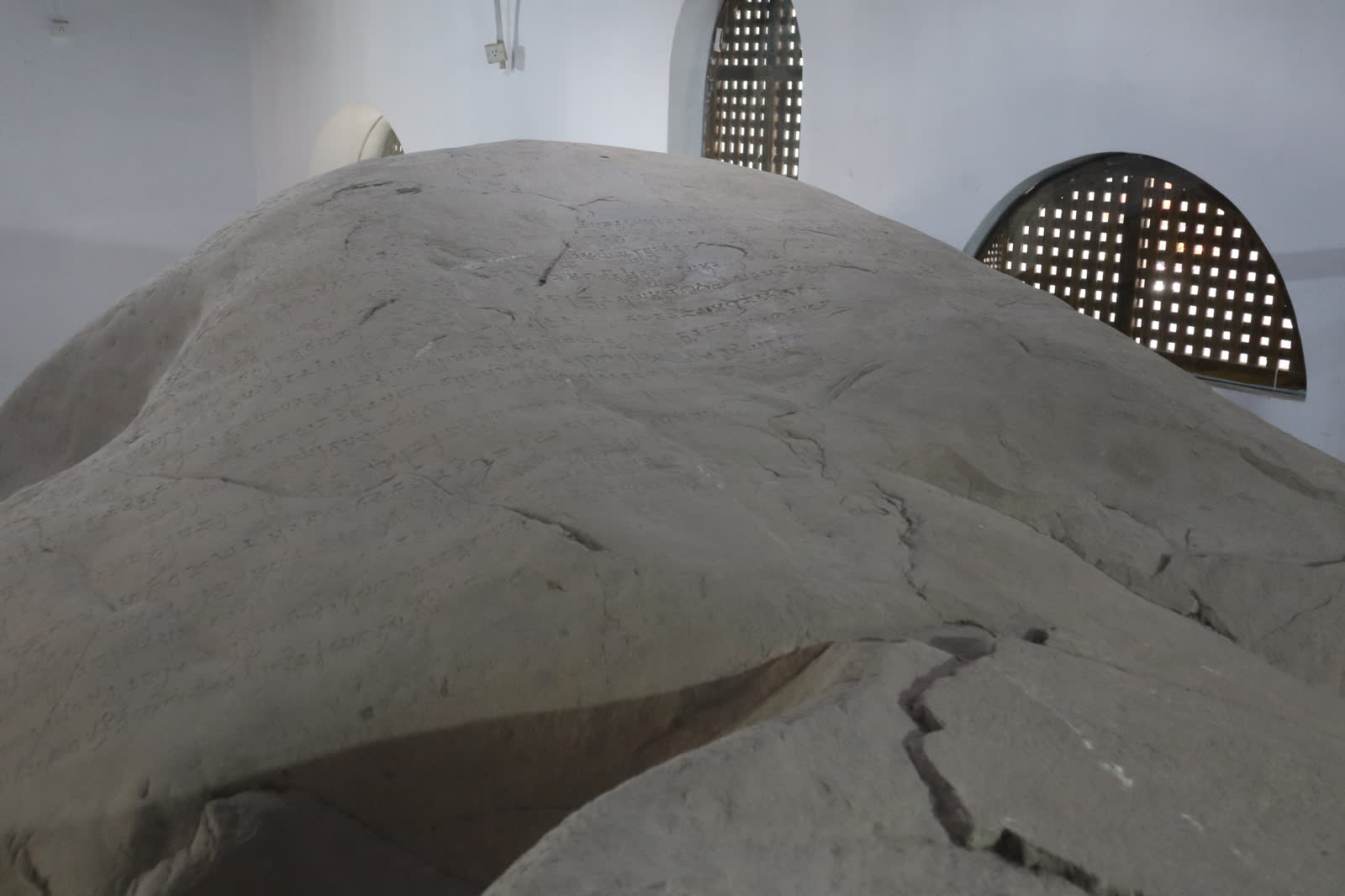
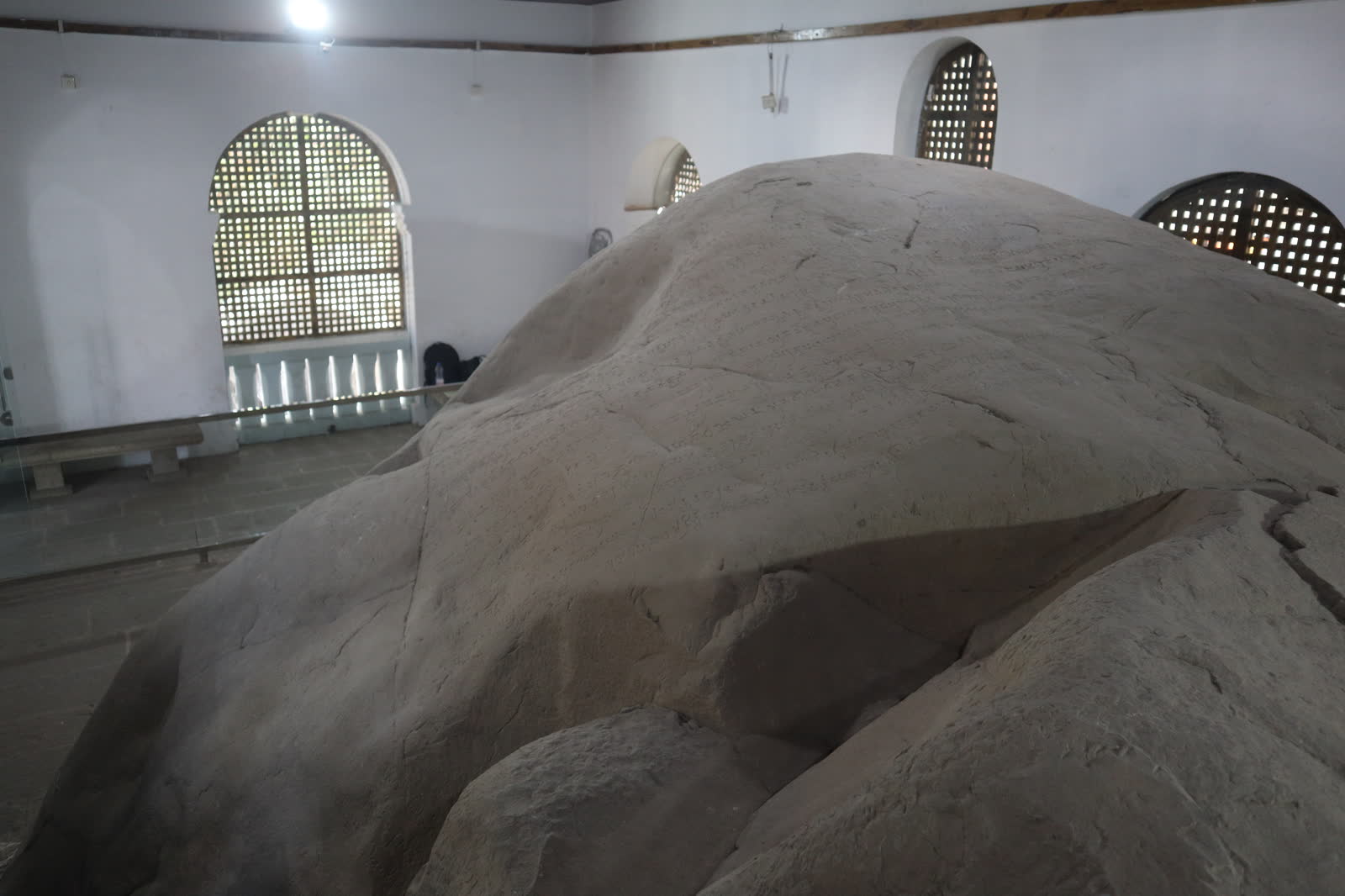
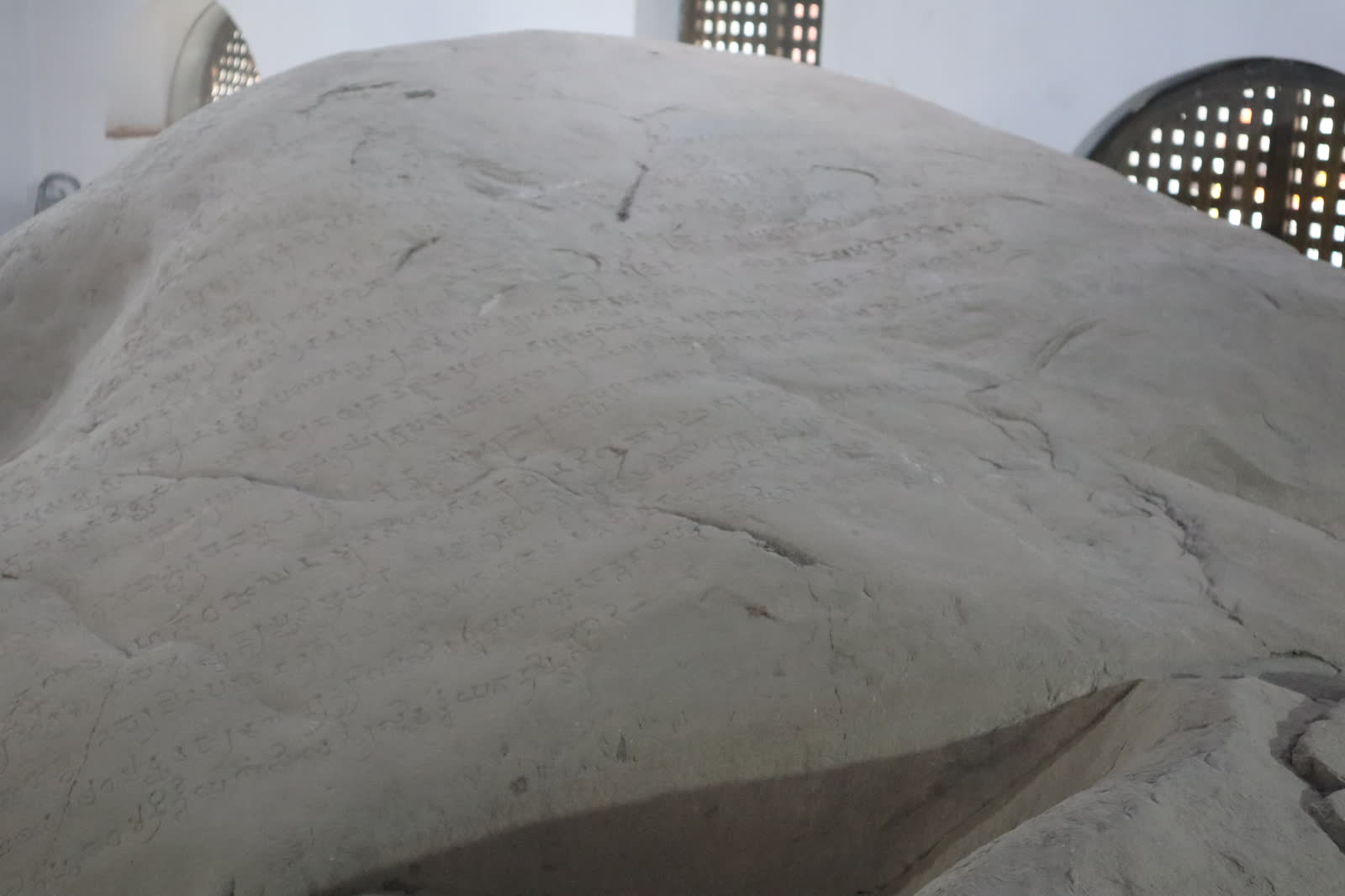
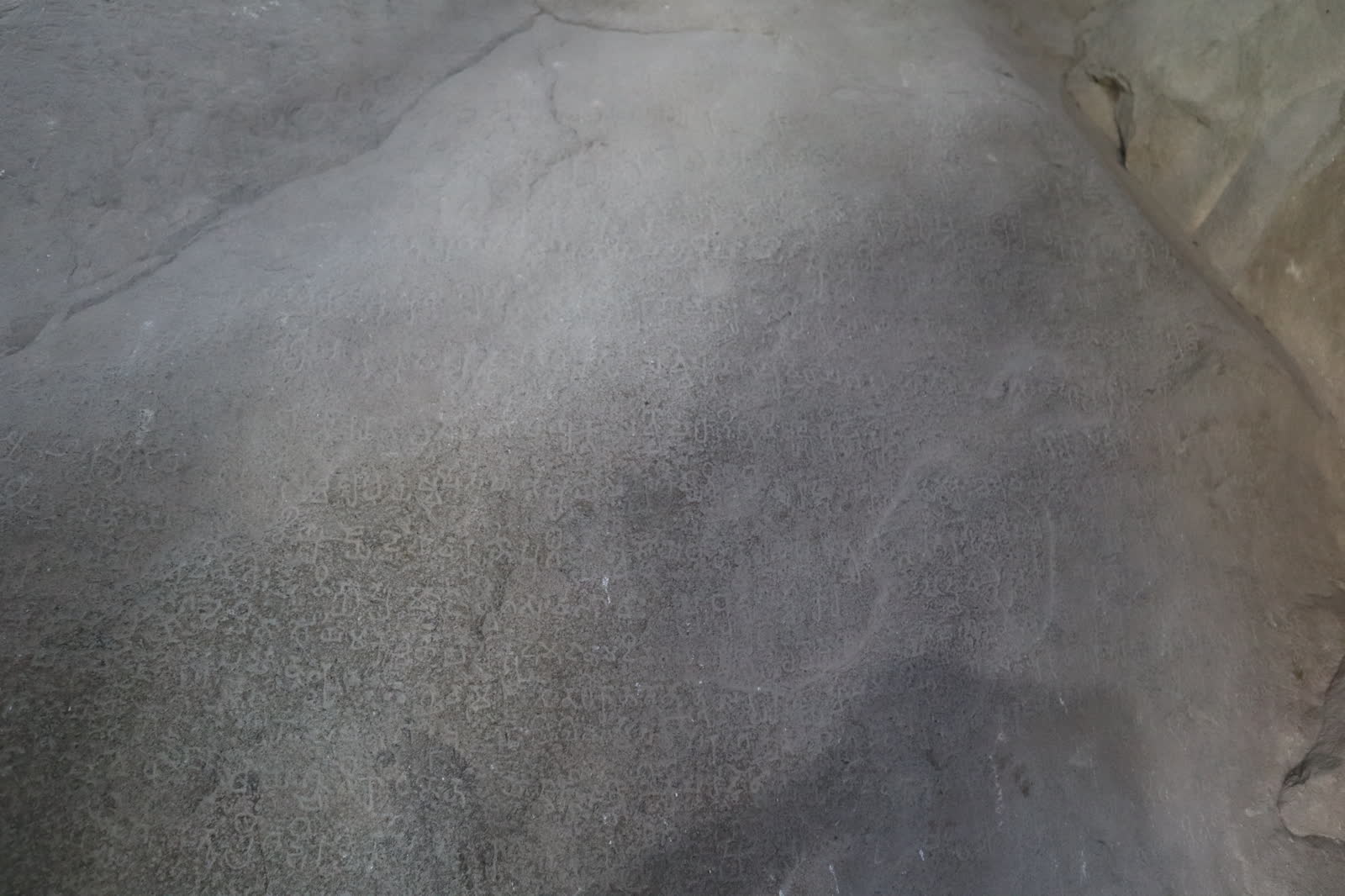
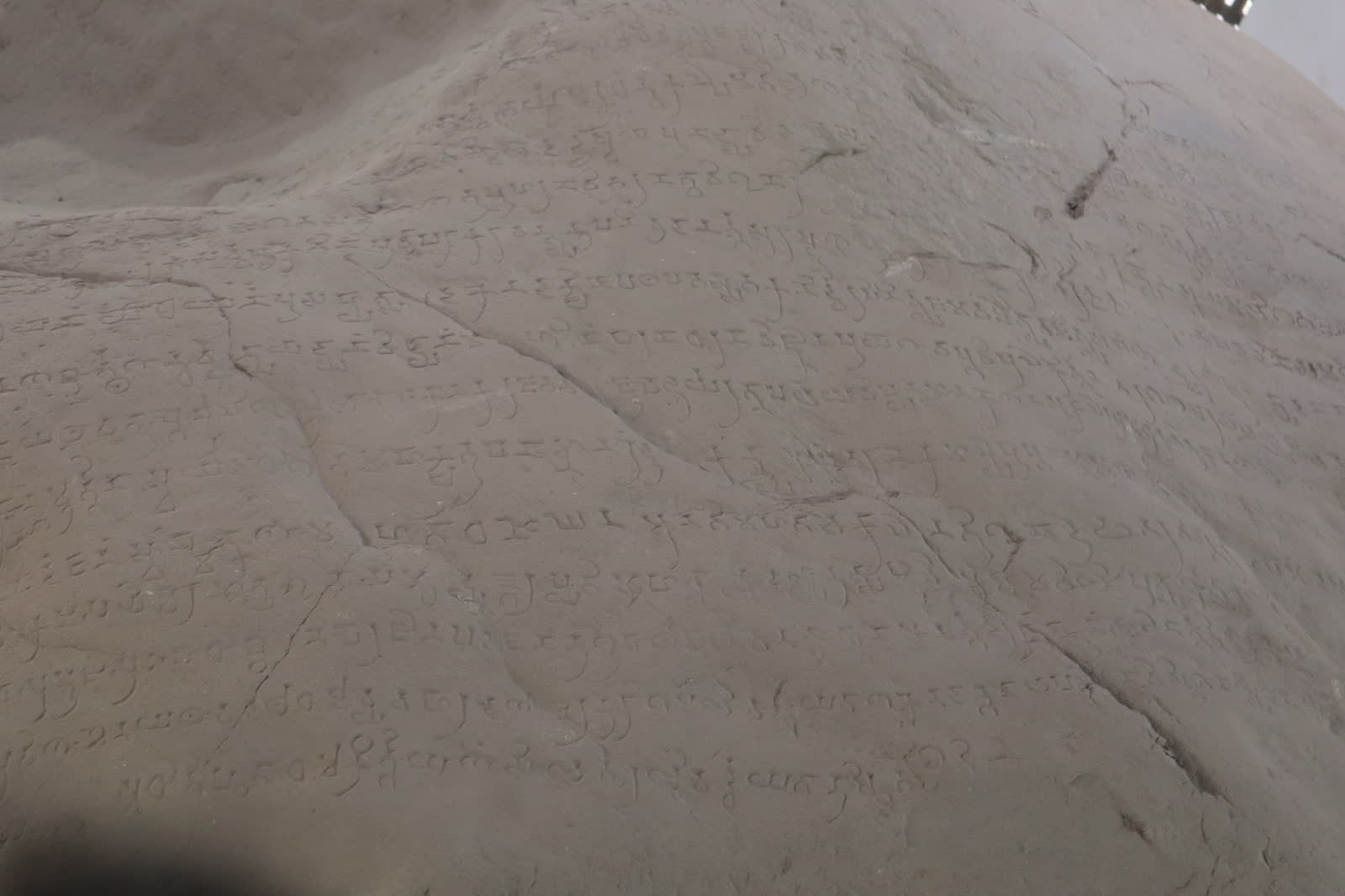
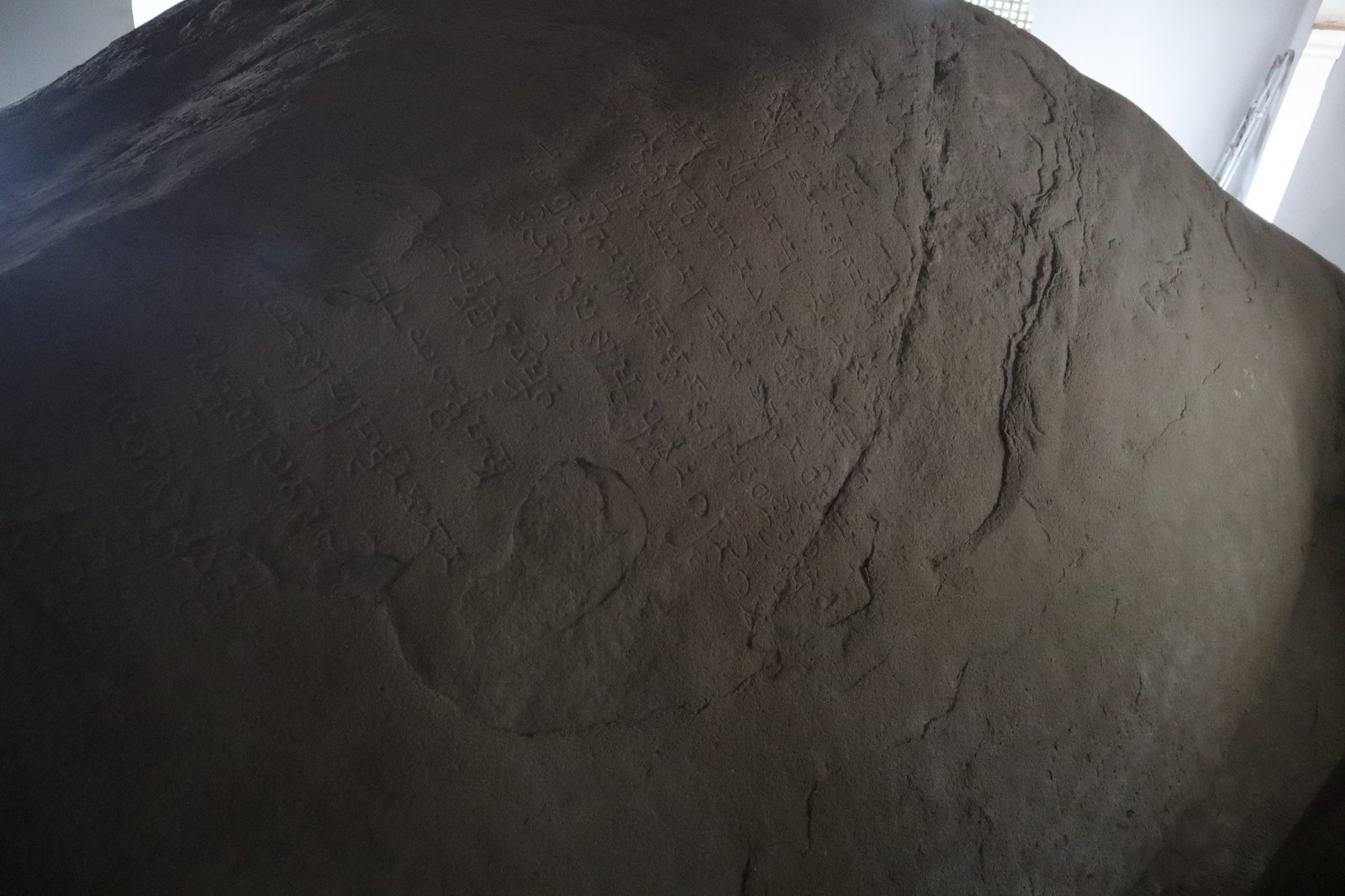
1 (A) Devanaṁpriyo Piyadasi rājā ev[a]ṁ āha (B) nāsti etārisaṁ dānaṁ yārisaṁ dhaṁma-dānaṁ dhaṁma-saṁstavo vā dhaṁma-saṁvibhāgo [vā] dhaṁma-saṁbadho va
2 (C) tata idaṁ bhavati dāsa-bhatakamhi samya-p[r]atipatī mātari pitarā sādhu sus[r]usā mita-[sa]stuta-ñātikānaṁ bāmhaṇa-s[r]amaṇā[naṁ] sādhu dā[naṁ]
3 prāṇānaṁ anāraṁbho sādhu (D) eta vatavyaṁ pitā va putrena va bhāt[ā] va mita-sastut[a]-ñāt[i]k[e]na va āva paṭīvesiyehi ida sādhu ida ka[tav]ya[ṁ]
4 (E) so t[a]thā karu ilokacasa āradho hoti parata ca aṁnaṁtaṁ puiñaṁ bhavati tena dhaṁma-dānena
Translation
(A) King Devānampriya Priyadarśīn speaks thus.
(B) There is no such gift as the gift of morality, or acquaintance through morality, or the distribution of morality, or kinship through morality.
(C) Herein the following are (comprised), (viz.) proper courtesy to slaves and servants, obedience to mother (and) father, liberality to friends, acquaintances, and relatives, to Brāhmaṇas and Śramanas, (and) abstention from killing animals.
(D) Concerning this a father, or a son, or a brother, or a friend, an acquaintance, or a relative, (or) even (mere) neighbours, ought to say: ‘This is meritorious. This ought to be done.’
(E) If one is acting thus, the attainment of (happiness) in this world is (secured), and endless merit is produced in the other (world) by that gift of morality.