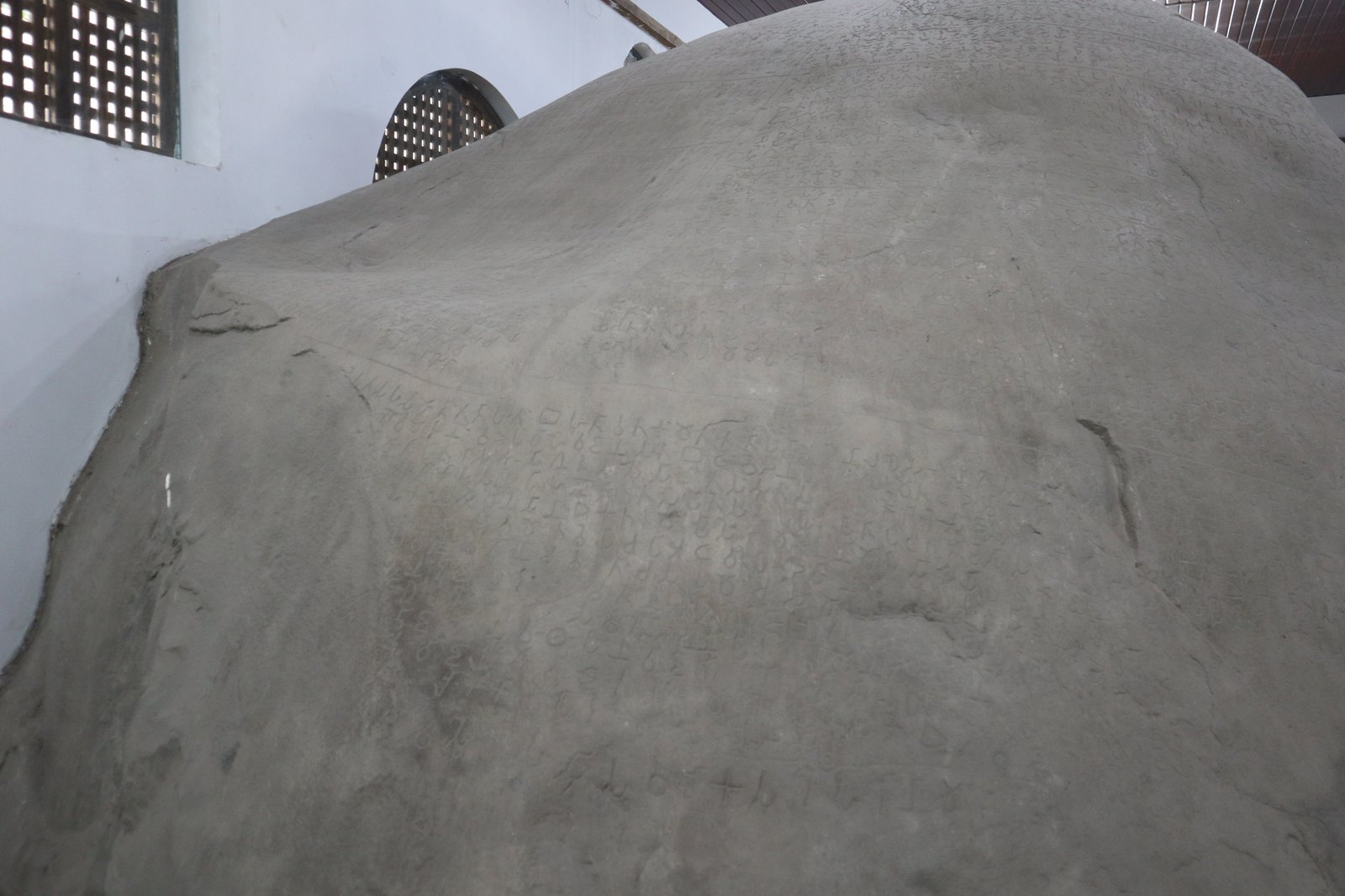
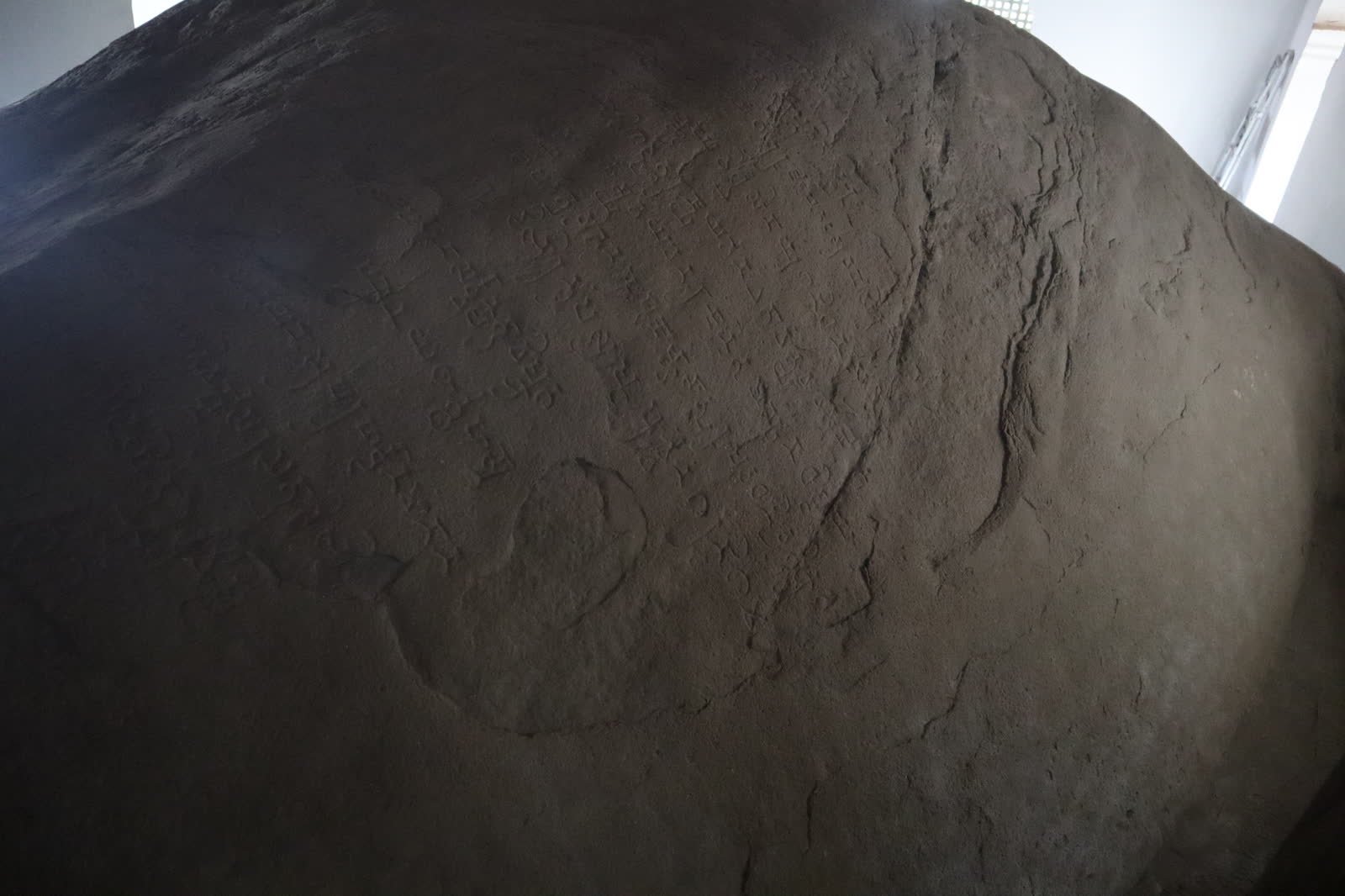
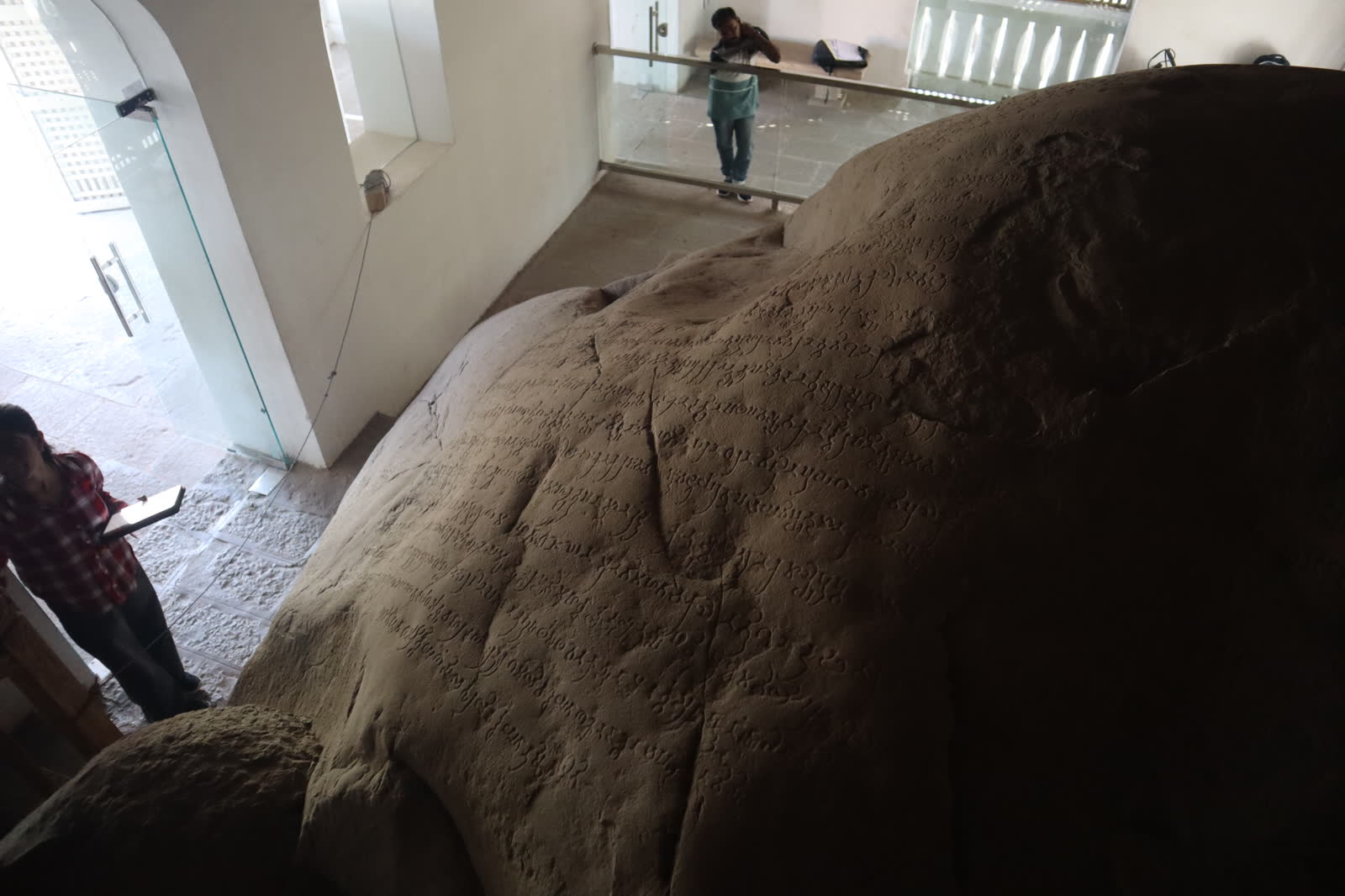
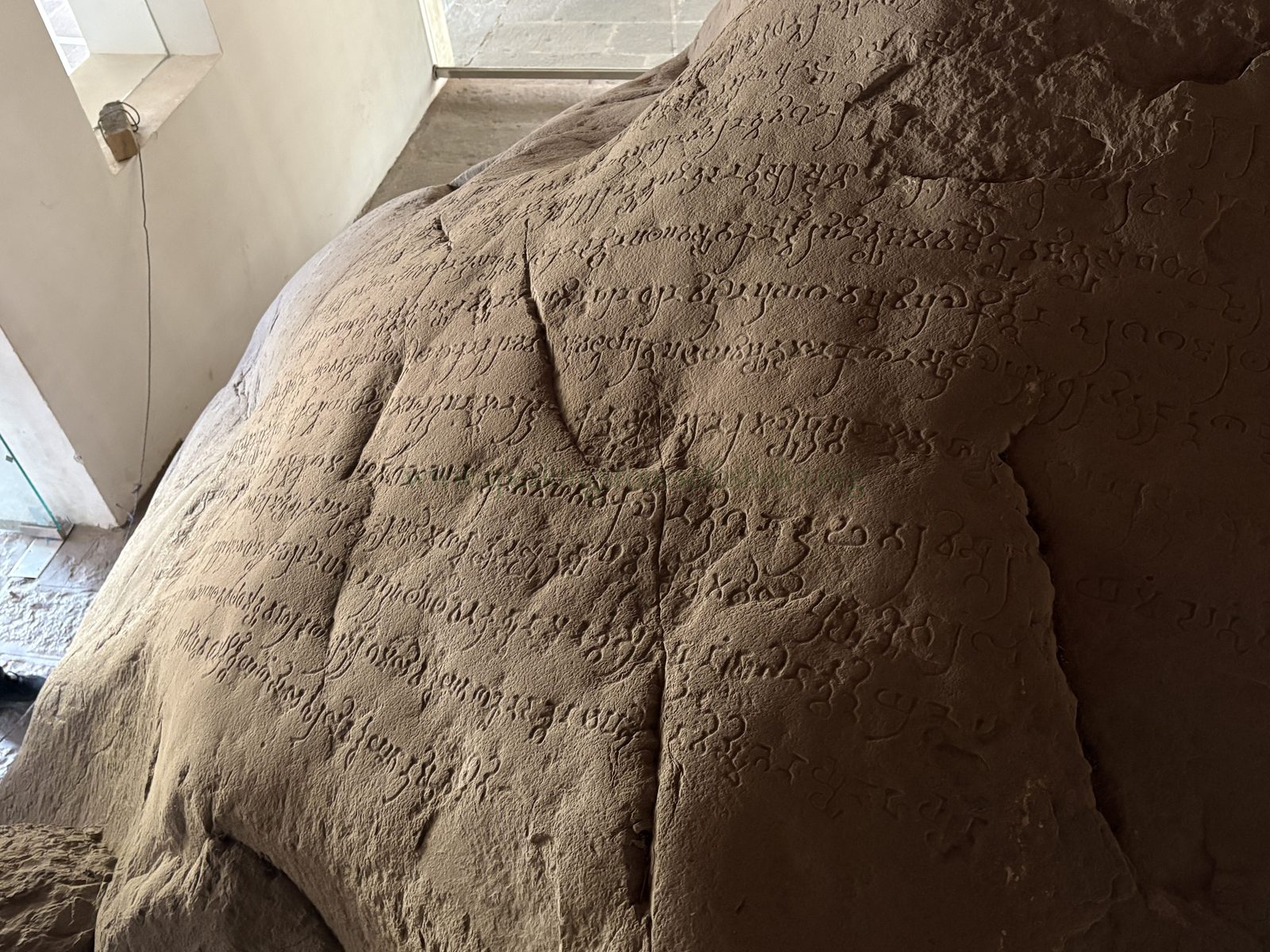
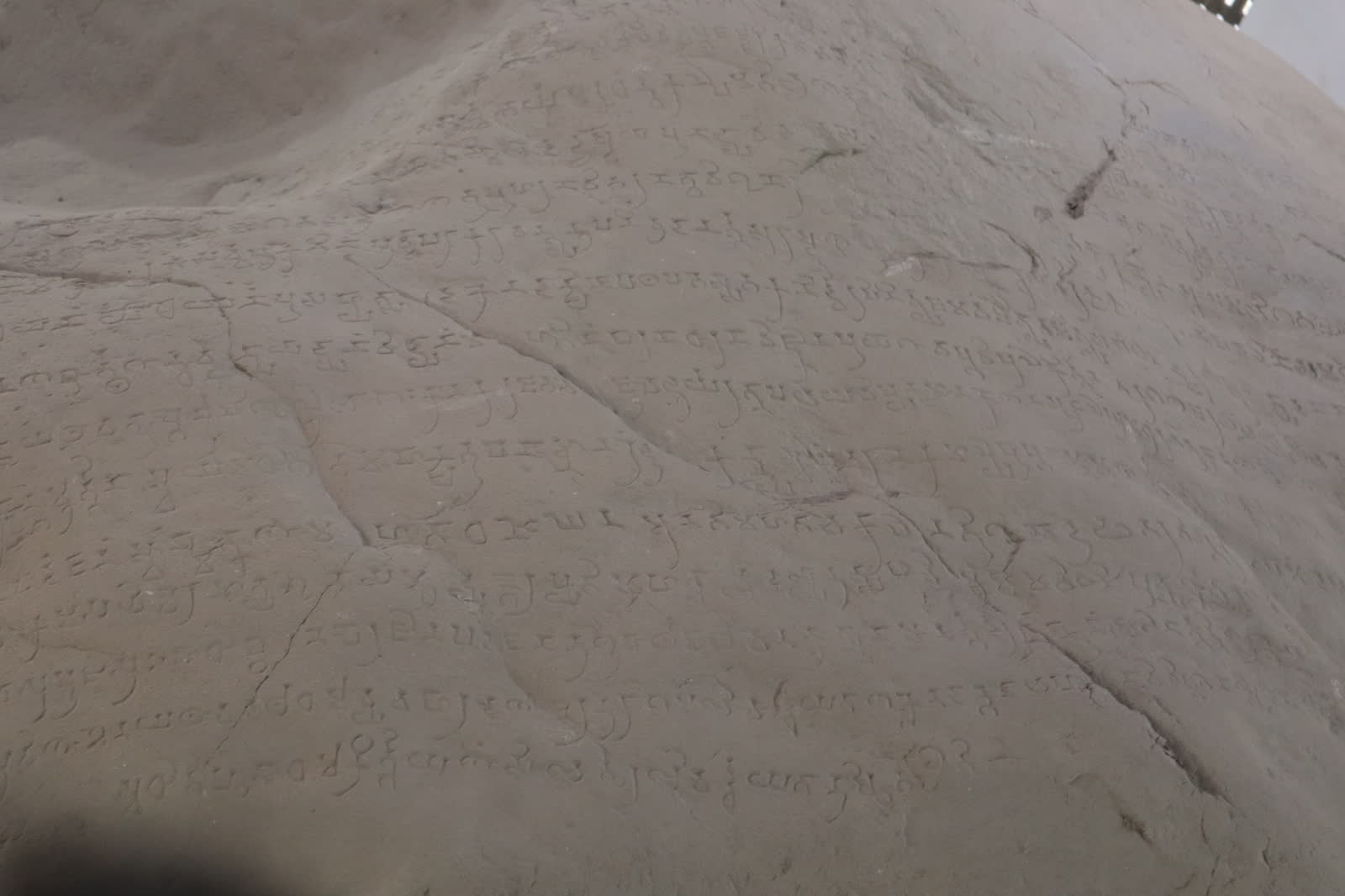
Original Text
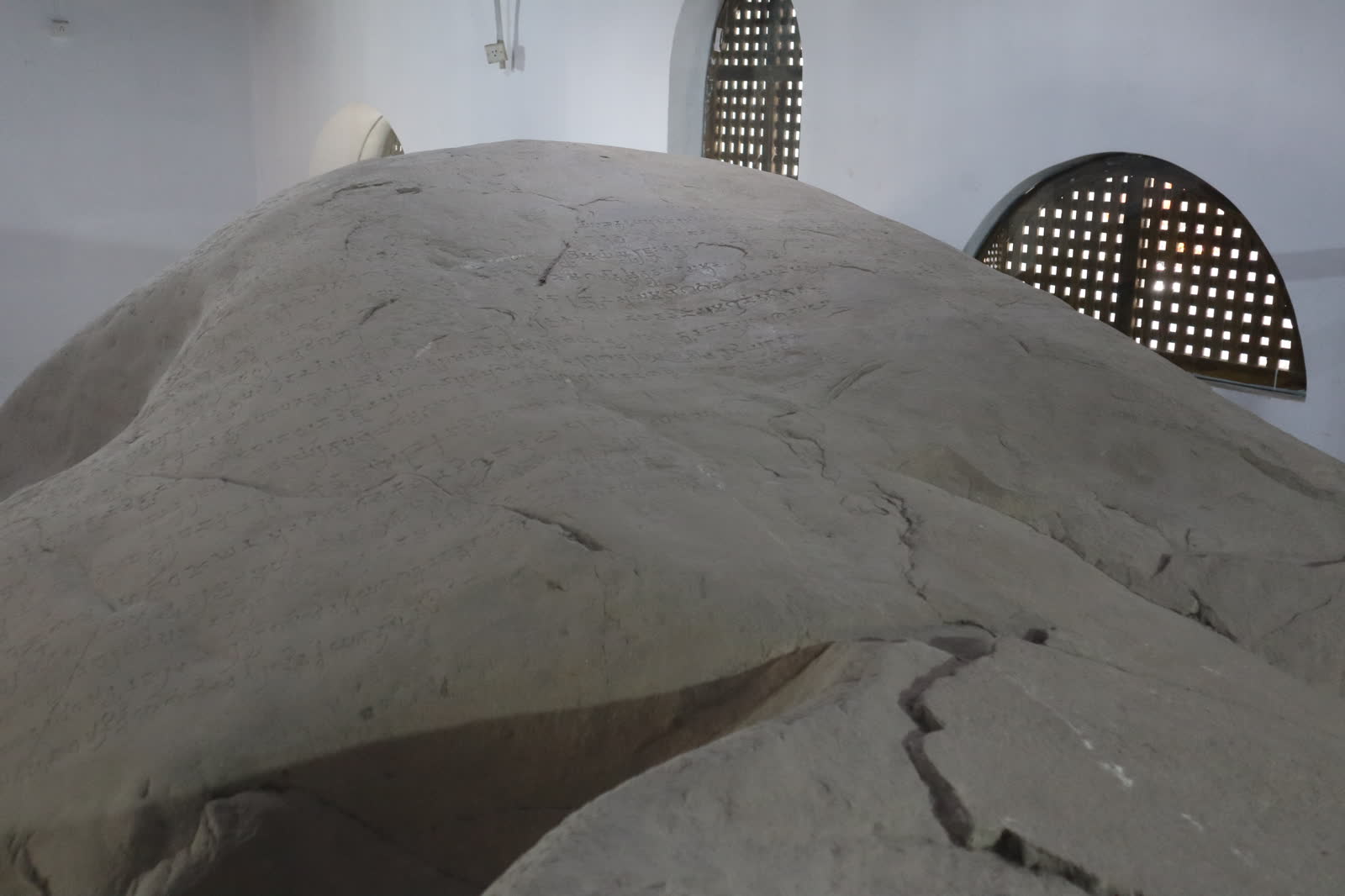
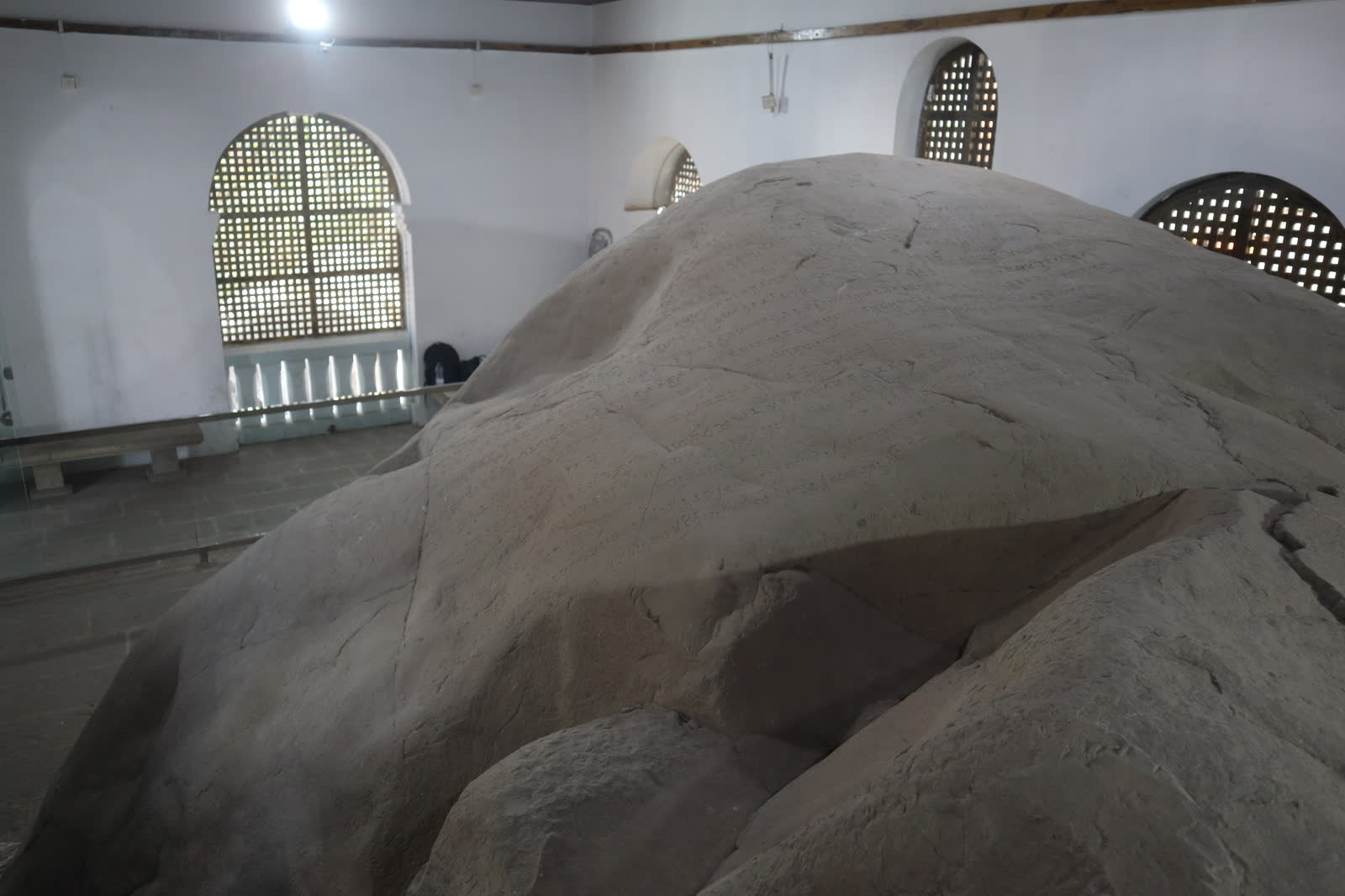
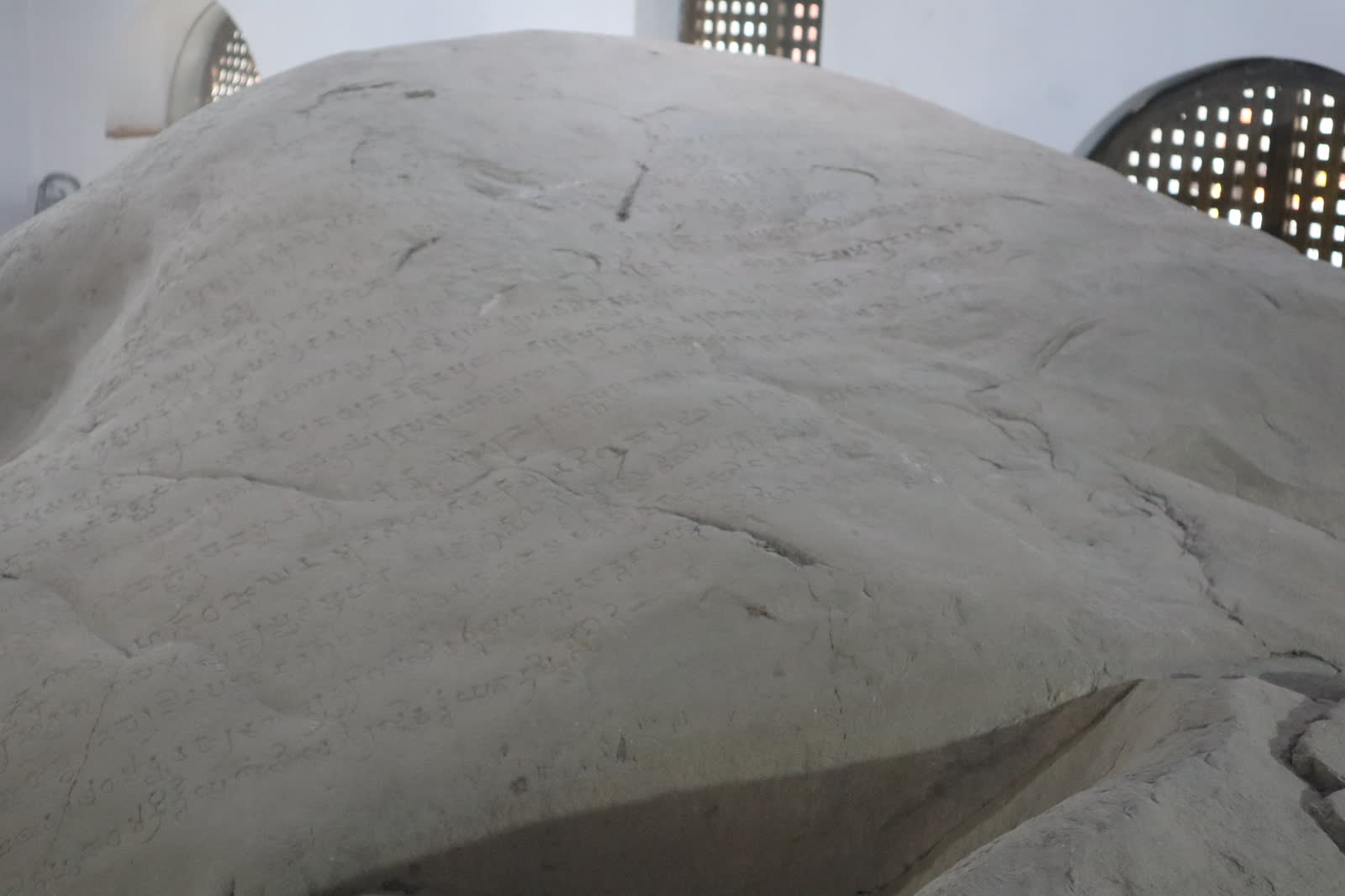
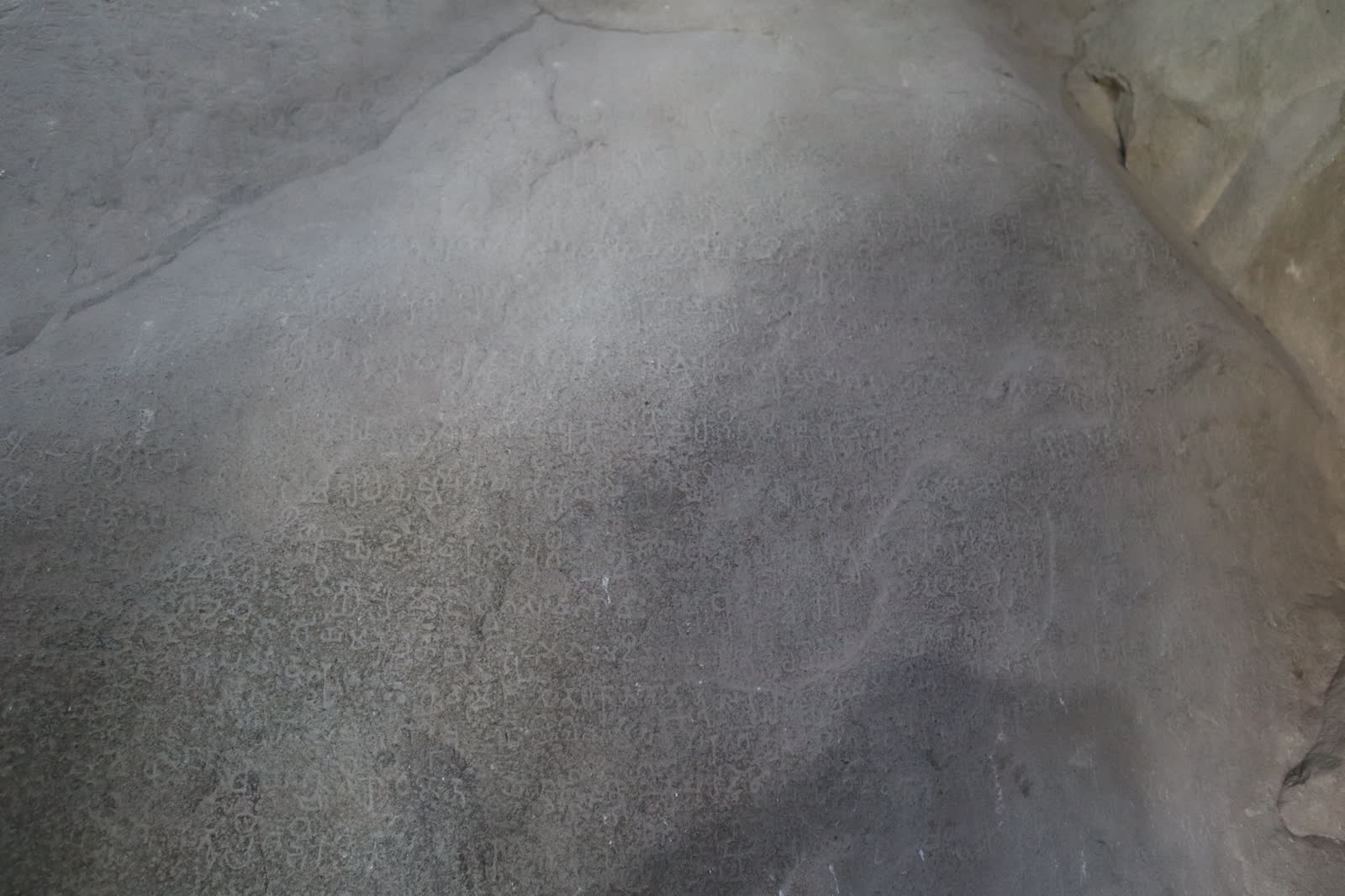
1  (A)  Devānaṁpiye Piyad[a]si rājā sava-pāsaṁḍāni ca [pa]vajitāni ca gharastāni ca pūjayati d[ā]nena ca vivādhāya [ca] pūjāya pūjayati ne
2 (B) na tu tathā dānaṁ va pū[jā] va D[e]vānaṁpiyo maṁñate yathā kiti sāra-vaḍhī asa sa[va-pā]saṁḍānaṁ
( C ) sār[a]-vaḍhī tu bahuvidhā
3  (D) tasa tu idaṁ mūlaṁ ya vaci-gutī kiṁti ātpa-pāsaṁḍa-pūjā va para-pāsaṁḍa-garahā va no bhave aprakaraṇamhi lahukā va asa
4  tamhi tamhi prakaraṇe  (E) pūjetayā tu eva para-pāsaṁḍā tena tana prakaraṇena (F) evaṁ karuṁ ātpa-pāsaṁḍaṁ ca vaḍhayati para-pāsaṁḍasa ca upakaroti
5   (G) tad-aṁñathā karoto ātpa-pāsaḍaṁ ca chaṇati para-pāsaṁḍasa ca pi apakaroti  (H) yo hi koci ātpa-pāsaṁḍaṁ pūjayati para-pāsaṁḍaṁ v[a] garahati
6  savaṁ ātpa-pāsaṁḍa-bhatiyā kiṁti ātpa-pāsaṁḍaṁ dīpayema iti so ca puna tatha
karāto ātpa-pāsaṁḍa[ṁ] bāḍhataraṁ upahanāti (I) ta samavāyo eva sādhu
7   kiṁti [a]ñaṁamñasa dhaṁmam sruṇāru ca susuṁsera ca (J) evaṁ hi D[e]vānaṁpiyasa ichā kiṁti sava-pāsaṁḍā bahu-srutā ca asu kal[ā]ṇāgamā ca [a]su
8  (K) ye ca tatra tata prasaṁnā tehi vatavyaṁ (L) Devānaṁpiyo no tathā dānaṁ va pūjāṁ va maṁñate yathā kiṁti sāra-vaḍhi asa sarva-pāsaḍānaṁ (M) bahakā ca etāya
9 athā vyāpatā dhaṁma-mahāmātā ca ithījhakha-mahāmātā ca vaca-bhūmīkā ca añe ca nikāyā (N) ayaṁ ca etasa phala ya ātpa-pāsaṁḍa-vaḍhī ca hoti dhaṁmasa ca dīp[a]nā
Translation
(A) King Devānaṁpriya Priyadarśin is honouring all sects: both ascetics and householders; both with gifts and with honours of various kinds he is honouring them.
(B) But Devānaṁpriya does not value either gifts or honours so (highly) as (this), (viz.) that a promotion of the essentials of all sects should take place.
(C) But a promotion of the essentials (is possible) in many ways.
(D) But its root is this, viz. guarding (one’s) speech, (i. e.) that neither praising one's own sect nor blaming other sects should take place on improper occasions, or (that) it should be moderate in every case
(E) But other sects ought to be duly honoured in every case.
(F) If one is acting thus, he is both promoting his own sect and benefiting other sects.
(G) If one is acting otherwise than thus, he is both hurting his own sect and wronging other sects as well.
(H) For whosoever praises his own sect or blames other sects,—all (this) out of devotion to his own sect, (i. e.) with the view of glorifying his own sect,—if he is acting thus, he rather injures his own sect very severely.
(I) Therefore concord alone is meritorious, (i. e.) that they should both hear and obey each other's morals.
(J) For this is the desire of Devānaṁpriya, (viz.) that all sects should be full of learning, and should be pure in doctrine.
(K) And those who are attached to their respective (sects) ought to be spoken to (as follows).
(L) Devānaṁpriya does not value either gifts or honours so (highly) as (this), (viz.) that a promotion of the essentials of all sects should take place.
(M) And many (officers)a are occupied for this purpose, (viz.) the Mahāmātras of morality, the Mahāmātras controlling women, the inspectors of cowpens, and other classes (of officials).
(N) And this is the fruit of it, (viz.) that both the promotion of one's own sect takes place, and the glorification of morality.