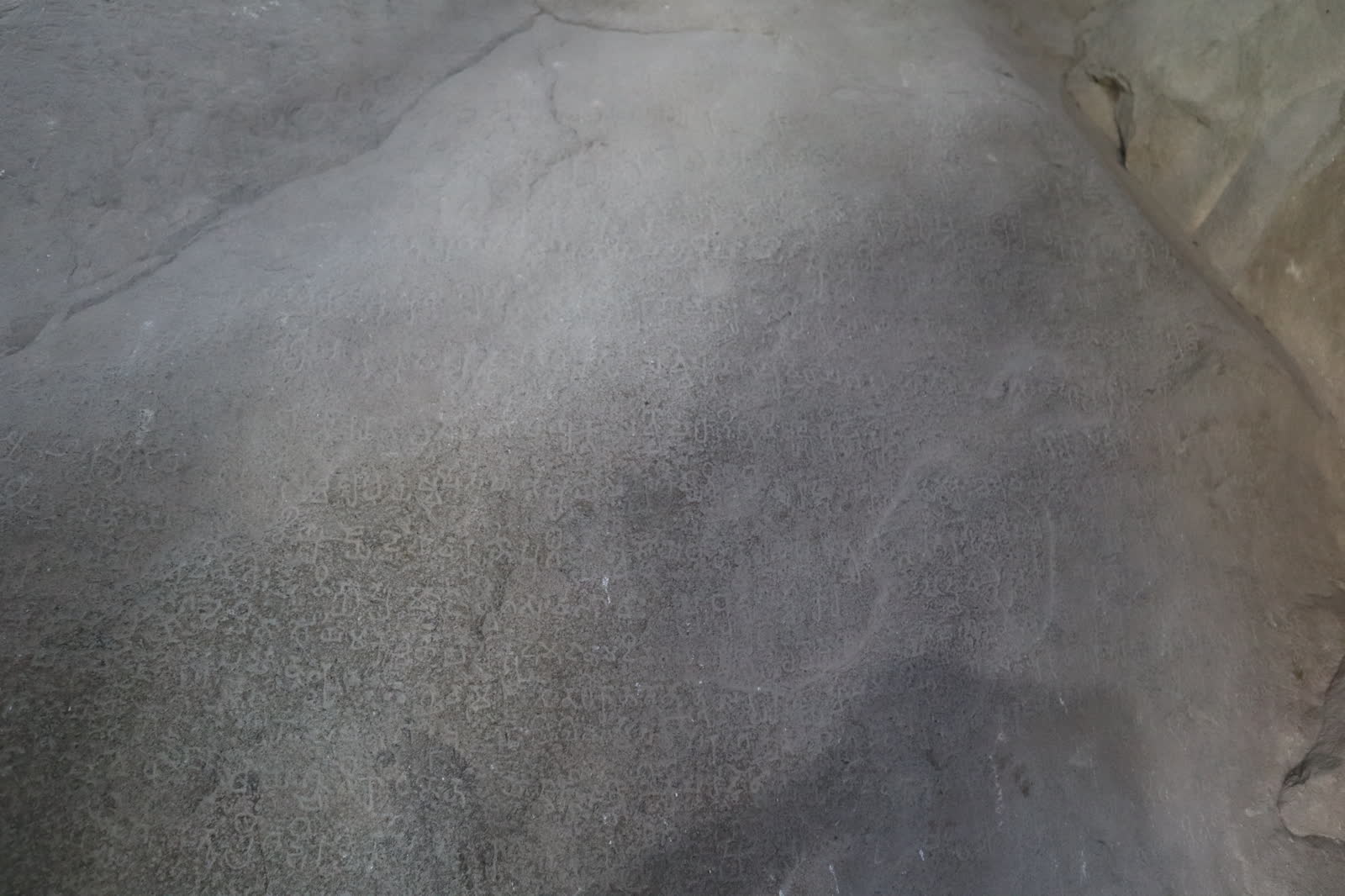
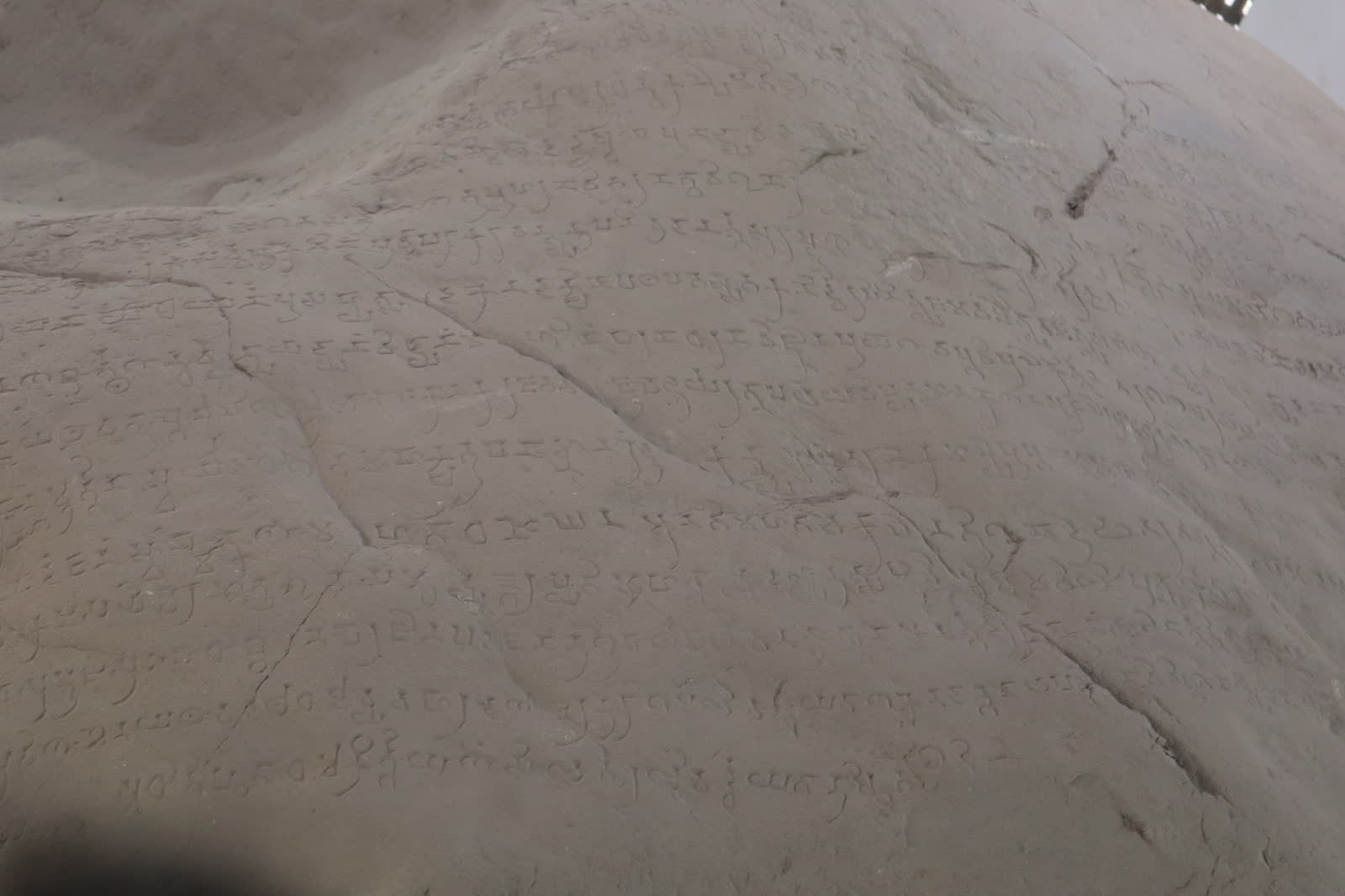
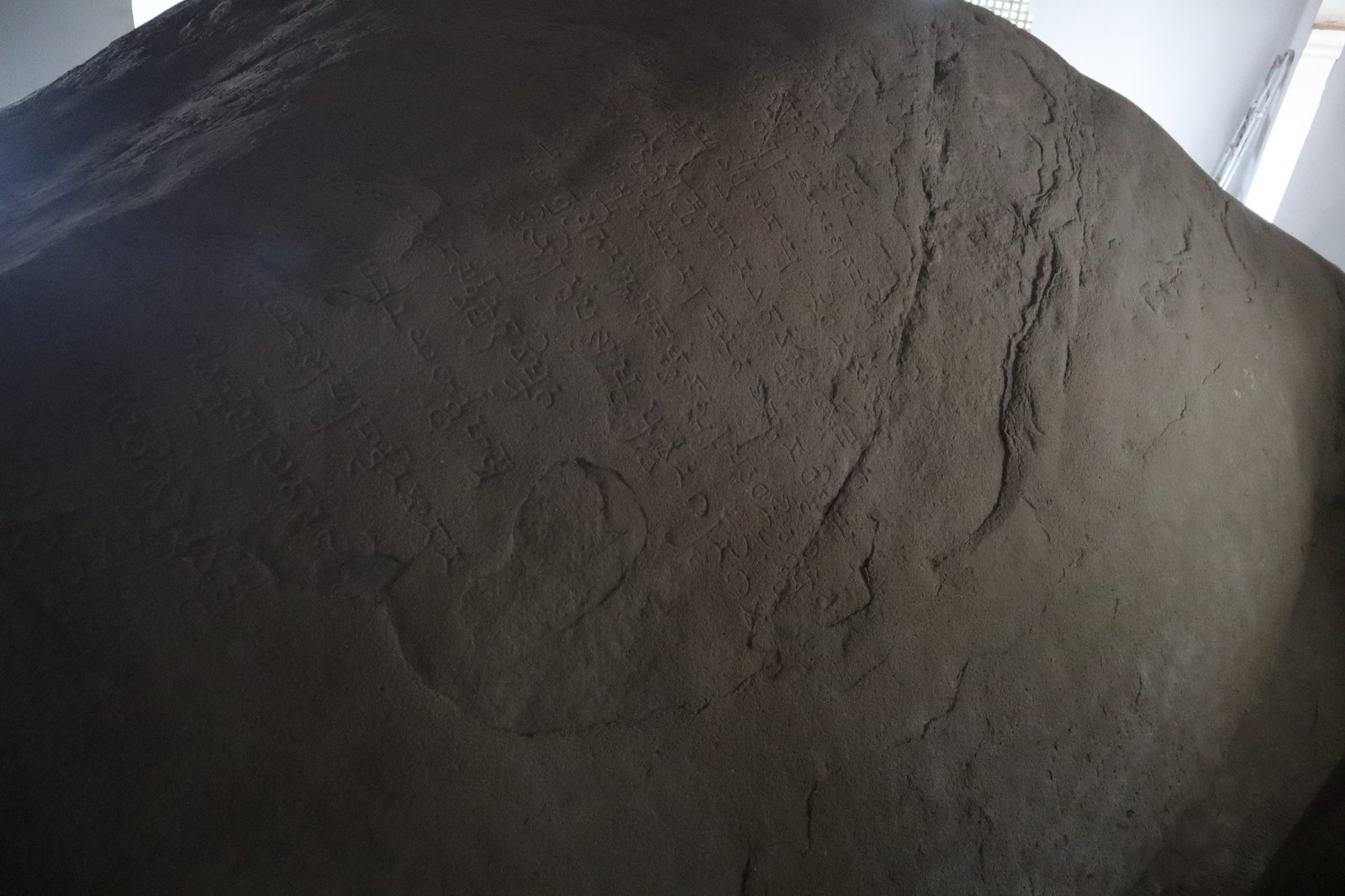
Original Text
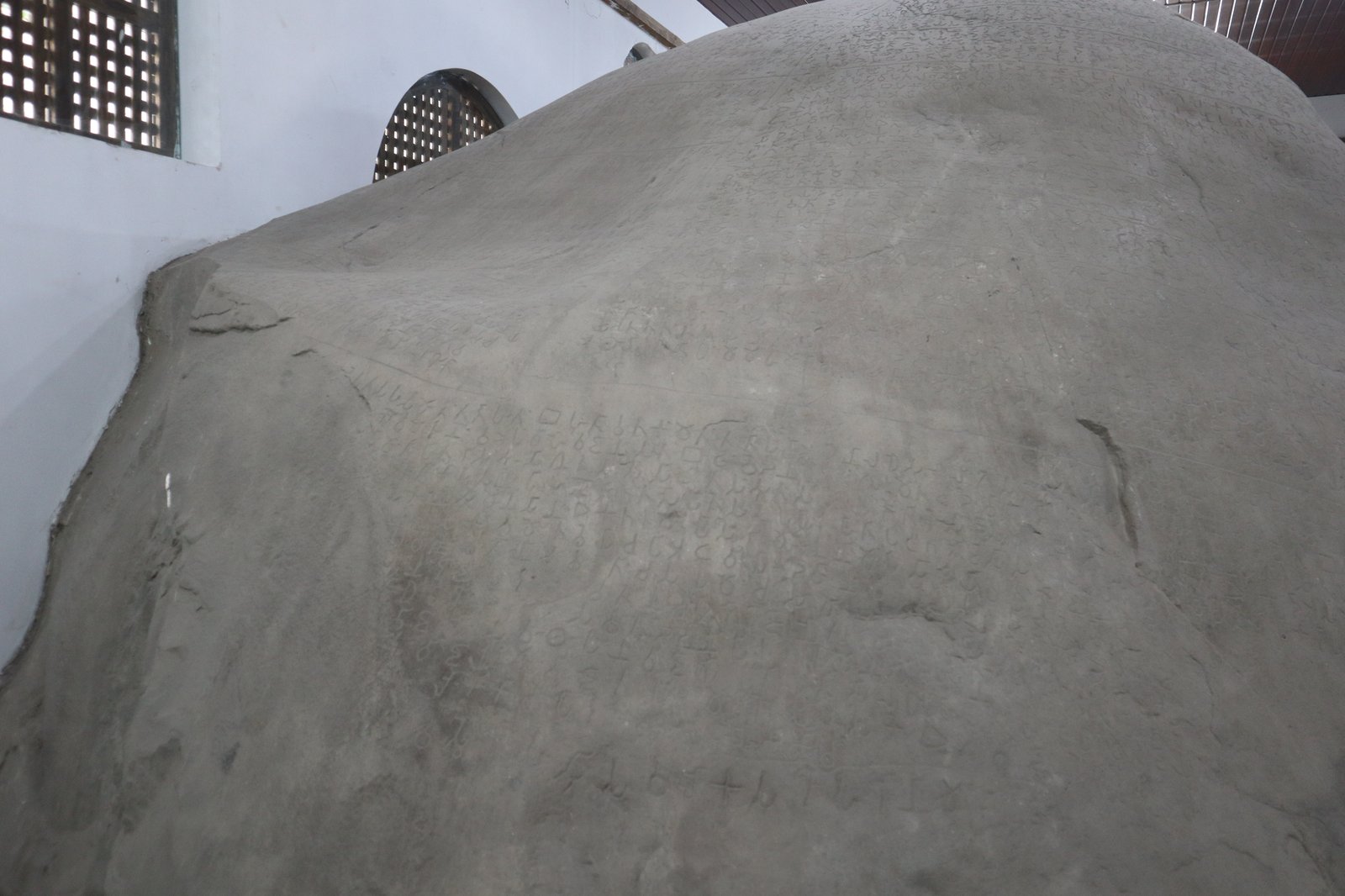
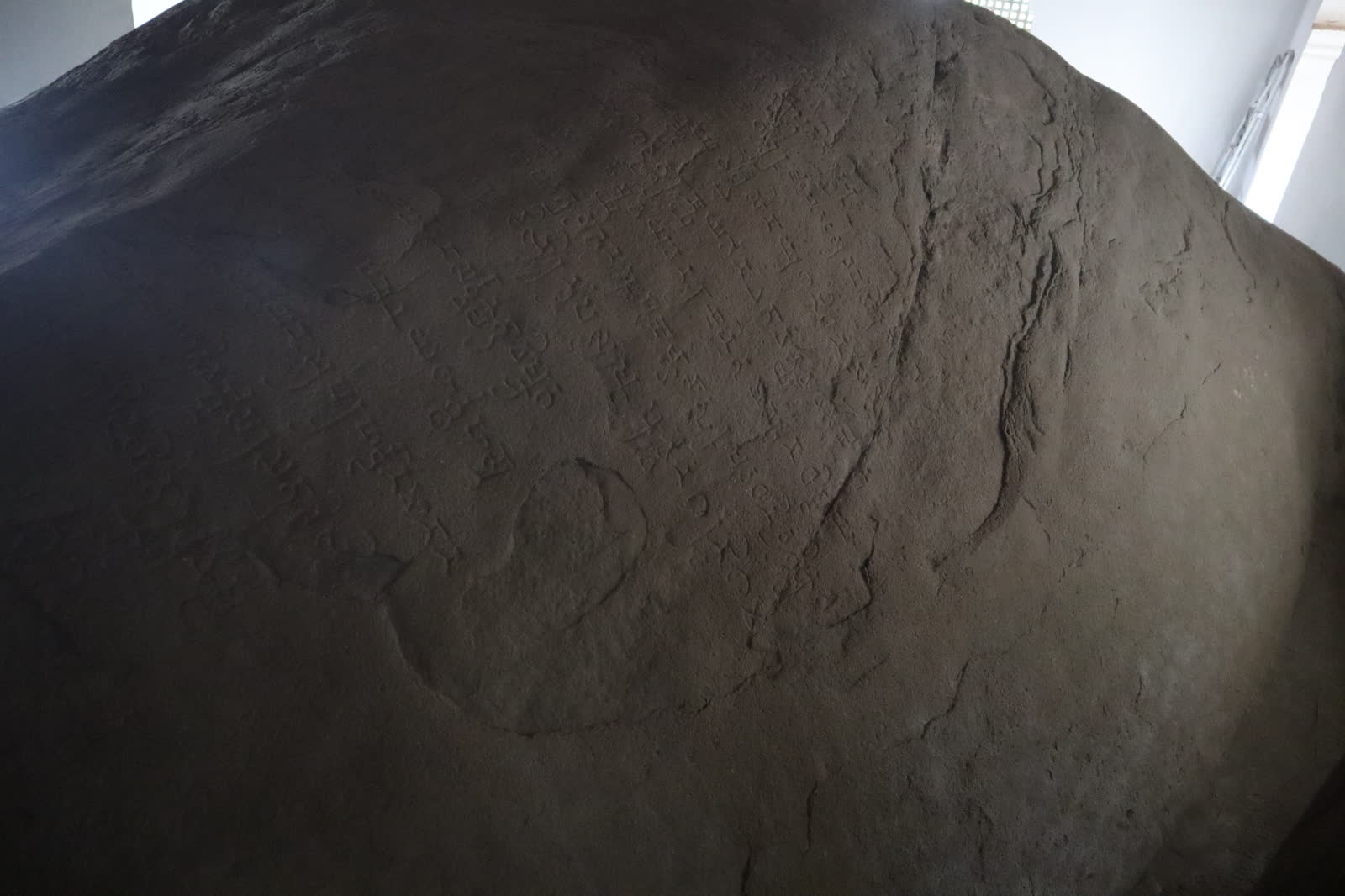
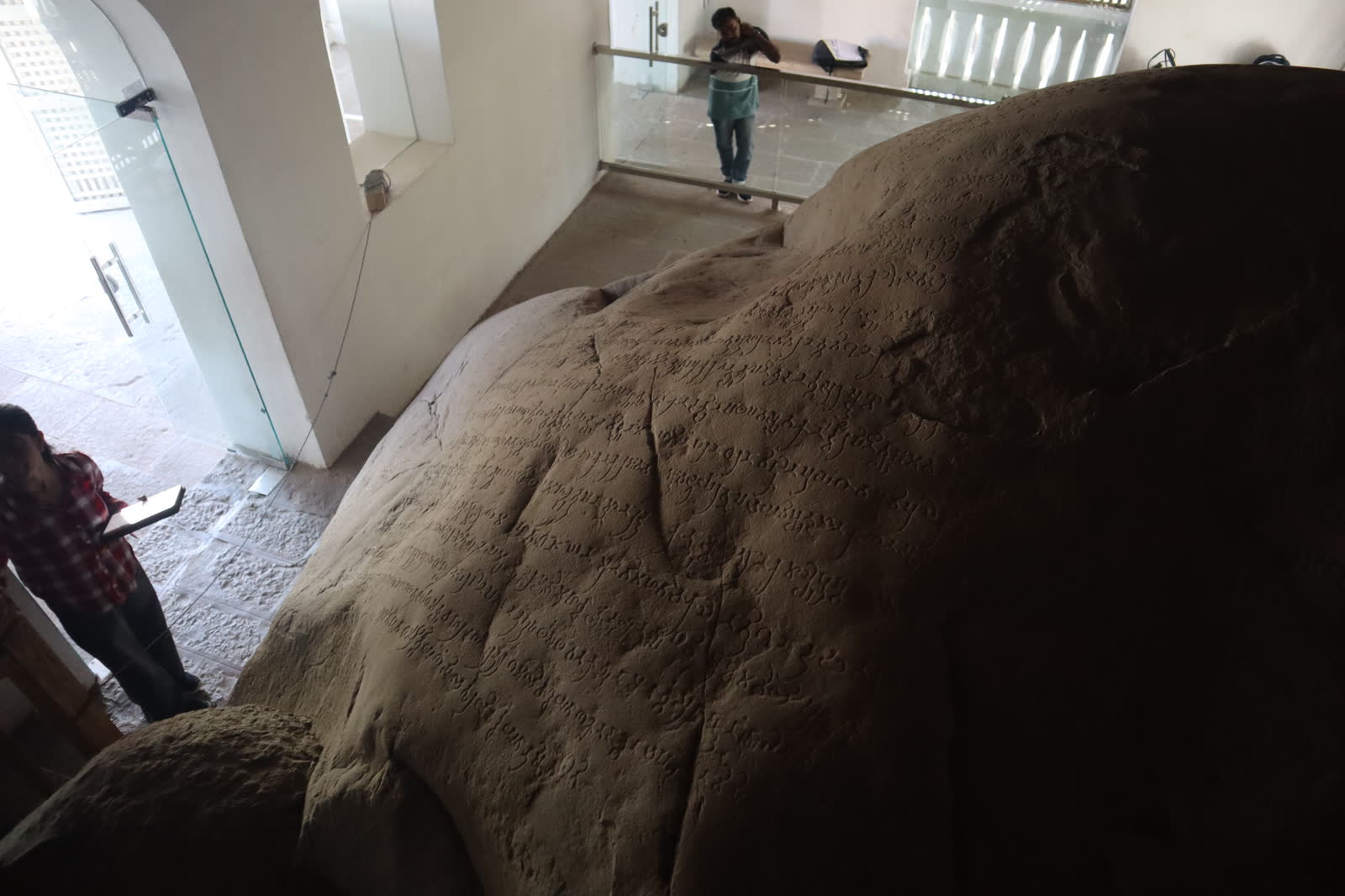
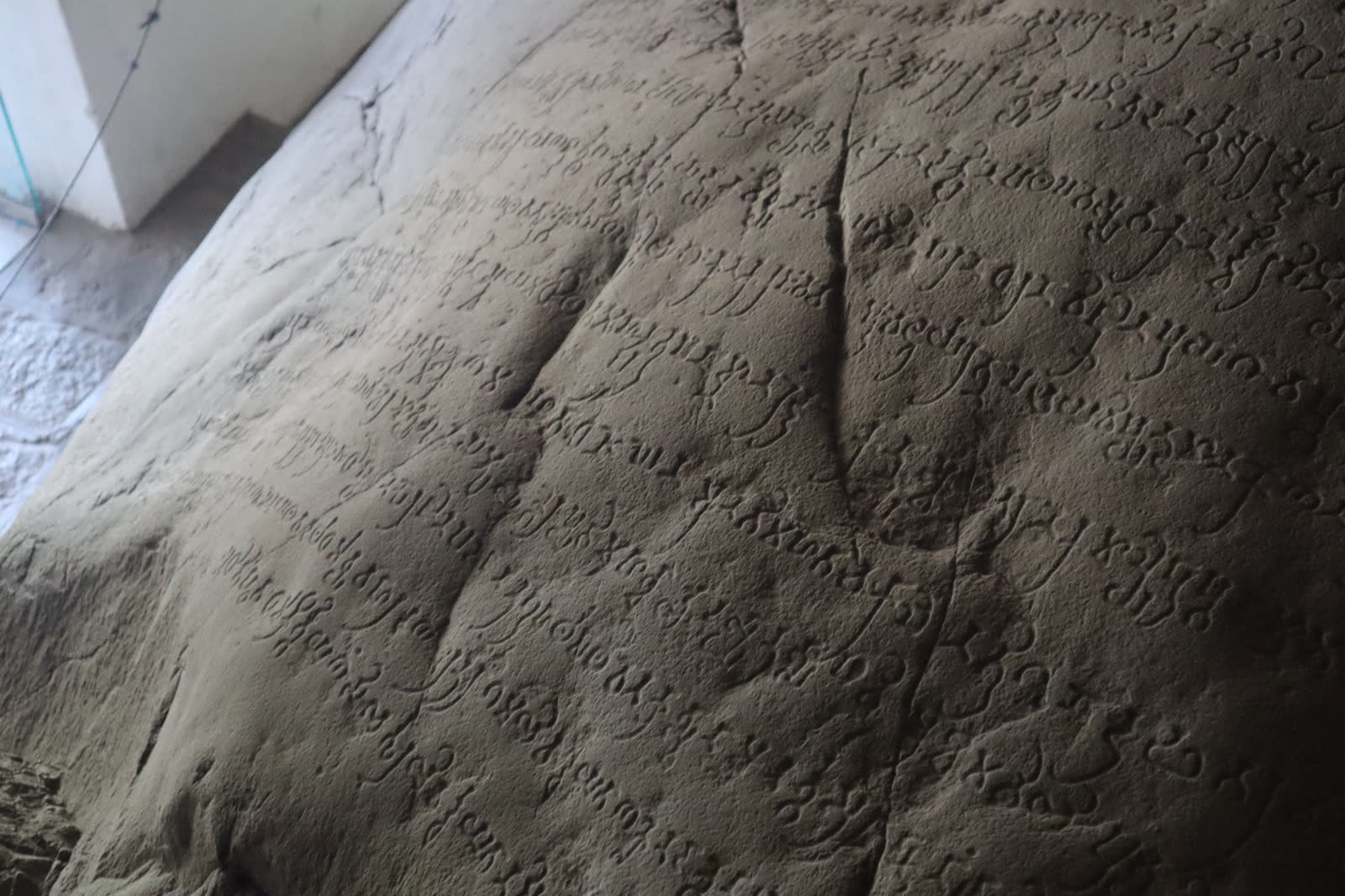
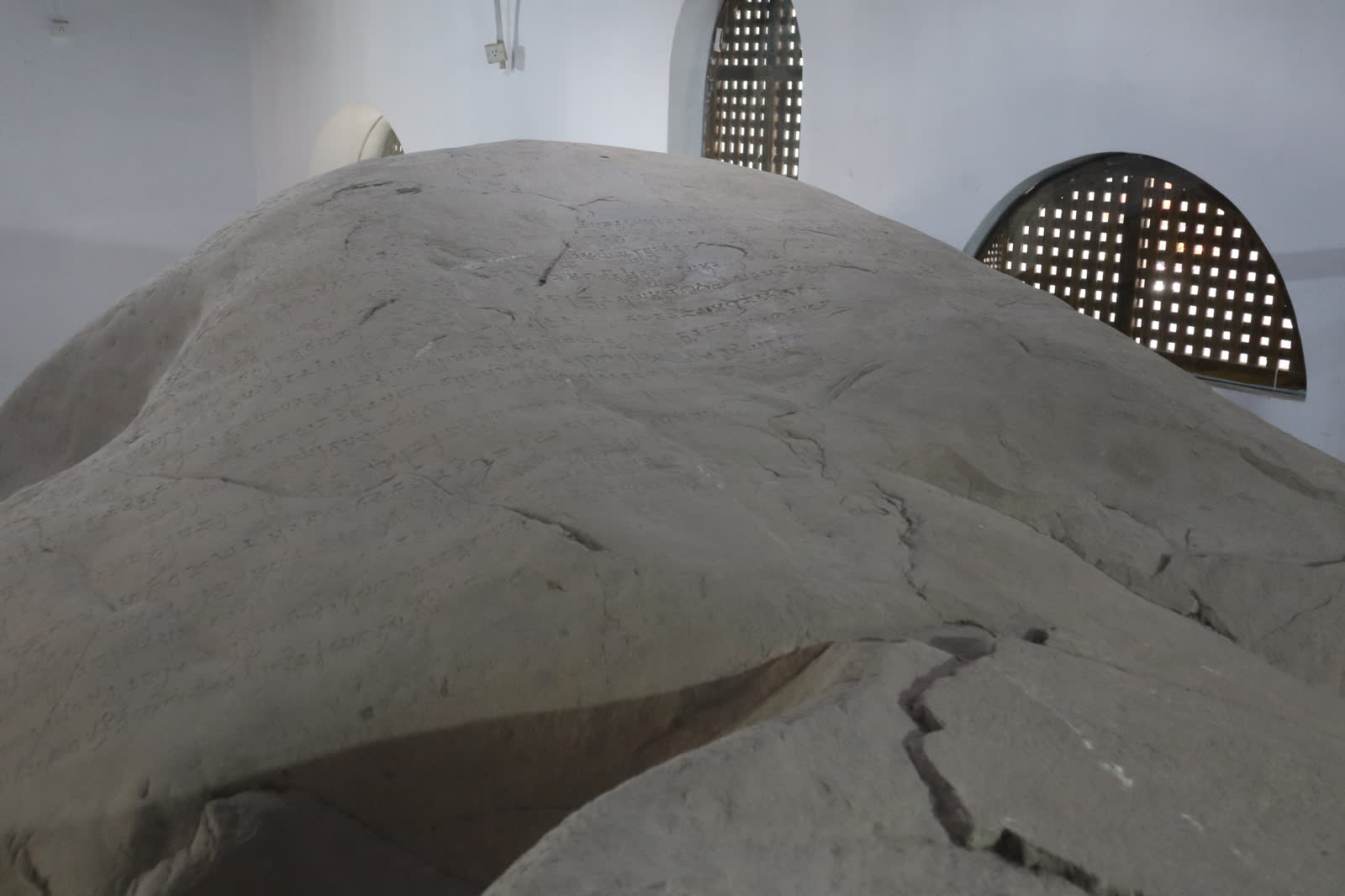
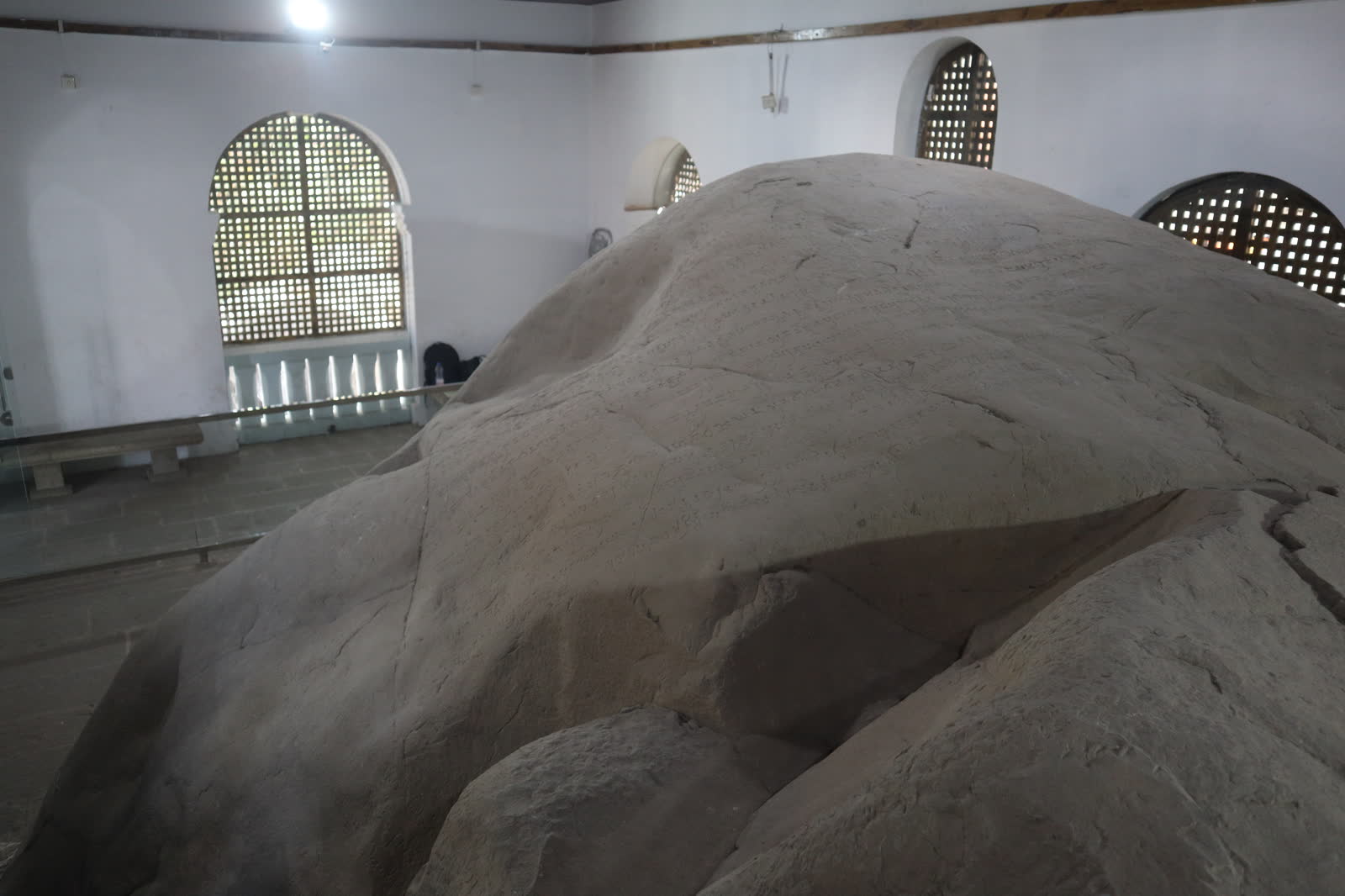
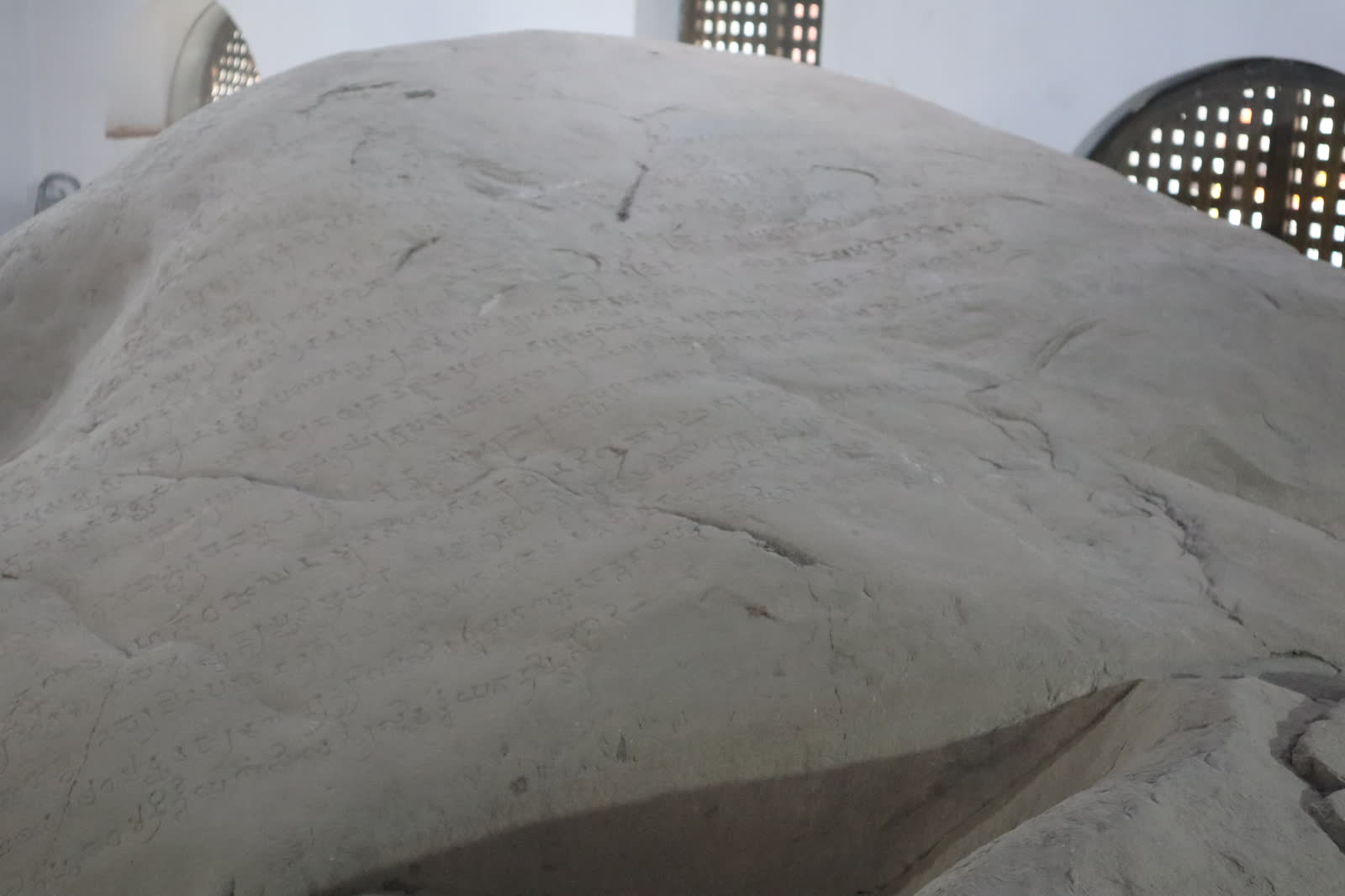
1 (A) . . . . . . . . . . . . ño Kaliṁgā [v . j .] . . . . . . . . . . . . [v . ḍh]e [sa]ta-sahasra-mātraṁ tatrā hataṁ bahu-tāvatakaṁ mata (C) tatā pachā adh[u]nā  ladhesu Kaliṁgesu tī[v]o dhaṁmavāyo.
2 . . . . . . . . . [sa]yo Devānaṁpriyasa [v . j .] . . . . . . . . . . . . [va]dho va maraṇaṁ va apavāho va janasa ta bāḍhaṁ vedana-mata ca g[u]r[u]-mata ca Devā[naṁpi] . . [sa].
3 . . . . . . . . . bāmhaṇā va samaṇā va añe . . . . . . . . . . . . [s]ā mātr[i] pitari susuṁsā guru-susuṁsā mita-saṁstata-sahāya-ñātike[su] dāsa-[bha] . . . . . ..
4 . . . . . . . . . abhiratānaṁ va vinikhamaṇa (H) yesaṁ vā [p .] . . . . . . . . . . . . [h]āya-ñātikā vyasanaṁ  prāpuṇati tata so pi tesa [u]paghāto hāti (I) paṭībhā[g]o cesā s[ava] . . . . . ..
5 . . . . . . . . . sti ime nikāyā añatra Yone[su] . . . . . . . . . . . . [mh]i yatra nāsti mānusānaṁ ekataramhi pāsaṁḍamhi na nāma prasā[d]o (K) y[ā]vata[k]o j[ano ta]d[ā].
6 . . . . . . . . . sra-bhāgo va garu-mat[o] Devānaṁ . . . . . . . . . . . . . . . . na ya saka chhamitave (M) yā ca pi aṭaviyo D[e]vānaṁpiya[sa] pijite pāti
7 . . . . . . . . . cate te[sa]ṁ Devānaṁpiyasa . . . . . . . . . . . . sava-bhūtānāṁ achatiṁ ca sayamaṁ ca samacairaṁ c[a] māḍava ca
8 . . . . . . . . . . [la]dh[o] . . . . naṁpriyasa idha [sa]vesu [c .] . . . . . . . . . . . . [Yo]na-rāja paraṁ ca tena catpāro rājāno Turamāyo ca [A]ṁt[ek]ina ca Magā ca.
9 . . . . . . . . . . idha rāja-vi[sa]yamhi [Y]o[na]-Kaṁbo . . . . . . . . . . . . ṁdhra-Pāriṁdesu savata Devānaṁpiyasa dhaṁmānus[a]sṭiṃ anuv[a]tare (S) yata pi dūti
10 . . . . . . . . . . . [na]ṁ dhamānusasṭiṃ ca dhamaṁ anuvidhiyare . . . . . . . . . . . . [v]ijayo savathā puna vijayo pīti-raso sā (U) ladhā sā pītī hoti dhaṁma-vijayamhi.
11 . . . . . . . . . . . ṁ[p]riyo (X) etā[ya athā]ya ayaṁ dhaṁma-[l] . . . . . . . . . . . . [va]ṁ vijayaṃ mā vijetavyaṁ maṁñā sarasake eva vijaye chāti ca.
12 . . . . . . . . . . . kik[o] c[a pā]r[alo]ki[ko] . . . . . . . . . . . ilokikā ca pāralokikā ca
Translation
(A) . . . . . . . . . the Kaliṅgas . . . . . . . . .
(B) . . . . . . . . . one hundred thousand in number were those who were slain there, (and) many times as many those who died.
(C) After that, now that (the country of) the Kaliṅgas has been taken, a zealous study of morality . . . . . . . . .
(D) . . . . . [the repentance] of Devānaṁpriya . . . . . . . . . . . . . . .
(E) . . . . . . . . . slaughter, death, and deportation of people, this is considered very painful and deplorable by Dēvānāṁpriya.
(G) . . . . . . . . . Brāhmaṇas or Śramaṇas, [or] other . . . . . . . . . obedience to mother (and) to father, obedience to elders . . . . . . . . . to friends, acquaintances, companions, and relatives, [to] slaves . . . . . . . . . or deportation of (their) beloved ones.
(H) . . . . . . . . . [companions] and relatives are then incurring misfortune, this (misfortune) as well becomes an injury to those (persons).
(I) This is shared [by] all . . . . . . . . .
(J) . . . . . . . . . these classes . . . . . . . . . except among the Yonas . . . . . . . . . where men are not indeed attached to some sect.
(K) As many people as at that time . . . . . . . . . part is considered deplorable by Devānaṁ[priya].
(L) . . . . . . . . . what can be forgiven.
(M) And even the forests which are (included) in the dominions of Devānaṁpriya . . . . . . . . .
(N) They are [told] . . . . . . . . . of Devānaṁpriya . . . . . . . . .
(O) . . . . . . . . . towards all beings abstention from hurting, self-control, impartiality, and kindness.
(Q) . . . . . . . . . has been won by [Devā]naṁpriya here and among all . . . . . . . . . the Yōna king, and beyond him four kings, (viz.) Turamāya, Antekīna, Magā . . . . . . . . .
(R) . . . . . . . . . here in the king's territory, [among] the Yonas and Kambo[jas] . . . . . . . . . among the [A]ndhras and Pārindas, - everywhere (people) are conforming to Devānaṁpriya's instruction in morality.
(S) Even where the envoys . . . . . . . . . and the instruction in morality, are conforming to morality . . . . . . . . .
(T) . . . . . . . . . this conquest,—a conquest (won) in every respect (and) repeatedly,—causes the feeling of satisfaction.
(U) This satisfaction has been obtained (by me) at the conquest by morality.
(W) . . . . . . . . . [Devāna]ṁpriya.
(X) For the following purpose this [rescript] on morality . . . . . . . . . should not think that a [fresh] conquest ought to be made, (that), if a conquest does please them, mercy . . . . . . . . .
(Y) . . . . . . . . . in the other world.
(AA) . . . . . . . . . both in this world and in the other world.